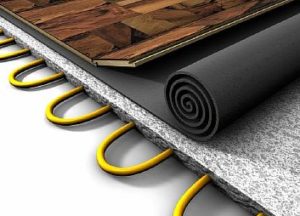
Nowadays, heated floors are no longer a luxury, and are widely installed in both private homes and apartments. They accommodate a variety of flooring materials, and laminate is no exception.
Although until recently experts did not recommend this combination, today manufacturers have developed a huge range of products that can be combined with heated floors. When laying laminate flooring, it is necessary to place a special substrate that will reduce the temperature effect to a minimum, thereby extending its service life.
- Features of laminate flooring in combination with underfloor heating
- The main tasks of the substrate
- Soundproofing
- Surface leveling
- Waterproofing
- Types of substrates
- Polyethylene foam
- Cork backing
- Expanded polystyrene
- Perforated backing
- Foiled mineral wool
- Combined material
- Lavsan
- Fiber
- Coniferous
- Criteria for choosing a subfloor for underfloor heating under laminate flooring
- Substrate characteristics
- Thicknesses
- Grounds
- Types of underfloor heating
- Installation of the substrate
- Video materials
Features of laminate flooring in combination with underfloor heating
Laminate is a popular flooring material that can withstand temperatures up to 40 degrees Celsius. It is durable and flexible. Its only drawback is its high cost. If specially labeled, it can be installed next to heating systems and over any type of underfloor heating.
Despite all of the above, it is recommended to lay an underlayment under the laminate.
Insulation between the slats and the underfloor heating system should be placed at a thickness of 2 to 5 mm. This is necessary to separate the laminate from the concrete base. Failure to do so can cause play in the joints between the boards, resulting in unpleasant noise when walking.
Another positive aspect is the unique property of the underlayment material—its resistance to alkaline environments. Rodents and insects also dislike it. Equally important is the underlay's ability to micro-ventilate the floor, preventing condensation.
Important! Using an underlayment under laminate flooring reduces the load on the interlocking system of the boards.
The main tasks of the substrate
In addition to the properties listed above, it helps solve a whole range of problems. Let's take a closer look at the main ones.
Soundproofing
As is well known, any flooring (wood or concrete) resonates. They greatly amplify the sound of footsteps. Consequently, manufacturers began producing laminate flooring with a special sound-insulating layer, but this has impacted the price.
Therefore, using an underlayment was a good solution in this situation. Thanks to its elasticity, it effectively fills in any surface imperfections and eliminates excess sound. Different materials have different sound insulation properties. Manufacturers provide this information on the product packaging.
Surface leveling
Underfloor heating, especially hydronic ones, is most often installed under a concrete screed. Even if the screed is poured perfectly, slight variations in level still occur.
When installing laminate flooring on this type of flooring, gaps will form where the planks meet in uneven areas, reducing the lifespan of the floor. Installing an underlayment solves this problem.
Waterproofing
Laminate is made from pressed wood, and when exposed to water and steam for long periods of time, the boards can warp and swell.
The underlayment, placed underneath the flooring in conjunction with the heated floor, helps create a favorable microclimate and protects the finish from moisture. This is especially important when installing a hydronic system, where there is a risk of accidents.
Types of substrates
With a wide range of products available today, it's difficult for a non-professional to determine which underlayment is best for laminate flooring. Inexperienced people often assume that the thicker the underlayment layer, the better. However, very thick and dense underlayment is not recommended, as it reduces the efficiency of the structure and increases heating costs.
The standard thickness of underlay for laminate flooring ranges from 2 to 5 mm. If the subfloor is level, a small underlayment will suffice. For hydronic systems, 3 mm is suitable, and for electric systems, 2 mm. The total underlayment and floor covering should be no more than 1 cm.
Let's take a closer look at each type of lining to help you make the right choice.
Polyethylene foam
Polyethylene foam is a common material used for underfloor heating systems due to its good thermal conductivity. It is also known as isolon.
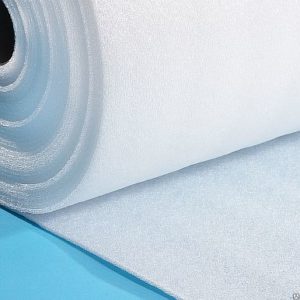
Polyethylene foam has a number of positive aspects:
However, polyethylene foam also has its drawbacks: it is weak and easily torn. Therefore, installation in rooms with low humidity is not recommended, as the floor generates static electricity during use.
This material is worth considering. Its price-quality ratio is ideal for its use.
Cork backing
Cork is a pressed product with high thermal insulation properties. It is produced in several types:
Please note: The rubber-cork type has excellent shock-absorbing properties, making it suitable for use with various types of devices.
In addition, in case of high humidity, a rubber or bitumen underlayment is also recommended.
Pros of cork:
- elasticity - this helps restore shape after heavy loads, protects locks from breakage and increases the service life of the slabs;
- despite the fact that cork is a natural product, it does not rot and mold does not form on it;
- has excellent soundproofing properties (12 - 14 dB);
- does not cause allergies;
- No harmful substances are released when heated.
The downside of cork underlayment is its hygroscopicity, which should be taken into account when installing hydronic underfloor heating. It doesn't absorb moisture, but it does allow it to pass through. Furthermore, the material is very dense, so it's not recommended for installation on uneven surfaces.
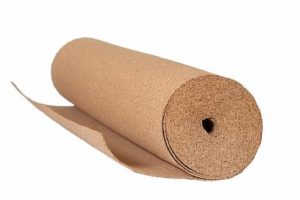
This underlayment is sold in rolls and sheets. It's worth noting that it's expensive. Although there are cheaper models, they are not recommended for use under laminate flooring, as it tends to crumble over time, causing the boards to warp.
Please note: Since cork is an environmentally friendly product, it is recommended for use in children's rooms and bedrooms.
Expanded polystyrene
Expanded polystyrene has a cellular structure and maintains its properties at temperatures ranging from -180 to +180 degrees Celsius. It has good thermal insulation properties and is inexpensive. Due to the presence of a polypropylene or foil layer, it provides excellent moisture protection, making it recommended for wet floor structures. It is also an excellent sound insulator, with sound levels up to 27 dB.
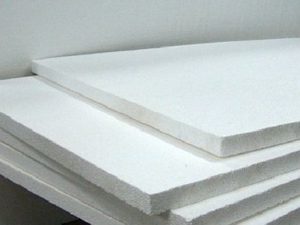
Installation requires little experience; it comes with special markings, making it easy for even a novice. The underlayment resists deformation and has a long service life.
The main disadvantage is that it can release toxic substances when overheated.
Important! Since polystyrene foam is quite rigid, it should be laid on a level surface.
Perforated backing
A perforated product, meaning it has small holes, resembling an accordion. This type of underlayment was developed specifically for underfloor heating systems. It is made from expanded polystyrene in sheets and panels.
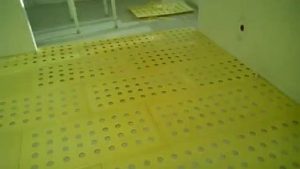
Professionals recommend using this underlayment for laminate flooring when installing over heated floors, as it is effective, wear-resistant, and can withstand high temperatures.
In addition, perforated types prevent laminate deformation and allow for significant savings on heating.
Foiled mineral wool
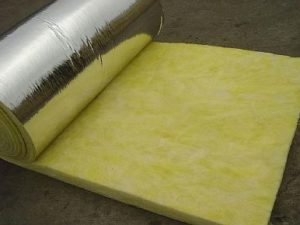
This model is not recommended for installation over heated floors in living rooms, as it releases harmful emissions when heated. Laying it on a water "layer" under laminate flooring is also not recommended. If a water leak occurs, the cotton wool will absorb the water, losing its properties and damaging the flooring.
Combined material
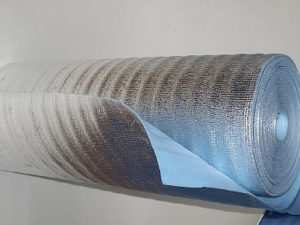
Polypropylene is a composite underlayment. The core is foamed polyethylene with one side foil-lined. This structure provides excellent heat retention. Composite polypropylene is practical and durable. When laying electric underfloor heating in a "pie," avoid using aluminum foil, as this can cause short circuits.
Lavsan
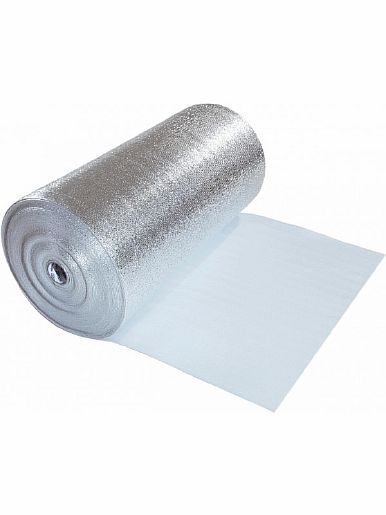
Today, manufacturers produce polyethylene foam with a metallized heat-reflecting layer called Lavsan. This coating, similar to a thermos, effectively reflects heat and minimizes heat loss.
Lavsan is resistant to aggressive environments. It is most often used for installing electric floors, although it can also be installed over water-based floors.
Lavsan has different power densities. When choosing, consider the finish coating. For example, for laminate, a product with a power rating of 150 W per square meter is suitable. Using higher power will damage the coating due to overheating.
Fiber
This type is also widely used, as it has good sound, heat and waterproofing properties, helps level the surface and does not deform.
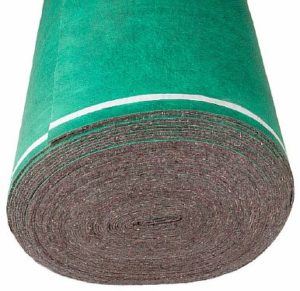
Coniferous
Coniferous underlayment is most often made from pine. Pine boards "breathe," allowing air to pass through them unimpeded. Furthermore, coniferous underlayment can absorb up to 20% of its volume in moisture, without affecting its performance.
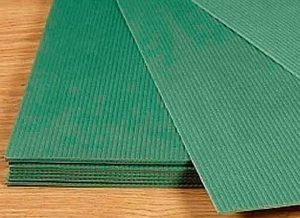
Its purpose is to provide sound insulation. Its other advantages include:
- retains heat well;
- eliminates small differences;
- easy to install, no special tools required;
- environmentally friendly;
- does not lose its properties for 15 years;
- elastic - does not bend during use.
The main disadvantage of the material is that it can become moldy, so a vapor barrier is required.
Criteria for choosing a subfloor for underfloor heating under laminate flooring
The main purpose of heated floors is heat transfer. Moreover, it's essential that the heat flows in the right direction. Therefore, when choosing an underfloor heating system, consider the following points.
Substrate characteristics
Underlayment parameters for laminate flooring that should be taken into account when purchasing the product:
- thermal insulation level;
- degree of waterproofing - especially for water systems;
- high temperature resistance;
- sound insulation level;
- ability to withstand mechanical loads on par with laminate;
- ease of installation;
- durability - this indicator should be no less than that of laminate;
- environmentally friendly and resistant to decay.
It is worth noting that cork or polystyrene foam lining best meets these characteristics.
Thicknesses
Choosing the right underlay thickness for laminate flooring is easy. It's important to consider the degree of panel deflection and the degree of deformation of the locking mechanisms. The thicker the material, the greater its subsidence under mechanical loads, leading to increased deflection and deformation of the laminate.
Therefore, the ideal option is a substrate thickness of 2 - 4 mm, possibly 5.
For your information! Installing an excessively thick layer is contraindicated, as it will settle under the weight of a person walking on it, causing unevenness and cracks. This will lead to damage to the slats.
Grounds
When choosing a flooring, the base on which it will be laid also plays an important role:
- Concrete – Laying underlayment on a concrete base is only possible with a waterproofing layer, as concrete is permeable to capillary moisture. Good thermal insulation properties are also required. If laying inexpensive laminate flooring, polyethylene foam and polystyrene are suitable. Cork or softwood flooring is better for more expensive laminate flooring, but not on ground floors or on the ground, as moisture will deteriorate natural materials.
- Wood – any underlayment can be installed on this type of flooring. The main criteria for selection are that the product should "breathe" and have good sound and heat insulation properties. It's best to use a natural underlayment for laminate flooring, such as cork, pine, or bitumen-cork. Polyethylene or polyurethane foam also pair well with a wood base and laminate, but these are recommended for installation in non-residential spaces.
Since wooden floors have uneven surfaces, the underlayment should be at least 3 mm thick, otherwise the laminate will sag.
Types of underfloor heating
When choosing a flooring product, you should also consider the type of underfloor heating:
- Water-based systems require underlayment placed above the heating pipes. Therefore, the ideal option is to install a product with the lowest thermal resistance. Laminate flooring installed on a water-based system should be laid with an underlayment that is moisture-resistant, condensation-resistant, and capable of withstanding high temperatures.
- Infrared – no screed is required for this type of installation. The laminate is laid directly on the infrared heating element. The underlayment is placed underneath the floorboards, so heat transfer is unimpeded. In this case, cork and a layer of foil are an excellent solution.
- Cable-type flooring is often installed under a concrete screed, so rolled polyethylene is suitable. It can withstand the substances found in the concrete. Cork is a good option for under laminate flooring, as it doesn't warp or shrink.
Buying a cheap underlayment for laminate flooring isn't cost-effective. It must be high-quality, as any imperfections will be reflected in the flooring.
It's recommended to choose trusted manufacturers. One such manufacturer is Tuplex, a European leader in the polymer products market.
Installation of the substrate
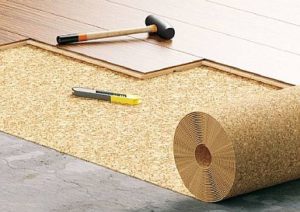
Laminate underlayment, regardless of its type, must be laid on a clean and level surface (concrete or wood). When installing over hydronic underfloor heating, a polyethylene film must be laid as a waterproofing barrier, and then the laminate flooring must be laid on top of this.
It is laid end-to-end, with no overlap. The slabs are laid in a manner reminiscent of brickwork, with a slight offset.
The required clearance from the walls varies for each material, as indicated by the manufacturer on the packaging. This primarily applies to cork and softwood flooring. The panels are joined together with adhesive tape. Afterward, the final flooring (laminate) can be installed.
When laying textured material, its smooth side should be facing up. If you're using cork or softwood underlayment, lay it perpendicular to the direction of the laminate planks.
Before installing the cork, the surface should be treated with an antifungal compound. When installing rolled material, it should be allowed to rest for a while after being laid out.
Installing underfloor heating with laminate flooring is simple and doesn't require any special experience. The key is to follow the correct installation procedures.
As you can see, underlayment under laminate flooring is an important and essential layer. Which underlayment to choose for heated floors under laminate flooring is up to you. However, you should consider the specifics of the room and the underlayment, as well as the characteristics of the laminate, to achieve an optimal microclimate in the room.

What nonsense. What does underlayment insulation have to do with it? To prevent heat from escaping from the floor into the room? Thermal conductivity is key for underfloor heating, and there's not a word about that. Any of the underlayments being discussed will block heat from escaping from the floor into the room.