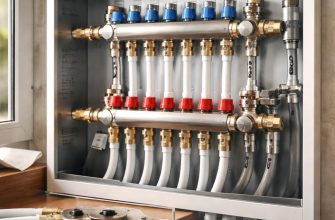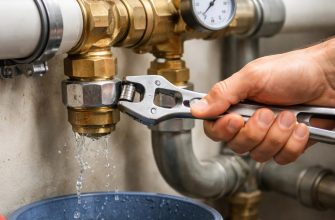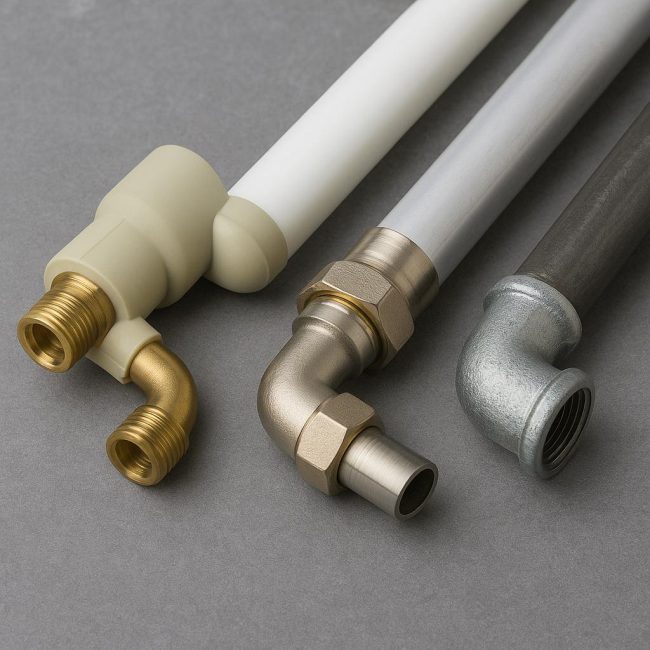
A reliable heating or water supply system is built from high-quality components. First and foremost, this pipes and fittings, which together form a single network: pipes are responsible for transporting water and coolant, and fittings allow you to connect sections, form turns and branches, ensuring tightness and convenient wiring.
Three materials are most commonly used in utility systems: metal-plastic, polypropylene, and steel. Each has its own strengths and weaknesses, and the correct choice determines the durability and reliability of the entire system.
- Basic requirements for pipes for heating and water supply
- Metal-plastic pipes
- Design and features
- Advantages
- Flaws
- Where to use
- Polypropylene pipes (PPR)
- Material features
- Advantages
- Flaws
- Where to use
- Steel pipes
- Classic and proven durability
- Advantages
- Flaws
- Where to use
- Comparison table
- Final recommendations
- Conclusion
Basic requirements for pipes for heating and water supply
Before comparing materials, it is important to identify the basic characteristics without which it is impossible to build a stable and safe system:
- Strength and pressure resistance. Pipes must withstand working loads (usually 3–10 atm) and short-term water hammer.
- Heat resistance. This is especially important for heating: pipes must operate at temperatures up to 90–95 °C.
- Corrosion resistance. Constant contact with water and humid air destroys metal.
- Durability. A good system should last for decades without major repairs.
- Easy to install. The more convenient it is to connect pipes and fittings, the less likely it is that errors and leaks will occur.
Metal-plastic pipes
Design and features
Metal-plastic has a multilayer structure: polyethylene layers on the outside and inside, with aluminum foil in between. This combination provides flexibility and sufficient strength.
Advantages
- ease of installation (can be bent, reducing the number of connections),
- light weight,
- corrosion resistance,
- good thermal insulation properties.
Flaws
- sensitivity to the quality of fittings - cheap connections lead to leaks,
- the actual service life is shorter than stated (15–20 years instead of 50),
- poor resistance to sudden temperature changes.
Where to use
Metal-plastic pipes are suitable for water supply and heating systems in private homes where there are no sudden changes in pressure or temperature.
Polypropylene pipes (PPR)
Material features
Polypropylene is resistant to chemicals and durable, and reinforced options (fiberglass or aluminum inside) are used for heating.
Advantages
- low price,
- service life up to 40–50 years,
- no corrosion or fouling,
- high strength when reinforced.
Flaws
- complex installation (requires a soldering iron and skills),
- rigidity - fittings are needed for turns,
- thermal expansion (requires expansion joints).
Where to use
Optimal for water supply and heating in apartments and private houses, especially with a centralized system.
Steel pipes
Classic and proven durability
Steel is a traditional material that has been used everywhere for decades.
Advantages
- withstands high pressure and temperature,
- durable and resistant to mechanical damage,
- Suitable for any systems.
Flaws
- subject to corrosion,
- requires welding or threading,
- heavy and difficult to install,
- the inner walls become covered with deposits.
Where to use
It's practical for use in mains, risers, and high-pressure systems. For domestic plumbing, more modern materials are often chosen.
Comparison table
| Characteristic | Metal-plastic | Polypropylene (PPR) | Steel |
|---|---|---|---|
| Service life | 15–25 years old | 40–50 years old | 20-30 years (rust-free) |
| Corrosion resistance | High | Absolute | Low |
| Easy to install | Simple, but critical to fittings | Medium (soldering iron) | Complex (welding/threading) |
| Flexibility | Flexible | Tough | Tough |
| Price | Average | Low | High |
| Scope of application | Plumbing and heating in private homes | Plumbing, heating in apartments | Risers, highways |
Final recommendations
- For durability and price Polypropylene is better: it is versatile, does not rust, and is inexpensive.
- For easy installation Metal-plastic is suitable, but it is important to use high-quality fittings.
- For maximum strength steel remains, although its installation is the most labor-intensive.
Conclusion
Choosing the right pipe material is a compromise between ease of installation, cost, and durability. In most cases, polypropylene is the best option, but sometimes it's more practical to choose metal-plastic or steel. The key is to avoid compromising on quality and use reliable pipes and fittings, as they determine how long the system will last without breakdowns or leaks.