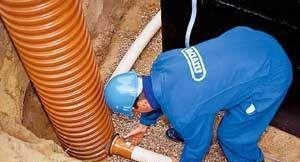
 A liquid removal system is mandatory on every suburban area in one form or another.
It is designed as a wastewater treatment facility. Its purpose is not only to remove excess moisture but also to purify wastewater from various types of natural and man-made contaminants.
Considering the volume of wastewater and the labor intensity of its treatment, sewerage structures are divided into two main types: drainage and domestic.
Wastewater treatment plants are equipped facilities designed to purify and disinfect wastewater. Mechanical and biological treatment methods are used. These treatments are essential for environmental protection.
- Drainage systems for water disposal
- Linear surface drainage
- Deep drainage
- Cleaning of sewage wastewater
- Technological methods for wastewater treatment
- The main stages of the cleaning process
- Urban sewerage facilities
- Sanitary zones
- Sewer cleaning
- Building codes and regulations for sewerage treatment plants
- Best House Sewage Treatment Systems
Drainage systems for water disposal
Such structures also have certain specifics, but their general purpose – removing excess moisture from a waterlogged area – remains unchanged.
Excess water on a site is a fairly common problem, caused by heavy rainfall or snowmelt in the spring. Excess moisture is especially problematic if the area has a high groundwater table or a clay substrate that prevents filtration and natural drainage.
Excess water in the soil not only hinders the normal growth of garden and vegetable plants, but also has a destructive effect on the building's foundation, creating increased humidity in the home and accelerating the deterioration of the building's main structures.
Depending on the prevailing conditions, drainage devices may be as follows:
- Surface drainage systems consist of point drainage systems and linear drainage systems. Point drainage systems are installed in areas where water accumulates, such as under gutters. Linear drainage systems take the form of shallow ditches and are located along the perimeter of a property.
- Deep-laid – consist of a network of perforated pipes designed to collect and drain water from the site.
The formation of a drainage system on a site involves a preliminary study of the site in order to identify the following circumstances:
- depth of groundwater;
- characteristics of the soils themselves;
- slopes on the site;
- maximum and minimum seasonal groundwater levels.
This information will be needed when designing buildings on the site. For example, if peaty soils are discovered, building a house on such a site may be completely impractical, as the labor and financial costs would be too high.
Linear surface drainage
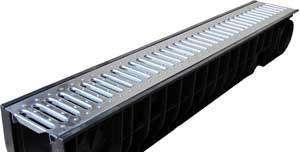 This type of drainage system is longer and is installed around the building being protected. To install it, a ditch must be dug. Its dimensions depend on the size of the gutters used to form the drainage system and should be slightly larger.
Trays are made from a variety of materials, including:
- metal;
- plastic;
- cast iron;
- made of concrete of various modifications.
To ensure stable operation of the drainage channel, it must be installed on a solid foundation, so a concrete screed at least 10 centimeters thick is poured into the bottom. The channel is installed on the uncured concrete and positioned so that the grating is 1-3 centimeters above the level of the concrete pavement.
The drainage circuit ends at a storm drain inlet, which is equipped with a sand trap designed to trap sand, silt, and debris in the runoff. This device requires periodic cleaning.
Deep drainage
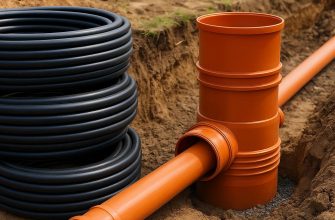
This drainage system is designed to drain subsoil moisture. It is installed using perforated drainage pipes. Inspection wells are required at all bends in the drainage network to monitor the system's condition and perform cleaning if necessary.
Pipes are installed with a slope of 1-3 millimeters per meter of pipe length, and this value is crucial. With a higher slope, water flows quickly through the pipe, preventing contaminants from dispersing with the flow, trapping them within. Over time, these contaminants accumulate, causing a blockage.

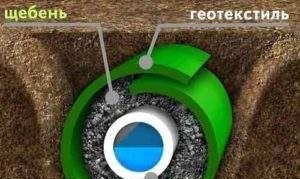
To ensure proper drainage, simply burying the pipe in the ground isn't enough. It requires serious protection. This requires creating a filter layer, which can be constructed as follows:
- Dig a trench to the required depth.
- Geotextile is laid on the bottom in such a way that the edges are secured to the sides.
- Cover the bottom with gravel in a layer up to 15 centimeters thick.
- Place a perforated pipe on it.
- Add more gravel on top until the pipe is hidden underneath.
- Fold the edges of the geotextile over the edges, having first connected the drainage pipes to the inspection well.
- The final backfilling of the trench with previously excavated soil is carried out when the entire drainage system network has been formed in the manner described.
Drainage pipes themselves are made from a variety of materials. Currently, plastic pipes with holes drilled into the walls are the leading choice.
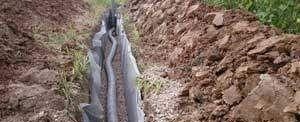 Obviously, gravel acts as a filter in this design. However, this isn't the only design used. Numerous modifications of drainage pipes with pre-installed filters are produced, which are highly technological and durable.
Previously, asbestos-cement pipes, specifically designed for use in land reclamation, were also used. They are durable and resistant to various chemically active substances. Special fittings for various purposes are used in water pipelines.
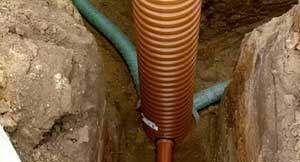 An important component of the drainage system are inspection wells, designed to monitor the condition of the system and carry out preventive measures and work to clear clogged networks.
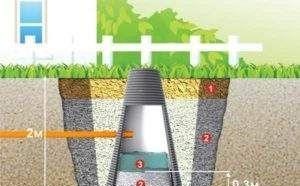
The final structure of the drainage system is a collector well. It is installed when connecting the drainage network to a central storm sewer is impossible, which is typical for most suburban construction projects. The contents of the collector are pumped into the ground, and since the water from the drainage system is relatively clean, filtration through the soil is sufficient to ensure the sanitary safety of the runoff.
Cleaning of sewage wastewater
The main way to maintain a favorable environment is to properly clean wastewater from various types of contaminants.
Used water is purified using various methods aimed at removing harmful substances and contaminants from it in stages through filtration and neutralization.
The ultimate goal is to return purified moisture to the technological process at the enterprise or to the natural environment.
Technological methods for wastewater treatment
Given the vast expanses of our country, centralized wastewater disposal systems are not available everywhere. At the same time, at most enterprises, water use is an integral part of their technological processes.
For this purpose, mini sewage treatment plants are produced and are constantly available on construction markets.
Wastewater is conventionally divided into three main categories:
- Household and domestic waste, including fecal waste.
- Surface - arising from precipitation from the atmosphere.
- Industrial waters, which are generated from water used in the technological process for washing raw materials and finished products, as well as cooling equipment and tools during production. This category also includes water extracted from the subsoil during mineral extraction.
The main stages of the cleaning process
One of the first tasks in wastewater treatment is separating various types of mechanical impurities. The primary method is filtration through various types of sieves and screens. The resulting insoluble matter can be returned for recycling or disposed of in solid waste landfills.
Next, the wastewater is settled to remove any remaining solid contaminants. Undissolved substances remaining after filtration are deposited in septic tanks and settling basins, while residual oil products and grease are separated in oil traps and grease separators.
Next, biological wastewater treatment methods are used to remove bacterial contaminants. The goal is to remove pathogenic microorganisms while utilizing their beneficial species. This results in their death and precipitation as a solid precipitate.
Septic tank treatment bacteria are multifunctional, biologically active substances used in various industries. They are used in industry to treat wastewater and in everyday life to treat septic tanks and cesspools.
In agriculture, microorganisms are used to accelerate the maturation of compost, which reduces the production time of organic fertilizers.
Two types of bacteria are used to purify wastewater: anaerobic and aerobic. The former operate without oxygen, while the latter actively utilize it. During their life cycle, anaerobic bacteria produce methane, a gas with a strong, unpleasant odor. Therefore, they are rarely used in this situation.
 Anaerobic bacteria are used in conjunction with aerobic bacteria, forming the initial stage of wastewater treatment. The latter require the presence of oxygen to thrive, so air is blown through the water.
For this purpose, compressors with a spray nozzle are used at home. A special activator can also be used.
Treatment with aerobic bacteria does not release methane, as the reaction involves the release of carbon dioxide and heat. Aerobic reactions significantly liquefy sewage, and the resulting sediment can be used as fertilizer in agriculture.
Microorganisms for septic tanks function under specific circumstances, and this must be taken into account when using them:
- The temperature should be between 5 and 55 degrees Celsius. Outside these limits, they become dormant.
- Bacteria can only live and work in a liquid environment, so the preparation must be diluted with water before adding it to the septic tank, in accordance with the recommendations on the culture packaging.
- Microbes die on contact with substances containing chlorine.
- Bacteria die without nutrition, so their content must be replenished after each long period of septic tank downtime.
Complex preparations for treating septic tanks are called bioactivators; in addition to the bacteria types mentioned, they contain preparations that promote the breakdown of oxygen.
The equipment complex for cleaning sewer wastewater looks like this:
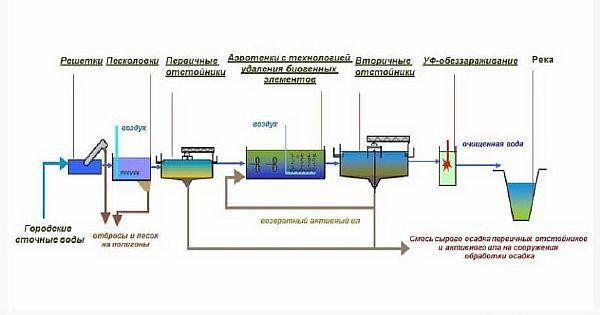
Wastewater treatment plants are practically unaffordable for private use. Maximum efficiency in domestic settings can be achieved through multi-stage treatment using biotechnology and soil filtration. Equipment for wastewater treatment plants is widely available on the construction market.
Urban sewerage facilities
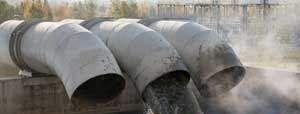 The primary task of the city sewer system is to collect wastewater from the city. The entire system is divided into various collection stages:
- Wastewater and sanitary sewage from residential buildings is collected through risers and fed into the building's main sewer system.
- From there, the substance enters the combined collectors of the districts and the citywide networks.
- In addition to this type of waste, stormwater flows are also disposed of, carrying a mass of pollutants consisting of what we, city residents, thoughtlessly leave behind in urban areas.
- The dimensions of water pipes increase at each stage – from 100-110 millimeters for a house riser to a sewer collector pipe with a diameter of 3.5 meters or more. These water pipes are constructed of brickwork.
And only after this do water purification activities begin.
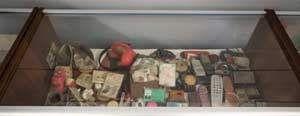 At the first stage, the stream is passed through a screen that retains large solid objects. It's amazing to see the contents of such a "catch"!
There's everything from soap suds to drowned kittens.
The water then passes through a sieve with a mesh size of no more than 2 millimetres, where all types of waste are retained and disposed of in solid waste landfills.
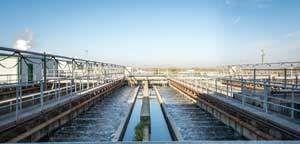 Here the primary cleaning stage is completed, carried out mechanically and, partially, chemically.
The liquid that has been filtered and settled is practically free of suspended solids, but it does contain a mass of harmful bacteria and dissolved chemical components that are harmful to humans and the environment.
Further purification continues with the removal of organic matter. Biological contaminants are removed using devices called aeration tanks. These large containers are filled with liquid, activated sludge, and continuously supplied with air.
Activated sludge contains the very bacteria that can destroy their fellow bacteria, especially in excess oxygen. It's worth noting that a full treatment cycle for one tank takes approximately five hours.
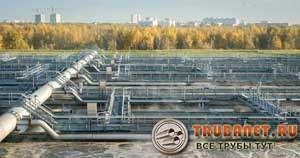 The liquid is then sent to settling ponds to separate the activated sludge. Some of it is sent to repeat the biological treatment process, while the excess is incinerated in special furnaces at temperatures of approximately 800 degrees Celsius.
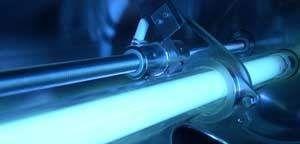
The final step in water purification is ultraviolet treatment. UV radiation virtually eliminates all bacteria from the water, rendering it completely harmless.
 Final quality control of cleaning is often performed using unconventional methods. For example, a method is used to test crayfish. A specimen is placed in an aquarium with controlled water and its behavior is observed.
However, they don't stop there. Cardiograph sensors are attached to the animal, and an electrocardiogram is taken to determine its condition. If the results are unsatisfactory, a thorough laboratory study is performed to determine the cause of the inadequate cleaning.
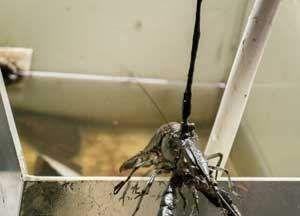 Mollusks, which thrive in clean water, are excellent indicators of environmental purity. Not only crayfish and snails, but also other species of these animals are used. However, a positive reaction from these "sensors" does not necessarily mean that the liquid tested in this way is safe to drink.
 Sanitary zones
The design of sewage treatment facilities necessarily includes the organization of a sanitary zone.
Wastewater treatment facilities are a key infrastructure component protecting the environment from harmful pollutants. A community's sewer network removes contaminated water, which must be treated. During the design stage, the composition of the wastewater is analyzed individually, and the equipment is selected accordingly.
Wastewater treatment plants themselves pose a heightened risk due to the potential for terrorism. But the very act of processing hazardous substances is also extremely dangerous.
Water supply facilities of any type are established in designated and protected areas called sanitary zones. The primary requirement for their construction and operation is epidemiological safety.
These areas include not only treatment facilities but also water intakes, utilities, and equipment. Environmental oversight agencies are responsible for maintaining these sanitary zones.
Sanitary zones of wastewater treatment plants are usually securely fenced and marked with warning signs. The following is prohibited in these areas:
- Pollution from household or industrial waste.
- Use of manure as fertilizer, application of pesticides for any purpose, fertilizers.
- It is prohibited to place warehouses of pesticides, varnishes and paints, petroleum products, as well as any other substances that can pollute water resources and soil here.
- Conducting any type of agricultural activity.
- Extraction of natural resources, including sand and gravel.
- Carrying out earthworks.
Sanitary zones ensure the safe operation of wastewater treatment facilities (WWTPs).
Sewer cleaning
A clogged drain is not such a rare occurrence that everyone has encountered it at least once in their life. Therefore, most people are familiar with tools like a plumbing snake or a plunger for clearing sewer pipes.
But not everyone has encountered more complex mechanical cleaning methods, such as a hydrodynamic machine. This device has been around for over half a century and is successfully used when necessary.
The pump creates a pressure of about 120-125 MPa, which makes it possible to remove blockages not only in the sewer system, but also in water pipes.
Any contaminants can be removed using hydrodynamic methods., while the sewerage system's capacity only improves, which leads to increased efficiency of the system.
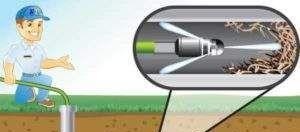
A drain cleaning machine is a highly effective means of clearing blockages. However, it's not always possible to use one, especially on the upper floors of a high-rise building. In these cases, portable cleaning devices that can be moved manually are used.
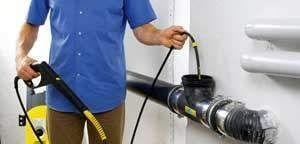 The method of using such a device is as follows:
- It is necessary to select equipment that is appropriate for the clogged sewer pipe.
- Using a viewing window or the mouth of the toilet, insert the tip of the device into the pipe to a depth of at least one meter. When the water supply to the device is turned on, the tip moves automatically.
- The nozzle directs a stream of water directly to the clog, breaking it up. The dislodged waste is then removed through the drain.
- Once the blockage is cleared, the pipe needs to be flushed to remove any remaining debris.
A sewer pipe cleaning machine is the most modern method of cleaning sewers, increasing their service life.
Building codes and regulations for sewerage treatment plants
There are numerous organizational and regulatory documents for sewer system installations, issued by a variety of agencies. Regarding single-family homes, the most comprehensive and comprehensive is SNiP 31-02. It addresses the following issues:
- general requirements for sewerage devices;
- laying of exhaust devices and pipelines;
- external networks of autonomous sewerage systems;
- wastewater treatment schemes;
- systems with devices for draining wastewater into the ground;
- schemes that provide for the discharge of wastewater into a surface water body;
- construction of wastewater storage tanks;
- wastewater pumping rules;
- cesspool devices.
The document provides clear instructions on the rules for handling wastewater from its generation to final disposal.
Best House Sewage Treatment Systems
Assembling such a system is easy using products from Best House, a domestic manufacturer. These compact devices are designed for 1 to 5 users and can be customized to suit your needs.
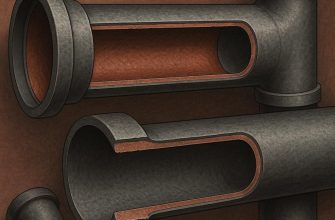
I have a three-compartment septic tank in my private house. I built the tank myself, concreted the chambers myself, and installed the overflows and vent pipe. While using it and pumping it out with a sump pump, I realized I needed water treatment. I also installed an additional vent pipe (for one type of bacteria), and I periodically add a bioactivator for another type of bacteria. The water from the third chamber is clear and has no strong odor; I occasionally water the garden.