 By providing the necessary urban amenities outside the city, a country house can be as comfortable and cozy as an apartment. A well-maintained sewer system is a crucial component of modern housing.
New technologies make it possible to create autonomous wastewater treatment systems even on compact sites. In our review, you'll learn about one such system – the Topas autonomous sewer system.
It's popular not only with owners of large homes but also with small cottages. Knowing how it works will help you choose the right option.
By installing a septic tank like this, you won't have to worry about calling a septic tank vacuum truck. Let's explore how the Topas septic tank operates, its popular varieties, and the nuances of using this type of equipment.
- The design and operating principle of the Topas septic tank
- Work scheme
- The principle of the chemical cleaning process
- Types of designs
- Advantages and disadvantages of the system
- Cleaning quality
- First compartment
- Second compartment
- Third compartment
- The fourth compartment
- Why is activated sludge needed?
- Rules for operation and maintenance of the station, sludge removal
- Maintenance principles of the Topas septic tank
- Features of preserving a septic tank for the winter
- Stages of winter preservation of the Topaz septic tank
- Operating recommendations
The design and operating principle of the Topas septic tank
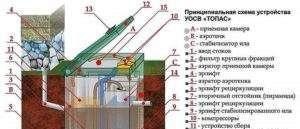
A septic tank is part of a sewer system designed for the complete processing, clarification, and purification of wastewater. Before purchasing one, it's important to understand the layout and design of a Topas septic tank.
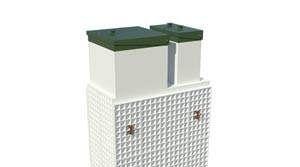
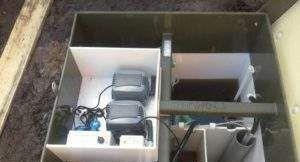
Externally, the device looks like a cubic chamber with a large lid. Internally, it is divided into four sections. A special device is provided for collecting air from the outside.
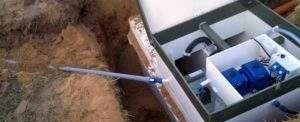
The treatment plant consists of the following elements:
- Chamber for collecting wastewater.
- An airlift that allows the movement of wastewater between different mechanisms.
- Aeration tank is a section where secondary purification takes place.
- Pyramid-shaped chamber for final purification.
- Compartment for collecting purified water.
- Air compressor components.
- Sludge removal hose.
- Device for removing purified liquids.
The frame is made of polypropylene. The thickness of the material may vary between models. The outer walls are made of sheet metal over 18 mm thick. The internal partitions are thinner. The polypropylene sheets are welded together. The products are distinguished by a minimal number of welds.
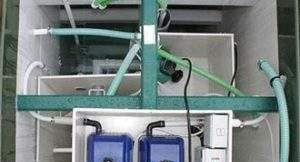 Polypropylene is ideal for the casing. It has low thermal conductivity and retains heat perfectly during cold weather. This material is resistant to the aggressive environment found in septic tanks and is resistant to corrosion.
Various electrical equipment—air compressors, control units, and drainage pumps—are used to control the septic tank. All components are carefully selected and feature excellent performance.
This type of station is in demand due to its simple design, interchangeability of parts, and the possibility of repair.
Work scheme
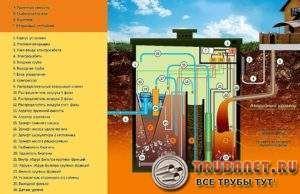
Before installing the system, it's important to understand how the Topas septic tank operates. Let's look at the sewage flow diagram in the Topas wastewater system:
- The wastewater exits the pipe into the first chamber. Large particles fall to the bottom.
- The water then flows into an aeration tank, where bacteria dissolve the organic components. During the pumping process, fibrous components are removed using a hair trap.
- The liquid enters a settling tank, where sludge collects and water is separated separately.
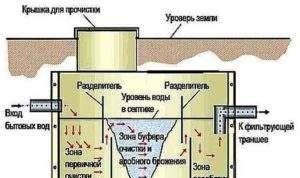
After completing the purification steps, the liquid is 95% purified and pumped into the final compartment. This produces water suitable for technical purposes, such as watering flowers and lawns. This station consumes a small amount of electricity during operation.
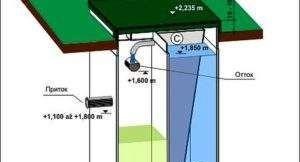
The treatment plant operates in two phases, controlled by a float switch. The purification phase is initiated by the influx of sewage, while the regeneration phase is necessary when there is no sewage and to maintain the activated sludge.
The power cable is routed through the compressor compartment and simply needs to be connected to the control unit.
The principle of the chemical cleaning process
Cleaning of contaminants is a multi-level process that uses a large number of pathogenic microorganisms in activated sludgeBiological cleaning includes the following stages:
- Aeration removes organic components. Aerobic bacteria produce enzymes that promote the oxidation of organic matter.
- Denitrification and nitrification are the next stages of waste treatment. This process does not require oxygen.
- Phosphorus removal. This component is found in insoluble elements and in the form of polyphosphates and phosphates, which need to be removed.
Types of designs
Topas septic tanks come in a variety of models. To choose the right one, you need to calculate the volume of wastewater discharged from your home over the course of a day.
Watch the video to see how the Topas septic tank works.
The following models are particularly popular:
- The Topas 5 is the most popular and affordable option. It's suitable for households with at least five residents. The septic tank can be installed on a slightly sloped surface.

 » width=»400″ height=»309″>The Topas 5 PR is more expensive. It differs from the design described above in that it has an additional drainage pump, which can be used to force purified water out for technical purposes. This device allows the water to be raised above the septic tank level.
- For a two-story house suitable for a large family and frequent guests, the Topas 8 is the best choice. This model boasts high performance and ample capacity. Its design allows it to handle a discharge volume of up to 440 liters.
- For larger cottages, consider the Topas 10. It can simultaneously treat wastewater from three toilets, two showers, sinks, and washing machines.
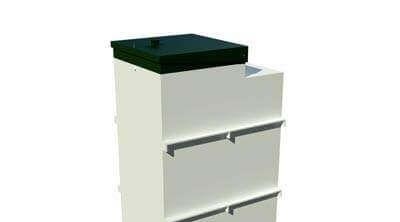
Worth paying attention to and the markings. "Pr" means the septic tank is suitable for use in areas with close groundwater flow, and "Us" stands for "reinforced," meaning high-power models.
Advantages and disadvantages of the system
When purchasing a Topas septic tank, it's not just the operating principle that's important, but also the advantages and disadvantages that need to be explored.
This station has the following advantages:
- Easy installation. Installation can be completed in one day.
- High-quality purification capabilities. The resulting water poses no environmental hazard.
- The structure can be placed on any type of soil.
- The tank does not take up much space and does not require a deep pit.
- Excellent performance characteristics. Can last for over 50 years.
- The wastewater does not emit odors.
- If there is a power supply, the structure will be self-sufficient.
- In principle, the device can operate even at sub-zero temperatures, but subject to certain conditions.
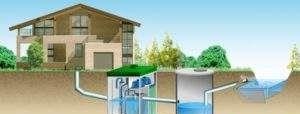
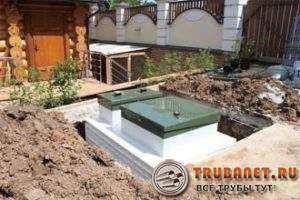 The multi-stage treatment system removes up to 98% of organic contaminants. The septic tank is located deep below ground, with only the lid visible, making it a perfect fit for the surrounding landscape.
However, there are some downsides. Incorrect installation can cause various malfunctions, which will require the help of an experienced technician.
It's also worth noting the device's dependence on electricity and electrical failures. It's important to remember that the station is not suitable for extended periods of non-operation. Insufficient mud flow will kill the bacteria.
Cleaning quality
The design and operating principle of the Topas septic tank are designed exclusively for treating domestic wastewater. Let's take a closer look at the processes that occur in each chamber.
Watch the video on Topas septic tank maintenance principles.
First compartment
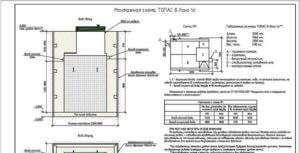
First, the streams enter this chamber, where the sludge is separated into particles of varying sizes. Wastewater accumulates in this chamber, where bacteria are activated, breaking down the organic matter into water and sludge. When the contaminated liquid level reaches the float switch, a signal is sent to activate the compressor mechanism. Components lighter than water float to the surface.
Second compartment
The liquid then flows into the next tank. In this tank, contaminants settle, and sediment forms at the bottom. Between these two chambers, a filter is placed to trap large suspended solids and fibers.
Microorganisms begin to work actively in this tank, breaking down dirt into tiny particles. A compressor supplies oxygen to this section, which actively mixes the dirt with the activated sludge. In this tank, the water is purified by 50%.
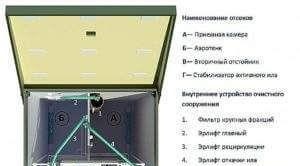
Third compartment
The mixed liquid enters this container. The water and sludge are separated in a pyramidal device. The unwanted sediment settles to the bottom, and the bacteria are recycled into the initial block.
The fourth compartment
This section is called the receiving section. It receives clarified water, which has been freed from organic matter in the previous tanks. When the liquid reaches the outlet, it is released into the environment. If the water remains inside, it undergoes further purification.
Why is activated sludge needed?
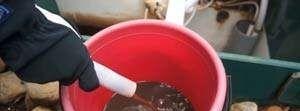 Activated sludge is a mixture containing microorganisms that carry out purification. The bacteria further decompose fecal matter. For these bacteria to function, oxygen is required. In this station, aerobic bacteria, supplied with oxygen by the equipment, perform the decomposition of organic matter.
Biological sludge treatment combined with fine-bubble aeration produces excellent results. Bacteria work to produce clean and clear water after treatment. The bacteria that destroy organic matter are completely harmless and multiply quickly.
Rules for operation and maintenance of the station, sludge removal
To ensure your septic tank serves you for many years, you must follow the instructions for use and ensure proper maintenance of the device.
Watch the video: Choosing a septic tank: pros and cons
It is worth paying attention to the following recommendations:
- Avoid allowing alkalis or acids to enter the system. These substances destroy aerobic microorganisms.
- Rotten products or fungi should not be allowed to enter the tanks. As they decompose, organisms are created that can damage the system.
- Solid particles, stones or sand may cause damage to the device.
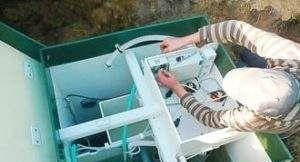 A stand-alone sewer system requires special maintenance, including pumping out excess sludge. This procedure should be performed several times a year. The sediment is removed using drainage pumping equipment.
The used sludge can be used as fertilizer for non-fruit-bearing plants. Additionally, the filters must be cleaned monthly. The compressor membranes are replaced annually. Every 11-12 years, the system must be completely cleaned, and the aerators must be replaced.
Removing sludge doesn't require a vacuum truck; it can be done with a pumping device. First, remove the suction hose, loosen the fasteners, remove the plug, and then pump it out. Then, add water to the sump to the required level.
Maintenance principles of the Topas septic tank
Watch the video – a diagram of the Topas septic tank operation
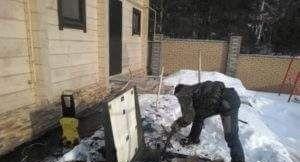 A septic tank requires regular maintenance. Maintaining a Topas septic tank requires no special skills. The following operations are accessible to any owner:
- Inspection of the station operation.
- Visual assessment of water purity.
- Removal of waste material from the receiving tank using drainage equipment or an airlift.
- Replacing the compressor membrane.
- Cleaning the container from unprocessed waste
All these actions need to be performed 3-4 times a year.
Features of preserving a septic tank for the winter
The system can operate effectively only if the microflora is supported by nutrients in the form of fecal waste. Otherwise, beneficial organisms will die. If the equipment is installed correctly, it will be frost-resistant.
Before winter, the Topas septic tank undergoes special preservation. To protect the equipment from ice buildup in the tanks, the hatch should be insulated. A sealing material such as foam, mineral wool, or hay is used.
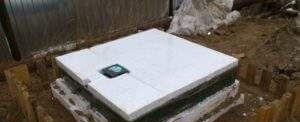
It is important to follow these rules:
- The hatch should be opened quickly. This will prevent the containers from freezing.
- It is not recommended to drain the system during cold weather, as the soil constantly shifts, which can push the septic tank to the surface and cause pipe failure.
- Elements that are on the surface should be removed.
Preservation is performed if the equipment will not be used for several months. To ensure normal microbial activity, the unit can be used 1-2 times a week.
Stages of winter preservation of the Topaz septic tank
Before the procedure, it is recommended to turn off all water taps and stop using the sewer.
Preservation of the Topas septic tank for the winter includes the following steps:
- Turn off the power to the equipment. To prevent the device from starting accidentally, it's best to disconnect it from the main circuit breaker.
- Liquids are pumped out of the tanks, ensuring all instruments remain on the surface. The accumulated debris is then removed. This can be done with a brush.
- Disable auxiliary mechanisms. Devices must be stored very carefully to avoid damage.
- Before disassembling, it is recommended to draw a diagram to avoid mixing up the parts when reassembling.
- Then the containers should be filled with water to 75%.
- After this, the hatch is insulated. It's important to protect the material from precipitation, as only dry insulation will be functional.
- The removed device is cleaned, lubricated, and disassembled. Individual components should be wrapped in dry cloths and stored in a dry place.
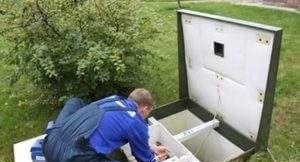 If the building is not planned to be heated during the cold season, it is recommended to move the appliances to another heated room. After this procedure, the microorganisms enter a state of suspended animation.
And when the temperature rises, they will quickly return to normal operation. To stimulate this process, you can add a little kefir to the container. The station is restored to normal operation after the temperature stabilizes.
After the equipment is installed, the system is filled with water and started. The bacteria will develop their properties within a couple of days of connection.
Operating recommendations
The Topas septic tank for a summer residence requires specific operating conditions, adherence to which will extend the equipment's service life. First and foremost, it's crucial to periodically pump out the sludge. Failure to do so will cause the tank to overflow, and residual sediment will contaminate the treated liquid. The sump should always maintain a proper water level.
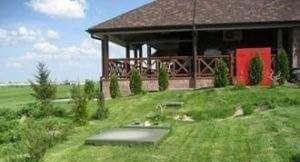 Failure to follow operating instructions may result in equipment failure. Repairs are required in the following situations:
- If dirt and an unpleasant odor appear, the entire device must be rinsed.
- Wiring problems can cause a short circuit in the sensor or compressor. Complete wiring replacement will resolve the issue.
- If water is leaking from the unit or, conversely, seeping in while not in use, the plumbing should be checked. The problem could be clogged pipes, a leaky seal, or floodwater. This may require plumbing repair, clearing blockages, or pumping out excess fluid.
- If the structure has flooded, the drainage system should be checked. A new pump may need to be installed.
- The activation of the emergency sensor indicates a malfunction of the airlift. In this case, it is recommended to inspect the station.
It's important to check the functionality of all equipment. If the system has one compressor, it should operate continuously. If there are two units, only one will be activated. This is determined by the phase of the cleaning cycle. If any units fail, a system diagnostic will be required.
When the float is positioned at the top, bubbling should occur in some containers, and when positioned at the bottom, bubbling should occur in others. If this isn't the case, the equipment needs to be tested. If the system is equipped with a pump for forced water drainage, its functionality should be checked periodically. This can be done by raising the switch to the top position.
The device should turn on, and the water should drain quickly. Please note that using the station during frequent power outages is not recommended, as regular outages can cause system failure.
Watch the video to learn how to clean and maintain a Topas septic tank yourself.
We do not recommend attempting to repair the structure yourself. This could lead to more serious damage. In some cases, it is better to contact specialists with specialized diagnostic equipment and extensive experience in this area.
If the operating and maintenance rules are followed, the Topas septic tank will last for many years and effectively recycle contaminated water for reuse for technical purposes.
We installed this exact septic tank ourselves near our house. I couldn't be happier; there's truly no odor. So far, no complaints. We'll see how it performs this winter.
After wintering, I always use the bio-product "Bio Starter" to start up my septic tank in the spring. Thanks to this, my septic tank starts up quickly and efficiently.