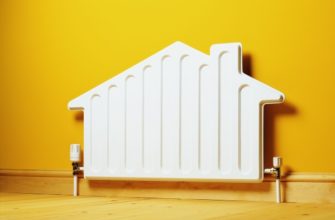
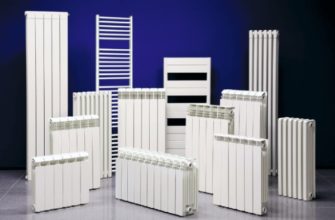
Heating radiators are found in every living space. In a standard layout, they are located under the window opening. Such structures look unsightly and detract from the room's décor.
That's why many people prefer to hide them. There are several options for decorating a heating system. Let's take a closer look.
- Best options
- Decorative screen/box made of HDF
- Close it with a plasterboard box
- Furniture
- Fabric curtain
- Screen made of natural wood
- Glass screen
- Metal box
- With a rattan box or screen
- Hanging metal screen
- Plastic panel
- How else can you close the batteries?
- How to properly close batteries – technical rules and tips
- Examples in different interior styles
Best options
Decorating heating radiators is a challenging task, though it may not seem so at first glance. It's important not only to conceal the unsightly appliance but also to maintain a comfortable temperature in the living space.
There are several factors to consider:
- closed batteries produce less heat;
- It is important that the sealed battery is always accessible in case of malfunctions.
Decorative screen/box made of HDF
The most popular way to conceal a radiator. It's popular because the material is inexpensive and attractive.
A device positioned in a recess or mounted under a windowsill can be concealed under a screen. It's also possible to cover only the front of the radiator. It's made of perforated HDF sheet.
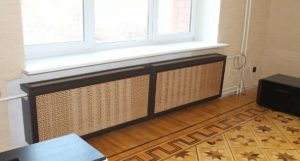
The box is a different story—it can enclose the radiator on all sides and hide it from prying eyes. The material used is MDF.
Advantages:
- the material fits into any interior;
- high resistance to heat waves;
- You can install it yourself, no need to resort to the help of a specialist;
- wide selection of colors.
Flaws:
- prolonged contact with water is prohibited;
- lack of resistance to mechanical impacts;
- The material's edges are not painted during the production process and look unsightly even if you paint them yourself.
You can purchase a ready-made box or screen. It's also possible to order a custom design. The main thing to remember is that the niche size must match the size of the inside of the screen.
Close it with a plasterboard box
The principle of working with drywall is the same as with decorative casing. It also covers all sides and can be made independently. The only difference is that the external appearance of drywall leaves much to be desired.
Advantages:
- the material used to create the box is environmentally friendly and does not release harmful substances into the environment;
- can be installed in rooms with high humidity;
- availability, building materials are available in any specialized store and are inexpensive;
- You can close not only the batteries, but also the pipes leading to them;
- If you use your imagination, you can construct an additional shelf.
Flaws:
- the material is resistant to impacts of varying strength;
- By installing such a box, some space will be lost, since the structure must be extended 30 cm in front of the extreme point of the radiator.
It's best to install such a box during the renovation phase, or plan the interior design in advance. Otherwise, the wall finishes may clash with the box's configuration.
Furniture
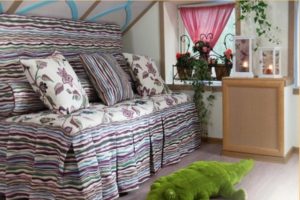
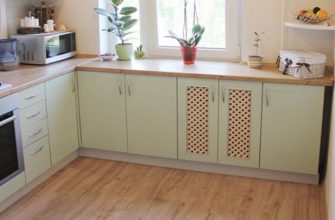
If you're talking about a kitchen where the radiator is located under the windowsill, you can insert a kitchen unit or a bar counter into the socket. In the bedroom or hallway, a ottoman, bench, console, or shelving unit can help conceal the radiator.
In the rest room, everything is much simpler - just move a large object (a sofa or armchair) so that the heating device is not visible.
The only requirement in all cases is that there must be a space or several openings for air circulation. Otherwise, condensation will form on the kitchen window, and warm air, when it encounters a barrier, will not be able to spread throughout the room.
Advantages:
- there is no need to spend money on purchasing additional elements;
- the interior will not change in any way.
One of the disadvantages is the fact that not every layout allows you to place furniture in such a way that it can hide the radiator.
Fabric curtain
Residential owners rarely resort to this method. It's more suitable for rental properties or as a temporary measure. Any fabric can be used to conceal the radiator, preferably one that matches the interior. However, the most important requirement is that the material be breathable.
Advantages:
- You don't need to buy a screen;
- You can change the curtain regularly depending on your mood;
- If you buy fabric, it is inexpensive;
- the battery always remains freely accessible.
Cons: This design looks cheap and bland. Sometimes, fabric on the wall can actually be eye-catching.

Screen made of natural wood
Natural wood is a timeless and timeless material. By creating a screen (or box) from it, you can forget about renovations for years to come. Just be sure to consider whether the wood will complement the other decor elements in the room before installation.
Advantages:
- beautiful and expensive appearance in any design;
- environmentally friendly material;
- good heat transfer and heat storage capacity.
Flaws:
- wood may swell if you buy poor quality wood;
- a wooden box requires special care;
- high cost.

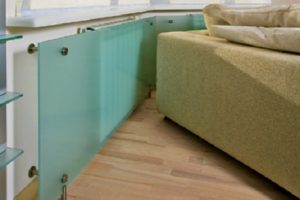
Glass screen
A glass screen is an excellent decorative solution. However, before choosing this material, it's worth considering its thermal properties. They are extremely low, which can affect the room temperature.
Advantages:
- You can choose a screen to suit any interior; the market offers a huge variety of different decorative glasses;
- the material adds airiness to the space;
- easy to care for;
- strength;
- long service life;
- heat and moisture resistance;
- environmental friendliness.
Flaws:
- not suitable for rooms with a classic interior;
- absorbs some of the heat;
- it's expensive;
- gets dirty quickly, leaving fingerprints and marks from pets.
It's best to leave glass panel installation to professionals. There's a high risk of damaging the expensive screen.
Buy only tempered glass and only in one case - if the heating in the room is excessively active.
Metal box
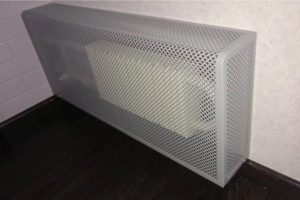
Metal is a good conductor of heat, so a box made of this material won't affect the temperature. Regular sheets would look out of place. Therefore, it's best to have such boxes custom-made by companies that can add a unique touch, such as laser-etched patterns.
Advantages:
- looks expensive, although the cost of the box is low;
- easy to care for;
- complete moisture and heat resistance.
There's just one drawback: the appearance isn't exactly flattering. The space looks more like an office, but that all depends on the interior design.
With a rattan box or screen
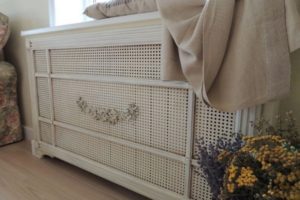
Rattan is a type of wood. However, when it comes to screens made from it, rattan refers to a synthetic material. It's very similar to natural rattan, but lasts longer and can be painted any color.
Finding natural wood wicker is extremely difficult and very expensive. However, sometimes it makes more sense to buy this material for making a box, even though the lifespan of this product will be shorter than that of a synthetic material.
Advantages:
- environmental friendliness;
- attractive appearance;
- strength;
- elasticity;
- good heat transfer performance.
Flaws:
- If you use a densely woven mesh, this may affect heat transfer;
- such a screen will be afraid of water.
Despite its drawbacks, rattan makes the most beautiful homemade boxes and screens.
Hanging metal screen
The metal structure consists of a cover and a screen. It is hung on top of the radiator without any fastenings.
Advantages:
- easy to install, no need for specialist help;
- If an accident occurs, the screen can be easily removed, the process takes a few minutes;
- availability – budget cost, metal is available in any hardware store;
- long service life;
- does not absorb heat.
Flaws:
- the ends of the heating device will be visible;
- there is no decorative effect, so the screen looks boring;
- If you buy a low-quality product, rust will quickly begin to form on it.
Pay attention to the coating. Metal sheets are usually coated with enamel, which should be scratch-resistant.
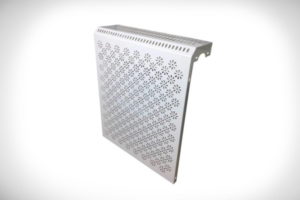
Plastic panel
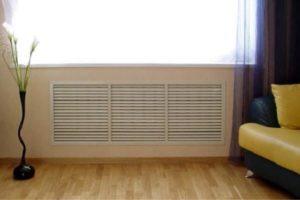
This is the cheapest and easiest way to conceal a radiator. Installation takes just 10 minutes. To ensure a high-quality screen, ensure it is heat-resistant and non-toxic before purchasing. Various types of plastic are available.
If the standard color of the material does not suit you, you can paint the panel in any tone, but you can only use specialized spray paint for plastic surfaces.
Advantages:
- You can change the dimensions of the purchased panel yourself;
- low price;
- Suitable for rooms with high humidity.
Flaws:
- simple appearance;
- Over time, plastic turns yellow.
How else can you close the batteries?
In addition to plastic, wood, metal, etc., you can use other materials to create an interesting interior solution – camouflaging a heating radiator.
Some non-standard methods:
- Forged products. Forged iron is traditionally used to protect window openings. It can also be used as a radiator panel, but choose a small pattern to best conceal the radiator. The design must be custom-made.
It will be expensive, but it will last for many years. - Painting. The color is chosen depending on the wall's shade, but can be identical or complementary. Only specialized compounds are suitable for this job.
- Floor-length curtains. The method is similar to using curtain fabrics. The pros and cons are the same. It's recommended to use tightly woven tulle or colored curtains. If you have a sense of style, you can create a curtain that will look attractive.
- Drawing. Using stencils or their own creativity, some homeowners apply designs to radiators. The specific image chosen depends on the interior's style.
Main - use thermal paint, which is not capable of melting under temperature and does not emit toxic substances. - Decoupage. This is a technique for decorating objects by inserting a picture or drawing and then coating the attached composition with varnish or paint, preserving the object's original appearance. Essentially, it's the same as painting, but the process involves not only paint but also fabric, hot-melt adhesives, and small objects (such as twigs, leaves, etc.).
How to properly close batteries – technical rules and tips
When trying to conceal a radiator, don't forget about the technical details of the device. Its main purpose is to create a comfortable temperature in a living space. To ensure that these qualities are not lost, keep the following rules in mind:
- Any screen, box, or curtain reduces heat output. Therefore, it's best to avoid blind panels. The temperature shouldn't drop by more than 1 degree.
- Before starting the masking procedure, clean the battery from dust, blow it out, and wash it.
- Decorate at the end of the heating season.
- When choosing a material for your screen, choose one that conducts heat well.
- To reduce heat loss, the screen can be installed on legs and a groove can be made in the middle.
- Convective airflow should not be blocked, as this can lead to mold growth. Ideally, the window sill overhang should extend no more than 30 mm above the radiator, with the upper and lower sections as open as possible.
- The distance between the screen and the radiator is 35-50 mm. The gap between the heating device and the window sill is 60-70 mm.
- The grille should be designed so that it can be opened, quickly removed or pulled out.
- To ensure trouble-free maintenance, the following must remain readily accessible: connection points to pipes, valves, thermal head and threaded connections.
Examples in different interior styles
Radiator concealment can be done in any living space, regardless of interior design. Examples:
- Modern style. These include high-tech and minimalist designs. The optimal solution is panels made of glass, wood, or metal.
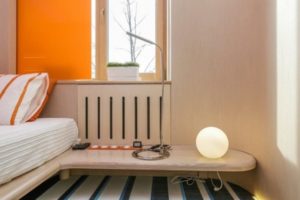
- Classical. In this case, it's worth focusing on natural materials. They will highlight the sophistication of the design. Natural rattan or wood look ideal.
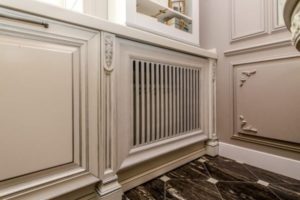
- Provence. The style is associated with pastel shades of lilac, tenderness, and sophistication. The neat wooden weave creates harmony. This material is also recommended for country, chalet, and eco-friendly styles.
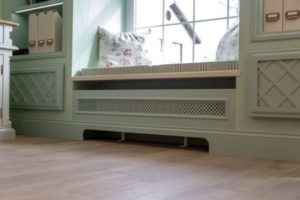
- Scandinavian. There is only one solution: light-colored wooden gratings.
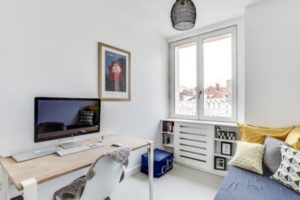
- Loft. In such spaces, it's not common to cover radiators. Old, unpainted fixtures, on the contrary, add a special charm to the space. Metal or forged materials are suitable.

Radiators are an integral part of any living space. Even modern models can disrupt the integrity and appearance of the interior. Therefore, many choose to conceal their radiators. There are many options, but it's important to choose one that won't compromise the heating appliance's performance.