Noise in radiators is a common occurrence, but it doesn't always indicate a malfunction. Sounds such as gurgling or bubbling are considered normal when the heating system starts up.
If the noise does not stop within a few days, then it is time to start eliminating it.
Types and causes of sounds in heating system pipes
Sounds that stop within a few hours are considered normal. This is due to water flowing through the pipes, encountering obstructions, and resulting in noise.
The endless "interference" requires an analysis of the system's operation to identify the cause of this defect.
Humming
The humming sound is caused by the riser. Every second homeowner encounters this problem. The sound is clear and distinct. The hum can be caused by several factors:
- A narrowing in the heating system is the installation of pipes of different diameters, a completely closed tap or valve.
- There is a leak, which means the integrity of the system is compromised.
- Plumber's mistake. Example: utility workers fail to completely shut off the drain in the basement.
- Neighbors' actions. Some people regularly drain their radiators. This increases the heating temperature or uses the technical fluid for household needs.
If you hear a humming sound, wait a while. If the noise persists, you need to start looking for a leak. It could be in your apartment or your neighbors'. It's recommended to inspect the drains and elevator in the basement. Once you find the leak, fix it yourself or have a plumber fix it.
If no leak has been detected, look for a narrowing. Here, you'll have to rely solely on your ears. Fighting neighbors, as experience shows, is difficult.
Whistling
This noise can be caused by vibration resonance from the pump. Another possibility is faulty faucets and valves. The radiators will stop emitting the shrill noise once utility workers find the cause of the vibration and fix it.
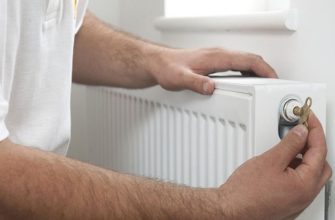
It's easy to identify the noise coming from a valve or tap: turn the handle, and the whistling sound will increase or become less loud.
It's a good idea to inspect the components; a problem isn't always due to a breakdown. Even new system components can make noise. You might not need to buy new parts; you'll just need to have them repaired under warranty.
Murmuring
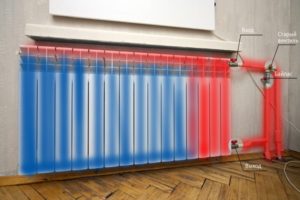
The gurgling sound of a heating system resembles water running through pipes. This sound occurs when the heating system isn't fully charged. The gurgling sound in the system is caused by air movement—when adding coolant, or if there are gaps in the pump seals, shutoff valves, or leaks.
The unpleasant noise is not only observed in one apartment; it can be heard on many floors.
What to do:
- Bleed the air at the highest point of the riser, i.e., on the top floor. Some houses have bleed valves installed in the attic.
- You can bleed the air from the radiator connected to the riser. If the house is densely populated, you'll need to do this three times.
- If a gurgling sound is still heard after bleeding the air, it's likely a neighbor's fault or a leak in the basement. A leak-like noise indicates a significant loss of water.
Before panicking and resorting to drastic measures, check with the other residents. Someone may have left the apartment for a few days, and water is dripping onto the flooring, or neighbors are flushing the radiator.
Clicks
Clicking sounds can occur when two objects collide, such as a radiator with its fasteners or a pipe with a sleeve when passing through walls and ceilings. This is because pipes and heating components tend to expand when heated.
The expansion ratio fluctuates regularly throughout the day, and the mechanism components shift apart and creak. There's only one solution: inspect all heating system components, secure the pipes where they're attached, and perhaps add additional fasteners (loose bolts can also make noise).
To ensure sound insulation, install gaskets made of rubber or fluoroplastic. Place them where the pipe meets the wall. Pay attention to the areas where the pipes pass through partitions when installing heating systems in sleeves. If the material is soft, it won't produce noise.
Knocking, clicking
This sound is typically heard in radiators, not pipes. The noise resembles soft clicks or pops. Its intensity can vary. The most common causes are:
- Debris or iron build-up (scale).
- Minor shift of the battery and pipes during heating and cooling (at the time of expansion).
- Defects in valves.
Foreign particles caught in the heating unit while moving in a small stream of water cause the particles to touch the walls. The result is a chaotic but distinct knocking sound. Rarely, the sound can be heard in the pipes. There's no need to remove the objects—they will float away with the water flow.
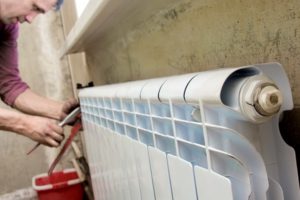
It's recommended to try flushing the radiator (not every radiator can be flushed). There's only one way: shut off the coolant supply to the radiator, disconnect it, drain the coolant, flush it, and then return everything to its original position. It wouldn't hurt to do this. bleed off air.
In a situation where the battery cannot be removed, you will have to drain the entire riser, remove the radiator and buy a new one.
Rattling
This sound is caused by small, frequent clicks. They occur due to vibrations from poorly secured heating units and piping. Solution:
- Secure all system parts.
- Screw the screws into the dowels.
- Place the gasket. Places: all those where the parts touch.
- Seal the pipes in the sleeves with soft material.
What other sounds could there be?
The above-mentioned types of noise in a heating system are the most common and can be eliminated independently. There are also sounds that occur rarely, but are still annoying and indicate a malfunction, and only a utility service technician can fix them:
- Hum. It's barely audible, but constant and annoying. The cause is vibration caused by a malfunctioning pump.
- Howl. This occurs during strong vibrations. These vibrations are associated with jolts when the pump is running. Residents of apartment buildings should report the noise to their housing and utilities representatives. Otherwise, the noise will only get worse.
- Seething. The noise can be compared to the vigorous boiling of water. The cause is a large volume of air entering the heating system as a result of a coolant discharge or a leak that occurred below your floor.
- Crackling. The sound isn't particularly loud. It's caused by microparticles of iron, sand, or debris. Even utility workers usually can't control this kind of noise.
- Hiss. This can occur in pipes and radiators. The cause is a hole in the components through which water escapes and air enters the system. This problem can be solved independently. Simply find the leak and seal it.
What to do if there is noise and where to go?
The only time you don't need to contact your utility company about a problem is if your home has an individual heating system. This is the property of the homeowner, and responsibility falls on their shoulders.
Even filing a complaint with the management company won't change the situation. If the owner lacks the skills to operate the heating system, they have no choice but to call a technician and pay for their services.
If extraneous noises are noted in an apartment with central heating, the first thing residents should do is report the problem to the management company. Finding the number is easy; it's listed here:
- on information boards at the entrance;
- in receipts for payment of services;
- in the agreement for the provision and use of a number of services;
- on the Internet;
- in residential complexes (the management company representative is located in a specially designated office).
Unscrupulous organizations often ignore calls and continue to take no action. In these cases, the only solution is to contact the company's head office with a written complaint.
If the owner has documents confirming the acceptance of the heating system, workers must immediately conduct diagnostic work to determine the cause of the noise. This service is provided free of charge.
If the management company has failed to fulfill its direct responsibilities, then complaints can be filed:
- to the housing inspectorate;
- court;
- prosecutor's office.
The refusal of management company employees to carry out work, correct their mistakes, or respond to residents' complaints is a violation of Federal Law.
Noise sources
Noise in a heating system can be caused by a number of reasons. These can be grouped into:
- External factors. Such as vibrations in the hydraulic system, resonance in the elevator unit, leaks in the basement.
- Structural failures. For example, insufficient fixation of parts, incorrect installation of small and large components, ingress of foreign objects and particles, deformation of shut-off valves.
- Violations of operating rules. Draining technical water, flushing the radiator during the heating season.
- Airing. Often noise occurs due to poor sealing.
Expert advice on preventing extraneous noise and sounds
A number of unpleasant sounds can be eliminated independently or their occurrence can be prevented even at the stage of installing the radiator and the heating system as a whole.
Experts advise following the rules:
- If pipes need to be replaced, use pipes of the same diameter as the old ones. This applies to radiators in apartment buildings where the connection is made without a bypass.
- Turning off the appliance's water supply is prohibited. This will leave your neighbors without a heat source.
- Do not use thermostatic valves without a bypass.
- It's better to buy radiator valves instead of taps.
- Avoid all kinds of valves.
Heating system maintenance
In some cases, preventative measures can help avoid annoying noise. The first thing to remember is to flush the heating system before connecting it. This ensures free circulation of the coolant.
Over seven years of seasonal operation, a radiator's mechanism accumulates a deposit approximately 7 mm thick. This deposit negatively impacts the appliance's efficiency by 30%. Plastic pipes are also susceptible to scale buildup.
Flushing is usually carried out independently by the owners of residential premises (in the case of a private house) or by specialized services (if the building is an apartment building, you should submit a request for flushing to the management company).
Before installing the radiator for the first time, perform a pressure test and thoroughly inspect it to ensure it is free of defects. Frequent battery replacements are detrimental to the system. Therefore, it's best to purchase a high-quality, expensive unit to reduce the likelihood of noise.
Heating system noise is a common occurrence, causing irritation and stress. Sounds lasting several hours are normal. In other cases, the homeowner needs to identify the cause and try to rectify the problem. In some situations, only utility services can fix the problem.