Every homeowner with hydronic heating should know how to bleed a radiator. The problem is that air trapped in the radiator becomes an insurmountable obstacle, blocking the flow of coolant.
As a result, the heating radiator ceases to function properly, that is, all or part of its surface stops heating up and transferring heat to the surrounding space.

To eliminate this phenomenon, you need to bleed the radiator. This article will discuss how to do this promptly and effectively. This procedure is relatively straightforward if the heating system is properly installed, taking into account all the specific features of hot-water heating systems. Throughout the heating season, it's necessary to perform this type of preventative maintenance from time to time.
- Causes and signs of air locks in the heating system
- Dangerous consequences of air in heating batteries
- When to bleed air from batteries
- How to bleed air from heating radiators in an apartment
- Bleeding air from radiators using a Mayevsky valve
- Removing air using an automatic air vent
- Bleeding air in older houses with cast iron radiators
- Bleeding air through the thermostat
- How to bleed radiators in a private home
- Preventing air locks
- How to bleed old-style radiators
- How to bleed different types of radiators
- Aluminum
- Steel
- Bimetallic
- Cast iron
- Copper
Causes and signs of air locks in the heating system
The formation of air locks inside radiators is primarily associated with the start-up of the heating system at the beginning of the heating season and after major repairs. However, experience shows that air locks can also occur during intensive use of the heating system. There are several reasons for this:
- unscheduled repair work (assembly and disassembly) of heating system elements;
- overheating of the coolant, resulting in the release of gases that will air the batteries;
- use of contaminated coolant containing air impurities;
- filling the system with additional water;
- the connection points of radiator elements and pipelines begin to leak water;
- During installation of the heating system, the horizontal alignment of the radiator manifolds was not maintained;
- lack of automatic air bleeding;
- clogging of internal passages in radiators with rust;
- low pressure in hot water pipes.
Signs of air lock may include:
- Cold areas of the battery surface are felt tactilely;
- The room temperature drops;
- In autonomous heating systems, an increase in fuel consumption becomes noticeable;
- You can hear the coolant gurgling and murmuring in the radiators.
Dangerous consequences of air in heating batteries
Gas accumulation in the heating system leads to air locks. The radiators become cold, and the pump is unable to force the coolant through the air locks. This can lead to failure of not only the pump but also the boiler itself. The lack of proper water circulation in the system will cause the radiators to overheat and eventually fail.
Don't know where to complain if the radiators in the apartment are cold?
In areas with small air pockets that don't significantly affect radiator heating, corrosion can develop. Oxygen actively bonds with the radiator metal, causing rust and damage to the radiator's wall.

Uneven heating of the metal causes deformation stress, which negatively impacts the tightness of the connections between radiator components and pipes. This results in leaks in the system, and hot water leaks out.
When to bleed air from batteries
Any gas is much lighter than water, so when it enters the radiator, it begins to accumulate at the highest point. If this process continues, the air begins to expand and lower the water level. As a result, 50% or more of the radiator's volume may remain without water. The heating system practically ceases to function. Therefore, it is imperative to bleed the radiators in any case.
To know when to bleed the air from heating radiator In a multi-story apartment building, it's important to understand when it most often gets there. This happens under the following circumstances.
- At the end of the summer heating season, heating utilities perform preventative maintenance, draining the coolant from the system, either partially or completely. Before the onset of cold weather, new water is added to the system. This water also introduces gas mixtures into the radiators.
- In the summer, homeowners often repair their independent heating systems themselves. This can lead to air leaks into the system.
- In apartment buildings with cast iron radiators, water is drained during the summer. This is done to avoid replacing the gaskets between the registers. If the coolant is left in the system, old radiators may leak (find out What to do if your radiator is leaking?) at the section joints due to cooling water and pressure drop. When the heating system needs to be restarted, a large amount of air will enter.
- During the summer, the volume of the coolant significantly decreases. When the shut-off valves are opened, the negative pressure causes the incoming water to draw in gases and fill all the risers.
How to bleed air from heating radiators in an apartment
It's possible to bleed air from a heating radiator using a bleed valve. Currently, there are two ways to properly bleed the gas mixture. This is done using a Mayevsky valve or an automatic air vent. In older cast-iron radiators, blockages can only be bleeded through a regular valve or plugs.
Bleeding air from radiators using a Mayevsky valve
The latest generation of radiators, namely aluminum, bimetallic, steel, and cast iron, are equipped with manual air vents—Maevsky valves—to remove air locks. These devices are needle-type valves.
There are two types of cranes, with a rotary handle or screw. In the first case, no tools are needed, but in the second, a screwdriver is required. To reset the plugs, follow these steps in a specific order.
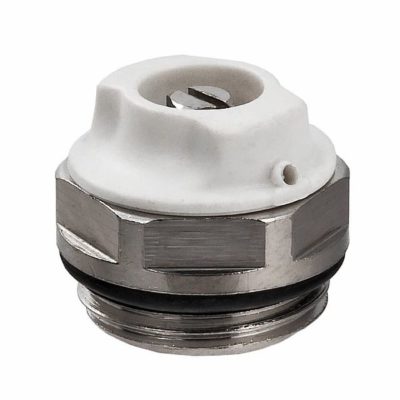
- Prepare a container (for example, a bucket), a screwdriver and an adjustable wrench.
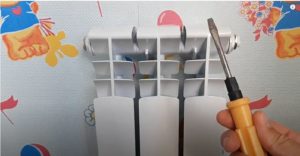
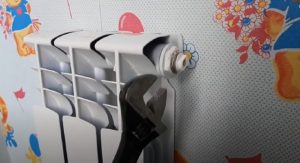
- Using an adjustable wrench, turn the plastic head of the tap until the drain hole is in its lowest position.
- A container for collecting water is brought to the bottom of the Mayevsky tap.
- The screwdriver tip is inserted into the slots of the screw and the screw is slowly turned counterclockwise.
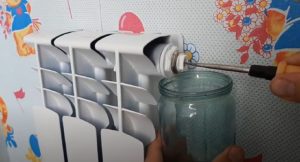
- At first you will hear the sound of air being released, then an intermittent stream of water will appear.
- You need to wait until the stream becomes continuous and flows evenly and silently.
- To stop removing water from the radiator, screw the screw back in.
- For prevention, experts advise repeating the process after 1–2 hours.
Removing air using an automatic air vent
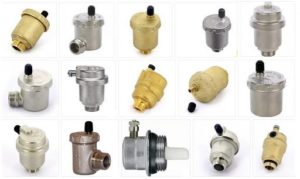
The device is often called a float due to its operating principle. The machine can be installed in either a horizontal or vertical position.
When air accumulates, the float rises and presses on the valve. The valve, in turn, releases the air, and the float returns to its original position.
Despite its convenience, the bleeder's functionality must be checked periodically. An automatic device cannot withstand the presence of contaminants in the heating medium. Therefore, these devices are generally avoided in apartment buildings with centralized heating systems.
Bleeding air in older houses with cast iron radiators
In the past, cast iron radiators were equipped with ordinary water taps for venting. These were welded or screwed into the end caps of the upper manifolds. Air was released by opening the tap. The process is almost identical to bleeding a radiator using a Mayevsky tap.
There are batteries without air vents.In this case, the air is released by unscrewing one of the upper plugs of the cast iron radiator with a wrench.
Bleeding air through the thermostat
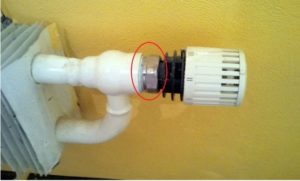
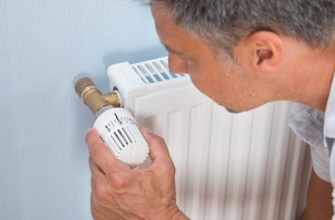
There are cases where the developer failed to install an air bleed device on the radiators, and instead installed thermostats on each radiator. You can try to bleed the air bleed device by loosening the thermostat's mounting nut.
However, it should be remembered that the sealing gasket can be damaged, the replacement of which will require draining the water from the entire system.
How to bleed radiators in a private home
An autonomous heating system for a private home differs significantly from a centralized heating network. This is because homeowners often turn to specialized companies for heating system installation. Professionals use design documentation that includes the installation of an expansion tank.

The tank is installed at a point above the entire heating system. These tanks can be open or closed. In the open type, air in the system is eliminated by simply adding coolant to the expansion tank. A closed tank is equipped with a bleed valve.

The system is mounted in such a way that air pockets are squeezed out of the radiators and rise into the expansion tank.
When the heating temperature of the coolant increases, the air collected in the tank leaves the container through the open valve.
Preventing air locks
Preventing air locks in the heating system minimizes the occurrence of situations requiring constant air bleeding. To achieve this, implement the following preventative measures:
- installation of Mayevsky taps or automatic air vents on all batteries;
- Outside the heating season, check that the radiators are correctly hung on the walls using a level. If the radiator manifolds are not level, adjust their position using shims under the brackets.
- In places of the heating system with constant air locks, float-type air bleed valves are installed;
- In autonomous heating systems for private homes, it's advisable to install water filters. Purified coolant will prevent air locks in radiators.
How to bleed old-style radiators
To this day, Russia's housing stock includes older buildings with MS-140 radiators. When these radiators were installed, they were vented using regular water taps or simple bolts inserted into sealed caps.
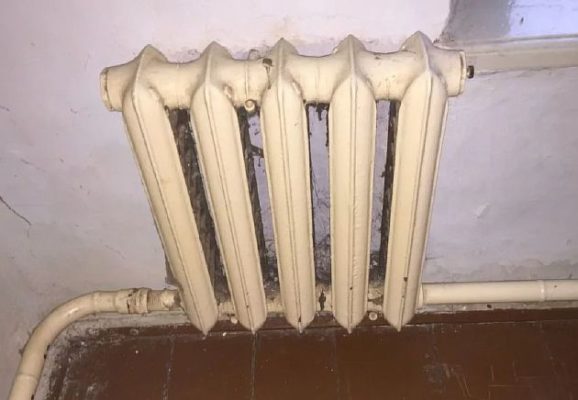
The plugs are cleared by simply opening these devices until a continuous stream of water, free of bubbles, emerges. If neither device is available, the plugs are removed by unscrewing the caps, as described above.
How to bleed different types of radiators
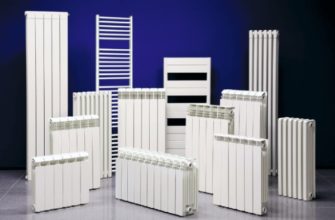
Heating devices are divided into a number of types of batteries, each with its own air bleed characteristics, based on the material they are made from – these are radiators:
- aluminum;
- steel;
- bimetallic;
- cast iron;
- copper;
Aluminum
Aluminum heating units are manufactured using molten metal extrusion. Liquid aluminum is pressed into a mold. The material is quite soft and deforms with the slightest mechanical stress. For this reason, aluminum radiators are recommended for installation in private homes with independent heating systems equipped with automatic air vents.
Steel
Steel radiators are extremely durable. Therefore, they easily withstand the installation of both Mayevsky taps and automatic valves. Sometimes, both are replaced with thermostats.
Bimetallic
Radiators with a steel body covered with aluminum alloy fins are most often equipped with Mayevsky valves. Bimetallic devices are installed in private homes and apartment buildings. Depending on local heating conditions, radiators are equipped with automatic air bleeders.
Cast iron
The brittle nature of cast iron requires caution when selecting air release devices. As mentioned above, conventional taps or bolted-in valves are typically used.
Copper
This expensive metal, although excellent in thermal conductivity, requires careful handling. Special devices based on the Mayevsky tap principle are used for copper radiators. The requirement is that the devices be made of the same metal as the radiator itself—copper.
All these features of installing devices for bleeding air from batteries made of various materials do not depend on their design, whether they are sectional, tubular, panel, plate or vacuum devices.

Everything happened exactly as described here. This summer, we had the radiators replaced in our house. Afterward, we decided to check the heating system for proper operation. We encountered problems: the system wouldn't fill with water, and the radiators were constantly gurgling. We were lucky to find this article; everything is described in detail here. We followed the instructions without any problems, and the system started working properly. Great site, useful information.
We live on the fifth floor of a five-story building, and every year at the start of the heating season, we drain the water by opening the valve on the radiators. We have three radiators, but sometimes when the owners are away on the second floor, the system doesn't heat up optimally. We have to call relatives to come and bleed the air. We're used to it, of course, but after reading this article, I started thinking about installing an air collection system. And it wouldn't hurt to replace the radiators.
Thank you so much for such a relevant and helpful article. I recently bought an apartment on the top floor of a multi-story building with cast-iron radiators. I know I need to bleed the radiators, but I don't know how or when to do it. I'd never encountered this before; I lived with my husband on the second floor, and he handled all the maintenance and repairs in the apartment. Now we're divorced, and I'm a complete novice when it comes to such household chores. Thanks to your article, I think I can handle the bleed myself.
Thank you for such a helpful article. Everything is explained clearly and in understandable language.
The article is simply superb; it's just like a guide for bleeding radiators; everything worked perfectly. And the site is generally user-friendly; I often find good advice here.
I live on the 5th floor. The radiators are old, but the drain valve or cap is installed at the very top of the radiator, and over time, the edges on the cap bolt have worn down, making it impossible to unscrew. The plumbers in the basement can drain the water, but only after persistent phone calls. The articles say the drain valve or cap is installed on the side of the radiator itself. I don't understand why the drain valve in our building is installed at the very top of the pipe. How can this procedure be simplified, so to speak, without the hassle of replacing the radiator?
If the plug or valve is located at the very top of the radiator and cannot be opened due to worn edges on the plug bolt, it is recommended to contact a mechanic or plumber to replace or repair this component. They will be able to drain the water without replacing the entire radiator. Contact them for advice and to resolve this issue.