A hydronic radiator is a heating device typically consisting of individual hollow sections within which hot water constantly circulates. Heat from the radiators enters the room through radiant heat, followed by air convection.
The first models were cast iron productsThe modern range of domestic hot water heating radiators in various designs allows developers to choose which heating radiators are best suited for their apartment based on local conditions.
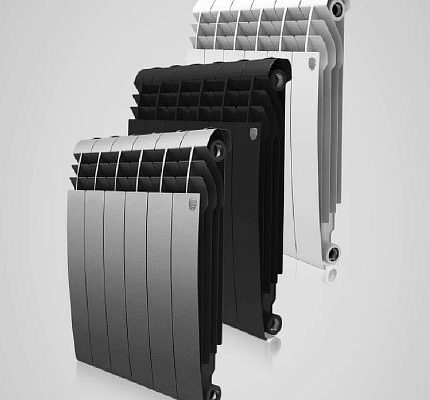
The following radiators can be installed in the apartment: aluminum, bimetallic, cast iron, steel.
However, it's not recommended to install aluminum radiators due to pressure fluctuations in the heating system; bimetallic radiators are expensive; and steel radiators cannot withstand high pressure. Cast iron radiators are the best option for an apartment.
- Types of radiators
- Material of manufacture
- Cast iron
- Steel
- Aluminum
- Bimetallic
- Copper
- Plastic
- The shape of the device and the method of placement
- TOP-17 rating
- Royal Thermo
- Global Style Plus
- Sira
- KONNER Modem
- MS-140
- Kermi FTV
- Purmo Ventil
- RETROstyle WINDSOR
- Buderus Logatrend
- Ogint Fortis
- ROMMER Al Optima
- RIFAR ALP-500
- Thermal Standard Plus
- Oasis
- KZTO
- Lideya
- Terma
- Table of the top six radiator models
- Which heating radiators are best to install in an apartment?
- Features of centralized heating
- Choosing batteries for a private home
- What to look for when buying heating batteries
- How to calculate the number of sections in a single heating radiator
- Installing it yourself: pros and cons
Types of radiators
With a huge variety of models, consumers are faced with the problem of which heating batteries are best for an apartment and which for a private home.
Types of batteries can be grouped according to the following characteristics.
- Material of manufacture;
- The shape of the device and the method of placement.
Material of manufacture
Heating devices are:
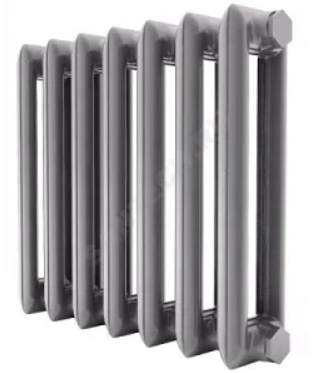
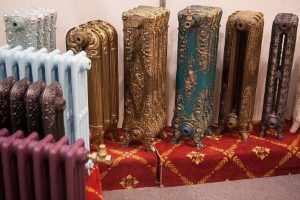
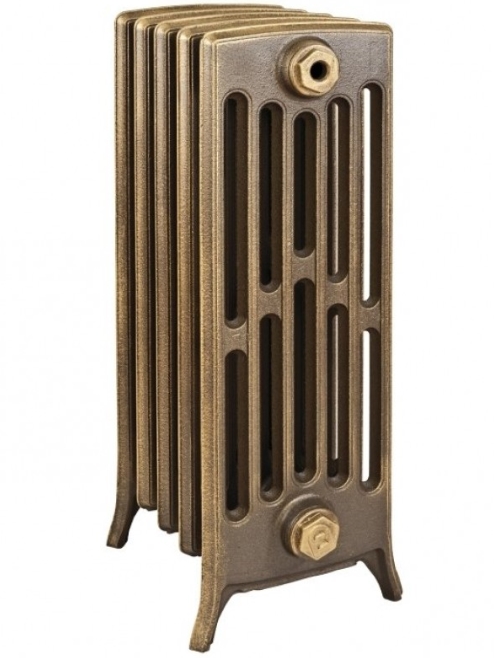
Cast iron
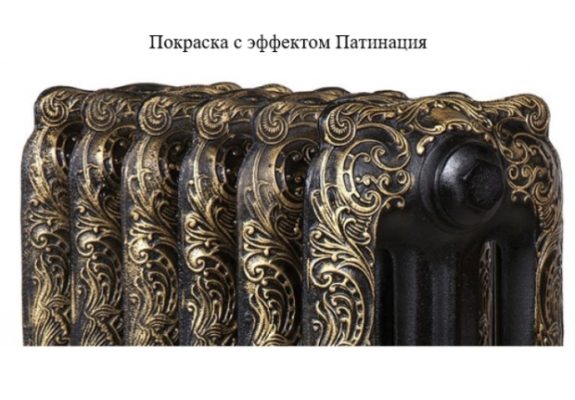
Sections of the first cast-iron heating radiators can still be seen in old apartment buildings built during the Soviet era. Their appearance left much to be desired. They were rather bulky and did not enhance the apartment interiors.
Modern devices of this type have a stylish design and high heat transfer. Due to the cast iron structure, the radiator can withstand critical pressure levels of up to 30 atmospheres (A), which saves it from a powerful water hammer and rupture of the casing.
Cast iron heats up quickly and releases heat slowly.
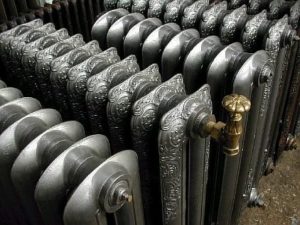
Cast iron radiators are tolerant of water quality and can withstand years of use with contaminated coolant. Their design allows for easy assembly and disassembly, allowing for varying the number of sections.
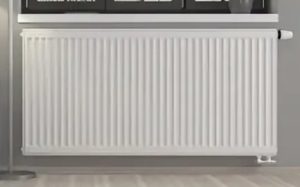
Steel
We recommend installing a steel radiator in your apartment. They're much lighter than their cast iron counterparts.
A significant disadvantage is susceptibility to corrosion.
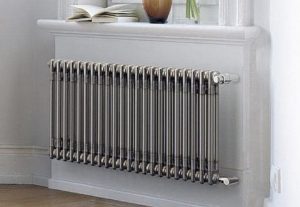
The devices are designed for a maximum coolant temperature of 900 S. Steel radiators come in tubular and panel types. Both have high heat transfer rates.
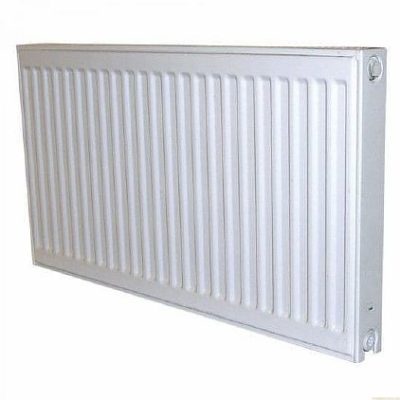
They heat up almost twice as fast as their cast iron counterparts, but they also cool down just as quickly. At the end of the heating season, water is not drained from steel radiators. This is done to prevent the internal surfaces of the radiator channels from rusting due to exposure to air.
Panel models are a non-disassemblable structure, while tubular products allow sections to be replaced or supplemented with new ones.
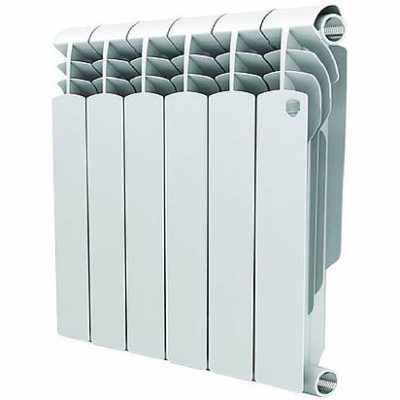
Aluminum
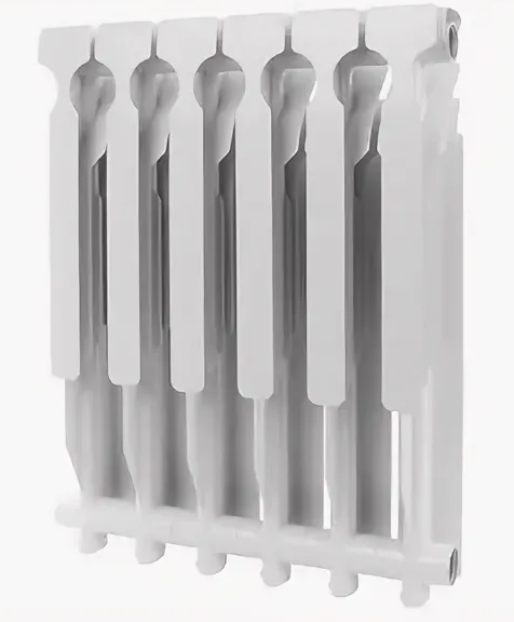
Aluminum heating units for apartments are often a budget option. The radiator, manufactured using an extrusion process, cannot be repaired. Using a technology that forces molten metal into a mold, a one-piece unit with flow channels is produced.
The undeniable advantages of these radiators include rapid warm-up, light weight, and ease of installation. The metal undergoes anodic oxidation, creating a protective oxide film on the aluminum surface.
Disadvantages include the high cost of these products and the difficulty of connecting to steel pipes using special couplings on the outside. Aluminum heaters are sensitive to the central heating fluid. Their ducts can quickly become clogged with deposits of untreated hot water.
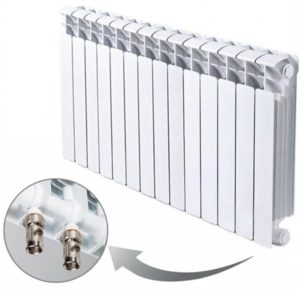
Bimetallic
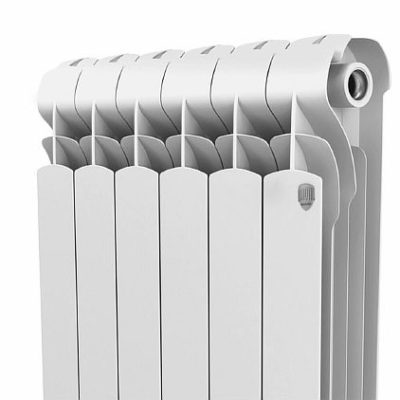
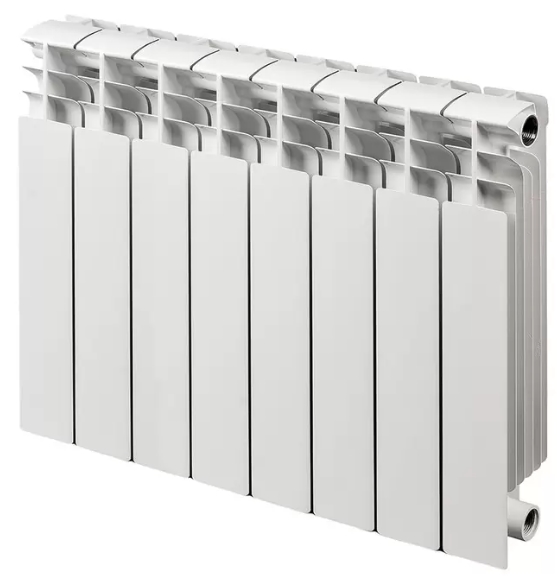
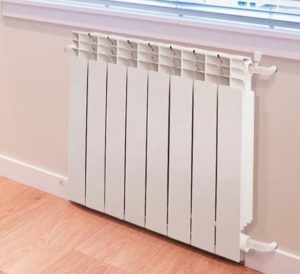
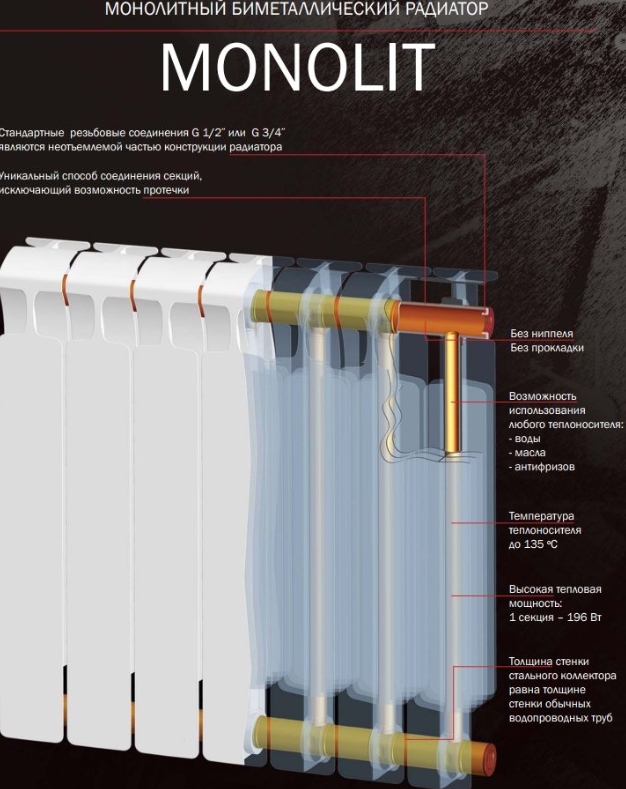
The radiator is made of two metals: steel and aluminum. The radiator core consists of horizontal steel inlet and outlet tubes with transverse tubular channels, surrounded by aluminum converter plates.
The bimetallic design combines the best thermal properties of two metals. The steel, heated by the coolant, transfers heat to the aluminum plates, which release thermal energy into the apartment's air much faster than the steel frame.
What's the benefit here? The aluminum doesn't come into contact with the heat transfer fluid, thus eliminating the risk of corrosion. This allows for efficient heat exchange and significantly increases the service life of heating appliances.
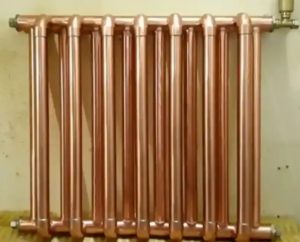
Copper
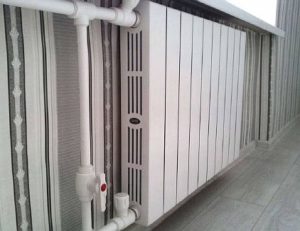
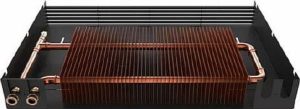
Copper is an excellent heat conductor, unmatched by any other metal. A copper heat exchanger is ideal for heating rooms. Besides looking great, the radiator lasts for at least 25 to 30 years.
The metal surface has virtually no adhesion, so even dirty hot water does not leave any deposits in its pipes.
Copper is completely indifferent to corrosion processes, withstands pressure in pipes up to 36 atmospheres and temperatures above 1000 C. The only significant drawback is the high cost of copper products.
Plastic
Plastic radiators are a new addition to the heating market. Technically, these new products still lag significantly behind their counterparts made from other materials.
The operating temperature of the coolant in them should not exceed 800 C. The maximum pressure in the heating system must be less than 3 atm.
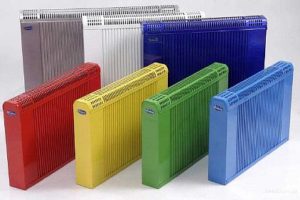
Despite this, plastic heating elements have a bright future due to their advantages. Plastic products are several times cheaper than radiators made of other materials. They are easy to connect to plastic pipes. The material can be any color, allowing you to add an unusually beautiful touch to your interior.
The shape of the device and the method of placement
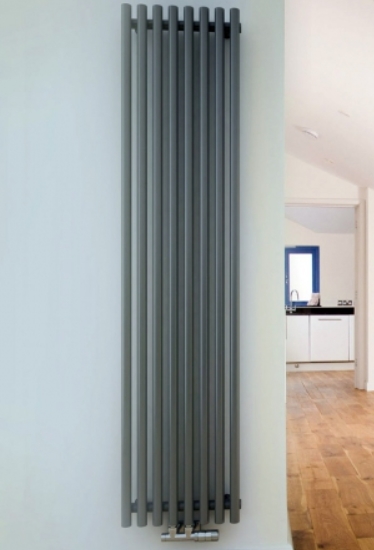
Based on the shape of the device, radiators are divided into panel and tubular products (see the “Steel” section above).
As for the placement method, floor-standing units rest on legs, while wall-mounted models are attached to vertical railings.

TOP-17 rating
Quite a few manufacturers offer their products on the Russian heating market. Currently, the list of the best heating radiators for apartments includes units from the following well-known manufacturers.
The heating radiators included in this list are best suited for installation in an apartment in a multi-story building.
Royal Thermo
One of the largest heating system manufacturers in Eurasia. The main production facilities of the Italian branch are located in the Vladimir region.
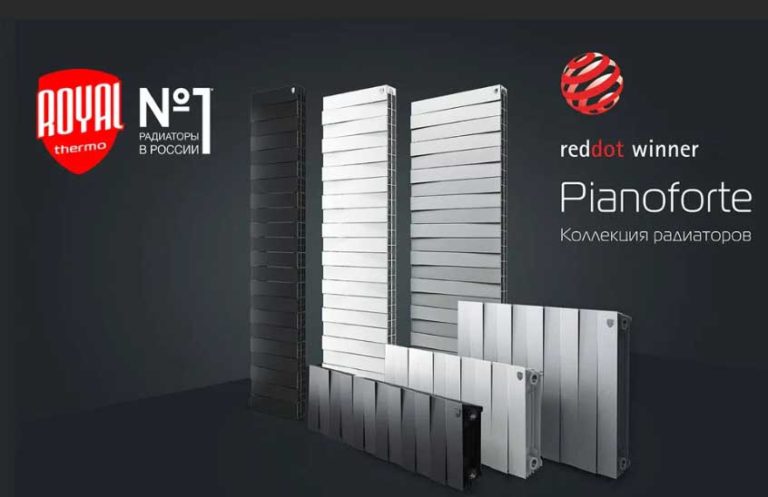
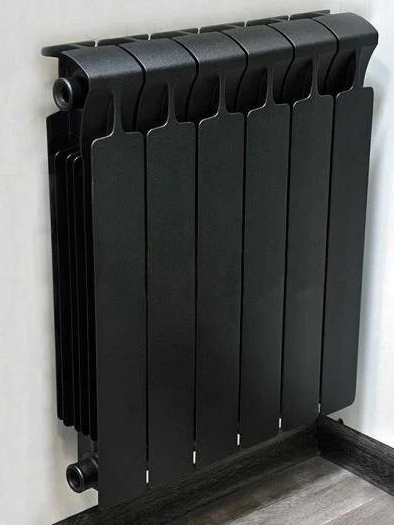
The range of heating radiators produced by the company consists of 4 standard panel models with side and bottom connections.
Bimetallic batteries can be integrated into the system heating with any aggressive coolantThe aluminum models utilize a new technology for attaching the plug to the body without welding, which is the best available today.
Global Style Plus
The largest Italian manufacturer is represented on the Russian market with a wide range of heating batteries. Bimetallic Global Style Plus radiators are installed in heating systems in the same way as steel appliances.
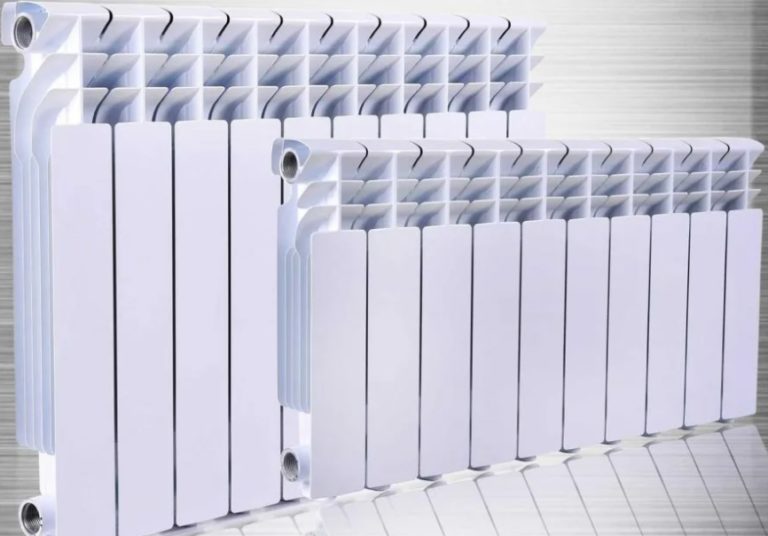
The number of sections can be easily increased or decreased directly on-site using nipples. The manufacturer also offers cast iron and steel models.
Sira
The Italian company Sira Group has been operating since 1959. Its production facilities are located in various countries, including Russia.
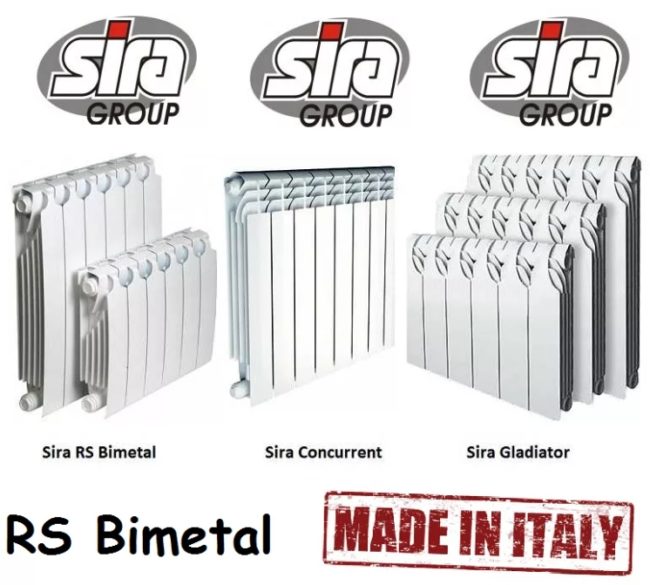
The company specializes in bimetallic Heating radiators. In the Russian heating market, it is known for models such as the Gladiator.
KONNER Modem
It is a high-quality manufacturer of heating equipment, including aluminum batteries. Models are specially designed for individual heating systems. Their operation is different high heat output, reliability and ease of operation.
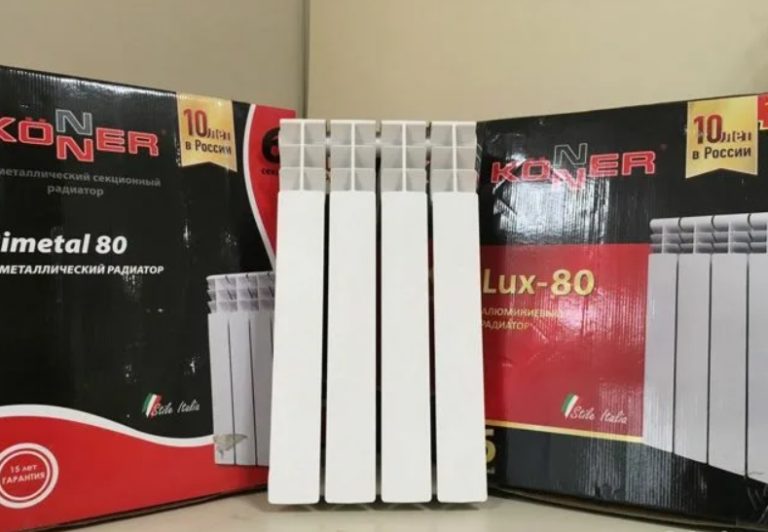
Radiators are manufactured according to international quality standards. All products are certified for compliance with Russian quality standards.
MS-140
The manufacturer, PJSC Luhansk Foundry and Mechanical Plant, still produces "Soviet" cast iron radiators. Despite their long history, cast iron radiators are in high demand on the Russian market.
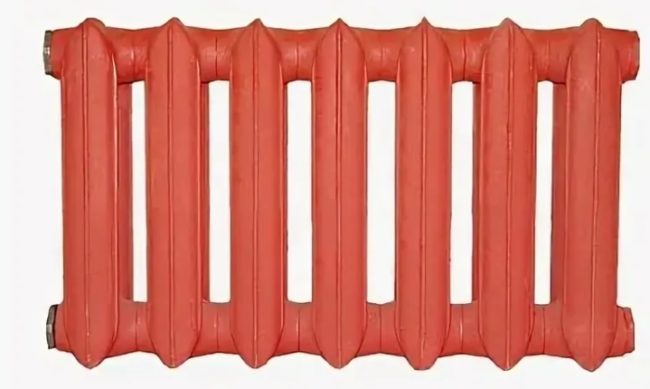
They are installed in rooms where there are no increased requirements for the appearance of the devices. These are technical premises, workshops, etc.Their appeal lies in their high thermal performance and low price.
Kermi FTV
Kermi steel panel radiators attract customers with their unique combination of affordable price and beautiful design.
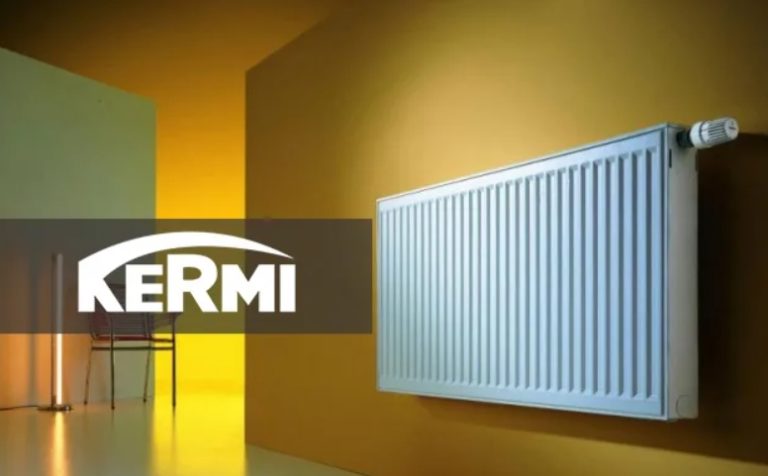
The products can be divided into two groups: side-entry and bottom-entry devices. All are equipped with Mayevsky taps, plugs, and wall mounting kits.
Purmo Ventil
The Finnish company Purmo Ventil is one of Europe's leading suppliers of heating systems, including residential hot-water radiators. The company is constantly involved in the development of innovative HVAC equipment solutions.
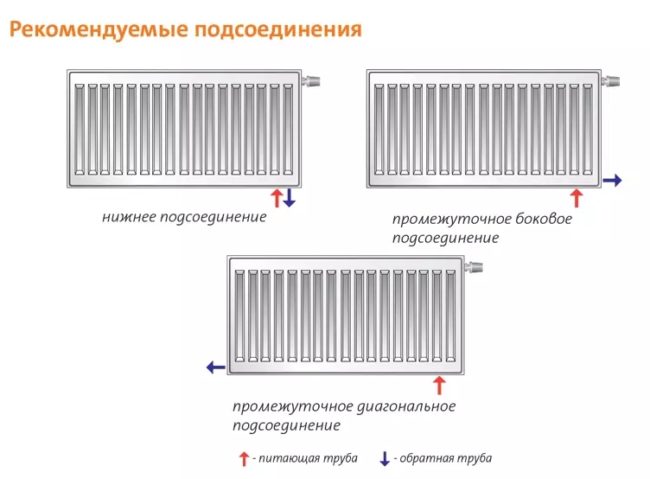 Steel panel radiators with convection elements covered at the ends by protective strips can be connected either from the side or from below. For this purpose, the panel has two lower openings with internal threads or two hot water inlets on each side.
A distinctive feature of the models is the presence of thermostatic valve inserts.
RETROstyle WINDSOR
Buderus Logatrend
The Bosch Heating Systems plant, located in the Saratov region, is part of the Bosch manufacturing company together with the Buderus Logatrend company.
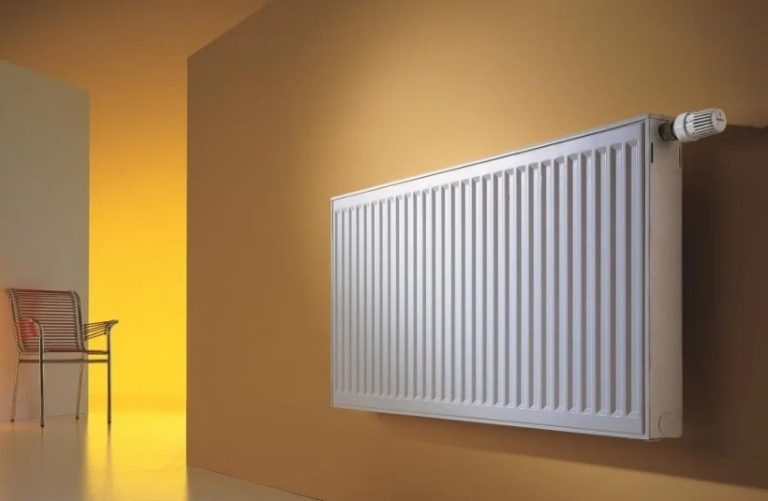 The company specializes in the production of steel panel radiators of various sizes. Heating panels measuring 500 x 500 mm are particularly popular. The plant also manufactures wall-mounted boilers, which are ideally suited for matching radiators.
Ogint Fortis
The company's main production facilities are located in Southeast Asia. Ogint Fortis products are cast iron, bimetallic and aluminum radiatorsCast iron models are very popular in Russia.
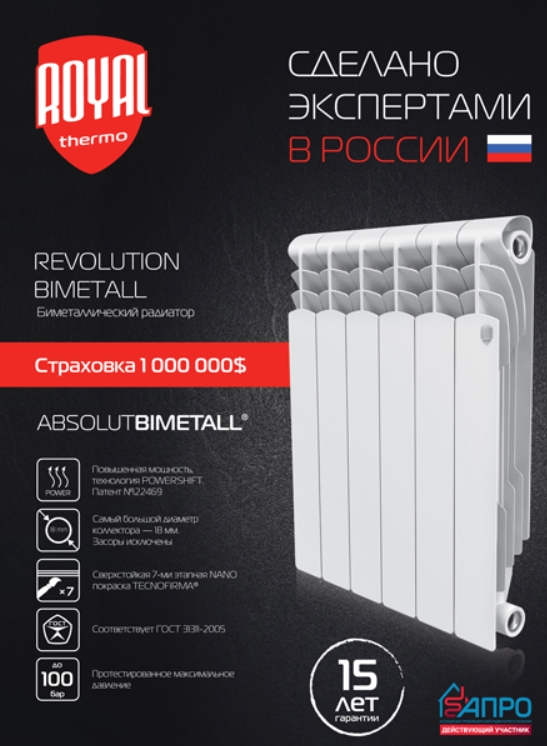
They feature a modern design. They are supplied to the market assembled in 7-10 sections. They are designed for use with hot water and antifreeze. Developers purchase them in bulk for installation in apartments in new multi-story buildings.
The products undergo pre-sale testing and are supplied complete for wall mounting.
ROMMER Al Optima
ROMMER Al Optima aluminum radiators are designed for use in both individual heating systems and multi-family homes. The manufacturer strives to maximize the thermal conductivity of aluminum in its products.
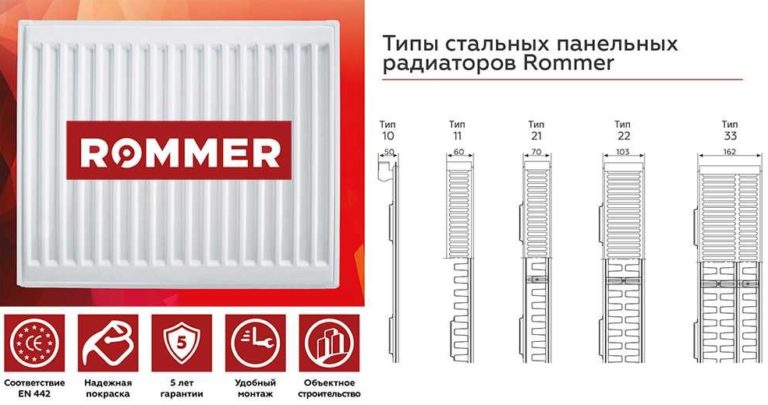
All products are manufactured in a trauma-safe design with rounded surfaces, making them suitable for installation in rooms with small children. Manufactured using an extrusion molding method, the sections can withstand system pressures of up to 16 atm.
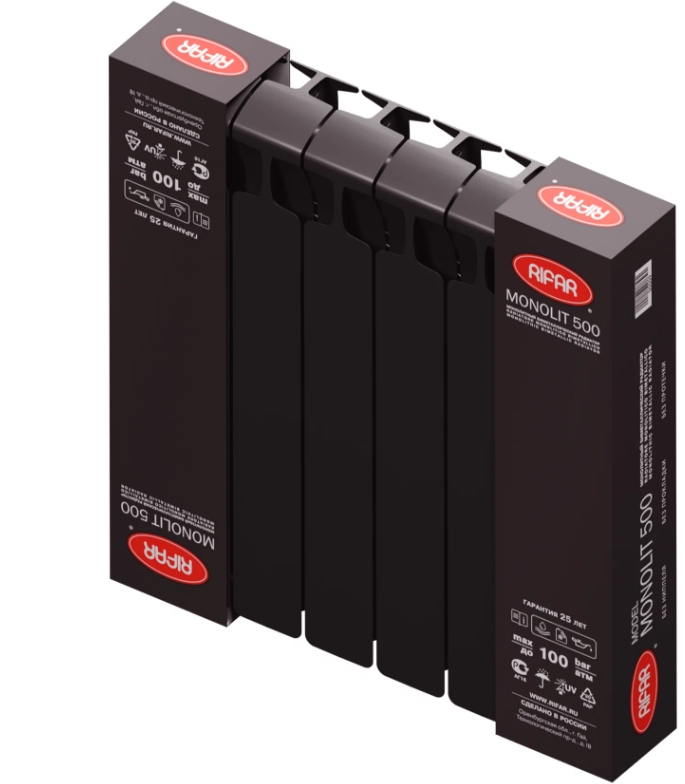
RIFAR ALP-500
The products have proven themselves in virtually all regions of Russia, from Kaliningrad to Siberia and the Far East.
Among the entire range of heating appliances, the bimetallic Rifar ALP-500 model stands out. This radiator consistently ranks high in Russian ratings.
The simple yet beautiful design of the device can fit into any apartment interior. Dimensions: 570 x 1360 x 75 mm. Side connection. Approximate price 4.4 thousand rubles.
Thermal Standard Plus
Thermal Standard Plus 500 aluminum radiators are manufactured by Zlatmash JSC, located in the Chelyabinsk region. The 5-section radiators are manufactured as a single monolithic structure using aluminum-magnesium alloy extrusion under 2,000 tons of pressure.
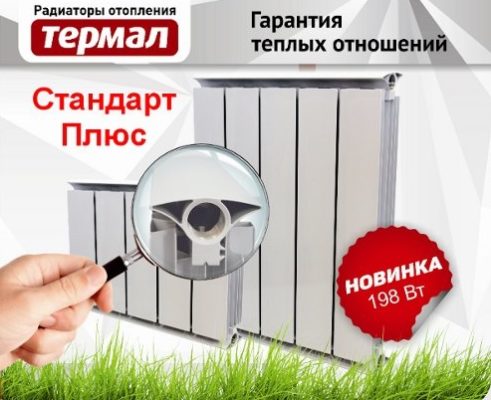
This results in mirror-like finishes on both the exterior and interior surfaces. In addition to the standard configuration, models are available with 3 to 10 sections. The 5-section battery has dimensions of 531 x 73 x 395 mm.
Oasis
The devices are prefabricated units consisting of several sections. The company sells the products individually, complete with an installation kit. The BS 500/100 model is particularly popular. They are white in color and have a maximum working pressure of 25 atm. Each section weighs 1.7 kg. They are compatible with any centralized heating systems in apartment buildings.
KZTO
The Kimry heating equipment plant "Radiator" is known for its original products, including steel tubular radiators. The company specializes in custom-made heating equipment.
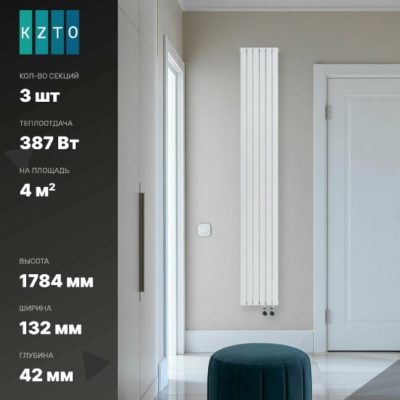 The factory's product range always includes radius and corner radiators with central or separate bottom connections and custom instrument installation. "Harmony" radiators, coated in white polymer, can withstand pressures up to 15 atm.
Wall-mounted radiators with bottom right or left connections, complete with plugs and a built-in thermostatic valve, are available from the factory or its distributor. Upon request, the company can also manufacture floor-standing radiators with the same components.
Lideya
In addition to agricultural implements and equipment, the Belarusian plant OAO Lidselmash manufactures high-quality steel panel radiators. These products are exported to virtually all CIS countries and beyond.
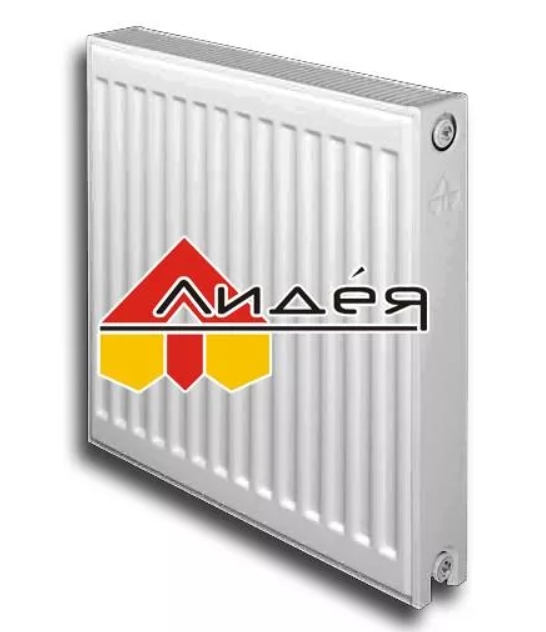
Steel heating radiators are available in both wall-mounted and floor-standing versions. These units are compatible with centralized heating systems of any complexity. Developers are attracted by their affordable price, reliability, and durability.
They supply them to newly built apartment buildings. The factory produces two lines of heaters: the "Lidea Compact" steel panel radiators with side connections and the "Lidea Universal" with bottom-mounted coolant inlet.
While maintaining European-level quality characteristics, the products are much cheaper than their analogues.
Terma
Owners of luxury homes—in apartments in premium buildings and mansions—can afford to install original heating batteries.
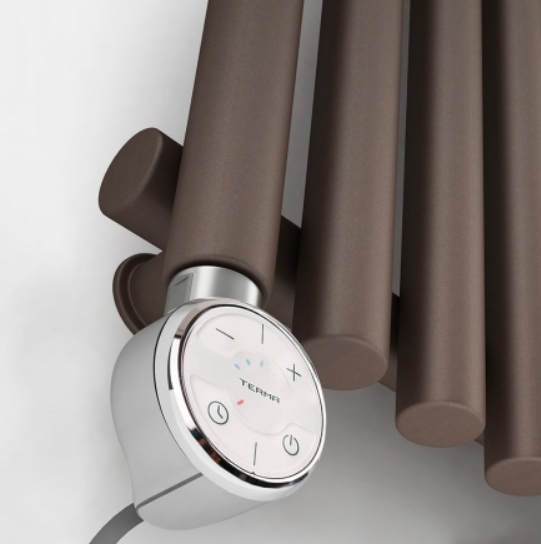
Terma's designer models, with their exclusive appearance, serve not only their standard function but also aesthetic appeal. The wide range of colors and unique design solutions transform any interior into a beautiful, artistic space.
Table of the top six radiator models
| Firm | Model | Dimensions, cm | Heating area, sq.m. | Price, thousand rubles |
| Royal Thermo | BILINER SILVER Steel, panel | 50 x 57 x 8.7 | 6 | 3.06 |
| Global Style Plus | Style Plus 350 Bimetallic | 42.5 x 9.5 x 8 | 5 | 1.25 |
| Sira Group | Gladiator Bimetallic | 50 x 52 x 8 | 6 | 3 |
| KONNER Modem | LUX 350 Aluminum | 42 x 7.5 x 7.8 | 4 | 2.4 |
| MS-140 | MS-140 Cast Iron | 20 x 58.5 x 14 | 18 (4 sections) | 5 |
| Purmo Ventil | CV22, CV33 Steel, panel | 50 x 50 x 8 | 15 | 8 |
Which heating radiators are best to install in an apartment?
The best radiator for an apartment is the Royal Thermo BILINER SILVER. This bimetallic radiator consists of four sections with a heating output of 0.44 kW. Suitable for rooms up to 6 m², its dimensions are 50 x 57 x 8.7. The warranty is up to 25 years. Prices start at 3,060 rubles.
When doing major renovations in an apartment, owners often face a problem replacement of heating batteries, which have exhausted their service life. In the market, consumers are faced with a multitude of offers to purchase one heating appliance model or another.
How can you choose a heating radiator in this situation without making a mistake? Some apartment owners are satisfied with cast iron radiators, while others prefer aluminum or bimetallic radiators. Here are some tips for choosing heating radiators.
- In new-build apartments, the type of radiators, number of sections, material, and manufacturer are determined by the project, the main part of which is a thermal analysis of the entire building. The cost of the equipment is also a significant factor.
- The radiator capacity is related to the area they will heat. Installing fewer sections than required will result in a permanently cold apartment in winter. Otherwise, if the radiator surface area is excessive, you'll have to frequently ventilate the rooms and incur additional heating costs.
- It should be taken into account that heating devices should be used where the most intense heat loss is possible - these are places under windows, sanitary rooms and the space along cold walls.
- The manufacturer's stated permissible pressure must exceed the operating pressure in the heating network. For example, in older buildings, the system pressure is 5–8 atm, while in new buildings, it ranges from 12 to 15 atm.
- If the quality of water in the heating system leaves much to be desired, then you need to choose radiators with a special internal coating that resists the abrasive effects of solid inclusions in the coolant.
- It's important to remember that steel heating units are designed for a pressure of 6–8 atm. This isn't suitable for all apartments. Aluminum units are susceptible to corrosion from hot water containing aggressive impurities and high acidity. Bimetallic radiators, however, are superior to their counterparts in every respect. The only drawback is their high cost.
Features of centralized heating
When installing new or replacing old heating appliances in an apartment, the characteristics of the heating products are taken into account. They should be considered to ensure they are compatible with the local water quality entering the heating system from the boiler room. Not all models can withstand poor quality coolant.
When the coolant passes through pipes from the boiler directly to the heating radiators, chemically active impurities may appear in the water, which can clog the lumen of the pipe and cause corrosion.
Sudden pressure changes within the heating system pose a significant risk to radiators. It's important to consider the standard pressure in the central heating network.
For example, not all aluminum radiators can withstand the pressure that cast iron radiators can easily withstand. Water hammer can cause some radiator models to simply collapse.
Choosing batteries for a private home
About that, How to choose a heating battery for a private home, whether it is a mansion or a small cottage, one can discuss for a long time.
The choice largely depends on the heating system included in the house's design, the quality of the coolant, the availability of coarse and fine water filters, and much more. The cost of the heating unit itself should also be taken into account.
What to look for when buying heating batteries
First of all, you should inquire about product certification, the device's online rating, and the manufacturer's reputation in the heating equipment market. The service life, the ability to clean, and the ability to replace damaged radiator sections are also important.
How to calculate the number of sections in a single heating radiator
We suggest you take advantage of it online calculator for calculating the number of radiator sections heating according to the area of the room.
When purchasing a device, inquire about the product's specifications. The manufacturer usually specifies the heating area each radiator section is designed to cover.
If she alone is capable of heating N m2 area of the room S, then by dividing one indicator by another (S/N) we obtain the required number of sections.
Then they are distributed under the windows. For example, the area of the room is 30 m2, two windows, section heating capacity – 1.5 m2In this case, you will need 30/1.5 = 20 sections or two radiators under the windows with 10 sections each.
Installing it yourself: pros and cons
It should be immediately noted that without experience and knowledge of handling tools, you should not undertake this work yourself.
Incorrect selection of a model, poor assembly of sections, and installation of radiators at their intended location can lead to tragic consequences, such as damage to the units and their connections, and flooding of rooms with hot water, even at the beginning of the heating season.
It's a good idea to start learning from an experienced professional, or even better, seek help from professionals. They'll perform accurate heat engineering calculations and select and install the right radiators.

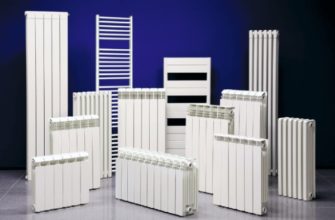
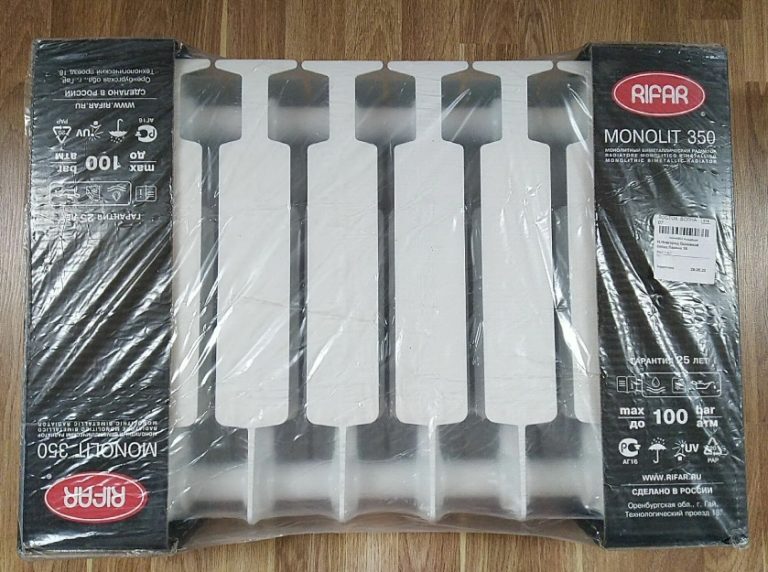
Bimetallic radiators are best for an apartment. The choice of manufacturer is up to you. I have Global radiators and I really like them. Of all the radiators I've had, these are the best so far. In any case, they're still in good condition, even though they've been around for a while. I definitely don't want to replace them with anything else.