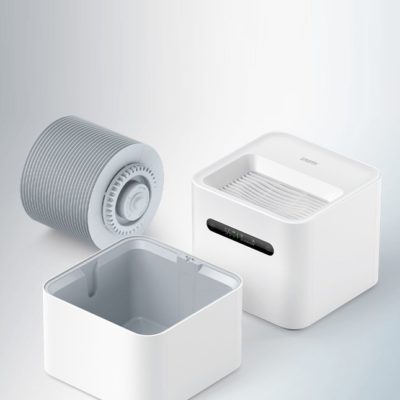
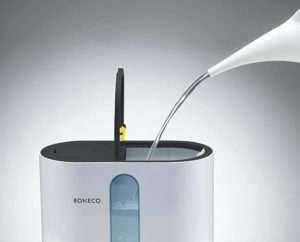
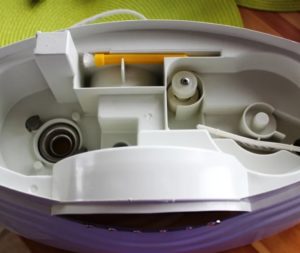
If you've purchased a humidifier but aren't sure how to use it properly, start by reading the manufacturer's instructions. Inspect the housing for defects. Fill the tank with water, place it on a level surface, and plug it in. Use the switch to set the operating mode.
I'll cover the different types of air conditioning equipment and their operating features in more detail in this article. I'll also give advice on where to start when first using your unit. I'll also cover the operating rules and limitations, maintenance, and safety precautions. I'll also answer frequently asked questions.
- Types of humidifiers and operating features
- Bought a humidifier – where to start?
- Rules and restrictions for using the humidifier
- Air humidification time
- Where to place a humidifier
- What kind of water should I fill in?
- What to add for flavor
- Restrictions on use
- Care and Maintenance Tips
- Operational problems
- Safe Operation Measures
- Answers to frequently asked questions
- Video on using a humidifier
Types of humidifiers and operating features
To use a humidifier properly, it is not enough to study the manufacturer's instructionsThe documentation covers the basic operating instructions. Users also need to understand the operating principles of each type of device. Understanding the moisture production process will help you better determine the proper installation location for the humidifier.
Classification of devices based on the principle of moisture production:
- SteamThe device works on the principle of a kettle, which boils water with a heating element. The resulting steam enters the room through a hole. The device not only increases humidity, but it can also cause harmCondensed steam turns into water droplets that settle on furniture and trim, and can be inhaled. Careless contact with a running humidifier can cause burns. Steam models are considered outdated and are suitable for non-living spaces.
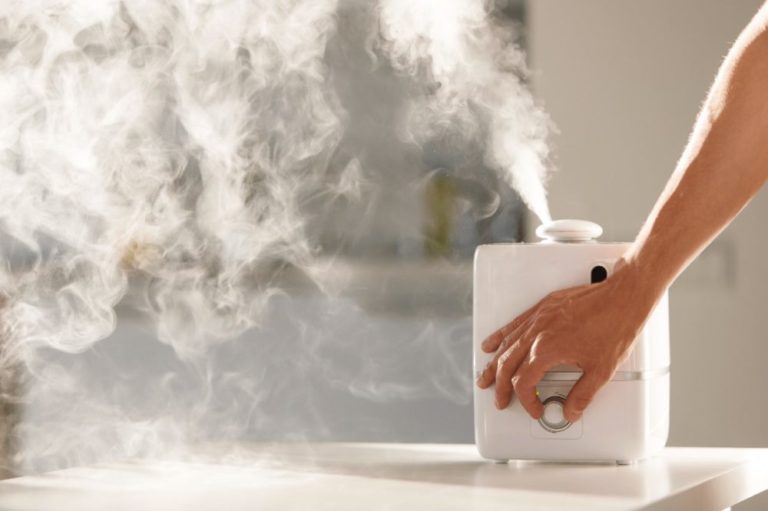
- TraditionalIn terms of operational safety, this device is superior to steam-powered alternatives. The device does not require a heating element. Humidity is supplied to the room by fans. Rotating blades capture air, humidify it by forcing it through a container of water, and then return it to the room. Cold humidification is safe for people and the environmentYou can place traditional devices in the bedroom and children's room.
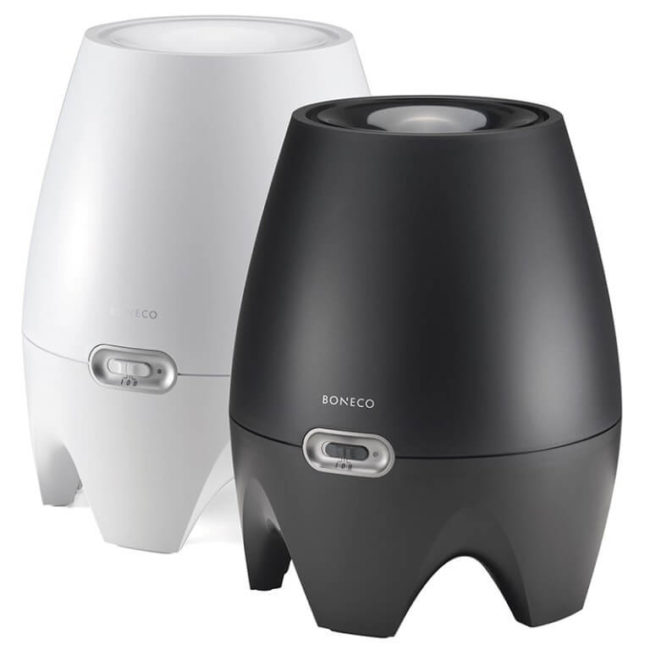
- UltrasonicA popular appliance for homes and apartments that saturates the air with cool steam. Humidity is generated by ultrasound, created by an oscillating membrane. Safety is a priority for ultrasonic technology. Humidifiers can be installed in living rooms and children's bedrooms.
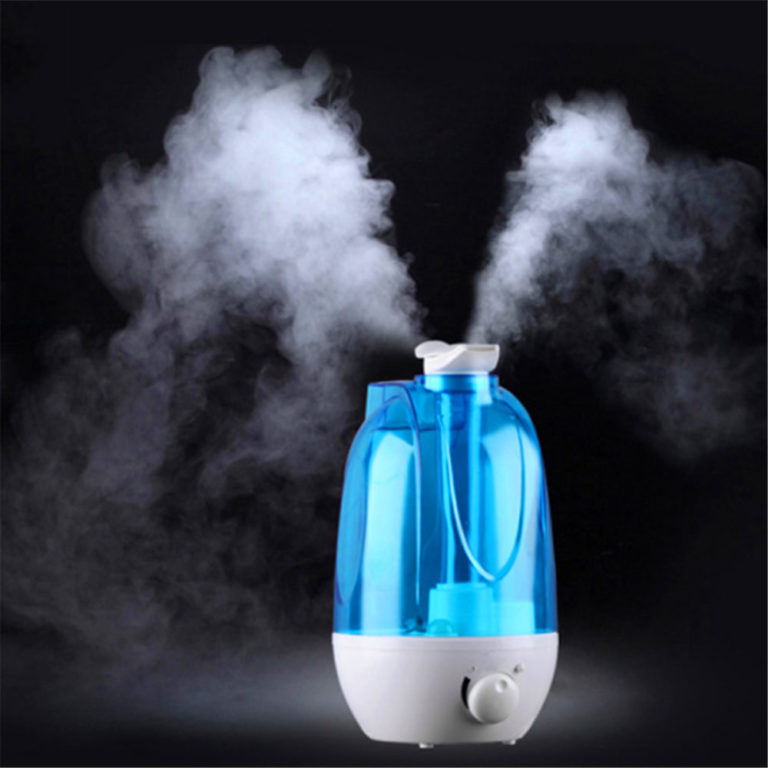
- Air washersThe technology humidifies the air like traditional models, but also removes dust, allergens, and bacteria. Contaminants are carried by air currents onto rotating disc drums that flow through water and are deposited in a container. clean, humidified air is suppliedAn air washer is an environmentally friendly device that creates a healthy microclimate. It can be used in living rooms, children's bedrooms, and adults' bedrooms.
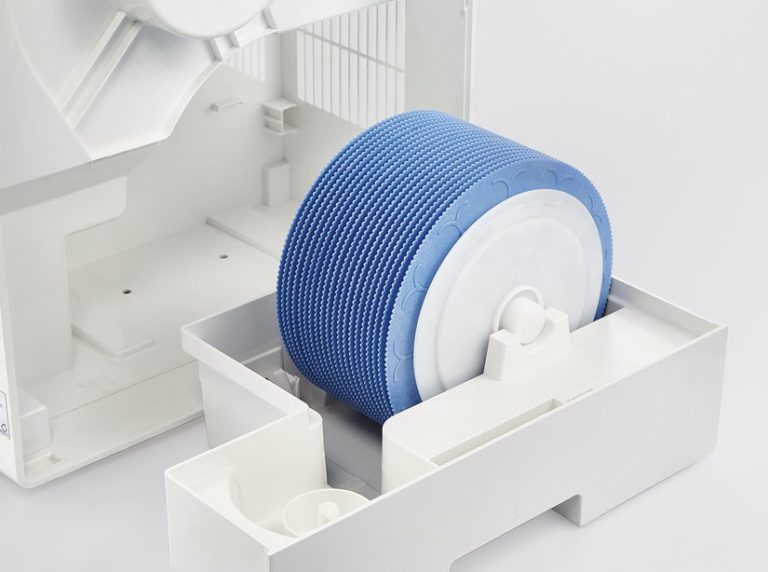
- Climate control systemsThe technology combines a range of useful functions, including humidification, air cleaning, air filtration, and aromatherapy. While these air conditioning systems are more efficient than conventional devices, they are also expensive.
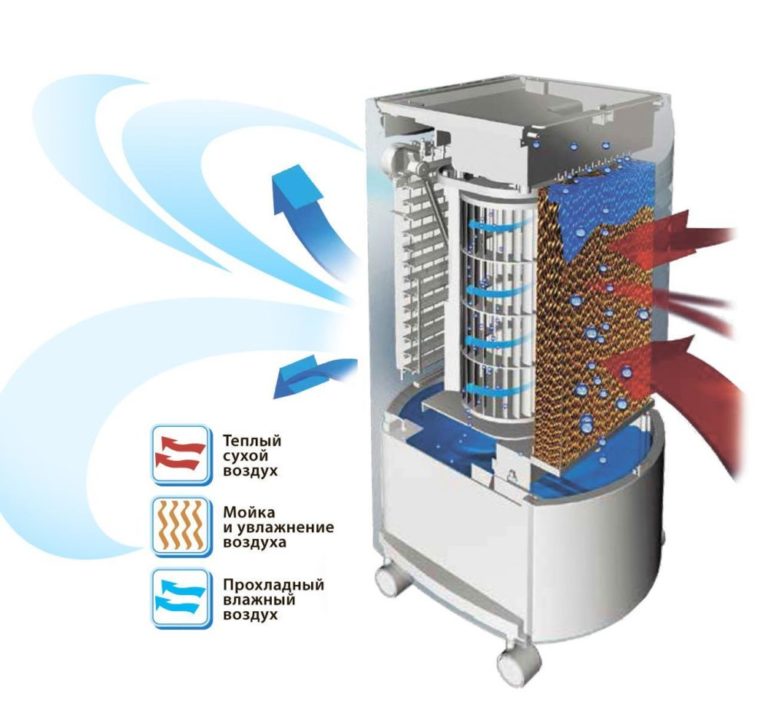
In apartments and private homes, compact steam, traditional, and ultrasonic air conditioning units are most often installed. Manufacturers add useful features to these units for ease of use, including night lights, timers, water level monitors, and other useful features.
Bought a humidifier – where to start?
The long-awaited moment has arrived when your purchase arrives home and you unpack the device. The first question that arises is how to turn on the humidifier. but don't rush to use the new productBy careful inspection method check the integrity of the case. Make sure there is no damaged sections of the power cord.
The second step find the reservoir, where to pour water into the humidifier, check for leaksFilling the air conditioner fluid and preparing it for use varies for different types of air conditioning equipment:
Check that the device is filled and assembled correctly, and begin using it according to the manufacturer's instructions.
Place the unit on a hard, dry, level surface. Make sure it's out of reach of children and pets. Ensure the unit is stable and doesn't tilt, which could interfere with proper operation.
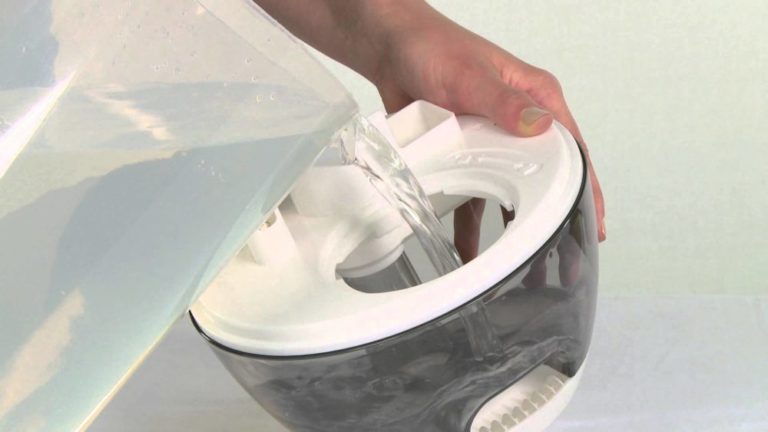
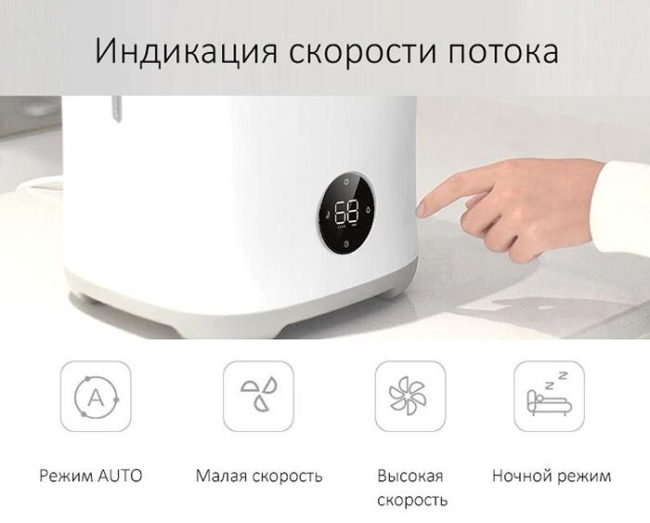
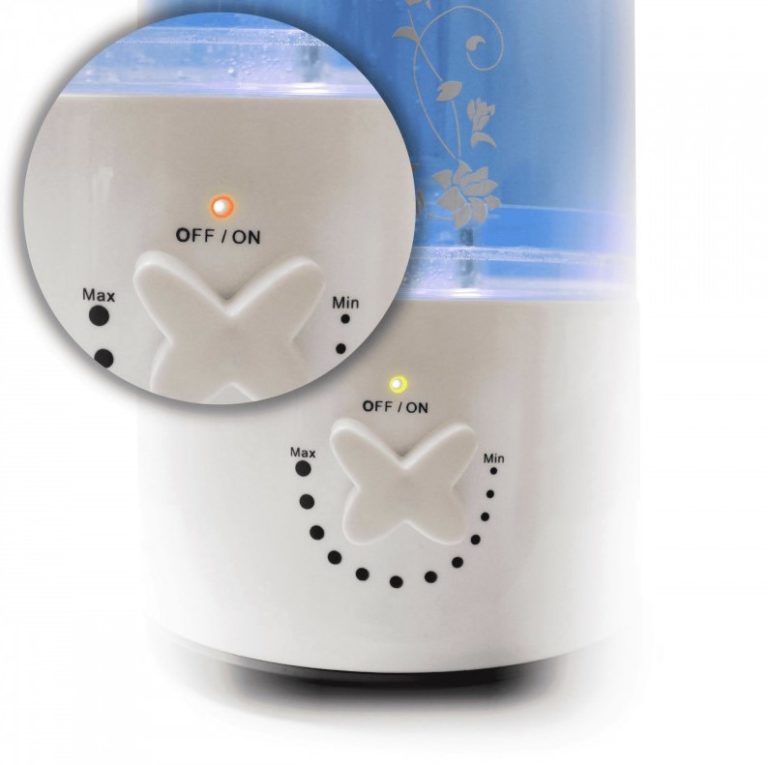
Plug the power cord into a power outlet. The device is equipped with a button to turn it on and off. Turn on the humidifier and use the mechanical or touch switch to select the appropriate mode. If everything is done correctly, the indicator light will light up. green indicator.
When an error has occurred, there is a malfunction or the water level in the tank is low, the light comes on. red Light bulb. The operating indicator principle is typical for most models.
Rules and restrictions for using the humidifier
I recommend understanding how to properly use a household humidifier before you go shopping. This information will help you more accurately determine the model type and features.
Air humidification time
Each type of device has its own operating time. Steam devices will humidify dry air in a room in 1-3 hours. Traditional models and washers will require up to 10 hours of operation. Ultrasonic devices will bring humidity levels back to normal in 1-8 hours.
It's impossible to specify the exact operating time of air conditioning equipment due to its dependence on the environment. There are user recommendations online that recommend running the unit several times a day.
However, each person's home or apartment varies in size, wall material, and geographic location. Each factor affects the indoor humidity level, which determines the runtime of the humidifier.
If you've purchased a high-quality humidifier, not a cheap knockoff, you won't need to turn it on and off regularly. Modern units are equipped with a hygrostat. The sensor monitors the humidity level in the room. The hygrostat automatically adjusts the device's on and off times. The user only needs to top up the water reservoir regularly.
The standard hygrostat is set to a minimum activation threshold of 40% humidity and a maximum activation threshold of 60%. In hot weather, the device often switches on due to dry air or runs continuously.
A similar situation occurs in winter when the heating or heaters are on. Spring and fall are considered the off-season. The indoor humidity is quite natural due to the damp weather outside. The unit will turn on less frequently.
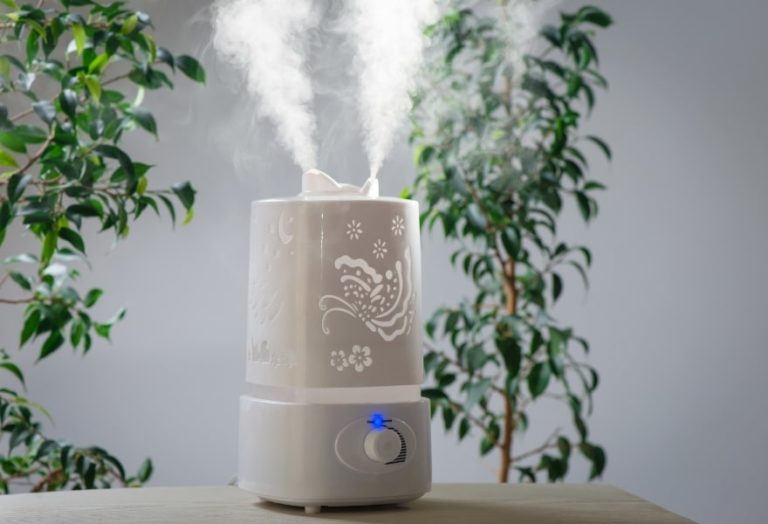
Doctors recommend maintaining humidity at 70% in a child's bedroom, which is beneficial for the baby's sensitive skin and respiratory tract. It's advisable to use a device with a wide range of adjustable settings in the room. To maintain 70% humidity, the device should operate 24 hours a day.
Where to place a humidifier
Before using your air conditioning unit, find an elevated location. Moisture is heavier than air and settles quickly on the floor. Place the unit on a table, cabinet, shelf, or stand. If you have a powerful unit with a water tank of at least 5 liters, try to place it higher. A small household model can be placed on a stool at least 50 cm above the floor.
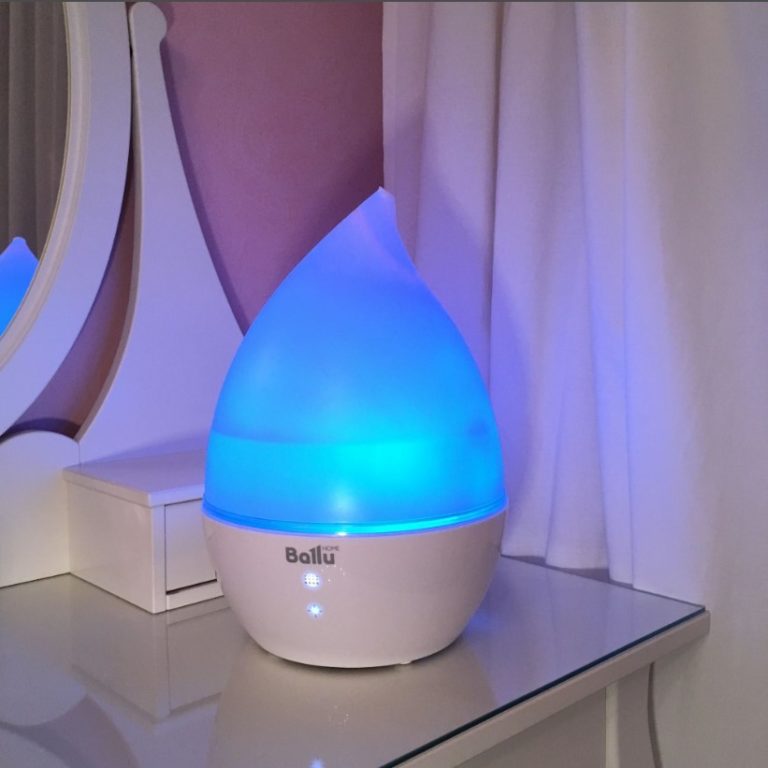
Regardless of the steam generation method, moisture particles settle around the device's body. Before you begin humidifying the air, consider whether water droplets will damage the furniture's finish. To be on the safe side, place the device on a tray or plastic wrap.
Moisture can damage other furnishings. Do not place air conditioning equipment close to:
- walls and ceiling;
- electrical appliances;
- upholstered furniture items;
- books and paper documentation;
- delicate clothes.
Installing the device near heaters or radiators is pointless. Humid air will instantly dry out incoming heat. Maintain a distance of at least 30 cm from furniture and radiators.
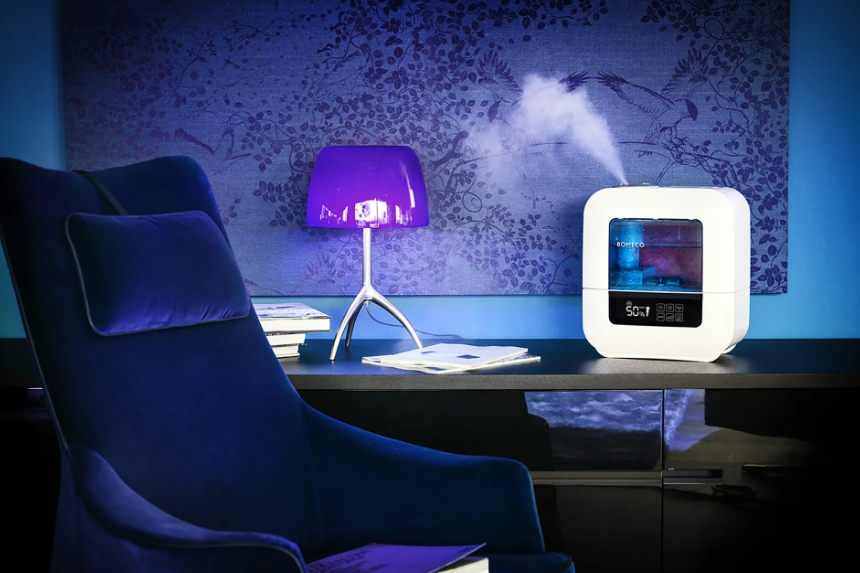
In a room with a big A humidifier is useless for an aquarium and sometimes dangerous.Natural evaporation occurs from the water surface. Excessive use of the device will lead to excessive air humidity. Mold stains will grow on the walls, and respiratory problems will worsen.
Having children and pets in the home increases the number of location restrictions. Place the unit out of reach, such as on a cabinet. If your children are older and you don't have pets, it's more convenient to use a humidifier placed in the center of the room. Choose a location that's less likely to be walked on, but closer to an outlet for easy connection.
What kind of water should I fill in?
Properly using a humidifier involves more than just knowing how to set the operating modes. A high-quality reservoir is essential. Water from a centralized water supply is cheap but a poor option. When steam is generated, salts and minerals form hard deposits on the spray nozzle. The deposits clog the airways, causing damage to the unit.
You can use tap water to fill a humidifier with a self-cleaning feature. This technology prevents buildup without user intervention.
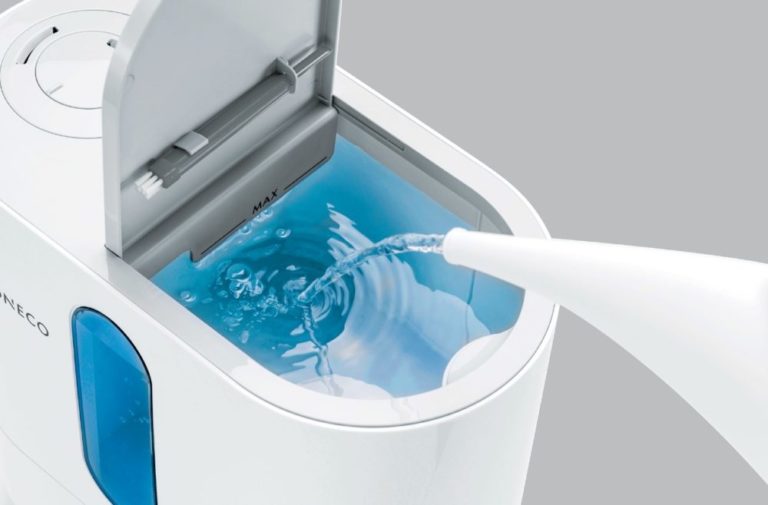
Despite the convenience, I still don't recommend using tap water. Centralized water systems are disinfected with chlorine. The evaporation of this hazardous substance with the water can cause respiratory problems for those breathing in the moist air.
I consider distilled water to be the ideal filling. I put spring, artesian, and bottled water in second place. Distilled water is free of salts and minerals. Natural and bottled water may leave behind some hard deposits, but the vapors are chlorine-free.
I'd put boiled, settled, and filtered tap water in third place. You can use it to fill the tank, but even after treatment, dangerous chlorine and heavy metal impurities remain.
What to add for flavor
Aromatic humidification of indoor air improves the microclimate. Depending on the composition of the fragrances, you can create a relaxing or invigorating atmosphere. Water-soluble essential oils made from medicinal plants are available to help strengthen the immune system and prevent or accelerate the healing of illnesses.
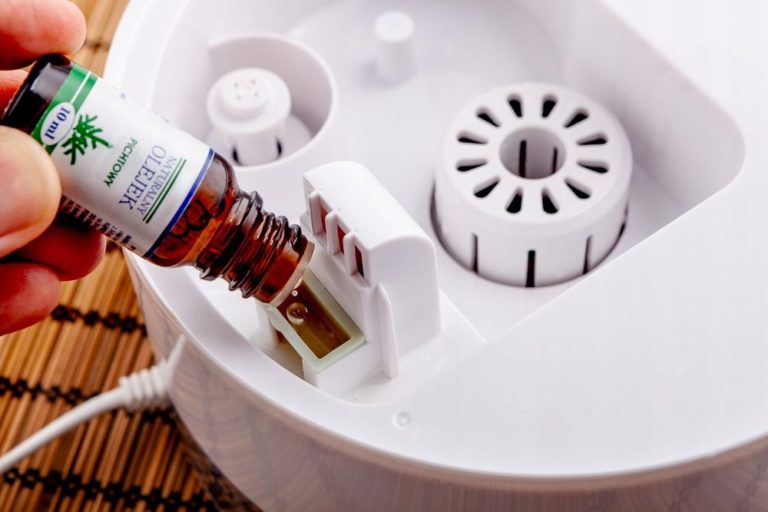
Essential oils should not be added to the water reservoir. This will damage the device's components. To use aromatherapy, purchase a humidifier with an additional reservoir. The manufacturer provides an aroma capsule specifically for adding essential oil concentrate.
The refill amount is indicated on the oil packaging. A capful or 5-10 drops is sufficient. The duration of aromatherapy is determined by your condition. Limit the initial use to 30 minutes to an hour.
Restrictions on use
A humidifier is a localized device. It should be used in living rooms with dry air. In the kitchen, bathroom, and adjacent toilet, humidity is naturally high due to the abundance of water. Using a humidifier in addition to the humidifier will result in constant dampness and mold growth.
Use the device with caution in a library, computer room, or other specific area where moisture vapor can damage expensive items or cause harm to human health.
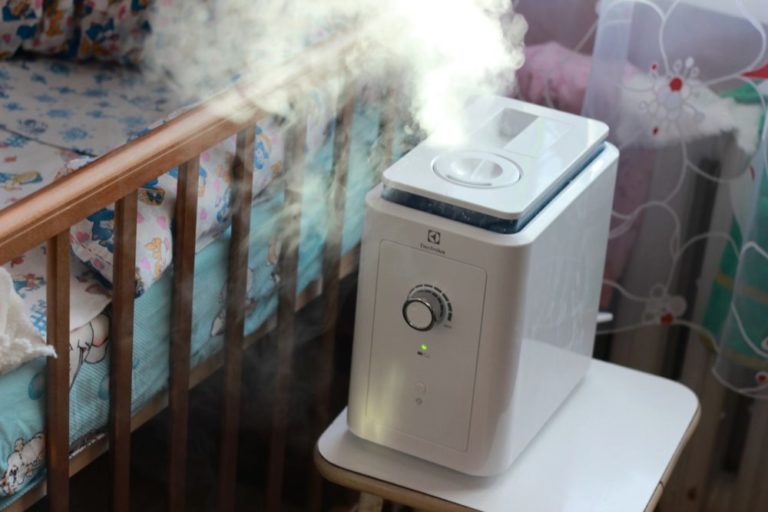
Individual intolerance to humidifiers, especially those with aromatherapy, can sometimes occur. If you experience any adverse effects, discontinue or limit use.
Each model is designed to humidify a room of a certain volume or area based on its performance. For example, the device is designed for a room of 15 m2Use the device indoors 20-25 m2 It's useless. The device won't maintain the user-set humidity level. Running it continuously will accelerate wear and tear on the equipment.
Using the device in a room with open windows is useless. Large volumes of incoming air cannot be humidified. Accelerated air circulation will expel the moisture outside. If you need to ventilate the room, open the windows before turning on the device.
Care and Maintenance Tips
While using the appliance, perform regular maintenance on its components. The manufacturer's instructions provide recommended maintenance for each model. My general advice:
- Add water to the empty reservoir. If any liquid remains from the previous fill, discard it first. Stagnant water can breed bacteria.
- Disinfect and descale the water tank every 2-3 weeks. Fill it with a solution consisting of 500 ml of water and 25 g of citric acid, or 1 part 6-9% vinegar and 2 parts water. Run the water heater for 15 minutes and place it near an open window. Turn off the water heater and drain the acidic water. Additionally, wipe any hardened limescale deposits with the solution.
- If your humidifier has a ceramic filter, its capacity is limited to 1000 liters of water. To regenerate the filter element, remove it from the housing. Place the filter in a container with 6% vinegar for 10 minutes. After regeneration, replace the element.
- Clean the ultrasonic humidifier membrane from scale with the included brush. You can also use a non-abrasive dish sponge.
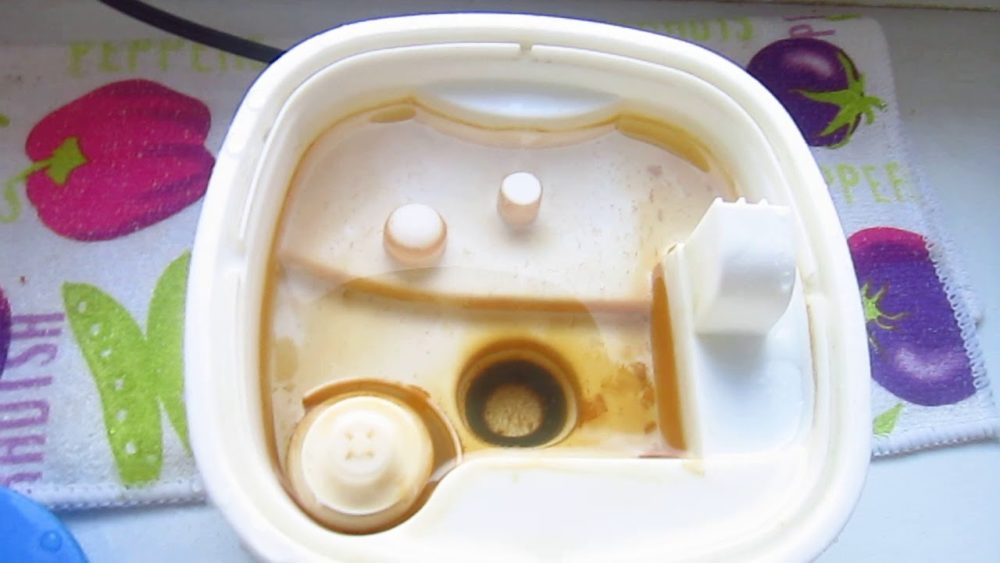
Do not attempt to restore worn-out filters. Worn parts cannot be reused; complete replacement is required. In addition to vinegar and citric acid, clean the water tank with baking soda or a chlorine solution. Disinfecting components will help eliminate pathogenic microflora.
Operational problems
Entrust serious malfunctions to service center technicians. You can resolve minor operating issues yourself:
- If the red indicator light is on and the appliance doesn't turn on, check to see if there's water in the reservoir. If the light doesn't illuminate, there may be a problem with the power supply. Use a multimeter to check the section from the outlet to the power cord terminal in the appliance housing.
- If steam is not coming out, the nozzle may be clogged with salt deposits or cleaning agents after cleaning. Clean it again and turn the humidifier on high.
- No steam comes out of the nozzle when the supply channel is flooded in an overflowing water tank. Drain the liquid and refill.
- In an ultrasonic humidifier, a lack of steam is sometimes caused by a damaged membrane. You can detect the problem yourself, but take it to a service center for repairs.
- A weak spray of steam with noise indicates a low water level in the tank, and the automatic system has not turned off the operating device.
Loud operation of an ultrasonic humidifier is caused by a dirty membrane. Remove the membrane from the housing, clean it, and reinstall it.
A white coating on the tank walls will indicate the need for an unscheduled cleaning. If the humidified air produces an unpleasant odor while the unit is running, the problem is caused by the buildup of pathogenic microflora. Drain any stagnant water and clean the tank with baking soda or a chlorine solution.
Safe Operation Measures
Manufacturers strive to produce safe household appliances, provided they are used wisely. Users must follow basic safety precautions.
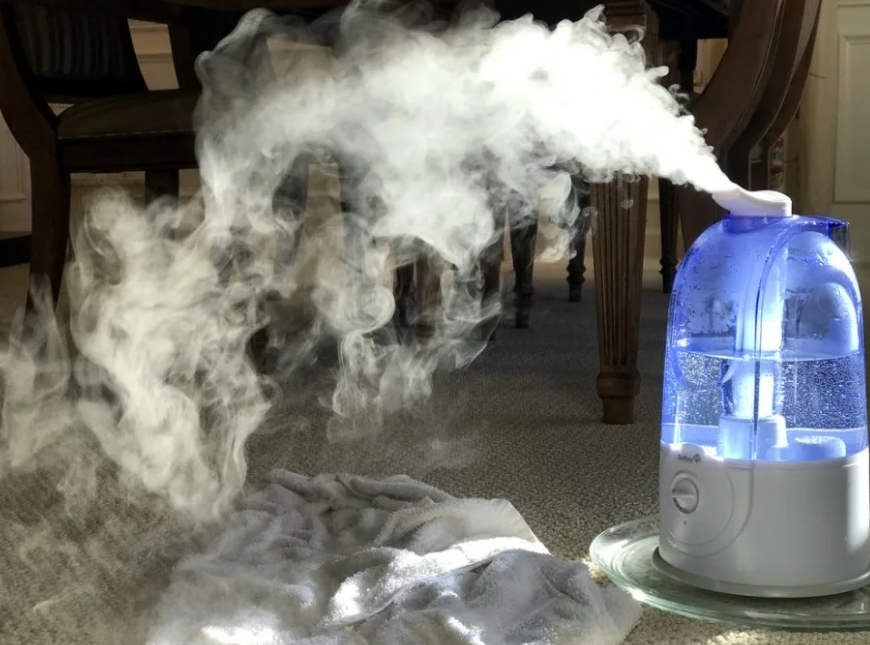
It is strictly prohibited:
- add water to the operating device;
- move a working humidifier to another location;
- use unpurified water for topping up;
- pouring essential oils into water when the humidifier does not have an aroma capsule and is not intended for aromatherapy;
- pour water into the tank through the steam outlet nozzle;
- close the nozzle of a working device, carry out ill-considered tests and other actions.
Failure to observe safety precautions will result in electric shock and burns from hot steam.
Answers to frequently asked questions
For the bedroom, it's advisable to use a device with a night mode. The steam should be directed throughout the room, not toward the bed.
A steam humidifier will humidify the air in 1-3 hours. A car wash or traditional humidifier will take up to 10 hours. An ultrasonic humidifier will bring humidity levels back to normal in 1-8 hours. The operating time depends on the ambient conditions and the room size. A built-in sensor—a hygrostat—automates the process.
Before each new refill, drain the old water. Pathogenic microorganisms thrive in stagnant liquid.
When the humidifier is running, the windows and door to the room are closed.
The room can be ventilated before turning on the humidifier or after turning it off if the humidity level is higher than normal.
Do not place the device in damp rooms, rooms with an aquarium, areas easily accessible by children or pets, or on the floor or in walkways. Keep the device at least 30 cm away from electronics, books, and radiators.
Install the household appliance on a raised surface, preferably in the middle of the room, with access to a power outlet for connecting the power cord without an extension cord.
The water change interval depends on the tank capacity and frequency of humidifier use. These intervals are specified in the manufacturer's instructions. The average interval is 1-2 weeks.
In hot weather, the air is too dry and humidification is required.