Planning to build a house but unsure how to ventilate a cold attic? First, choose the most convenient system—combined or separate. Next, calculate the system's performance and select materials and equipment.
Natural ductless ventilation of a cold attic using vents in the eaves and ridge is considered an inexpensive, effective, and easy-to-install solution. Information on the system's installation technology and other ventilation methods can be found in this article.
- The principle of ventilation of a cold attic
- Features of roof ventilation of different configurations
- Types of cold attic ventilation systems
- Ventilation calculation
- Attic ventilation schemes
- Natural ventilation installation instructions
- How to insulate air ducts in the attic
- Recommendations for operation and maintenance of the ventilation system
- Answers to frequently asked questions
The principle of ventilation of a cold attic
In a simple implementation, attic ventilation in a private home operates on the principle of natural air exchange. When the system is properly designed and calculated, the circulating air masses circle the attic space twice every hour.
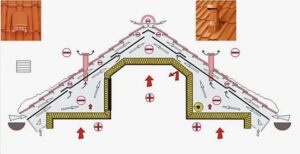
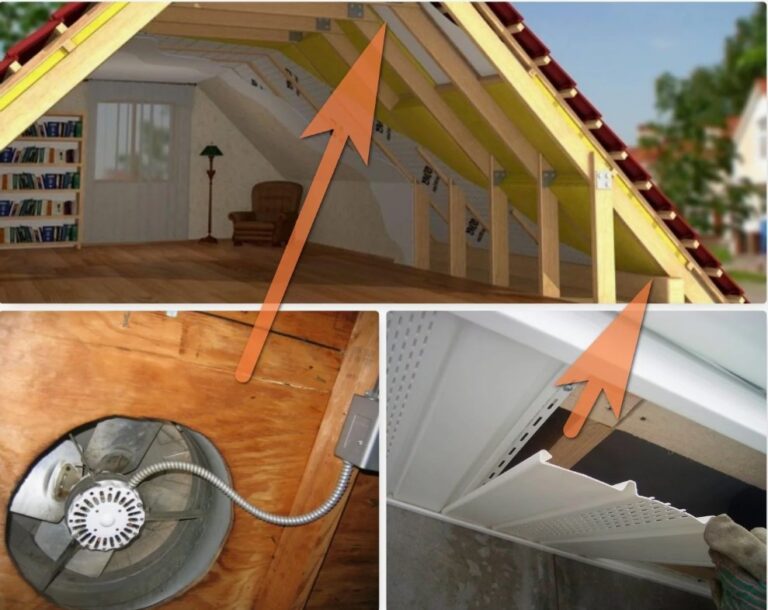
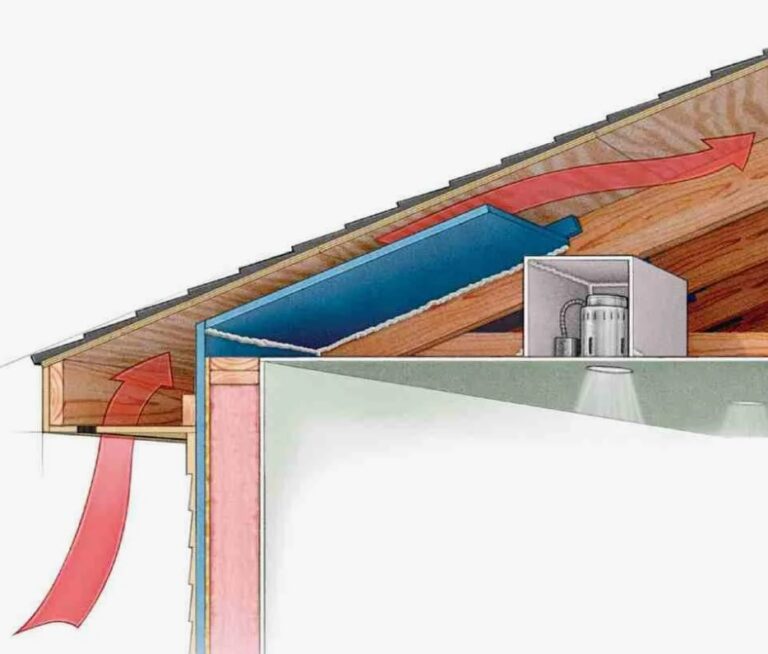
The most effective vents are those created along the eaves and ridge purlins. Fresh air from outside enters the attic space through openings left in the lower part of the roof slope. Exhaust air, along with moisture vapor, is discharged through the upper vents on the ridge.
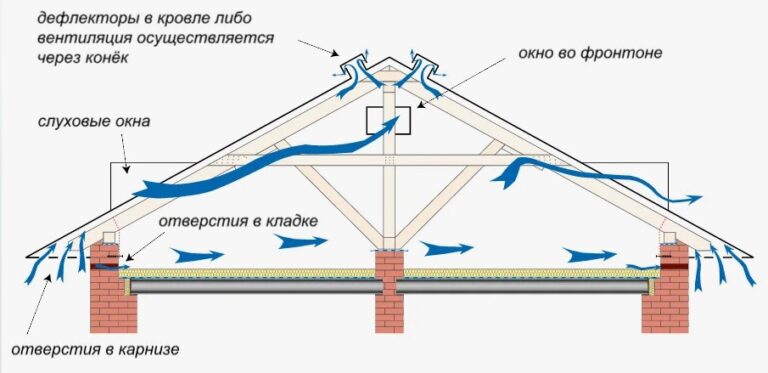
Traditional attic ventilation is usually supplemented by a roof space ventilation system. Through eaves vents, some of the incoming air is directed into the gaps under the roofing sheets created by the counter battens.
After passing through the entire slope area, the moisture vapor streams are diverted into the upper ridge vent. Additional exhaust and inflow air can be provided through dormer windows. On roofs with complex shapes, air exhaust is achieved by installing a penetration with a pipe and a turbo deflector on the roof.
Features of roof ventilation of different configurations
Attic, two-story, and single-story houses with cold attics are designed with various roof configurations. The roof's design determines attic ventilation.
Modern private homes are popularly built in Scandinavian, high-tech, and minimalist styles, where the design features a pitched roof. Attic space is limited or absent altogether, but ventilation is essential.
To allow air circulation between the rafter system and the roofing, gaps or vents are left in the masonry on opposite sides. The resulting difference in height between the beginning and end of the slope promotes spontaneous natural draft.
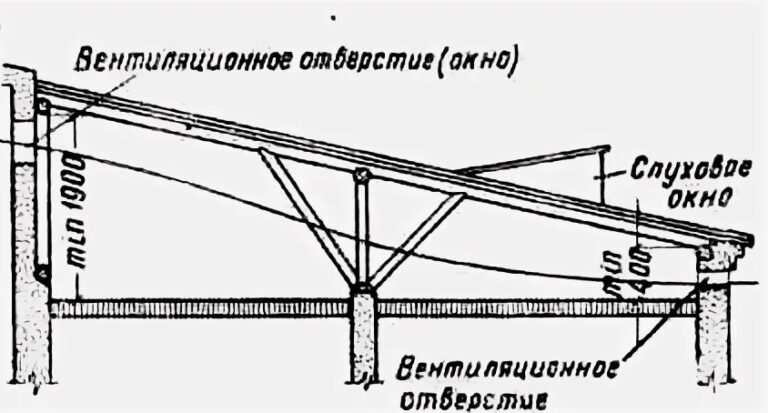
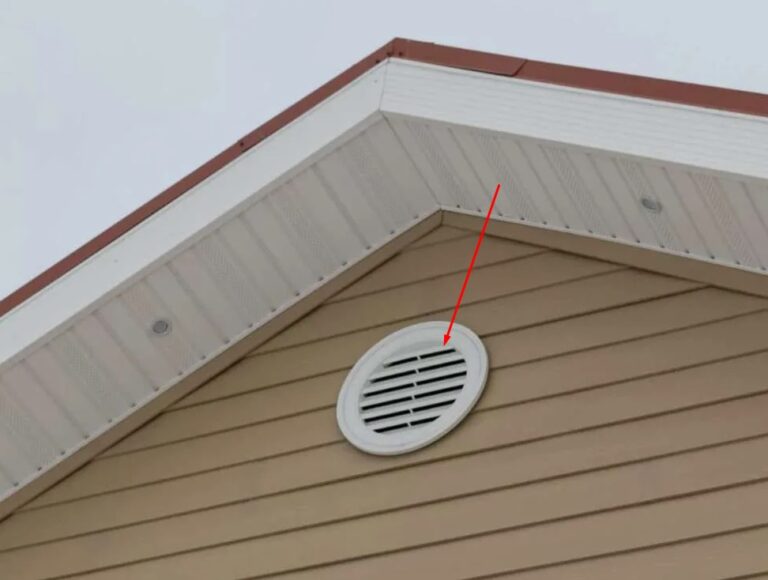
In a cold gable roof of an outbuilding or attic, additional vents allow for gables. Dormer windows or vents located on opposite sides are convenient for attic ventilation. Passing air currents create a draft, removing dirty air and moisture vapor to the outside.
For proper ventilation, the vent cross-section should be 0.2% of the roof's cold area. Instead of dormers, loosely sealed roof slopes are sometimes used. The gaps left should be small and uniform in size to ensure uniform draft.
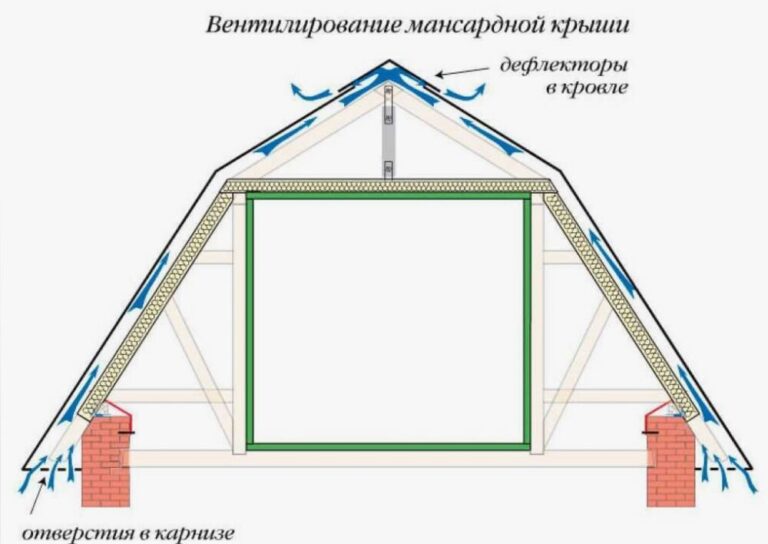
The attic roof is a gable roof, but in the classic version it's straight, while in the more complex version it's pitched. Ventilation is provided by installing penetrations and diffusion membranes under the roofing sheets.
In addition to the gable-end dormers, the design includes dormer windows. The openings are located on the slopes. The windows must be sealed to the roofing sheets to prevent water leakage.
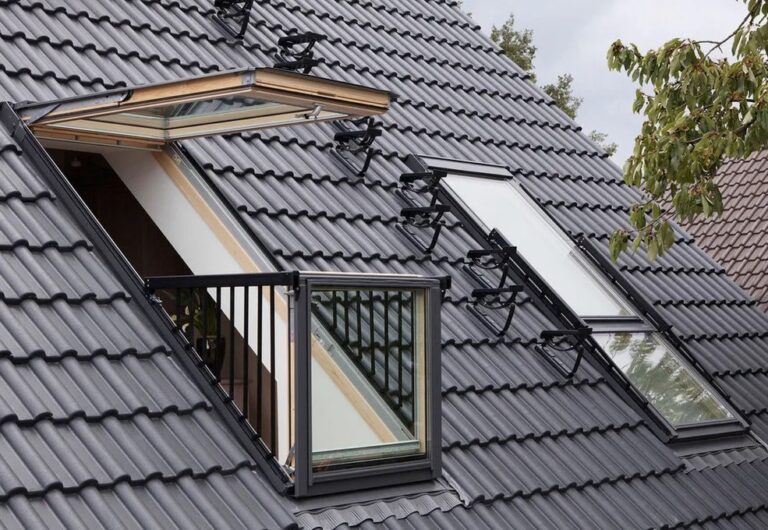
Hip and hip roofs have four slopes without gables. In simple designs, ventilation of the cold attic space is provided through vents on the eaves and ridges. All four slopes require ventilation. Inlets are installed along the perimeter of the lower part of the roof.
In a hipped roof, exhaust is provided through the ridges formed by adjacent slopes. In a hipped roof, additional air exhaust is provided through a horizontal ridge purlin, created at the top by two adjacent, opposing slopes.
In complex designs, ventilation of a cold hipped roof is provided through dormers. The absence of gables eliminates the need for openings. Dormers are installed on opposite or all four slopes.
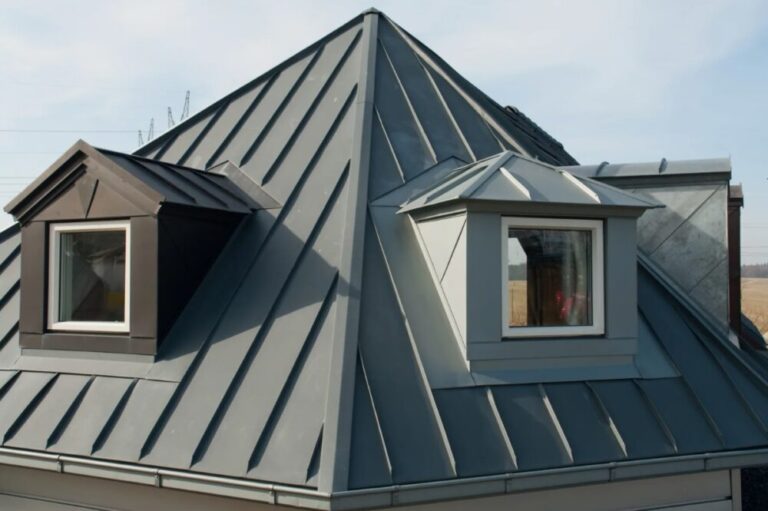
The type of roofing material influences roof ventilation. Metal roofing is the most popular. Cold-applied roofing consists of a waterproofing layer and a topcoat. No insulation or vapor barrier is used.
To ventilate the cold attic and under-roof spaces, the battens are fastened at intervals under the metal sheets. The wooden elements are treated with a preservative. Condensation drainage is provided via a waterproofing membrane laid on the battens.
Counter-battens attached to the metal sheets create a ventilation gap of approximately 50 mm. The resulting airflow ensures air exchange throughout the entire roof and attic area, including the sub-roof space.
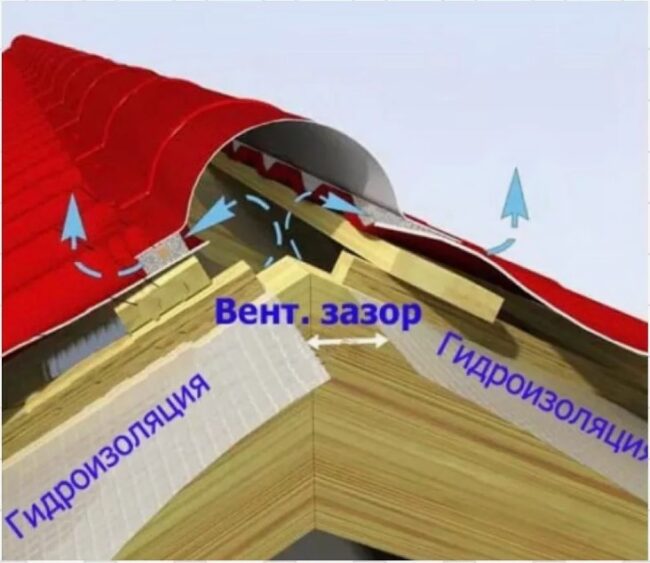
Cold roofing made of corrugated sheets is a common option for country houses and affordable suburban homes. Corrugated sheets differ from metal roofing tiles in their wave-shaped form. The principles of installing corrugated sheets on the roof and ventilating the cold attic are similar. The sheathing is covered with waterproofing, counter battens are attached, and the metal sheets are laid.
The bottom strip on the slopes is used 50% thicker than the other elements. The edge of the waterproofing membrane should not overlap the ridge to allow dirty air and moisture vapor to escape from the attic and sub-roof space to the outside.
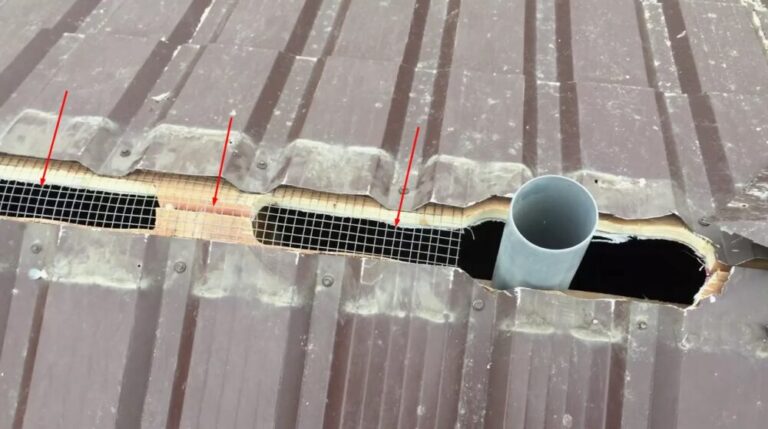
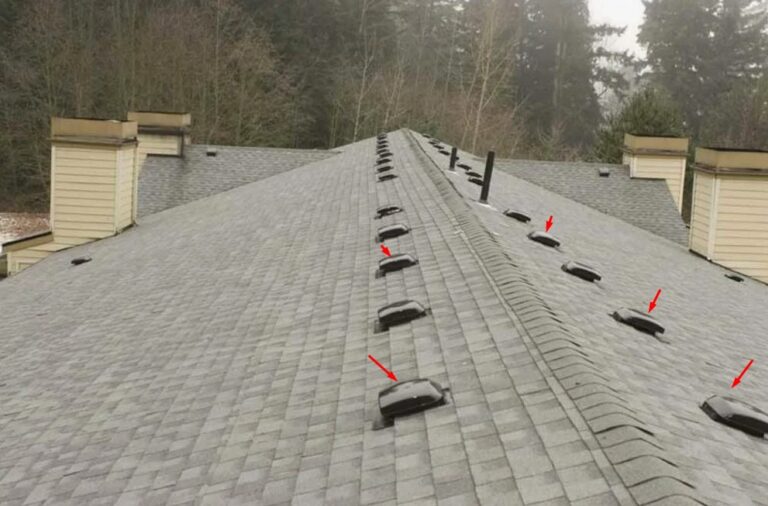
Flexible roofing consists of bitumen shingles and rolled roofing. Flexible roofing is laid on solid sheathing. It is impossible to create a ventilation gap using counter sheathing. For ventilation on a cold roof, penetrations are provided. Ventilators and vents are installed in the calculated number and locations throughout the entire slope.
Types of cold attic ventilation systems
The question of how to install ventilation is considered at the design stage of the house, taking into account the intended use of the attic. In a cold-construction design, the large attic space of a loft cannot be used as living space in winter. Even in the small attic of an outbuilding or a house with a hipped roof, it is impossible to organize rooms in the summer.
A cost-effective option is to install natural ventilation through vents. This system does not require fans or ducts. Alternatively, grilles with dampers can be installed on the vents, and the roof can be equipped with penetrations with deflectors.
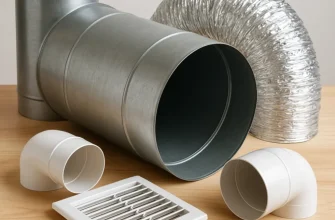
In summer, a cold, large attic can be used as a recreation room. If natural air exchange is insufficient, mechanical ventilation is installed. A simple ducted system is equipped with exhaust and supply fans. Ductless forced ventilation is achieved by installing a breezer or wall-mounted ventilation equipment.
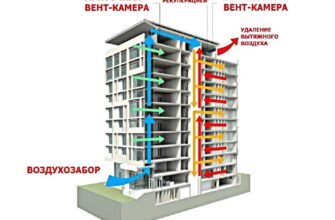
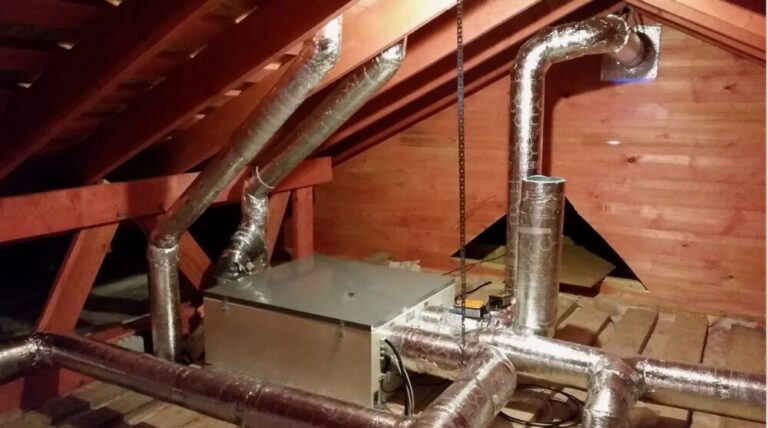
In a complex design, the forced-air duct system is connected to the building's mains. Pipes from the house and attic are routed through the roof to the outside.
Mechanical duct ventilation can be supplemented with a heat recovery unit to conserve heat. The unit is installed in the attic and connected via flexible corrugated piping.
Ventilation calculation
Ventilation installation is regulated by SP 60.13330.2020. Professional calculations are carried out taking into account the requirements set forth in this document. To ensure the utility network can handle its workload, air exchange must comply with established standards.
It's easier to calculate natural ventilation for a cold, unoccupied attic yourself. To ensure high-quality ventilation over 1,000 m2 the premises provide 2 m2 total area of vents.
A ratio of 1:300 can be used. The vent area is measured based on the air flow capacity, subtracting the size of the grille slats, ribs, and other obstructions.


The idea that the size of vents doesn't matter as long as their total area matches the design value is a myth. Airflow through vents that are too small slows down, and circulation is inhibited. Large vents increase the risk of wind-blown snow and rainwater, increasing heat loss from the roof and the entire building.
An enlarged gap does not increase the flow velocity. Circulation is impaired due to the formation of turbulence. Air resistance will be created in the vent area.
When calculating dormer windows, adhere to the following rules:
- Recommended size 600x800 mm.
- The location for installing dormer windows is opposite gables, and for attic windows - opposite roof slopes.
- Equal distances must be maintained from the sides of the roof, the ridge girder and the eaves.
- The minimum gap between adjacent windows is 1 m.
If the attic has no dormers or is an addition to them, slot vents are provided. When calculating the total area and size of each opening, consider its location on the roof:
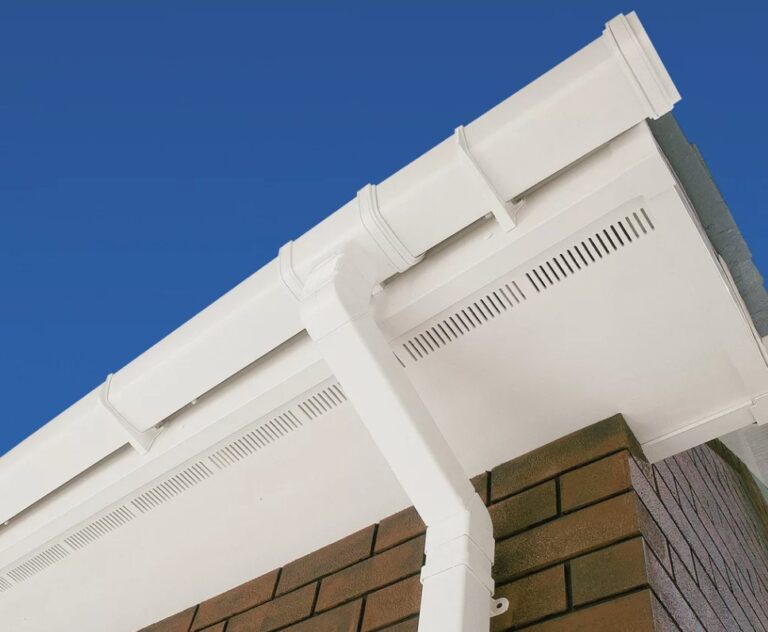
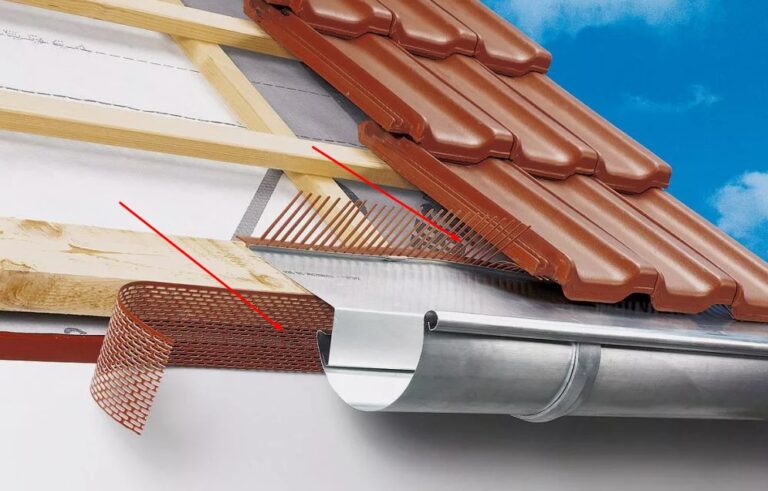
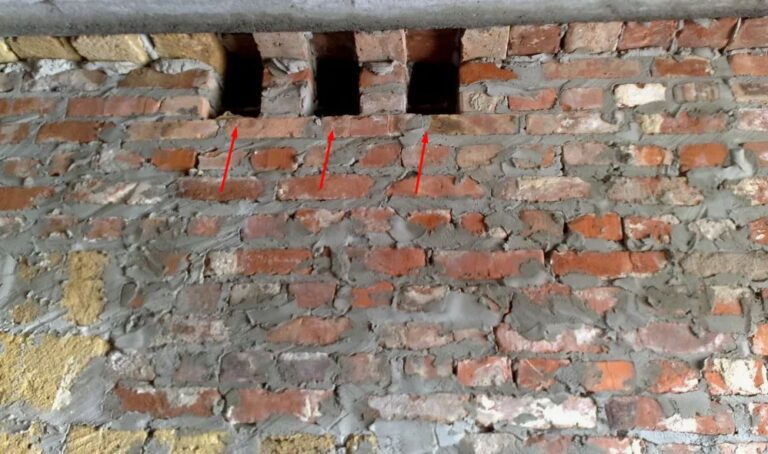
- Eaves vents are provided with a slit or a group of holes, creating a gap 200-250 mm long and 20 mm wide. They are located in the eaves overhang lining and covered with gratings. Vents can be made as pinholes in the top row of masonry or as a gap between the back of the lower roof and the end of the building walls immediately behind the gutters.
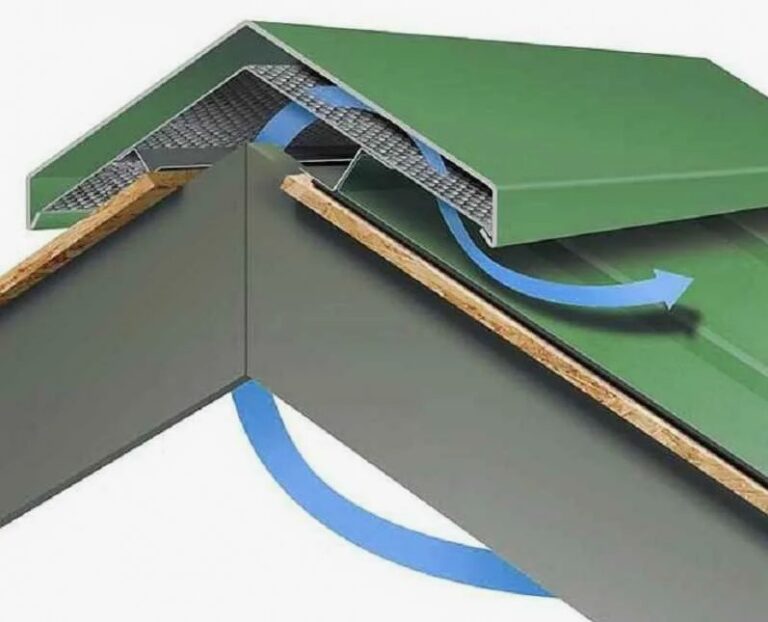
- Ridge vents are designed to be twice as long as eaves vents to ensure good draft and air flow along the ridge.
On roofs with complex shapes and lengths exceeding 10 meters, auxiliary elements are included: aerators, weather vanes, and penetrations with turbo deflectors. When calculating the number of elements, the flow capacity specified by the device manufacturer is taken into account. The installation location is determined by the complexity of the roof shape. For example, on a tiled roof, weather vanes are installed one row of tiles away from the ridge.
When the upper, cold floor of an attic is used in the summer for recreation, utility, or sanitary purposes, the recommended ventilation rates for the living space are taken into account in the calculations. Microclimate parameters in low-rise buildings are regulated by GOST 30494-2011.
The calculation is performed for each room, taking into account its intended use and recommended air exchange rates. For example, in the kitchen, 60 m3 of air should be exchanged in 1 hour.3 air in the bathroom and toilet - 25 m3Additionally, the calculations take into account the expected number of people in the room. The recommended intake per person is 30 m3 fresh air for 1 hour.
Attic ventilation schemes
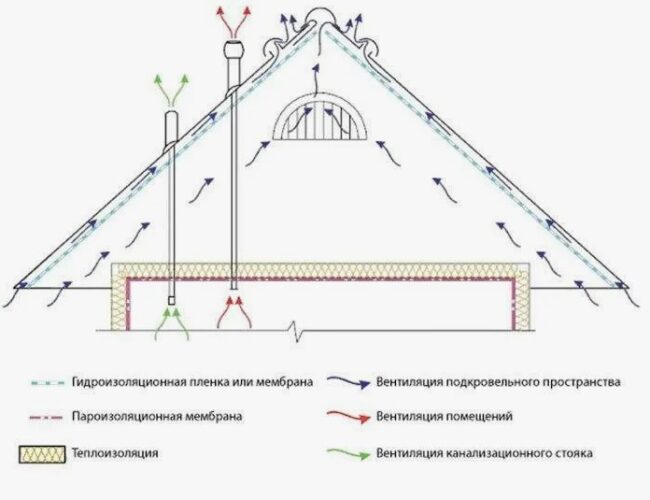
Simultaneously with the calculations, a ventilation scheme for the attic space is developed. In the absence of dormers or skylights, circulation is created through vents—an eaves inlet and a ridge exhaust.
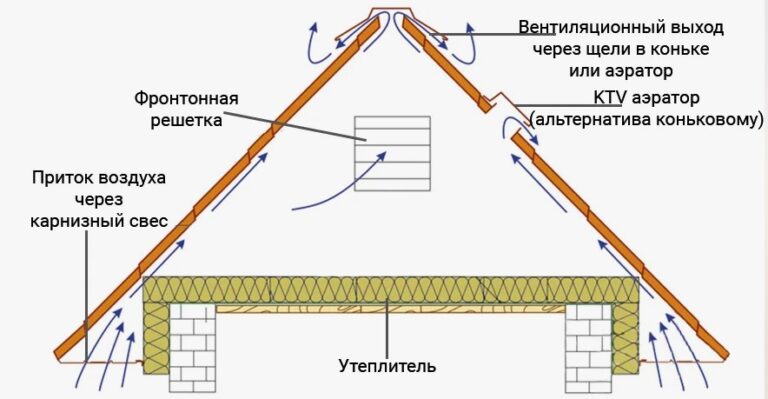
The presence of dormer windows simplifies the ventilation scheme. Eaves and ridge vents are left in place, but additional circulation is created through the gables with their openings. Sometimes, instead of dormer windows, a decorative grille with an adjustable damper and a check valve is installed.
The forced-air ventilation system is designed taking into account the house's layout. If the attic's cold roof is used as a living space in the summer, each room is supplied with an air supply and exhaust vent. Exhaust gases are discharged to the outside via an exhaust pipe.
When the attic is unoccupied even in summer, the duct system can be designed as a shared building system with the exhaust vented to the outside. With a separate system, it's impossible to route ventilation from the house into the attic for subsequent removal of stale air through penetrations and ridge vents.
The attic ventilation system is unable to remove moisture vapor entering through the exhaust duct from the living rooms and the waste pipe. Increased humidity will cause rotting of the wooden rafters. In a split system, the unoccupied attic is ventilated through vents. The exhaust duct from the house and the waste pipe from the toilet pass through the attic space and exit onto the roof.
Natural ventilation installation instructions
The attic ventilation system is installed during the roof installation phase. Later, additional vents can be provided by installing dormers or grated openings in the gable.
Sequence of works:
- Leave a 5-10 cm wide ventilation gap for the hood along the entire length of the ridge area. To protect the vents from dirt and birds, place a ridge strip under the extension strip.
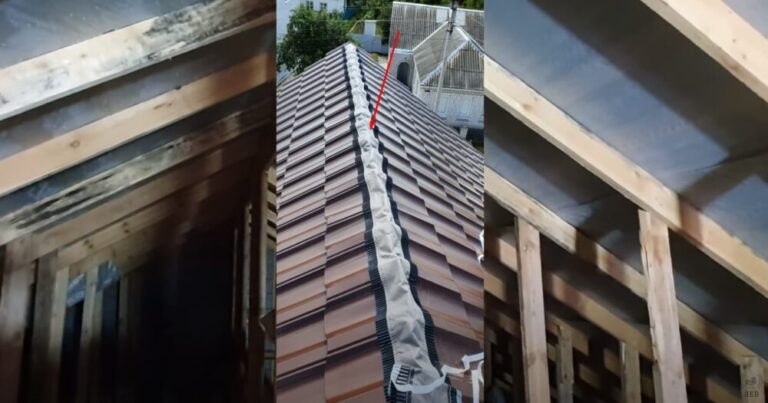
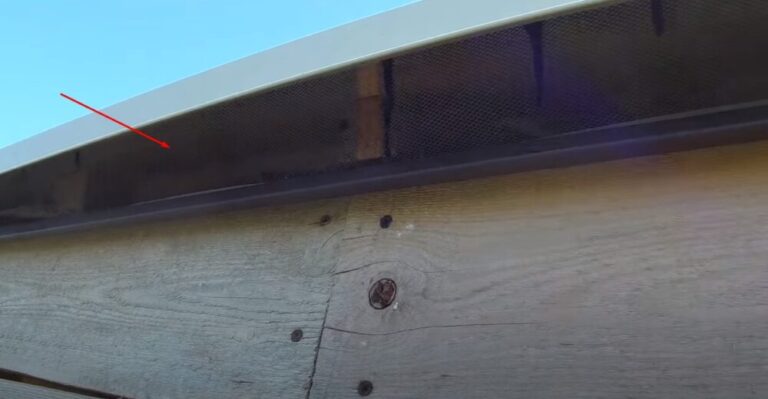
- At the base of the slopes, leave a gap of up to 50 mm between the roofing sheet and the battens with waterproofing. This gap should be maintained across the entire roof surface, from the eaves to the ridge. Use counter battens to create this gap. Cover the gap around the eaves with mesh to protect against birds and debris.
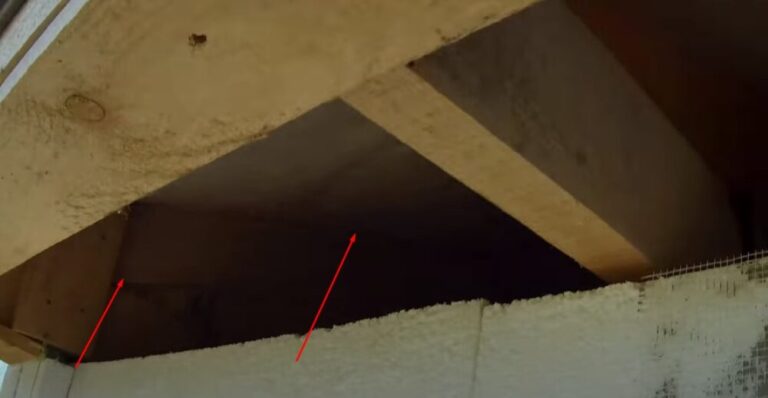
- A space forms under the eaves between the edge of the roof and the wall of the house. When installing the finishing material, leave openings for attic ventilation and cover them with soffits.
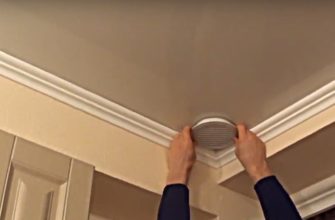
- Attach the grilles to the OSB gable on the attic side and mark the vents. Use a grinder and a hacksaw to cut out the holes.
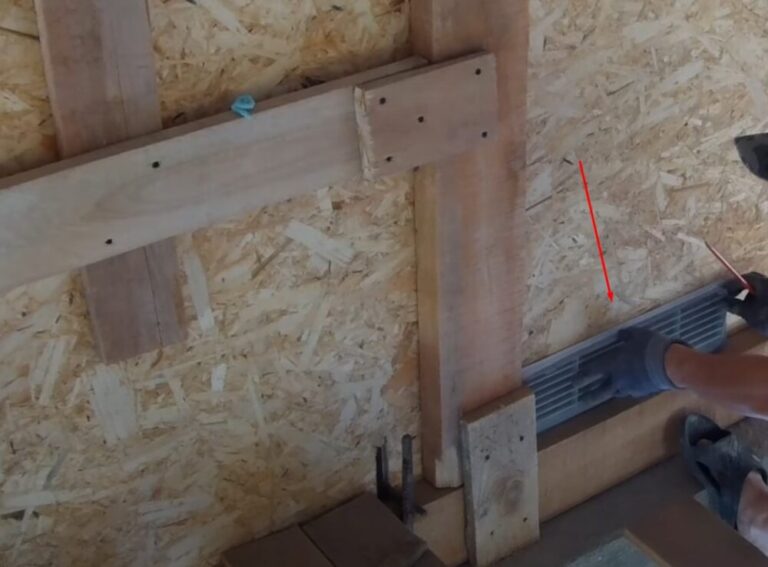
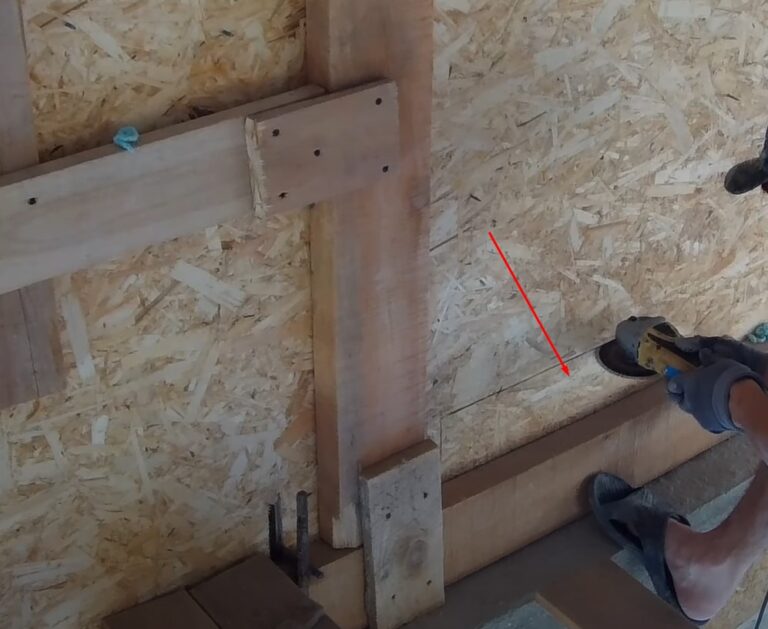
- On the street side, install gratings into the vents cut out on the gable. Secure the pieces to the OSB board at four points using screws through the access holes.
If the gable is brick, it's best to leave vent holes in the masonry beforehand, otherwise you'll have to cut them out later with a grinder and a diamond blade. To attach the grilles, you'll need to drill holes in the brick and insert plastic anchors.
How to insulate air ducts in the attic
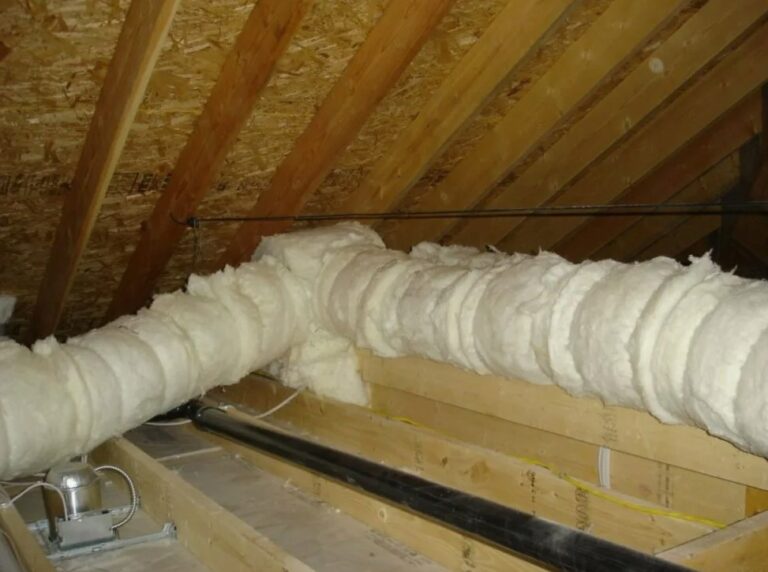
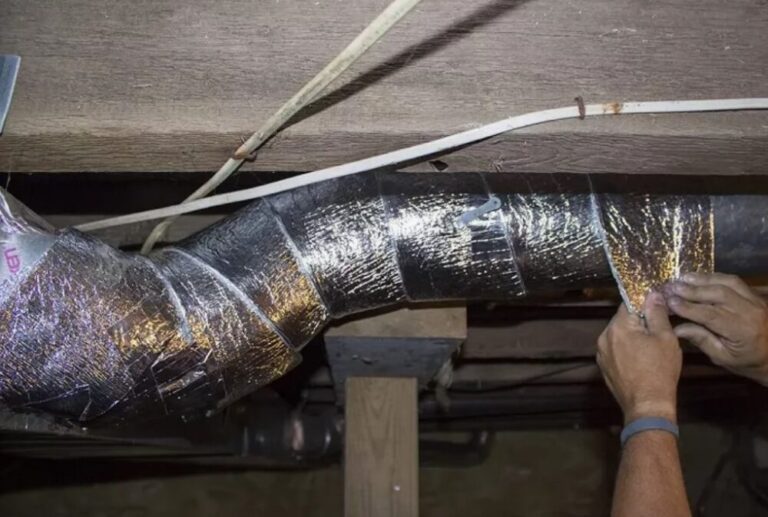
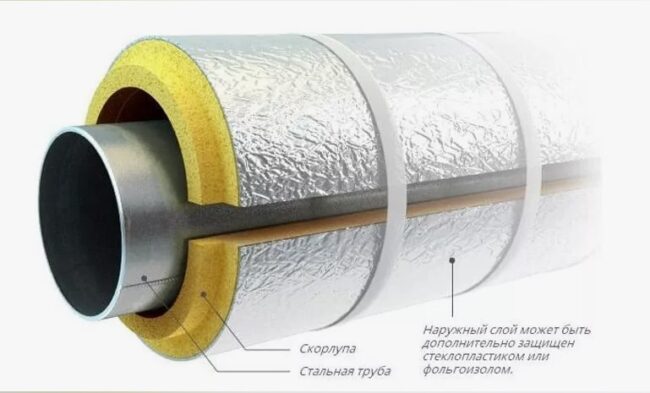
Ventilation ducts running through a cold attic are prone to condensation. Moisture inside the pipes is formed due to the temperature difference between warm air exiting the house and the cold air surrounding the attic. Thermal insulation helps prevent condensation.
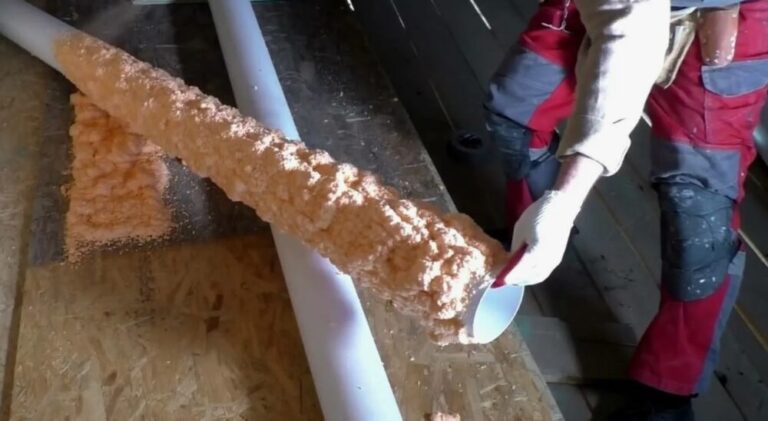
Air ducts are wrapped with mineral wool or foil-coated penofol. A shaped shell consisting of two matching halves, each sized to match the pipe diameter, is also suitable. A more expensive option is to insulate the ventilation system with sprayed polyurethane foam.
Recommendations for operation and maintenance of the ventilation system
Air exchange in a cold attic occurs without human intervention. Maintenance of the natural system consists of periodic inspection of the vents and cleaning of accumulated dirt. The joints between the penetrations and the roof are checked for leaks.
Maintenance of a mechanical system is complicated by the need to keep the equipment in working order. Filters need to be replaced or cleaned, and fan bearings need to be lubricated.
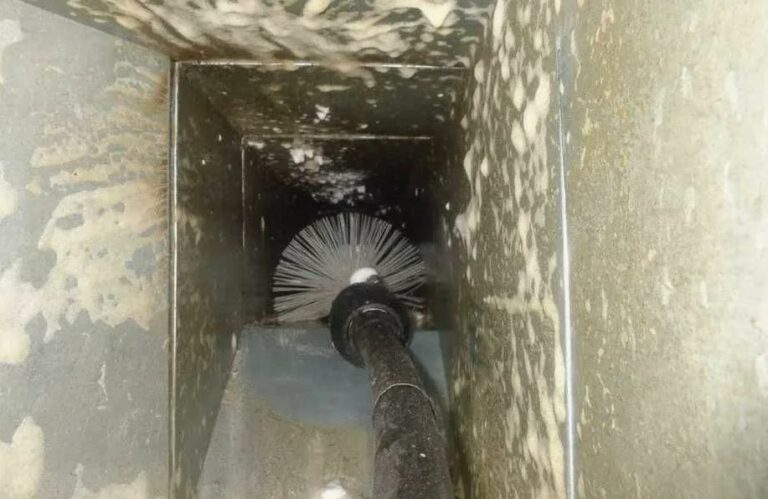
The manufacturer specifies maintenance intervals in the instructions for the specific equipment. Due to prolonged use, the inside of the ducts becomes coated with grease deposits. Pipelines are cleaned through inspection hatches, by disassembling individual sections.
Answers to frequently asked questions
Ventilation of the attic space is necessary to remove moisture vapor along with dirty air, which creates a favorable microclimate for fungi that destroy wooden rafters.
The gable is considered an extension of the wall. Insulation is recommended for both warm and cold attics to prevent thermal bridges from forming in the ceiling area of the house. Thermal insulation is applied to both the façade and the gable simultaneously.
The house's exhaust duct should not be routed into the attic. Roof ventilation will not be able to remove moisture vapor coming from the room. This will accelerate the rotting of the wooden roof components.
Insulating a soft roof is not cost-effective in an unheated, unoccupied attic. The temperature in the attic space will be close to the outside temperature. Insulating materials trap heat rather than generate heat. In a house with a cold attic, it is cost-effective to insulate the ceiling.