In buildings constructed from structural panels The problem of air exchange lies in the low vapor permeability of the wall materialThe absence of moisture inside the wall is considered a plus, as it reduces the risk of structural failure.
To eliminate the problem of poor air exchange, ventilation in a house made of SIP panels must refresh the air in each room at least once every 1.5 hours.
A simple option for arranging forced ventilation is to install reversible heat exchangers in through-holes in the walls.
We'll cover detailed installation instructions in this article. We'll also discuss the purpose, types, and advantages of ventilation. We'll also look at examples of diagrams and successful designs. We'll conclude the discussion with answers to frequently asked questions.
- The purpose and advantages of ventilation in a house made of SIP panels
- Current ventilation schemes for a SIP house
- Scheme with a recuperator
- Which design is best for a SIP house?
- Stages of forced ventilation installation
- Installation instructions
- Recommendations for installation and maintenance of ventilation
- A successful SIP house project with ventilation
- Answers to frequently asked questions
- Video materials
The purpose and advantages of ventilation in a house made of SIP panels
Modern frame houses are characterized by a timber-frame structure and complete airtightness. Despite the many advantages of prefabricated buildings, two negative factors make ventilation a priority:
- Airtightness is the first positive indicator, indicating the absence of drafts and heat loss. A negative factor is the stale air that forms inside the building. Without air exchange, residents have difficulty breathing. The risk of developing chronic respiratory diseases increases.
- Wooden walls are another positive factor, demonstrating the building's high energy efficiency. The wall material is a natural insulator.
A negative factor is the fear of waterDespite the moisture resistance of OSB boards, moisture gradually destroys the structure, creating favorable conditions for mold growth. High concentrations of vapors form precisely in stale air, when there is no air exchange.
A frame house is a general definition of a building in which the load-bearing role is played by a framework of beams. The spaces between the beams are filled with insulation and covered with rigid sheathing both inside and outside.
The walls are partially "breathing" when the frame is covered with OSB boards, and the internal voids are filled with mineral wool. The fibrous insulation allows air to pass through. Additionally, the frame house design includes ventilation gaps, but their primary purpose is to remove moisture from the insulation.
OSB boards saturated with adhesive do not allow sufficient airflow into the room to ensure adequate air exchange. It is advisable to install at least natural ventilation in the house.
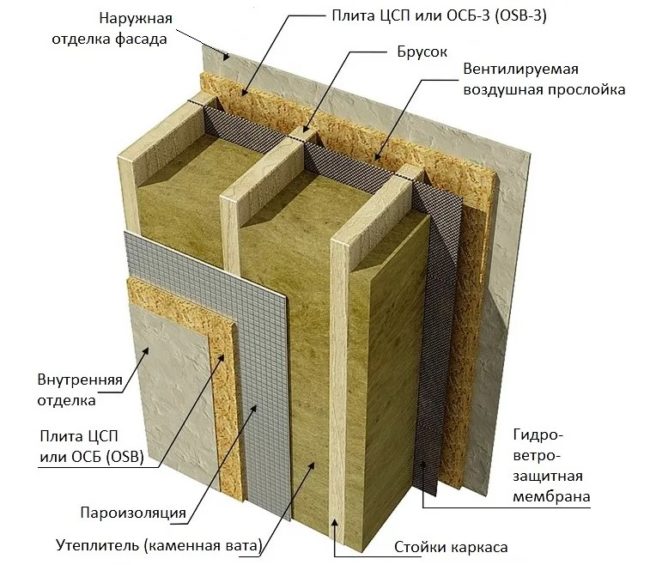
The house has walls made entirely of SIP panels not "breathing"The lack of minimal air exchange is explained by the structure of the wall material. SIP stands for structural insulated panel. The outer layers are made of OSB board, where adhesive still serves as a partial barrier to air penetration.
The insulation used is either expanded polystyrene or polyurethane foam. The former is glued in place at the factory, while the latter is injected as foam under pressure between two OSB boards. The result is a finished wall panel with low thermal conductivity.
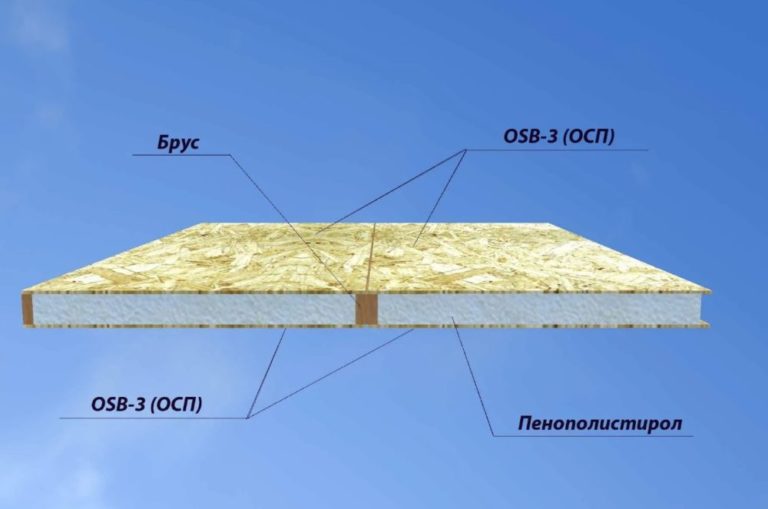
What polystyrene foam and polyurethane foam have in common is virtually zero air permeability. A framed structure, insulated on all sides, becomes a kind of thermos.
Additional ventilation in a SIP house is essential to remove moisture vapor, unpleasant odors, and air exchange from the room.
Advantages of installing ventilation in a frame structure made of SIP panels:
- A favorable microclimate is created for the people living in the house.
- Moisture vapor is removed from the room. Wooden structures are protected from swelling, warping, and fungal attack.
- Air exchange occurs without heat loss, which improves the energy efficiency of a timber-frame residential building. Heat is retained inside the building for longer, reducing heating bills.
To achieve these benefits, the ventilation system is designed during the project development stage. Installing utility lines later in a SIP-based home is difficult.
Not every site allows for arbitrary violation of the integrity of the structural panel to install ventilation ducts.
Current ventilation schemes for a SIP house
The ventilation system functions when it has both an inlet and an outlet duct. In a single-ventilation system with only one inlet or outlet, the utility system is inoperative.
To ventilate a house made of SIPs you need supply and exhaust ventilationThere are three types of utility networks, based on their installation method and air flow distribution:
- Natural ventilation is achieved through vents not equipped with fans. Fresh air from outside enters through an intake at the bottom of the SIP building's walls. Exhaust air is removed through an exhaust duct in the ceiling. Circulation is achieved through temperature and pressure differences. This natural ventilation system is suitable for small private homes built with SIP panels and housing one or two permanent residents, as a budget-friendly option.
- Mixed ventilation is an improved natural system. Air is supplied naturally, and exhaust is carried out through a fan-powered hood. The reverse design is less effective. A mechanical hood can pump in more air than a natural hood can exhaust. A mixed system with forced exhaust is suitable for medium-sized private homes.
- Forced air exchange is achieved through supply and exhaust vents equipped with fans. This system is suitable for large "smart" homes and cottages built with structural panels. Ducting is often used to ensure adequate air exchange in all rooms.
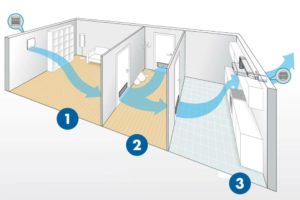
The natural and mixed scheme works when between rooms cross-flows are arranged To allow airflow. Vents are installed as openings in the interior partitions. Gaps are left between the door leaf and the frame of the interior door.
Air vents are required in every living room, and for utility rooms, they are optional or necessary. Exhaust hoods are installed in the kitchen and bathroom to prevent dirty, odor-laden air from passing through the air vents in the living room, hallway, and bedrooms.
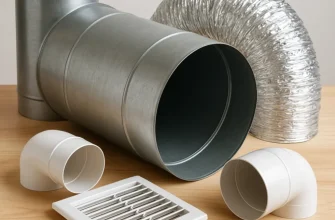
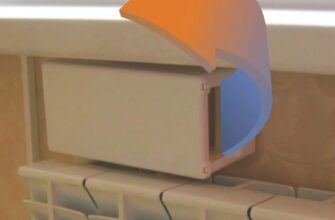
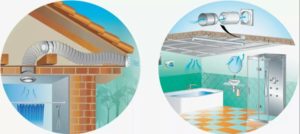
A ducted forced-air system is designed taking into account the building's layout. A combined design combines ducted and ductless systems. Mechanical air intake is provided in each room by installing a breezer or a wall valve with a fan, eliminating the need for ductwork.
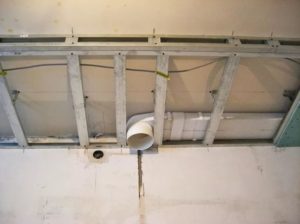
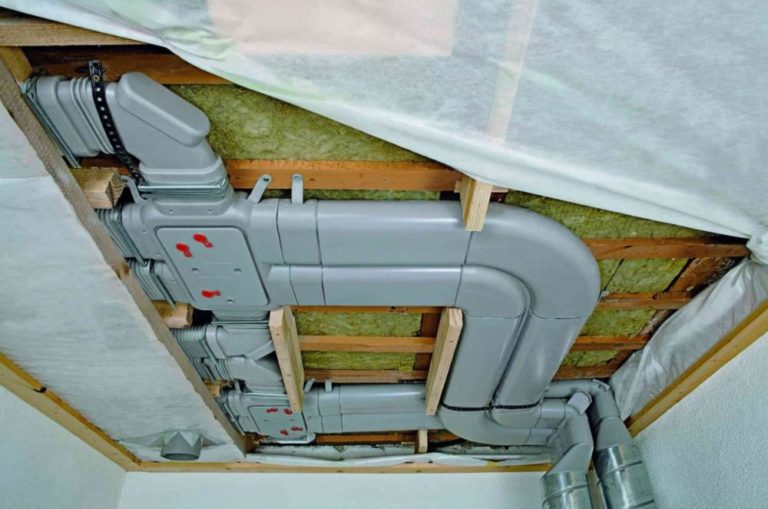
A common exhaust duct is installed from the bathroom via a riser through the roof. A separate pipe is run from the basement or cellar underneath the house to the street or connected to the common house duct. From the common riser, exhaust ducts are routed to each room of the house. The pipes are concealed under the suspended ceiling.
The combined and ducted mechanical ventilation system is supplemented with filters, heaters for heating the supply air flows, automatic fan control, and other useful components.
The more complex the design, the more expensive it is to install and maintain, but the more effective it is in terms of high-quality air exchange.
Scheme with a recuperator
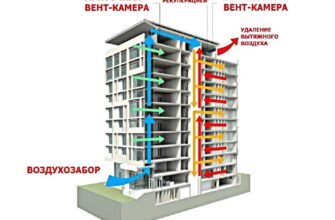
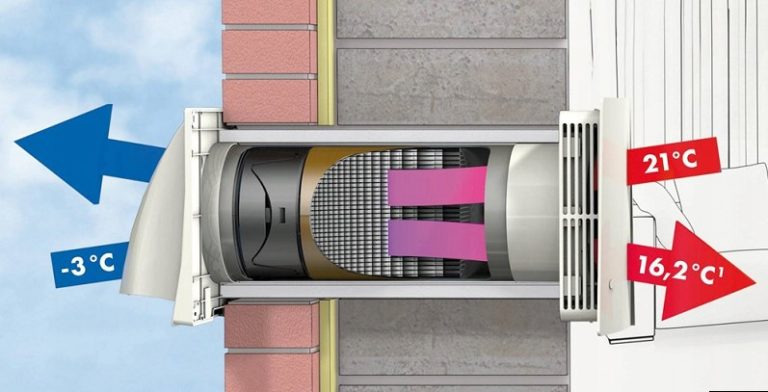
In a ducted system, exhaust and supply ducts are routed under the ceiling to each room. The ducts connect in a supply and exhaust recuperator. The unit resembles a rectangular box with four outlet pipes.
An intake and exhaust duct are routed from the recovery unit to the outside. The other two inlets are connected to the supply and exhaust ducts of the internal distribution system.
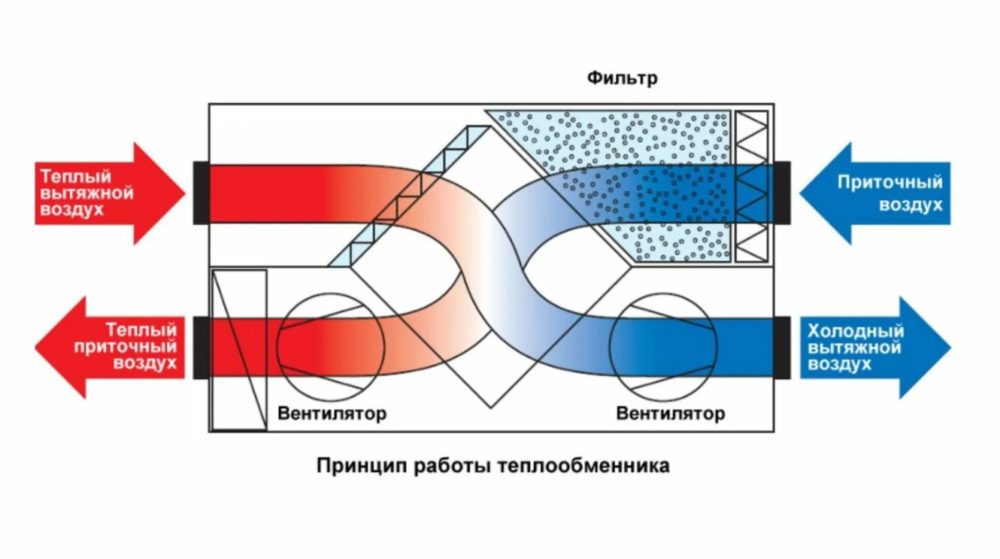
Inside the recuperator, the channels intersect but are separated by walls. The cold inlet air is warmed by the heat of the exhaust air.
The air flows are not mixed and undergo additional filtration, humidification, and ionization, if the unit has these features. The recuperator is installed in the attic, under the ceiling, in a non-living room, or on an insulated balcony.
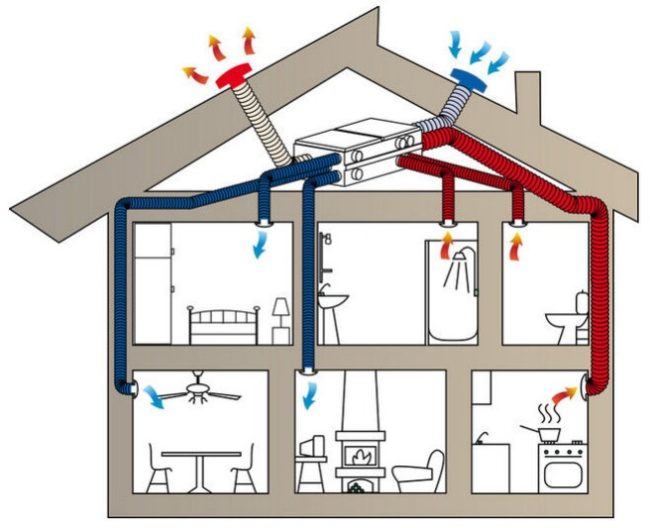
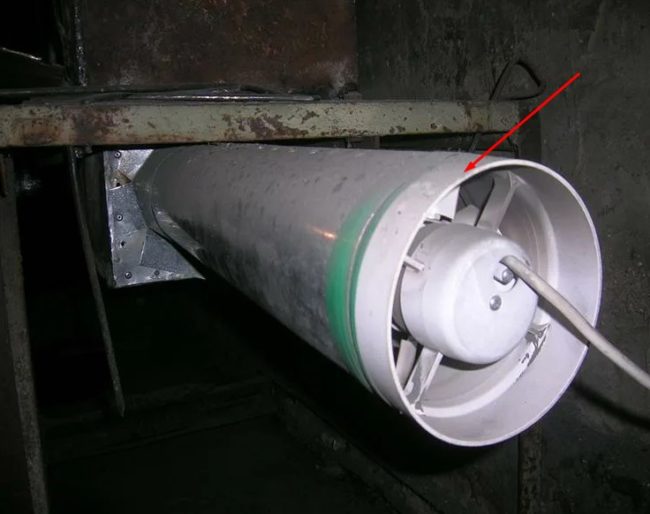
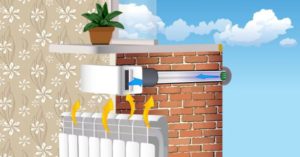
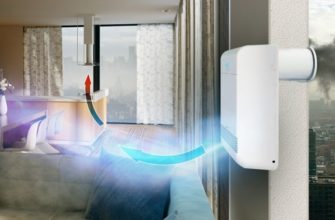
Compact recuperators have been developed for ductless ventilation. The device consists of a tube-shaped unit housing a fan, heat exchanger, and filter.
The recuperator operates alternately for supply and exhaust. The fan blades, rotating in the same direction, draw dirty air from the room to the outside.
As the air flows through the heat exchanger, they heat the walls. Switching to reverse rotation, the fan begins drawing in fresh air from outside and pumping it into the room. The air flows passing through the heat exchanger are further heated.
- Plus Ductless recuperator - no need to install air ducts, which cannot be hidden inside SIP panel walls.
- Disadvantages This applies to point use. The supply and exhaust unit is installed in one room. A separate unit must be purchased and installed for each room.
Which design is best for a SIP house?
Modern private SIP houses are designed with forced ventilation. This system is suitable for large cottages, attics, and two-story frame buildings. A heat recovery system is recommended, but it increases the overall cost of the utility system.
Natural ventilation cannot handle the required air exchange in a sealed house. This design is suitable for DIY installation in a seasonal attic or a small country outbuilding.
Natural ventilation is accompanied by heat loss through open windows and vents. In cold regions, air exchange through ventilation increases heating bills.
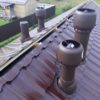
Intake vents are installed in each room. The number of exhaust vents is determined by the size and layout of the house. For small buildings with 3-5 rooms, one exhaust vent is sufficient. A common riser with an outlet to the outside through the roof is installed in the bathroom or utility room.
In a two-story house with an area of 150 m2 Up to 6 ventilation shafts are required. The average duct cross-section is 110 mm, but the exact diameter is calculated based on air exchange standards.
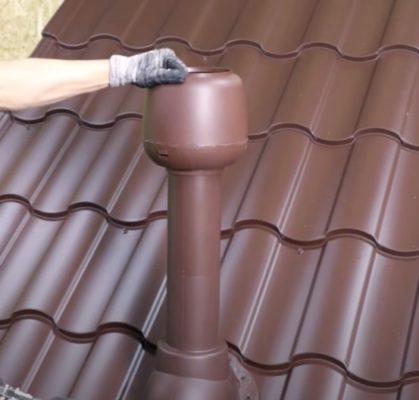
For aesthetic purposes and to minimize damage to the roofing, the attic risers are combined. A single pipe is routed through the roof to the street.
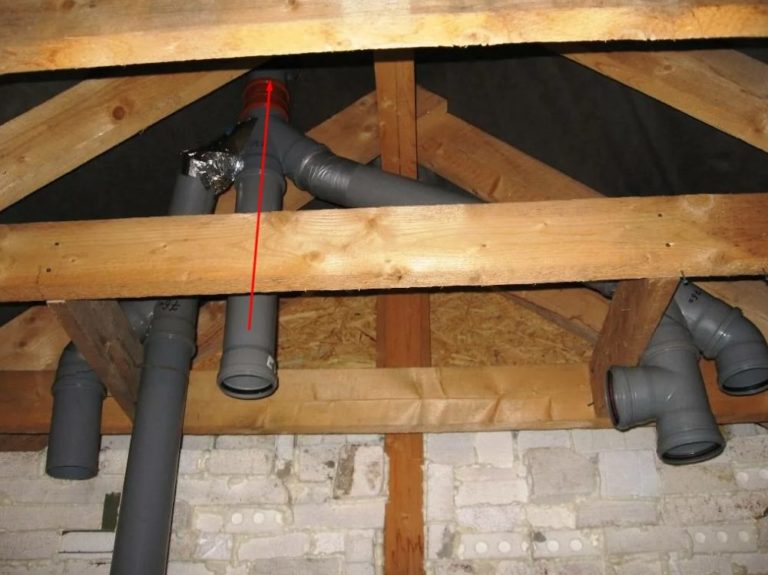
In addition to general building ventilation, a SIP house with a toilet requires sewer ventilation. A 110 mm diameter waste pipe is added to the riser and vented to the outside through the roof.
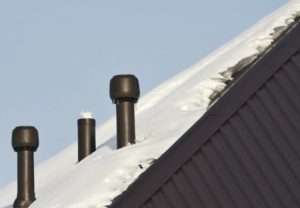
Connecting to the common building ventilation shaft is prohibited, to prevent unpleasant odors from the sewer system from entering the building in the event of a draft reversal. Taking into account the common building ventilation and the waste ventilation system, there will be at least two pipes on the roof.
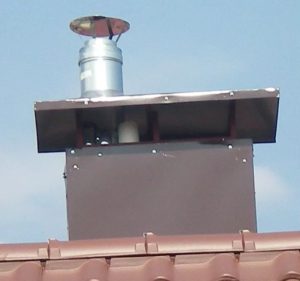
If the project includes independent heating, a third outlet—a chimney—will be added. For aesthetics and to prevent condensation, the three pipes are concealed within a common, insulated box.
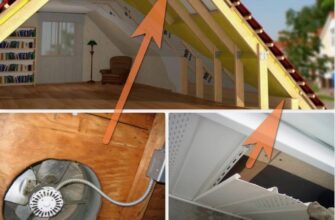
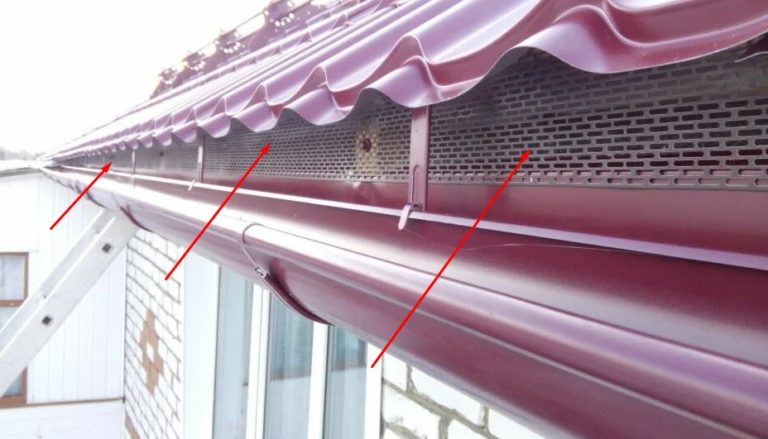
Roof and attic ventilation are also installed. On simple roofs, the utility system elements are invisible. Vents with protective gratings are located along the perimeter of the eaves and ridge purlin. The attic space is ventilated through dormers on the gable ends of the gable roof.
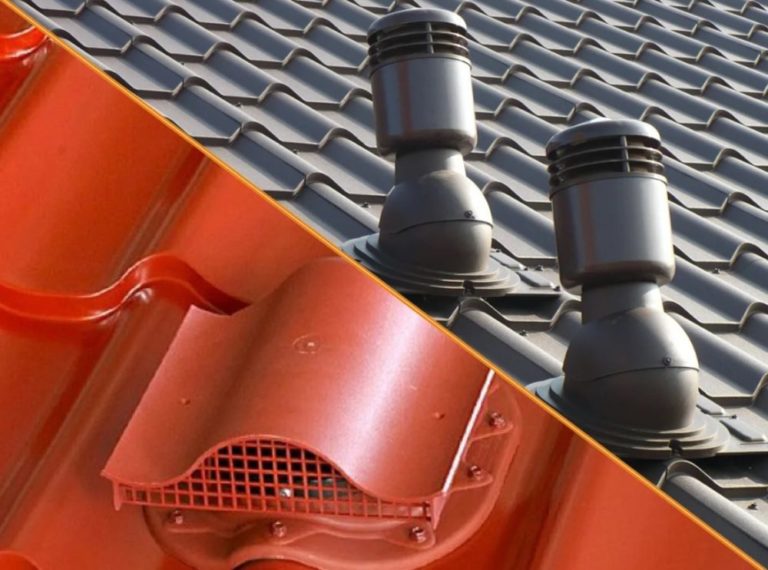
Hip and other complex roof shapes typically lack dormers. Slopes create areas where ventilation of the sub-roof space is impossible through vents at the eaves and ridge. In these challenging areas, spot ventilation elements such as penetrations and aerators are installed. The number of pipes or roof vents increases.
Stages of forced ventilation installation
In a new building made of SIP panels, it is optimal to design and install centralized ventilation with ducts connected to a recuperator during the construction phase.
Installation instructions
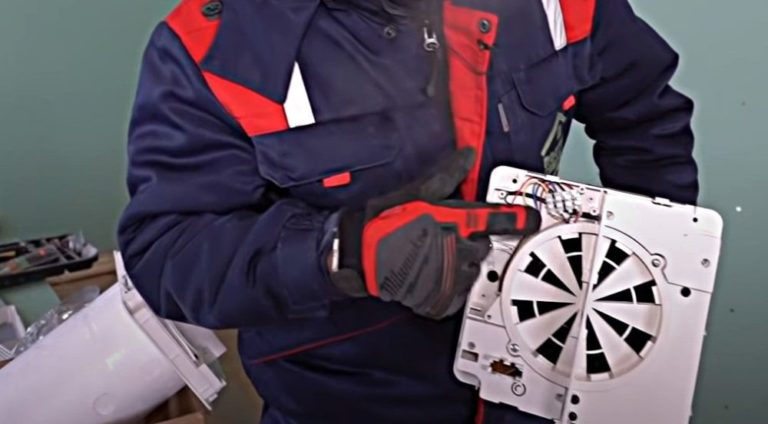
- We unpack the recuperator, check the casing for integrity and the complete set. We remove the front and rear covers. We remove the internal components from the cylindrical housing. We locate the power cable terminals under the rear cover, which covers the room-facing fan.
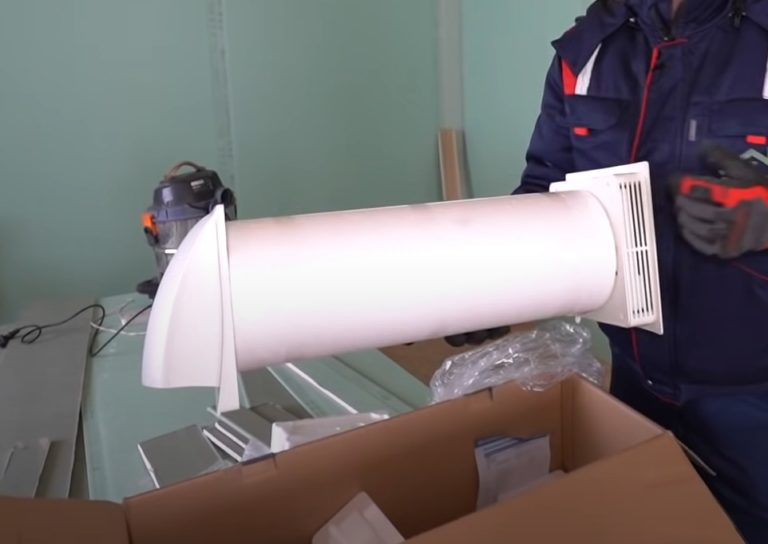
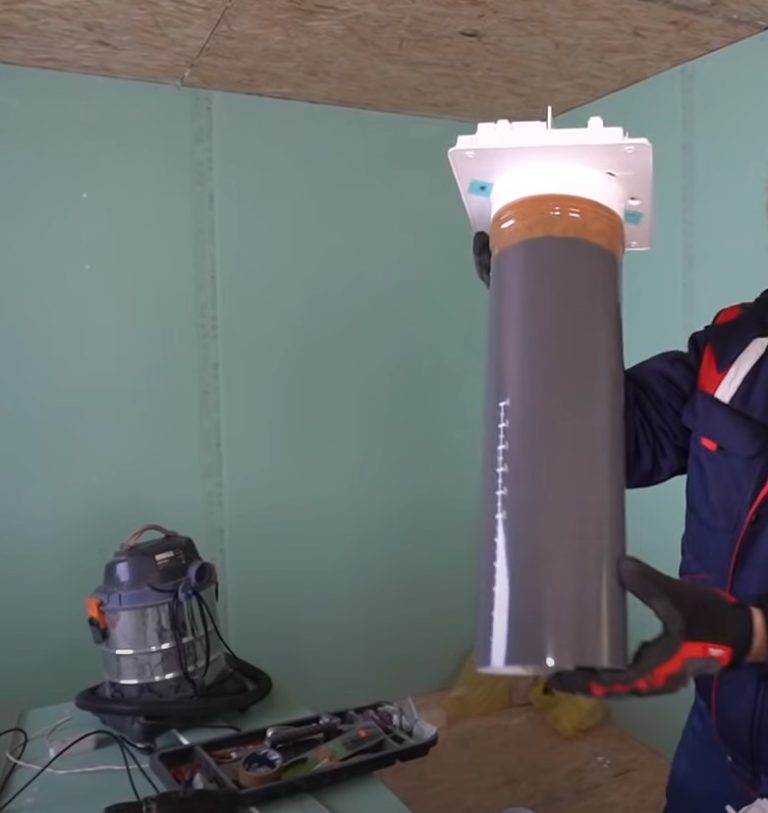
- The recuperator's outer casing acts as an insulating shell. Marley models have a cylinder outer diameter of 180 mm. Drilling a large hole in a SIP panel is difficult. A drill bit has a maximum diameter of 150 mm.
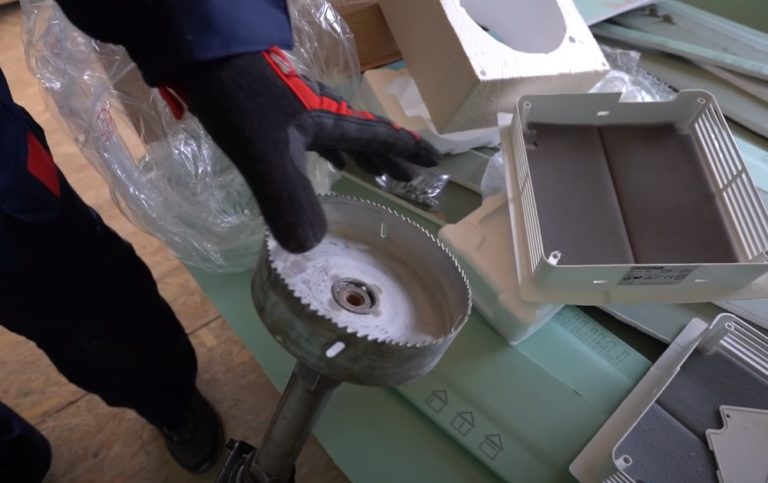
Hiring industrial drilling services is expensive. Using a drill with two blades on the drill bit is dangerous. The rotating blade will tear OSB boards, SIP panel insulation, and interior drywall. We solve this by replacing the standard body with two layers of penofol.
We wrap the internal cylindrical block, 145 mm in diameter, with two sheets of thermal insulation, totaling 6 mm in thickness. We perforate the wall with a 150 mm hole saw. The excess 1 mm of the block diameter, encased in soft foam, will be removed by pressing it against the hole walls, ensuring a high-quality seal.
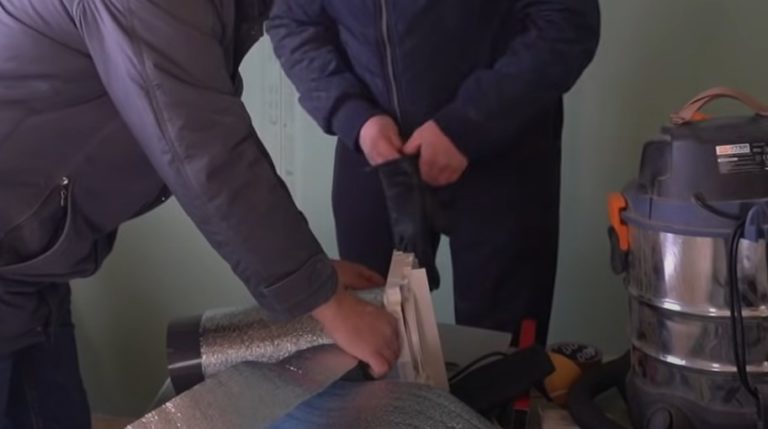
- We test the tightness of the insulated block in the drilled hole. We adjust the width of the penofol insulation to match the thickness of the SIP wall. We trim the insulation from the exposed portion of the block flush with the surface of the attached cover.
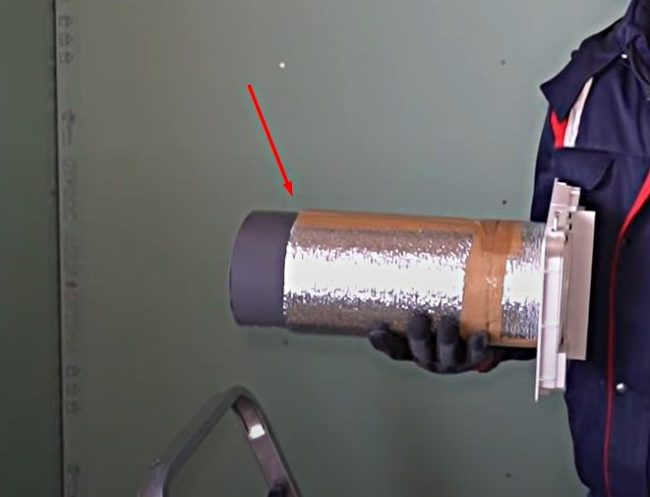
- After fitting, we install the block, insulated with penofol, into the drilled hole. We secure the flange to the inside wall with screws. We replace the decorative cap with ventilation grilles.
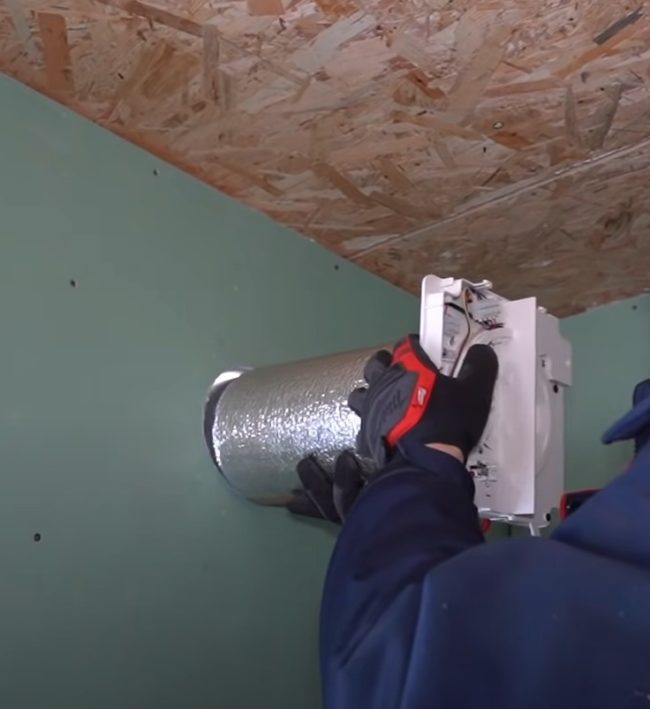
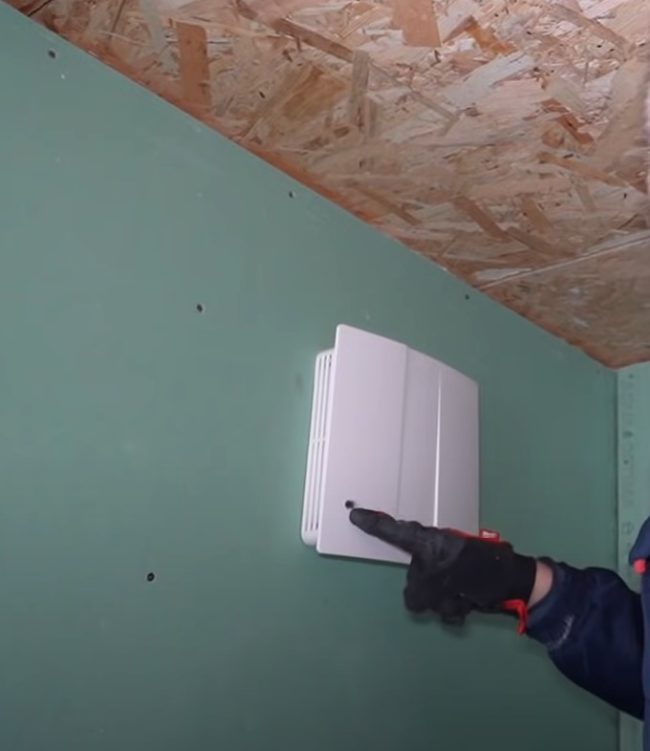
- The front of the heat recovery unit protrudes from the street side of the house's façade. The Marley unit is universal, designed for installation on thin framed and thick concrete walls. A thin SIP panel creates a large protrusion.
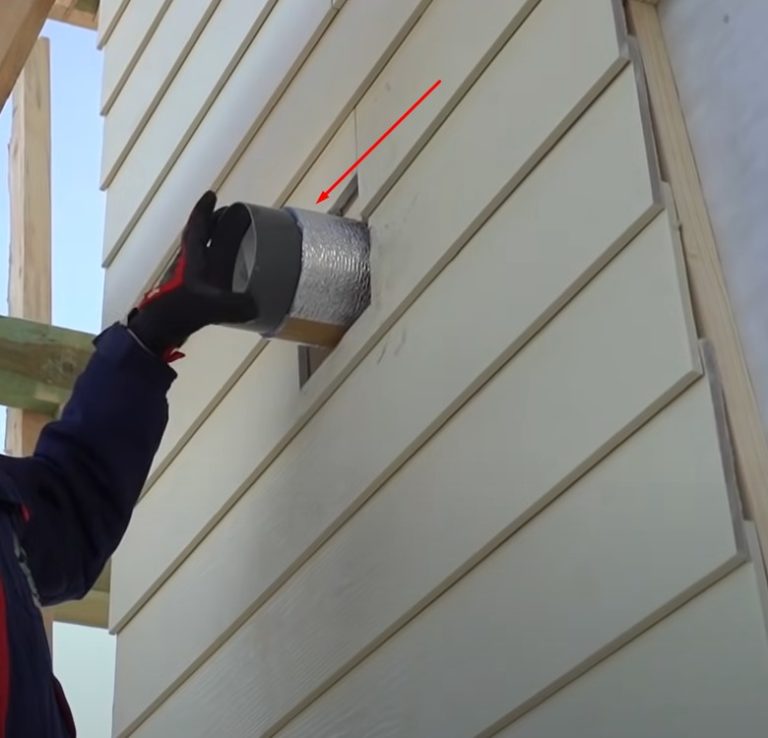
The equipment unit cannot be shortened by trimming. The gap between the outer cap and the façade trim is eliminated by installing a cover. The cover is made of foam. The back section can be easily trimmed with a knife to match the contour of the façade trim for a tight fit.
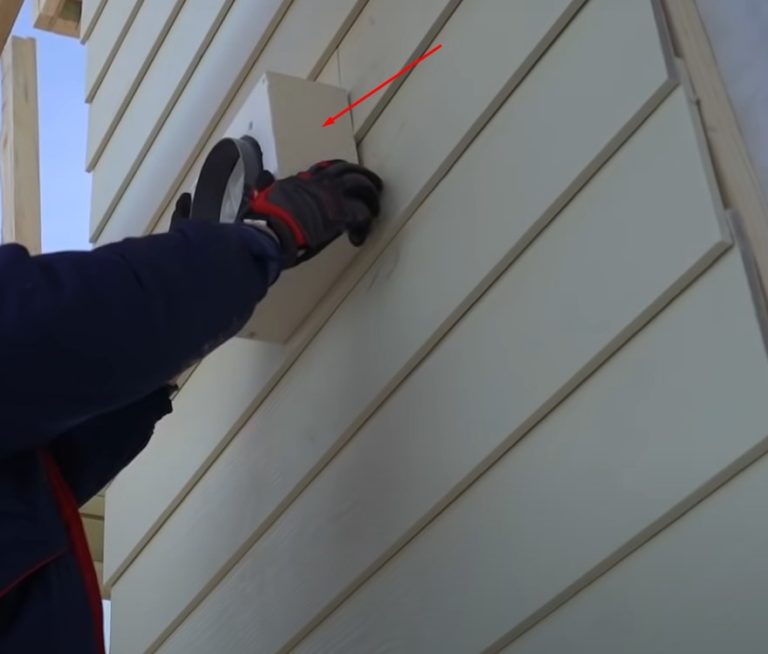
- We place a decorative cap with a grille on the portion of the block body protruding from the hood. We seal the joints with a colorless sealant.
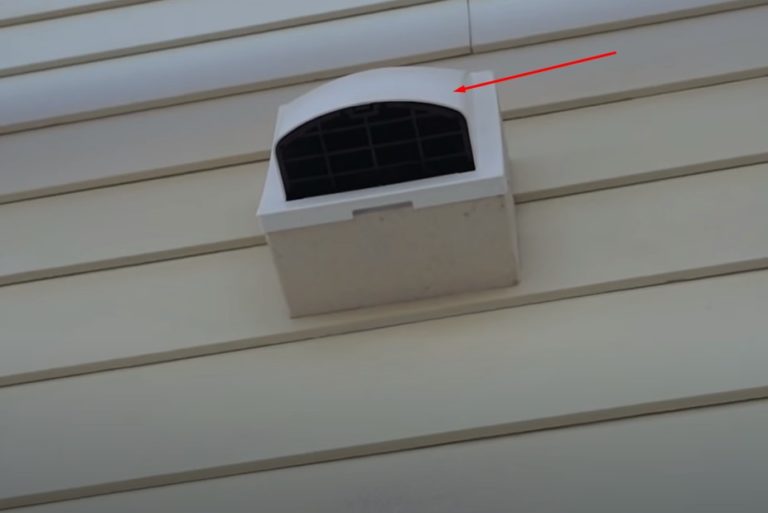
We install recuperators in all rooms of the SIP panel house in a similar manner. After installing the units, we remove the decorative caps from the room side.
We connect the power supply wire to the terminal blocks. We check the ventilation system's functionality and configure the operating modes.
Recommendations for installation and maintenance of ventilation
Ventilation system maintenance involves cleaning the air grilles of dirt. Filters must be replaced or cleaned, depending on the design of the operating unit.
It's best to entrust maintenance of fans, recuperators, and other complex equipment to service center specialists.
To ensure proper ventilation and avoid damage to the structural components of a SIP panel home, follow the installation recommendations for the utility system:
- In two-story houses with complex layouts, air becomes stagnant. Install fans in the ducts to ensure stable air flow.
- Buildings made of SIP panels typically allow for good internal sound audibility. To ensure that operating equipment doesn't disturb your rest, install soundproofing. Choose appliances with a noise level of up to 40 dB.
- Lay ventilation ducts over the building's structural elements. Conceal them with ducts, cladding, or suspended ceilings. Do not cut pipes into SIP panels.
- Use a hole saw to cut openings in the wall for valves, breezers, and recuperators. Do not use feathers or other tools that could tear the OSB boards or expanded polystyrene.
Following simple recommendations will help you provide your home with reliable ventilation without damaging the SIP panels.
A successful SIP house project with ventilation
As an example of effective bathroom ventilation, let's look at a successful summer cottage attic project using SIP panels. The client wanted to change the standard layout. The first and second floor bathrooms ended up offset from each other.
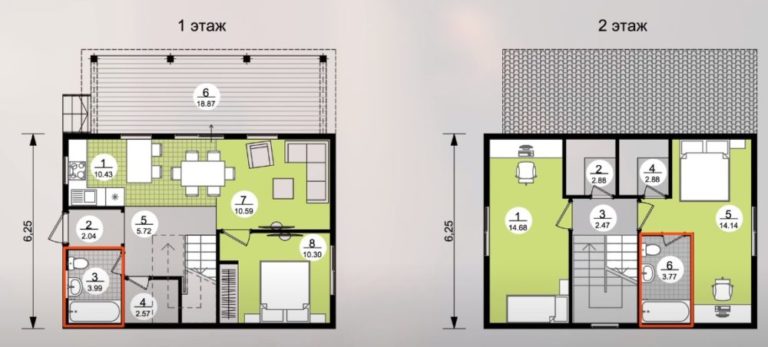
To extend the exhaust duct from the first-floor room, an additional riser had to be installed. The pipe passed through the second-floor living room, where it was concealed by a decorative box.
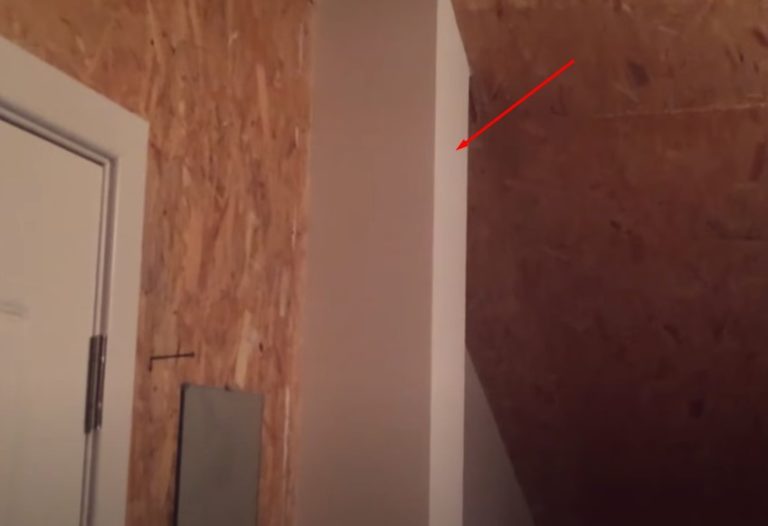
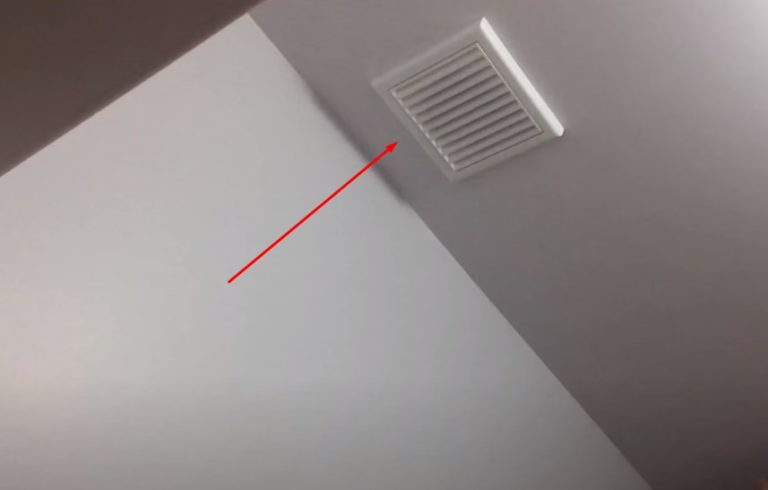
The second-floor bathroom exhaust vent was installed through the roof. The only visible part of the room's ceiling is a grate covering the vent.
To bring in fresh air, a supply air valve was installed at the bottom of each wall in each room. Air circulates through transfer vents under the door. Dirty air from the living spaces on each floor of the attic is directed to the bathroom and exhausted through the exhaust duct.
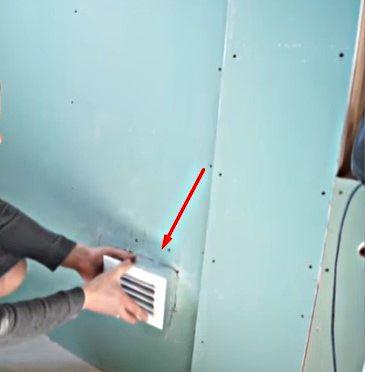
Natural ventilation has been working flawlessly since installation. If draft deteriorates, we'll improve the hood performance by installing ducted fans.
Answers to frequently asked questions
The ventilation equipment provides adequate air exchange, replenishing oxygen in living spaces. Moisture vapor and unpleasant odors are removed outside. The risk of mold growth and dangerous diseases is reduced.
Air ducts cannot be hidden inside structural panels. Ducts are installed superficially and then concealed. A utility system diagram is developed during the building design phase.
SIP panel buildings can be equipped with natural, mechanical, or mixed ventilation. Ducted, ductless, or combined utility systems are available. The specific ventilation system is designed for a specific home design.
To save on heating, it's necessary to reduce heat loss in the ventilation system. Installing breezers and recuperators allows for the cold inlet air to be heated by the warm outlet air without mixing the air flows.
When designing a ventilation network, the number of floors, layout, area and volume of the building, and room sizes are taken into account. Calculations also take into account the type of interior and exterior finishes, the location of windows and doorways, and the number of occupants.