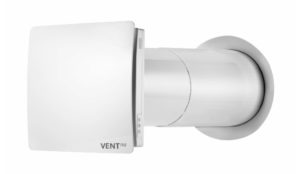
Heat recovery is the transfer of thermal energy from air masses removed from the room to the supply flow through the recuperator heat exchanger.
To install a single-room unit, drill a hole through the wall. Attach the outdoor and indoor units, connecting them with ductwork. If you need to install a whole-house heat recovery unit with supply and exhaust ventilation, you can place it in the attic. Connect the unit to the ductwork and ensure proper insulation.
In this article, we'll explore in detail the design, types, and operating principles of a recuperator in supply and exhaust ventilation systems. We'll also explore when air recuperation is beneficial and when it's not. We'll also review the ratings of popular models and provide step-by-step installation instructions for various types of recuperators.
- The principle and operation diagram of the recuperator
- Types of recuperators
- Plate models
- Rotary models
- Connected models
- Chamber models
- Heat pipe models
- Which ventilation and heat recovery unit should I choose for my home or apartment?
- When is air recovery needed in a house or apartment?
- Top 5 Popular Heat Recovery Units
- Funai Fuji ERW-150
- Vakio Base Smart
- Blauberg Winzel Expert WiFi
- Domovent SOLO RA1-35-9 R
- VENTini HRV-60 (B) Wi-Fi
- A step-by-step guide to installing a heat recovery system in a private home
- Installation of a wall-mounted VAKIO recuperator
- Installing a recuperator in a cold attic of a private house
- Answers to frequently asked questions
- Video about air recovery
The principle and operation diagram of the recuperator
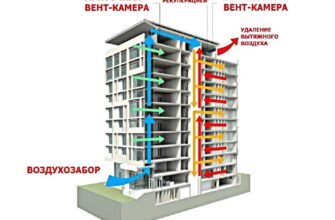
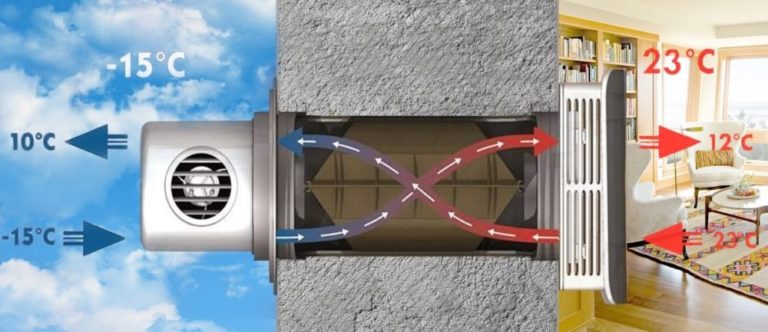
The unit's operation is based on the passage of air flows through a built-in heat exchanger. Briefly, air recovery in ventilation is the transfer of thermal energy. The process occurs in a heat exchanger, which is found in all existing types of recuperators:
- Exhaust air is removed from the room through a heat exchanger chamber. The walls are made of a material capable of transmitting up to 97% of thermal energy. Simultaneously with the exhaust, the supply air mode is activated.
- Supply air enters the room through the adjacent heat exchanger chamber. The air flow absorbs the thermal energy of the exhaust air masses, but is not completely or partially (depending on the design) contaminated by impurities due to the lack of direct contact.
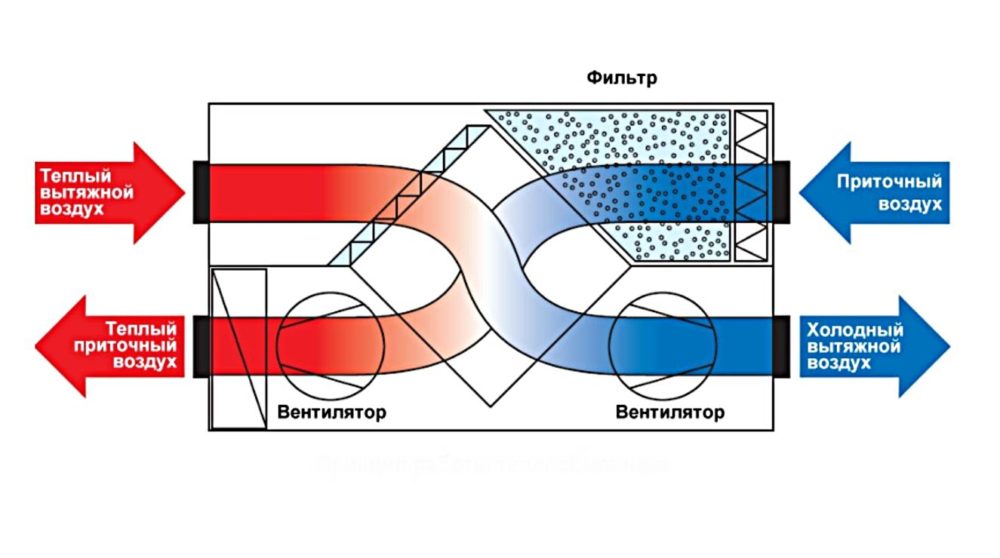
Thermal energy transfer has its own characteristics in cold and warm seasons. In winter, warm air flows into the room, increasing heating savings.
When the temperature inside the house is cooler than outside in summer, the incoming air is cooler, increasing savings on air conditioning.
Types of recuperators
The design of a heat recovery unit directly impacts the air flow pattern and ventilation efficiency. The design also determines energy consumption and the cost of the equipment itself.

According to the design of the heat exchanger, there are 5 types of recuperators.
Plate models
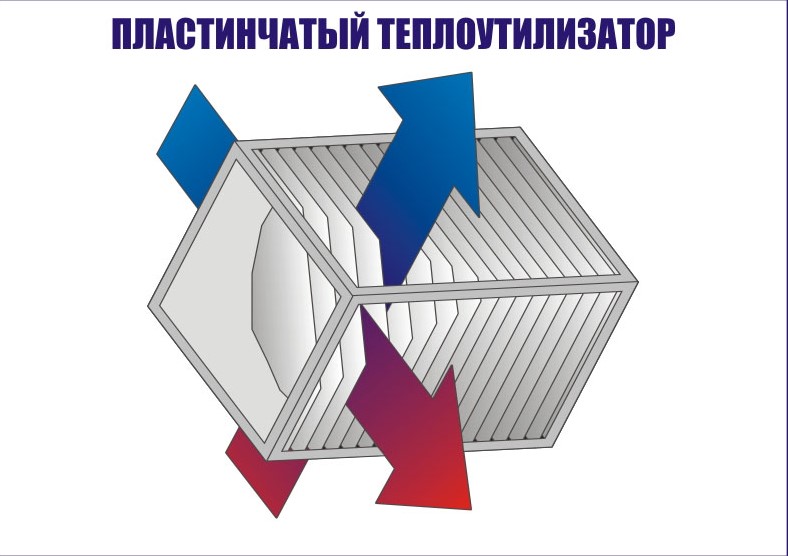
The heat exchanger is assembled from a large number of cameras, where the partitions are made of heat-conducting plates. The flow pattern is called cross-flow because the inflow and outflow flow are directed toward each other. Different sides of the partitions are heated and cooled simultaneously.
Advantages:
- Low cost of ventilation unit.
- Lack of contact between supply and exhaust flows.
- Easy installation and setup.
- Durability of the block due to the absence of rubbing mechanical components.
- Efficiency 40-70%.
Disadvantages include condensation in the exhaust air duct. Ice builds up in winter. Defrosting requires redirecting the heat flow to the plates, bypassing the heat exchanger. In defrost mode, a heater is turned on to quickly warm up the supply air. The efficiency of the ventilation unit decreases by 20%.
The problem of ice formation can be solved by preheating the supply air or by purchasing a recuperator with a cellulose heat exchanger. This hygroscopic natural material absorbs moisture from the exhaust air and releases it back into the supply air.
Depending on the material used, you can choose from 3 types of heat exchangers:
- AluminumAn inexpensive and reliable heat exchanger. It has high thermal conductivity, but dries out the air. It is not recommended for use in living rooms. It is suitable for ventilation in a sauna or swimming pool.
- PlasticComparable in cost to a metal heat exchanger. It offers increased efficiency, but dries out the air.
- CelluloseIt's less durable than plastic and metal alternatives, but it's less prone to ice buildup. It doesn't dry out the air entering the room.
For ventilation of a private house, apartment or office the best choice would be cellulose heat exchanger, capable of maintaining normal humidity levels in the room.
Rotary models
The design is a cylinder filled with corrugated metal sheets. Between the layers of filler, compartments are formed that receive cold and warm air as the rotor rotates. As the speed increases, the heat exchanger's efficiency increases.
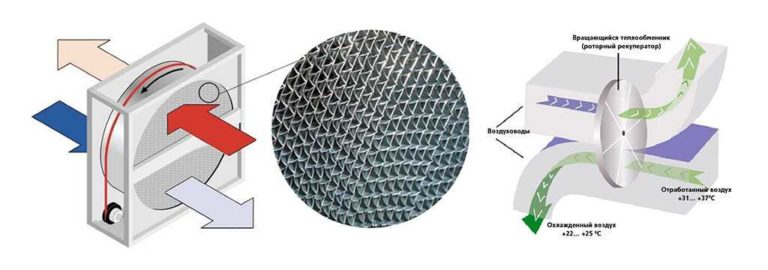
Advantages:
- Efficiency 65-90%.
- Low power consumption.
- Does not dry out the air, partially releases moisture to the influx.
- The price is high, but the payback period does not exceed 4 years.
Flaws:
- Up to 8% of dirty air and unpleasant odors enter the inflow.
- The rotating rotor creates noise and vibration, is difficult to maintain, and requires periodic replacement.
- The rotor is characterized by large dimensions.
Noisy and bulky rotary heat exchangers are installed in the ventilation systems of industrial premises.
Connected models
The heat exchanger is also called a "coupled" or "glycol" heat exchanger. The unit received the former name due to its complex design. The recuperator contains a unit with two heat exchangers—one for the supply air and one for the exhaust air. A glycol mixture circulates between them, transferring thermal energy from the exhaust air to the incoming air.
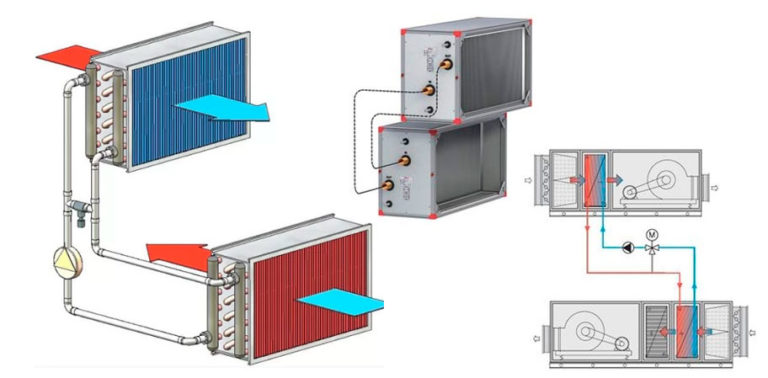 There is no mixing between the supply and exhaust flows in a closed system. Because of the coolant used, the heat exchanger is also known as a glycol heat exchanger.
Advantages:
- Possibility of adjusting the glycol circulation rate with the pump.
- It is permissible to install the supply and exhaust ventilation ducts remotely from each other. Each duct will have its own heat exchanger branch.
- Efficiency reaches 45-55%.
- Installation in horizontal and vertical positions is permitted.
- A recuperator with a glycol coolant operates in freezing temperatures without the need for regular defrosting of ice on the exhaust heat exchanger.
- Possibility of installation in a complex ventilation system, where there is 1 inlet and several exhausts, or in the opposite order.
- Equal volume of supply and exhaust air.
- The payback period for the heat exchanger does not exceed 2 years.
Serious design and operation defects not identifiedGlycol models are suitable for ventilation systems where mixing of the supply and exhaust air is unacceptable due to severe contamination or toxicity of the exhaust air.
Chamber models
The heat exchanger is designed as a closed box, forming a chamber. A movable damper is installed inside. During ventilation, the damper alternately redirects the supply and exhaust air flows within the chamber. The air moves along a predetermined trajectory.
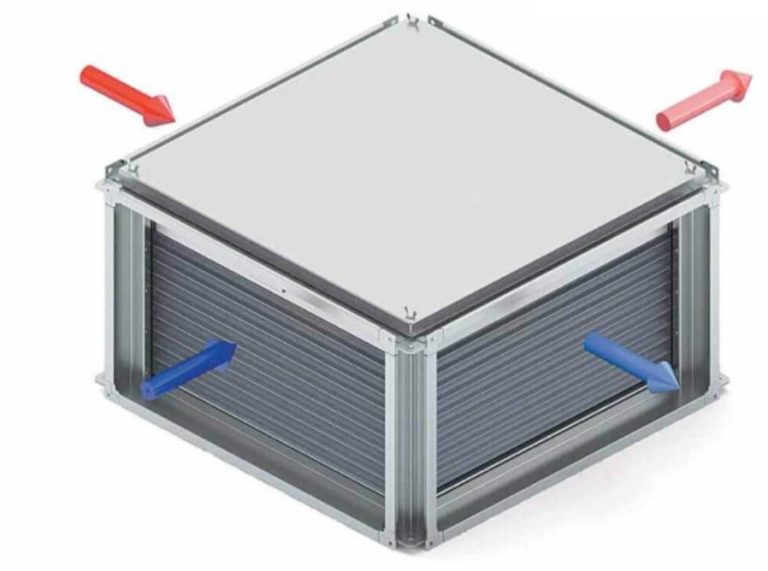 The inlet air absorbs the thermal energy of the heated walls of the box. The exhaust air warms another section of the chamber. With each movement of the damper, the cycle repeats.
Advantages:
- Using a recuperator with a chamber heat exchanger in a ventilation system allows you to reduce heating costs.
- Efficiency reaches 80-90%.
- Simple installation is possible without involving third-party specialists.
- Does not dry out the air.
- Does not become coated with ice in winter.
Flaws:
- Moving parts need to be serviced regularly.
- The counter-currents of air partially mix, transferring pollutants and odors.
To reduce the intensity of pollution of the inlet air by exhaust air, put filtersThe flows entering the room are purified, but the efficiency of the recovery unit decreases.
Chamber models are suitable for ventilation of residential and public spaces in regions with high temperature differences between the outside and inside the building.
Heat pipe models
The heat exchanger is a closed vessel. Inside, aluminum or copper tubes containing freon are circulated and ventilated by air. In its gaseous state, the refrigerant rises, transferring heat to the incoming air.
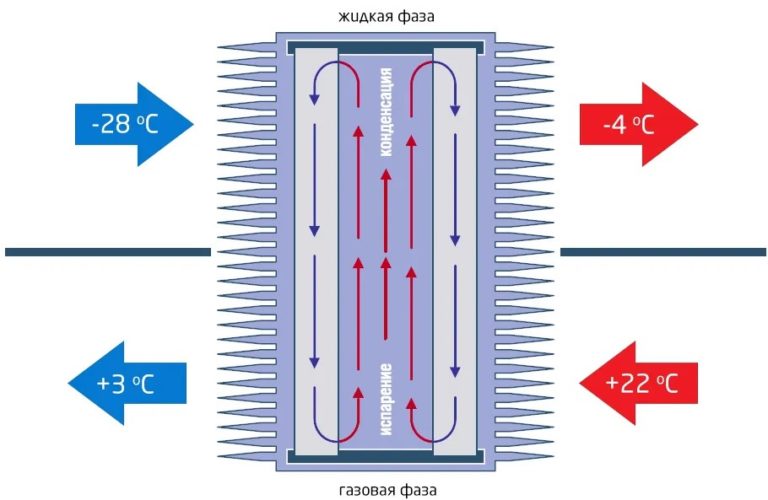 The cooled freon condenses and flows down the tubes, where it is warmed by the exhaust air. The cycle repeats itself constantly.
Advantages:
- Efficiency reaches 65%.
- Quiet operation.
- Long life of the installation due to the absence of moving parts.
- Small weight and dimensions.
- The circulation of the refrigerant occurs naturally and does not depend on electricity.
- There is no mixing of supply and exhaust air flows.
Flaws:
- Efficiency depends on air temperature. When the tubes heat up quickly, the refrigerant completely evaporates. The conversion of freon to gas slows down when the temperature is low.
- The thin walls of the tubes are fragile. If damaged, freon will leak.
Heat exchangers with heat pipes are suitable for ventilation systems in private homes, offices, and public buildings.
Which ventilation and heat recovery unit should I choose for my home or apartment?
For ventilation of residential spaces, recuperators with plate, heat pipe, and chamber heat exchangers are suitable. The system can be implemented in a centralized or local (decentralized) configuration.
A centralized system refers to ventilation for the entire building. The recuperator receives exhaust air and directs inflow air through ducts running to each room.
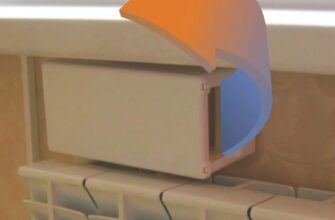
Local ventilation is installed for a single room. A ductless system, based on a wall-mounted heat exchanger inserted into a through-wall opening, is most commonly used.
When is air recovery needed in a house or apartment?
Air recuperation makes it possible to set up a full-fledged supply and exhaust ventilation in closed buildings where it is not possible to extend air ducts outside.
When technical capabilities are available to route the inflow and outflow channels outside the building walls, the recuperator will provide the room with clean air and transfer thermal energy.
For residents of southern regions, installing a heat recovery unit in their apartments and houses is not cost-effective. The unit is expensive, and the difference between indoor and outdoor temperatures is insignificant.
The cost of ventilation with heat recovery increases by 50%. There's no point in wasting money just to obtain a small amount of heat exchange.
The recuperator will be useful in ventilating a building constructed in a region with a moderate or northern climate or a long off-season.
The highest efficiency occurs with significant temperature differences. A prime example is when it's freezing outside in winter. -15OWITH, and in a heated room the air is heated to at least +20OWITH.
Top 5 Popular Heat Recovery Units
An apartment or private home with heat recovery ventilation offers superior microclimate comfort and energy savings compared to residential buildings with a more primitive ventilation system.
The energy efficiency and performance of a ventilation system depend on the technical specifications of the heat recovery unit. Retailers offer a wide selection of equipment, but our ranking includes the best-selling models.
Funai Fuji ERW-150
A powerful plate recuperator provides air exchange 30-150 m3/hourA fresh, fresh air stream comes in from outside, filtered to remove allergens and viruses. The unit is suitable for a bedroom, study, other individual rooms, or the entire house. A 100 mm round duct is provided for connection.
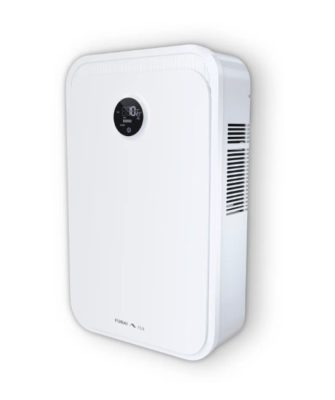 Pros and cons:
- Low power consumption (0.05 kW).
- 9 fan speeds, user-friendly display, low noise level of 20 dB.
- The light weight of 6.9 kg allows the block to be mounted on a wall with a thickness of 1 cm.
- Despite its large dimensions (386x610x138 mm), the unit takes up a lot of space.
- Filters get dirty quickly and need to be changed frequently.
- The recuperator cannot be installed near a heating battery due to the formation of condensation.
Price on Yandex Market 45,990 rubles.
Vakio Base Smart
Plate air handling unit consumes power 0.04 kW. Productivity 40-120 m3/hour enough for high-quality air exchange in a separate room or a small house.
The supply air is purified by coarse and fine filters. A round 125 mm diameter air duct is used to connect the recuperator.
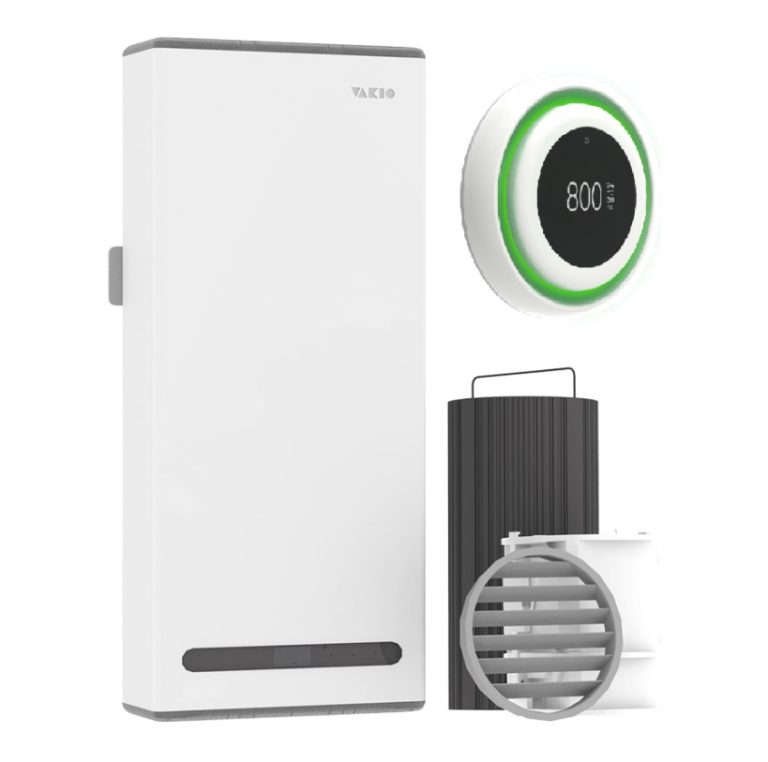
Advantages and disadvantages:
- An inexpensive, maintenance-free unit with convenient controls on the housing, using a remote control or smartphone.
- Concealed installation is possible, which makes it possible to hide a large case measuring 300x250x550 mm and weighing 7 kg.
- In difficult conditions, the block may be placed at an angle.
- High noise level 39 dB.
- When installed in an open area, the bulky unit takes up useful space.
- The noise muffler is located at the inlet, which reduces the comfort of using the recuperator.
Model price on Yandex Market 32,890 rubles.
Blauberg Winzel Expert WiFi
Plate-type supply and exhaust unit with heat recovery equipped with a WiFi module, which is convenient for integrating ventilation into a smart home system. The unit consumes 0.005 kW power, provides air exchange with filtration 15-50 m3/hour.
Suitable for installing ventilation in a single room of a private home or apartment. Connection is provided via a round 160 mm diameter duct.
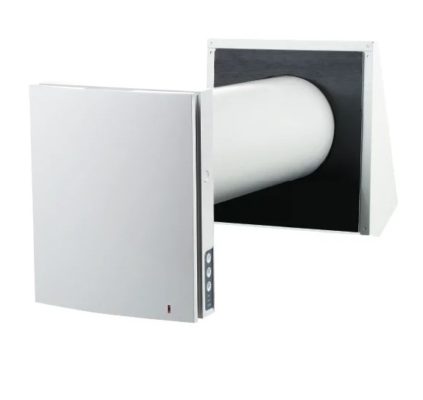
Advantages and disadvantages:
- Availability of a humidity sensor and a WiFi module.
- Compact dimensions 234x284x64 mm, light weight 7.28 kg.
- 3 fan speeds with the ability to move air flows with temperatures from -30 to +50OWITH.
- The installation is complicated by the need to make a hole in the wall using diamond drilling.
- High noise level 30 dB.
- The capacity is enough for 1 room.
The block isn't always available for sale on Yandex Market. Average price in stores 50,127 rubles.
Domovent SOLO RA1-35-9 R
A recuperative plate unit for exhaust and supply ventilation provides air exchange 30-46 m3/hourPower consumption 0.002 kW.
The unit is equipped with a ceramic regenerator and a two-speed fan. Only coarse filters are installed to clean the supply and exhaust air. The air duct is circular.
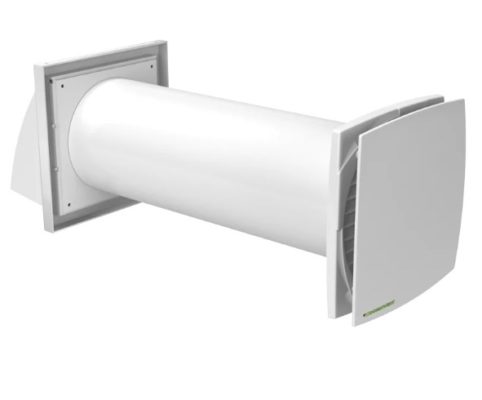 Pros and cons:
- Compact block measuring 150x150x380 mm.
- Possibility of use in residential and public premises.
- Low power consumption.
- High noise level 32 dB.
- Inconvenient location of the control unit on the power cord.
- Lack of fine filter.
This model doesn't often appear on Yandex Market. The average price for this model in other stores 15,439 rubles.
VENTini HRV-60 (B) Wi-Fi
The model has a low noise level of 15 dB and is designed for installation in living rooms with the recommended area 25 m2The recovery coefficient reaches 90% due to the installed honeycomb ceramic heat exchanger.
At power consumption 0.002 kW, air exchange is regulated in 4 stages in the range of volumes 26-60 m3/hourThe air duct is made of a round cross-section with a diameter of 160 mm.
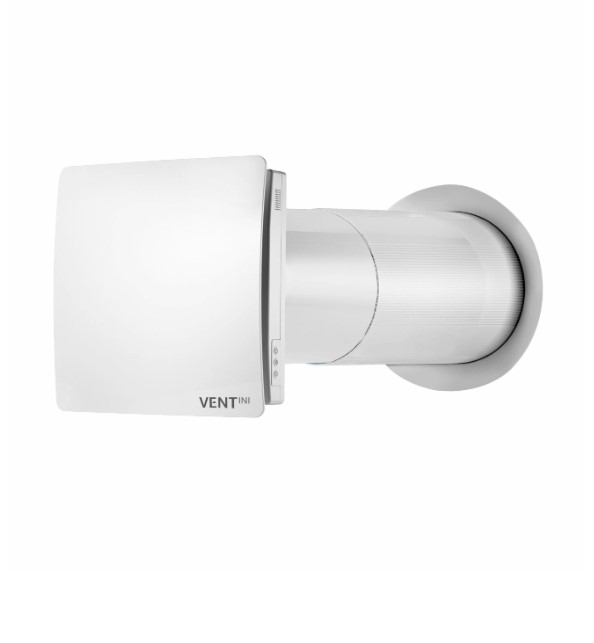 Advantages and disadvantages:
- Humidity and temperature sensor, Wi-Fi module, 2 coarse filters at the outlet and inlet.
- Low noise level 17 dB.
- Compact dimensions – 240x240x55 mm, light weight – 4.9 kg, 2 years warranty.
- Installation requires hiring a specialist.
- The price is too high.
The price of the model on Yandex Market 37,900 rubles.
A step-by-step guide to installing a heat recovery system in a private home
Depending on the purpose and design, heat recovery units can be installed in the house with an outlet through the wall or in the attic.
The equipment can be located on the floor, under the ceiling paneling, or in a separate room. We'll consider two popular installation options: through the wall for ventilation of a single room and in the attic for the entire house.
Now we will briefly look at the step-by-step installation, and below in more detail.
Installation of a wall-mounted VAKIO recuperator
Wall-mounted domestic heat recovery units are most often used when installing local mechanical ventilation in a home. The difficulty in installing the device is This is to drill a through hole in the wall for the air duct..
Otherwise, follow the manufacturer's recommendations. Installation instructions for each model vary in nuances, but consist of roughly the same steps:
- Unpack the recuperator, check the contents, and read the instructions. In our case, the VAKIO unit consists of an outdoor and indoor unit, an air duct, filters, and mounting hardware.
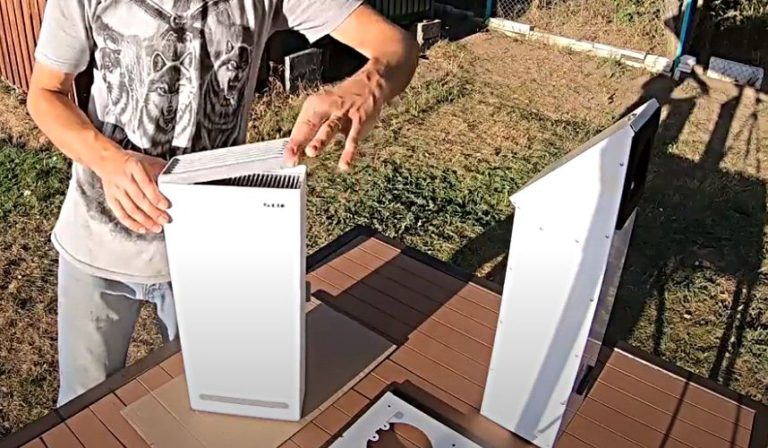
- Find a convenient location on the wall to mount the ventilation unit. Consider accessibility from both the outside and the inside.
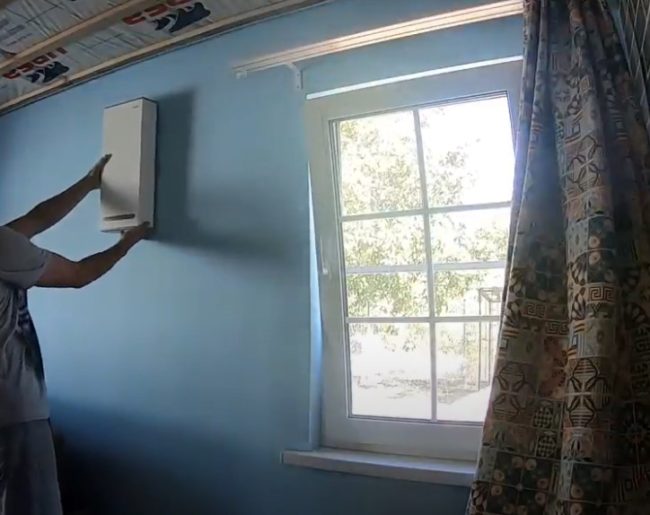
- Using the included template, mark the hole on the wall to fit the diameter of the air duct. Drill the hole using a drill bit. Remove any concrete and plaster from the hole using a hammer and chisel. Secure the mounting template to the room side with dowels and screws.
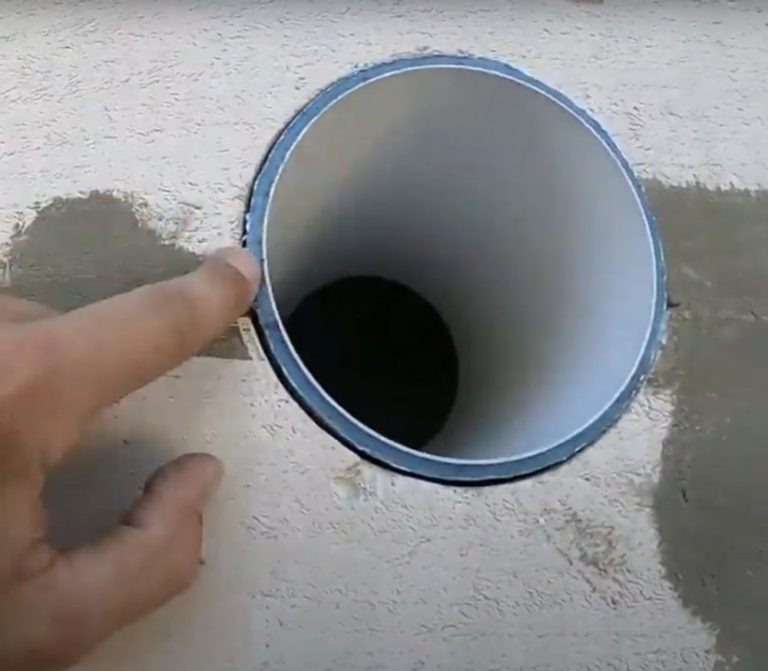
- Insert the duct with insulation into the prepared hole. Make sure there is a slope of 1.5-3 degrees toward the outside.O for condensate drainage.
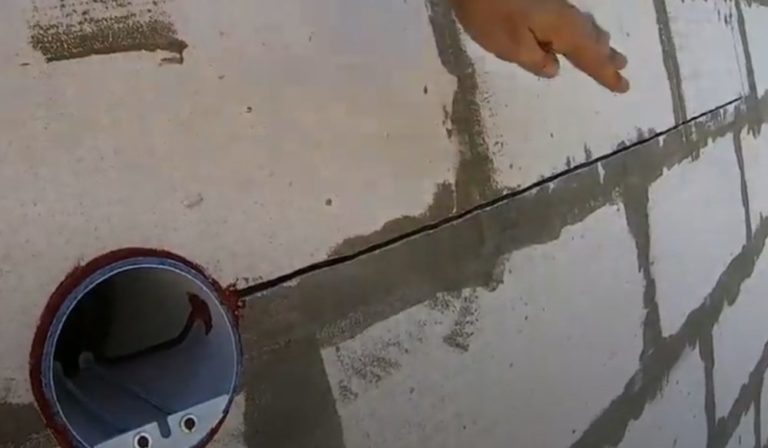
- Cut grooves in the wall for the cable to connect the heat recovery unit's electrical equipment. Lay the cable in the grooves and seal it with putty.
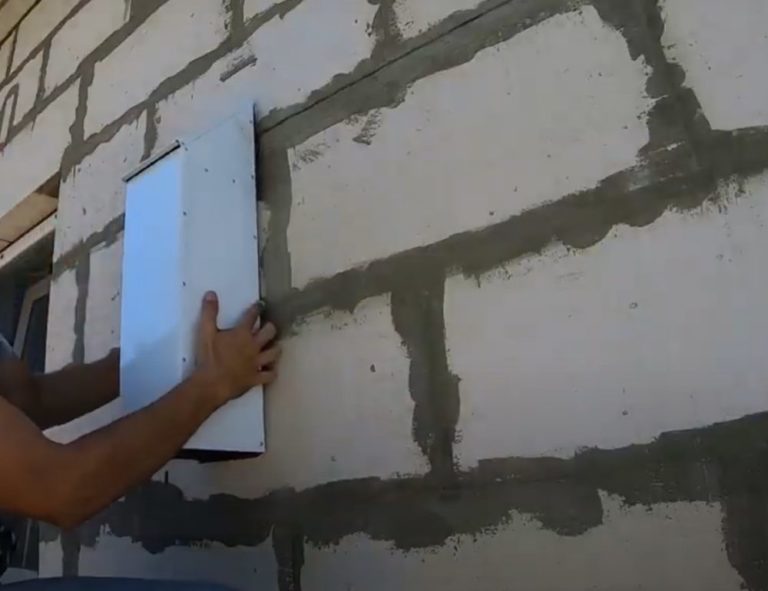
- Hang the outdoor unit on the wall from the outside. From the inside, tighten the mounting bolts through the hole. The unit will press firmly against the wall.
- Install the indoor unit on the wall facing the room, where you previously secured the mounting template. The housing will easily snap into place.
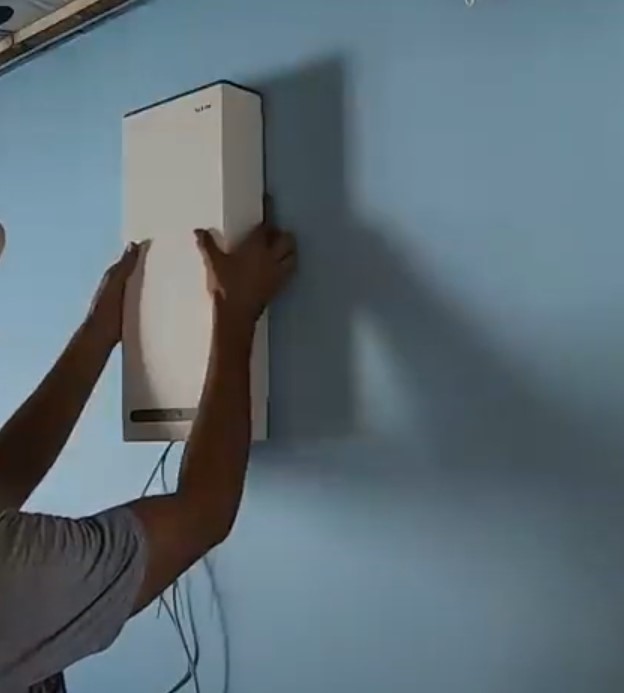
- Connect the cable to the indoor unit's cable harness. Follow the manufacturer's wiring diagram.
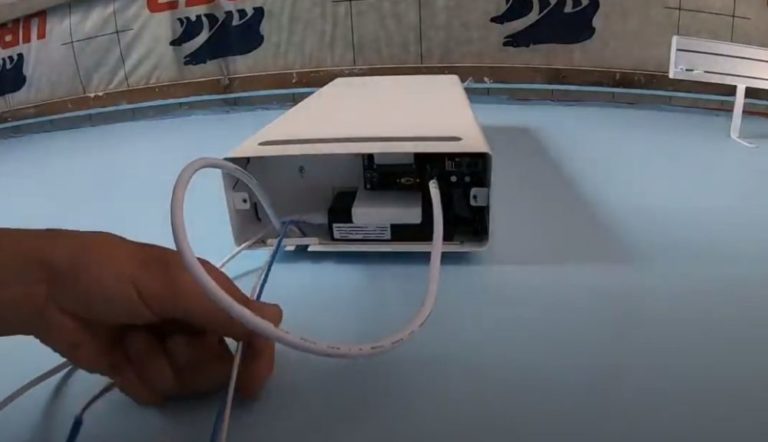
Check the operation of the heat recovery unit. Try switching user settings and changing modes. If the heat recovery unit was installed correctly according to the manufacturer's instructions, the ventilation in your home should work properly.
Video instructions
Installing a recuperator in a cold attic of a private house
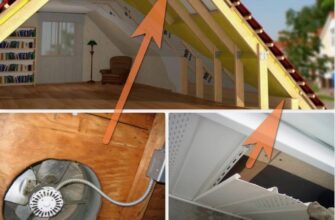
Large ventilation units are designed for the entire house, not just a single room, in terms of capacity. In a living space, the unit takes up valuable space. It's more convenient to install a recuperator in the attic and connect it to the centralized ventilation system for the entire house.
If the attic space is cold, the ventilation system components need to be insulated. To ensure proper operation of your homemade ventilation system, I suggest reviewing the step-by-step installation instructions:
- Prepare the ventilation components for installation according to the pre-designed diagram. The main components you'll need are a heat exchanger, a noise suppressor, and air ducts. Auxiliary materials you'll need include insulation, clamps, screws, and foil tape.
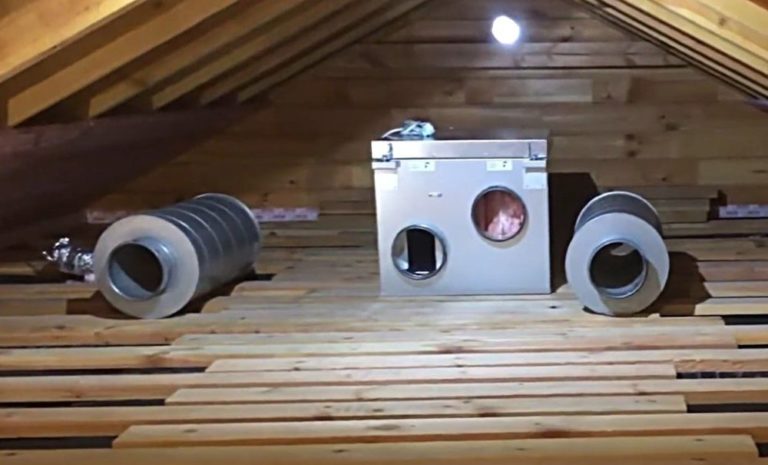
- To ensure proper operation of the heat recovery ventilation system in a cold attic, it must be insulated. Build a frame from wooden beams, arbitrarily larger than the dimensions of the heat recovery unit. Cover the frame with OSB sheets. Cut holes in the walls for the air ducts. Cover the frame with foil insulation. Install the heat recovery unit.
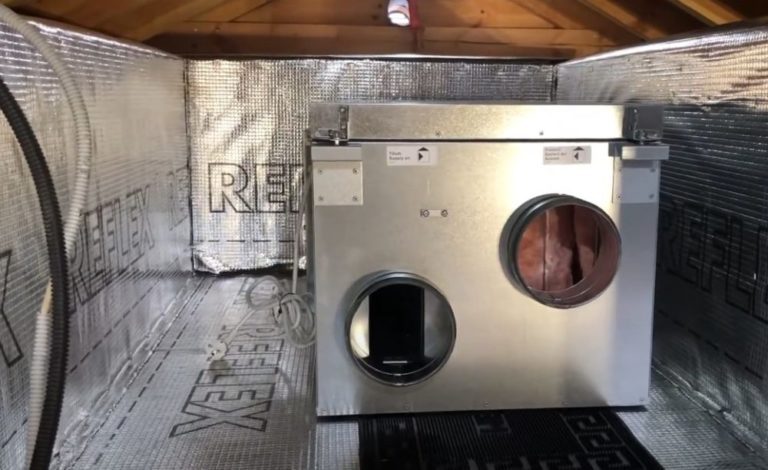
- Connect air ducts with a noise suppressor to the heat recovery unit. Secure the pipes to the supporting structures with clamps for security. Degrease the air duct joints with an alcohol solution and seal them with foil tape for a watertight seal.
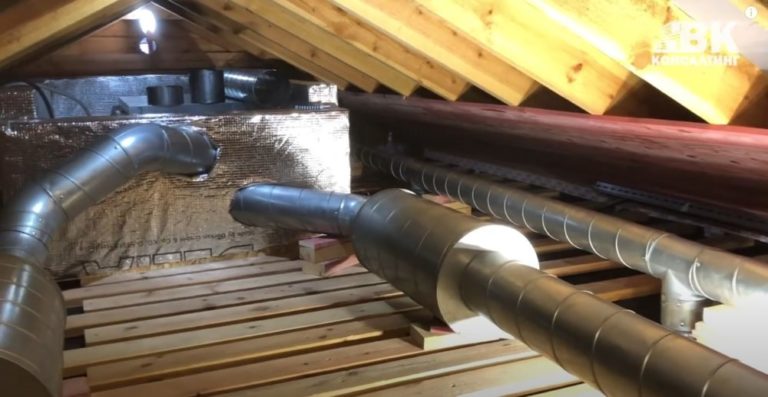
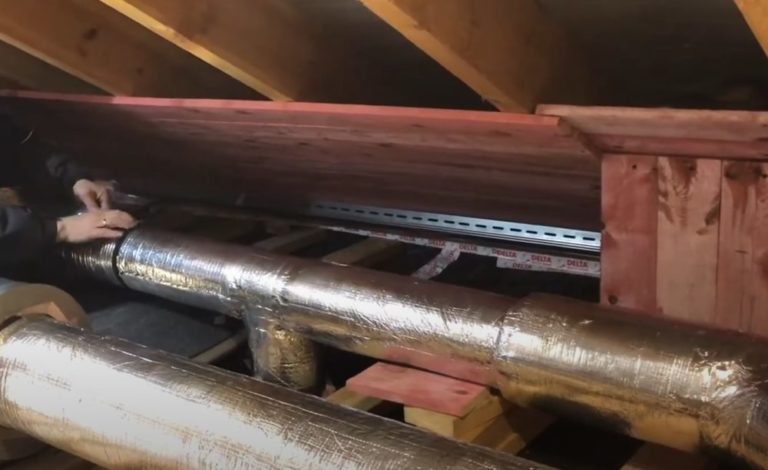
- Insulate the air ducts with foil-faced foam rubber. Wrap the sheet material tightly around the pipes and seal the joints with tape.
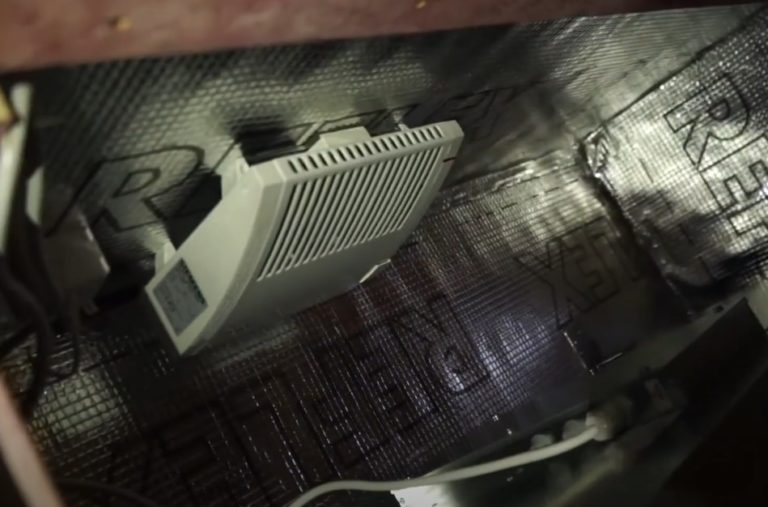
- Install a heater with a temperature sensor inside the wooden box to warm the recuperator in winter. Secure the heater to the side wall of the box.
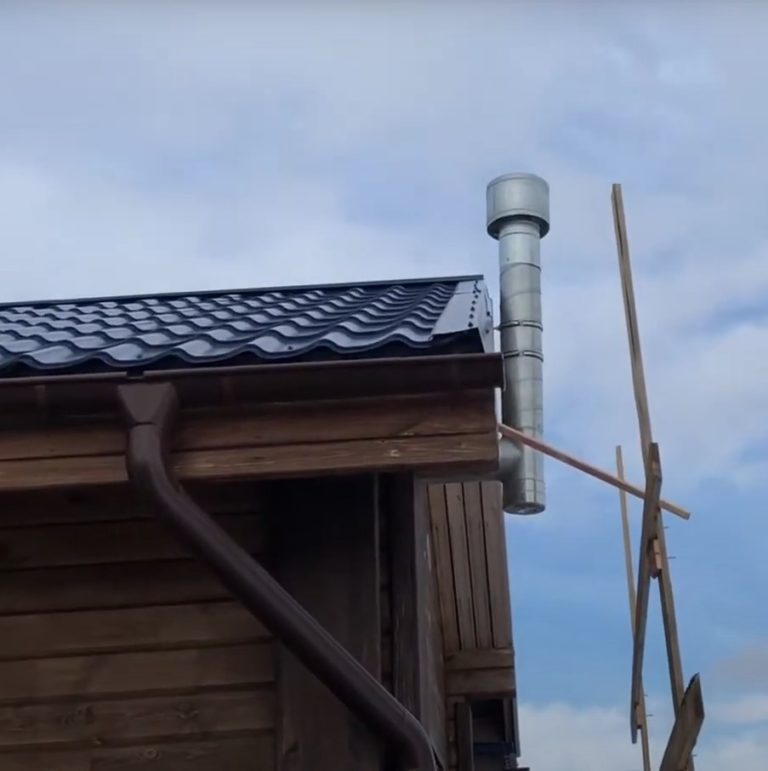
- To exhaust and supply air, install ducts from the attic to the outside. It's best to locate the ducts on opposite sides of the roof. If this isn't possible, you can locate the ducts in one location. Install the supply air at the end of the house. Run the exhaust pipe above the roof ridge.
To operate the recuperator and heater, install the cable and connect the wires. Check the ventilation operation.
Watch the video instructions
Answers to frequently asked questions
In a supply and exhaust system, the unit acts as a hub for the inflow and outflow of air. A heat recovery unit enables effective ventilation in a closed building where ductwork cannot be routed to the outside. The unit transfers some of the heat or cold from the exhaust air to the supply air. This reduces heat loss in winter and maintains a cool building in summer.
Recirculation is the complete or partial return of exhaust air to the room. This process is typical of air conditioners. Recovery is the transfer of thermal energy from the exhaust air to the supply air.
The unit passes supply and exhaust air through built-in ducts, exchanging thermal energy. Depending on the recuperator's configuration, the air masses are filtered and adjusted to the required humidity level.
Recovery refers to a heat exchange process. Some of the thermal energy from the air exhausted from the room is transferred to the incoming air.
The ventilation unit extracts stale air from the room and returns clean incoming air after it has been filtered. Thermal energy is exchanged between the two air flows in the heat exchanger.
Video about air recovery