Household range hoods seem simple until it's time to choose a model. Kitchen appliances vary in technical specifications, sizes, and features, all of which determine their efficiency.
If you're considering purchasing a range hood but aren't sure how to choose one, professional advice will help you find the right solution.
- What you need to know about exhaust equipment
- How to choose a kitchen hood for a gas stove?
- Types of kitchen hoods based on the method of removing polluted air flows
- What types of kitchen hoods are there based on design and installation type, and what are the differences between them?
- Kitchen hood power
- Which range hood is best for a kitchen with an electric stove?
- Which hood is better: built-in or inclined?
- How to choose the right range hood for a kitchen without a ventilation outlet?
- Which hood with ventilation duct should I choose for a gas stove?
- Which hood is better – with a filter or with a ventilation outlet?
- Which hood is better – built-in or wall-mounted?
- Which brand of built-in hoods is best? Model ratings.
- Which range hood is better for the kitchen: one with a carbon filter or one with a ventilation outlet?
- What is the name of a kitchen hood without a vent?
- Is there any ban on kitchen hoods?
- Is natural ventilation necessary in the kitchen if there is an exhaust hood?
- Why do you need a range hood in the kitchen?
- 60cm Kitchen Hood Ratings
- What is a charcoal kitchen hood?
- Which hood is better: inclined or domed?
- Why do gas workers prohibit hoods in kitchens?
- Is it possible to install a range hood in a kitchen with a gas stove in the ventilation system?
- Do you need a range hood in a kitchen with a gas stove?
- Video materials
What you need to know about exhaust equipment
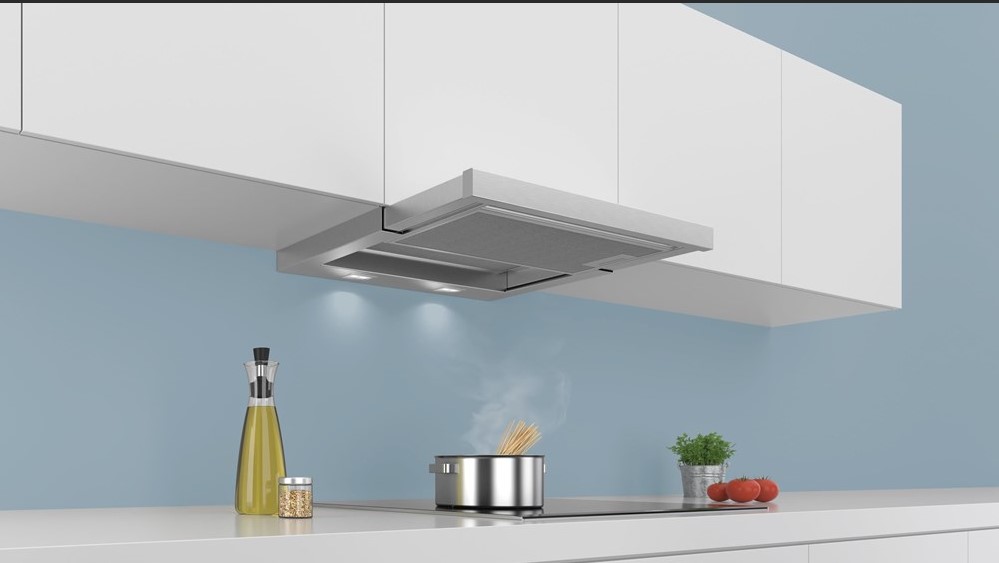
A range hood is a hood-shaped device installed above the cooktop. Basic models are equipped with an exhaust fan. More sophisticated models feature additional features and components.
It's a misconception that any range hood can be installed over a gas or electric stove. To ensure the equipment removes polluted air from the room, it must be properly sized.
How to choose a kitchen hood for a gas stove?
Before delving into the complex technical parameters of kitchen appliances, let's review the general rules for choosing a range hood. These tips apply to gas, electric, and combination stovetops.
Following these 5 rules will help you choose the right equipment:
- The range hood will capture steam and exhaust air when its dimensions match or exceed the width of the cooktop.
- The presence of a speed mode switch allows the user to more precisely adjust the intensity of dirty air removal, taking into account the volume of food being cooked on the stove.
- The fan's operation should not cause discomfort to any family member. The ideal noise level is 45 dB. The average noise level can be increased to 50 dB. This value is indicated in the product's technical data sheet.
- Choose mechanical or electronic controls at your discretion. Push-button mechanisms are cheaper to repair and last longer, but the gaps are difficult to clean of grease buildup. Electronic controls are sensitive to voltage surges and are more expensive initially and to repair.
- Additional options enhance the ease of use of the equipment and kitchen work. Lighting is the least necessary addition.
A gas stove is a source of open fire, high temperatures, and gas combustion products that are harmful to human health.
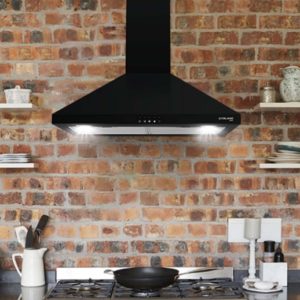
A suitable exhaust device is a flow-through type made of heat-resistant materials with an outlet to the outside and a powerful fan capable of 100% coping with the removal of dirty air.
Types of kitchen hoods based on the method of removing polluted air flows
Range hoods are classified based on how they remove stale air. They can be flow-through, recirculation, or a combination of the two.
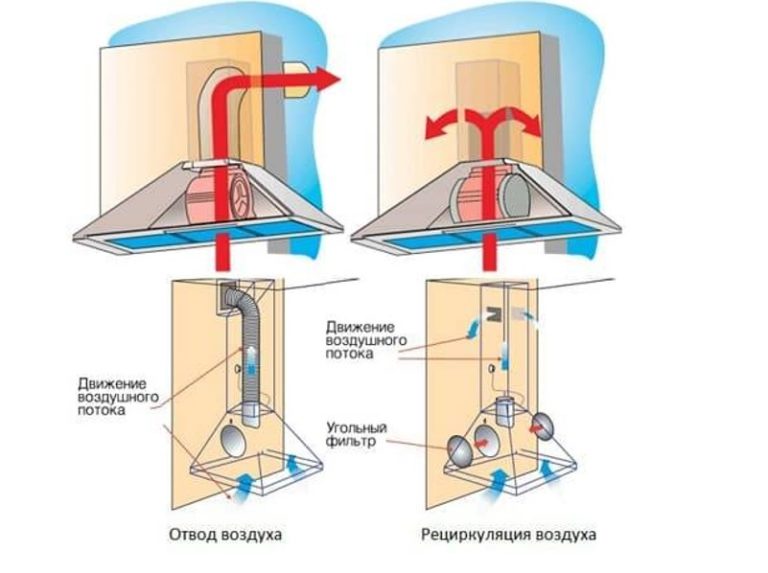
With a flow-through range hood, dirty air is exhausted to the outside via a duct. The hood is not equipped with filters. Manufacturers often include a mesh grease trap to prevent soot and grease from settling on the fan.
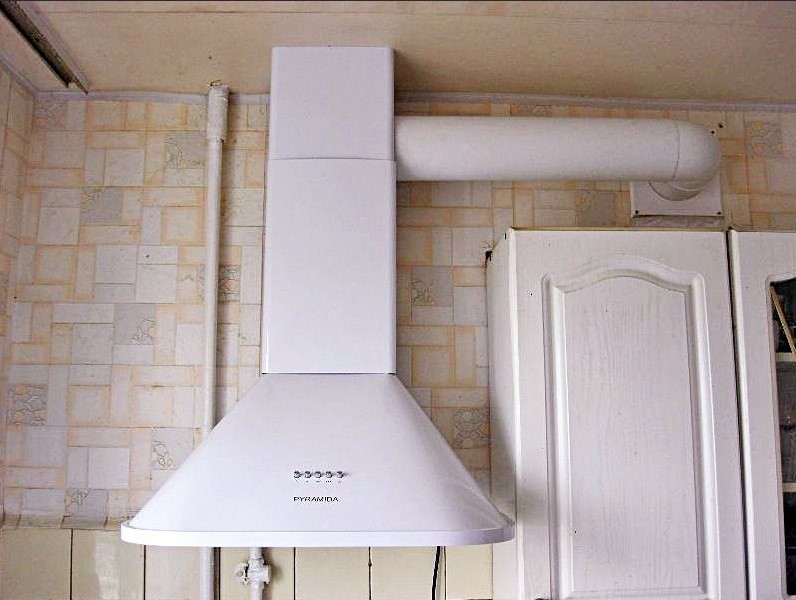
- maximum air purification in the kitchen by 100% diverting dirty air flows outside;
- There is no need to replace filters, as the grease trap mesh can be washed with water and detergent.
- difficulty or impossibility of installation due to the need to lead the air duct through the wall or into the ventilation shaft;
- Along with dirty air, heat is removed from the kitchen, which increases heat loss in the living space in winter.
A recirculation hood has no ductwork leading outside. Dirty air circulates through the hood's internal ducts and is cleaned by passing through filters. Once cleaned, the air is released into the room. A new batch of dirty air from the kitchen is then filtered.
- simple installation due to the absence of the need to extend the air duct outside;
- modern design;
- no heat loss in winter, as warm air remains in the kitchen.
- the need for frequent filter replacement;
- After cleaning, an air flow that is not enriched with oxygen enters the kitchen;
- Due to low productivity, the equipment is not always suitable for a gas stove.
Combination hoods can operate in recirculation mode and direct exhaust through ducts to the outside. Due to their high cost, complexity of installation, and maintenance, they are rarely used in residential settings.
What types of kitchen hoods are there based on design and installation type, and what are the differences between them?
Kitchen appliances come in tempered glass and metal housings, with paint or enamel providing a protective coating. Higher-end models are made of stainless steel, aluminum, and other non-ferrous alloys.
Umbrellas are classified according to the type of body location relative to the hob:
Depending on the installation type, the equipment can be built-in or wall-mounted. The hood shape also varies, which also impacts the installation method and performance. Professional advice will help you choose the right hood design, but it's important to consider the individual needs of your kitchen.
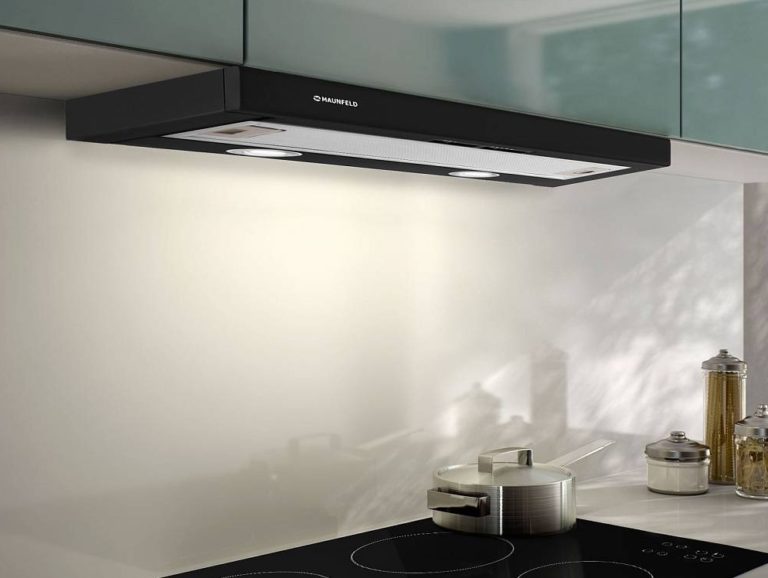
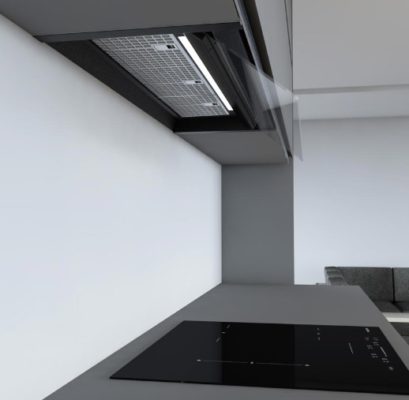
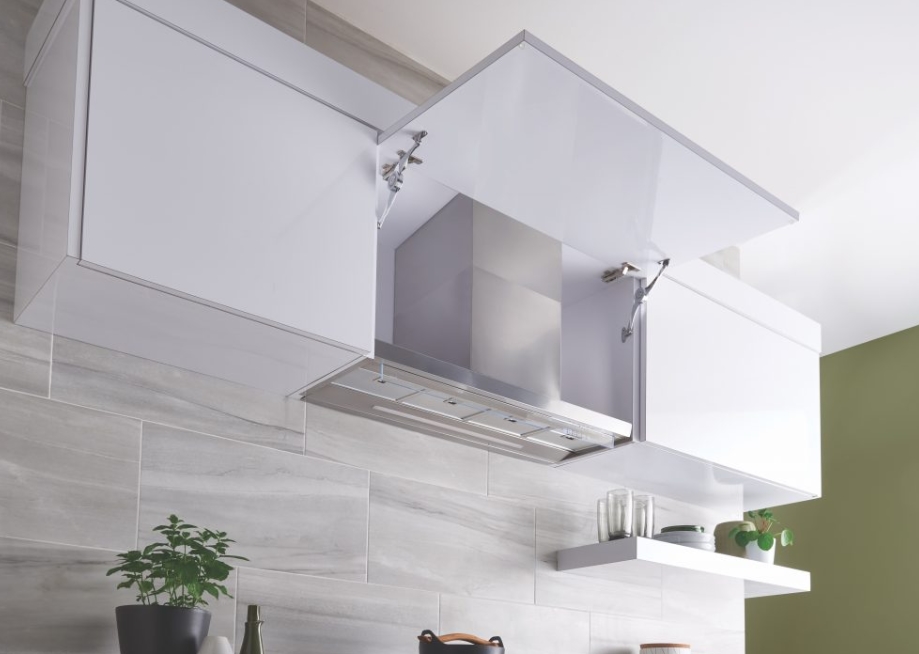
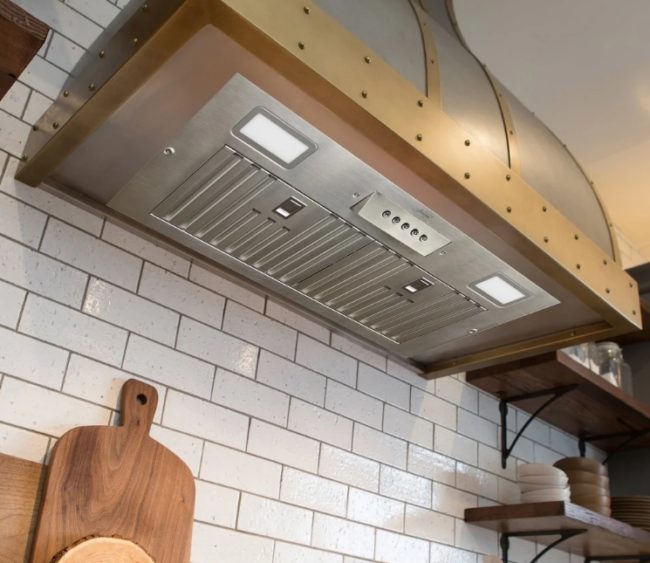
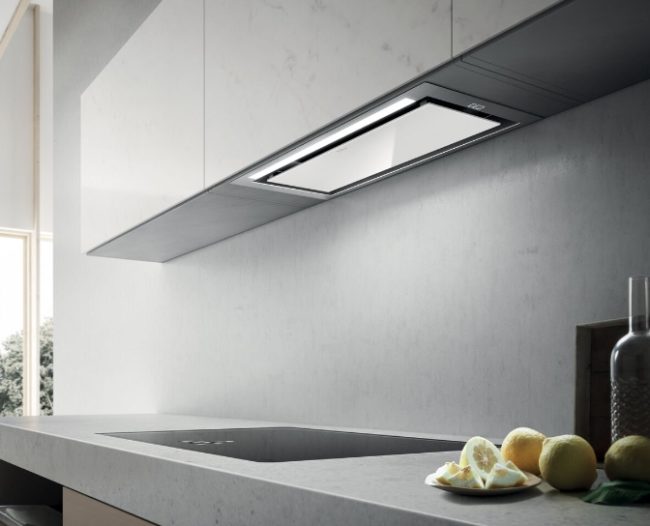
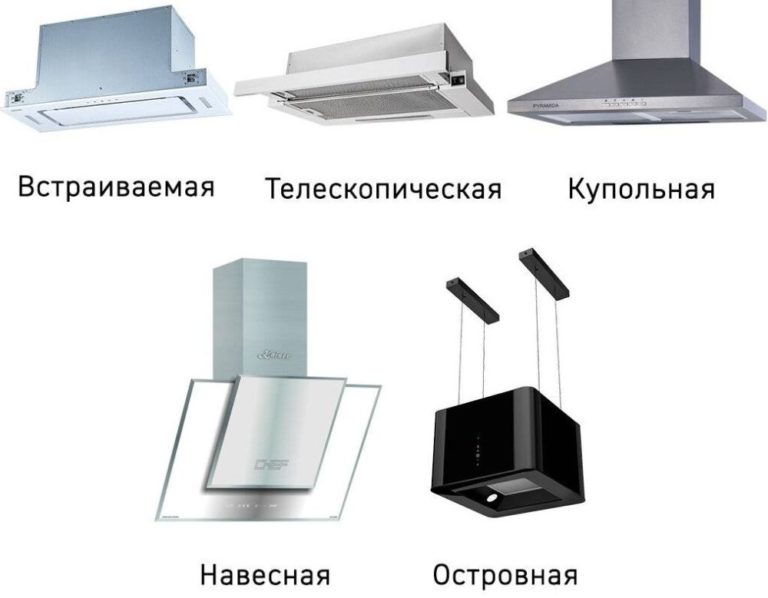 Built-in models are designed to be mounted in a wall-mounted kitchen cabinet. The hood body is completely concealed, and a fixed or telescopic grille protrudes above the surface. Built-in models typically utilize a recirculation air purifier.
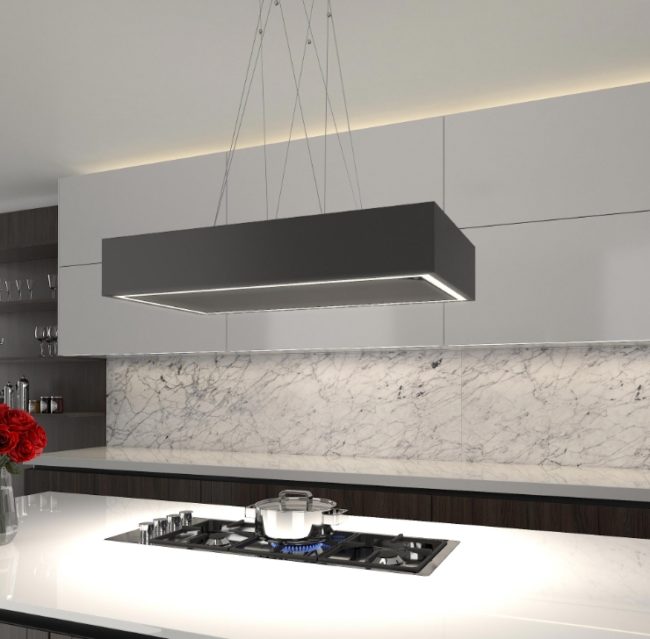
Hanging umbrellas are designed for wall and ceiling mounting. Ceiling-mounted units are called island-mounted units.
Wall-mounted models can have a flat horizontal or inclined canopy shape. They are mounted to a wall, suspended from the ceiling, or attached to the bottom of a kitchen cabinet. In terms of air exhaust principle, recirculation models are more common, while flow-through models are less common.
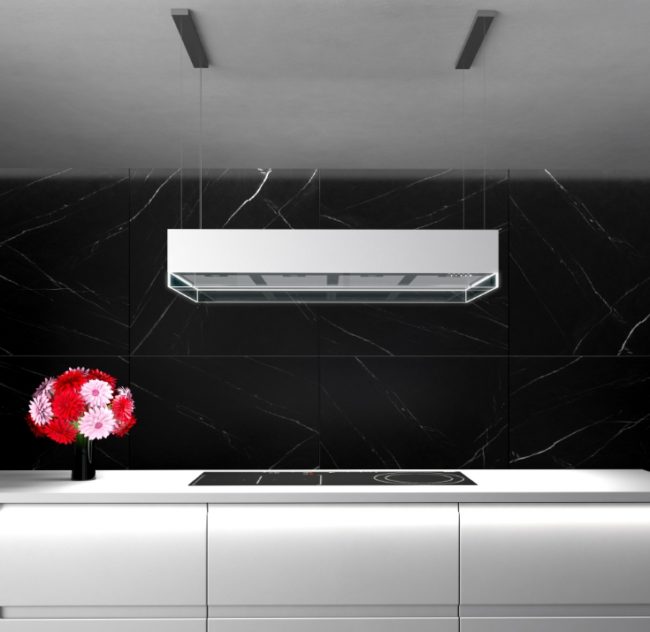
Suspended horizontal dome fans are powerful flow-through or combination models. They are designed for hanging over gas stoves and fireplaces. They feature additional options, including fan speed control.
Kitchen hood power
Power calculation is requiredTo ensure the exhaust system can handle dirty airflows, a large reserve means unnecessary energy consumption and increased heat loss.
Insufficient power – dirty air penetrates into living rooms, soot settles on walls and household items.
Give preference to complex but accurate calculations:
- multiply the area of the kitchen by the height of the walls;
- multiply the result by the air exchange rate per hour – 12;
- Multiply the obtained value by the coefficient: for a gas stove – the number 2, for an electric stove – 1.7;
- Increase the result by 10% for each meter of exhaust duct and turn;
- Add 10% reserve for emergency purposes to get the final performance result.
There's a simplified calculation that involves multiplying the kitchen's volume by 10. The result will be inaccurate because it doesn't take into account the design features of the air ducts and the type of cooktop.
Which range hood is best for a kitchen with an electric stove?
An electric stove's unique feature is the absence of open flames, soot, and combustion products. You can hang a recirculation unit with filters above the stove or install it in a cabinet. A flow-through hood is recommended for combination stoves with both electric and gas burners.
Which hood is better: built-in or inclined?
Both umbrellas will do the job if chosen correctly. If you pay attention to the details, the built-in model is practically invisible and doesn't detract from the room's decor.
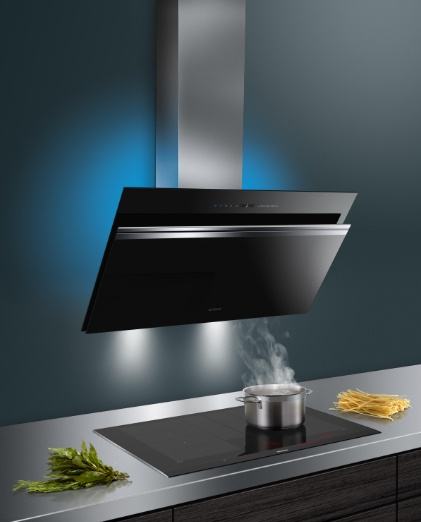
An inclined hanging umbrella takes up space and doesn't always fit aesthetically into the decor, but it's more effective. Due to its 30-60 degree angle,O relative to the hob, the equipment captures all the hot air with soot and steam.
How to choose the right range hood for a kitchen without a ventilation outlet?
Choose a recirculation model for your electric stove. If the cooktop is installed in a kitchen island, choose an island hood. If the stove is against a wall, choose a wall-mounted or built-in model.
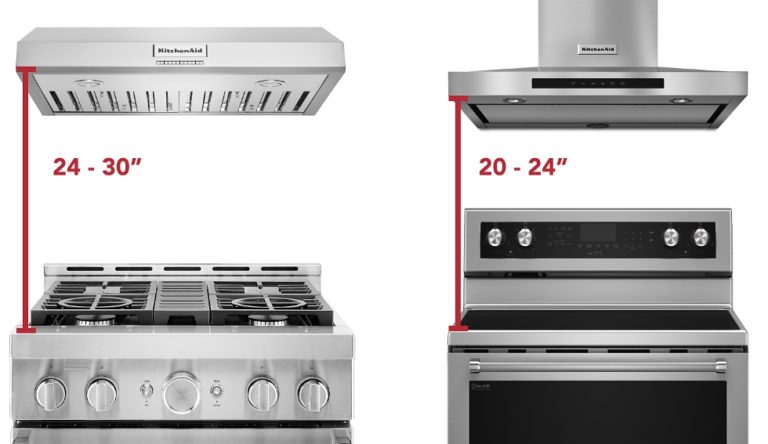
Select the size of the hood so that it matches or exceeds the dimensions of the hob by up to 30 cm.
Calculate the equipment's performance and determine the availability of the required additional functions.
Which hood with ventilation duct should I choose for a gas stove?
For a gas stove, choose a flow-through unit with a slanted or dome-type design, a mesh grease trap, and a metal housing. Choose a model based on power rating, ease of installation, and the availability of necessary additional features.
Which hood is better – with a filter or with a ventilation outlet?
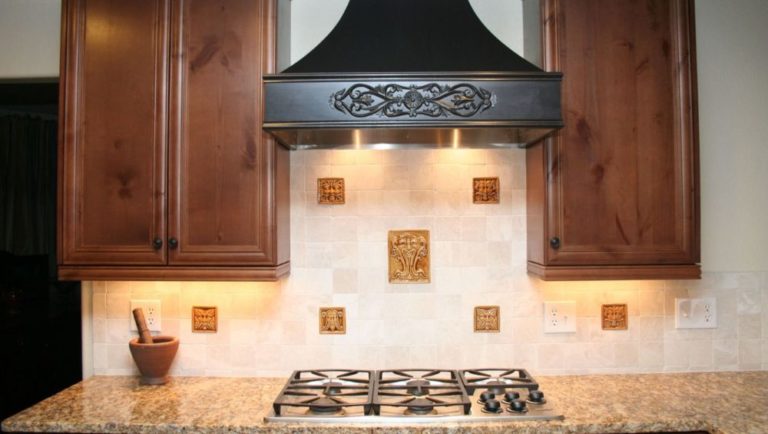
For an electric stove and a small room, a range hood with a filter is best. If a large kitchen has a gas stove and large-scale cooking is expected, choose a unit with an exhaust vent to the outside or a ventilation shaft.
The large volume of soot in recirculation equipment will make it difficult to change filters.
Which hood is better – built-in or wall-mounted?
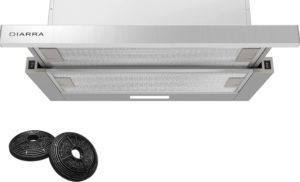
The choice depends on the room's features and technical requirements. Built-in models are stylish, powerful, and quiet. They are suitable for rooms with poor ventilation. The downside is the difficulty of installation.
Wall-mounted models are less powerful, take up space, and don't always fit neatly into interiors. Their advantages include lower cost and ease of installation.
Which brand of built-in hoods is best? Model ratings.
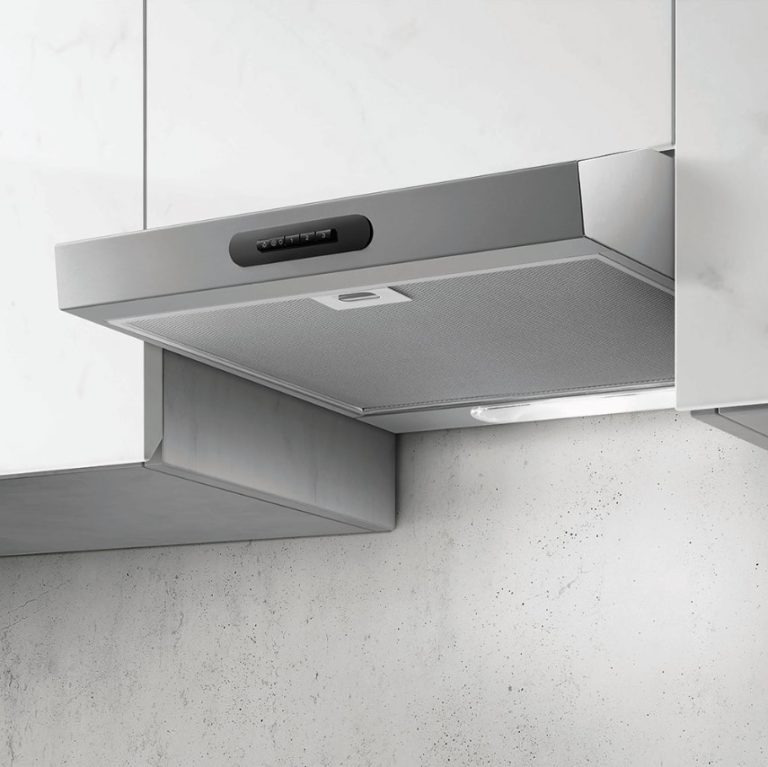
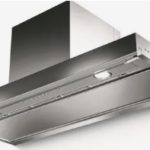
The appliances are simple in design and perform equally well, regardless of brand. Ratings aficionados gave first place to the Electrolux LFG9525W, second to the Weissgauff Aura 850 WH, and third to the Faber IN-NOVA PREMIUM X A90.
Which range hood is better for the kitchen: one with a carbon filter or one with a ventilation outlet?
In terms of dust removal and room oxygenation, a range hood with a vent is superior. A charcoal filter is better for a small kitchen with an electric stove, where venting to the outside is difficult.
What is the name of a kitchen hood without a vent?
A model without a ventilation outlet is called a recirculation model. The design includes a filter and its own air purification system.
Benefits of use:
- the possibility of installation in a room where it is difficult or prohibited to connect the air duct to the general building ventilation system;
- lower cost compared to branch pipes;
- there is no need to purchase additional air ducts, lay pipes around the room and make a hole in the wall;
- The equipment operates without additional air supply.
The problem with operating the equipment is the need for filter maintenance. The mesh filter does not need to be replaced. The removable panels should be washed 2-3 times a month with detergent and water. The carbon filter needs to be changed as it becomes dirty. The frequency depends on the intensity of cooking.
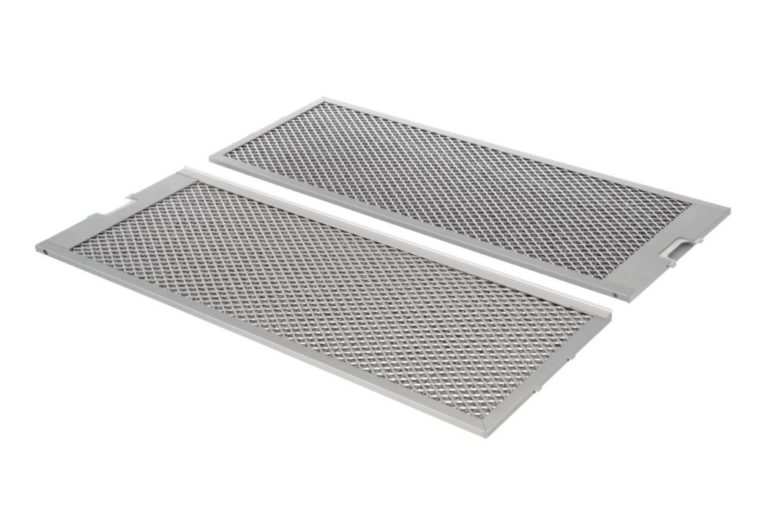
The filter gets dirty faster if you cook fatty foods daily. If you only use the oven occasionally to reheat low-fat foods, the filter element will last from 6 months to a year. The lifespan depends on the quality of the filter. Cheap elements may become unusable within a month.
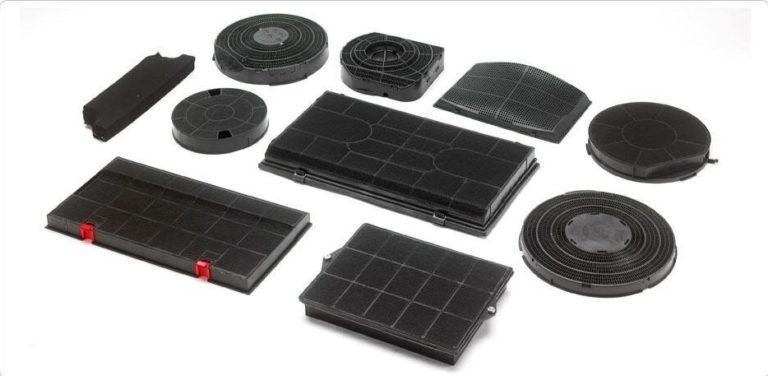
The need for a filter replacement is easily recognized by the reduced suction of dirty air. Branded hoods are equipped with sensors and alarms. When a dirty filter stops functioning, an electronic device alerts the user of the problem.
Is there any ban on kitchen hoods?
There are no direct restrictions on installing a range hood with a vent, but amendments to the Fire Safety Regulations came into effect on January 1, 2019. Section 5.7.8 of the regulatory documents for apartment buildings, MDK 2-03.2003, states:
- Do not cover ventilation openings or use their grilles to attach household items;
- In apartments on the top floor, it is permissible to install a household appliance with a fan in place of the ventilation duct grille.
To comply with regulations, a range hood with a fan can be installed on the top floor. In apartments on the lower floors, installation of range hoods without a fan is permitted. Make sure the outlet into the ventilation system is not tightly sealed. Leave a section of the ventilation opening unobstructed for air circulation.
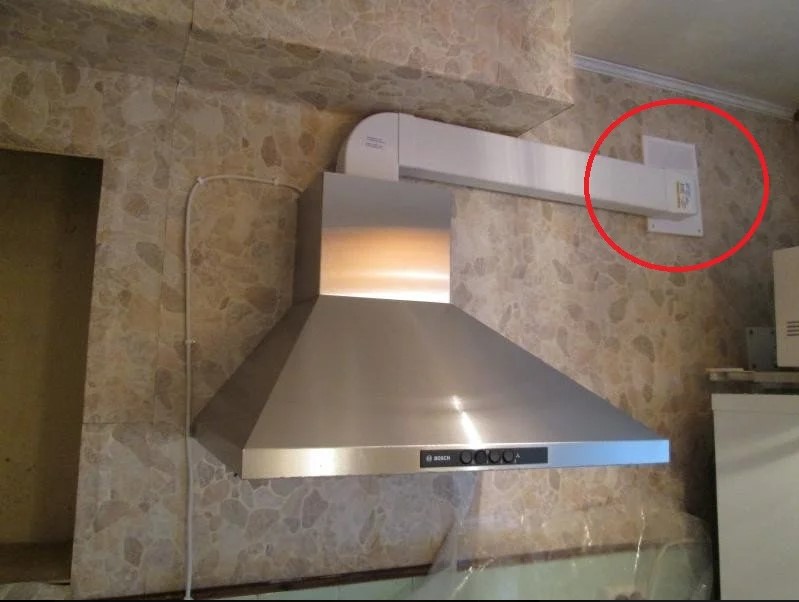
Recirculation models can be installed on all floors. There is no restriction due to the lack of an air duct outlet through the ventilation shaft.
Is natural ventilation necessary in the kitchen if there is an exhaust hood?
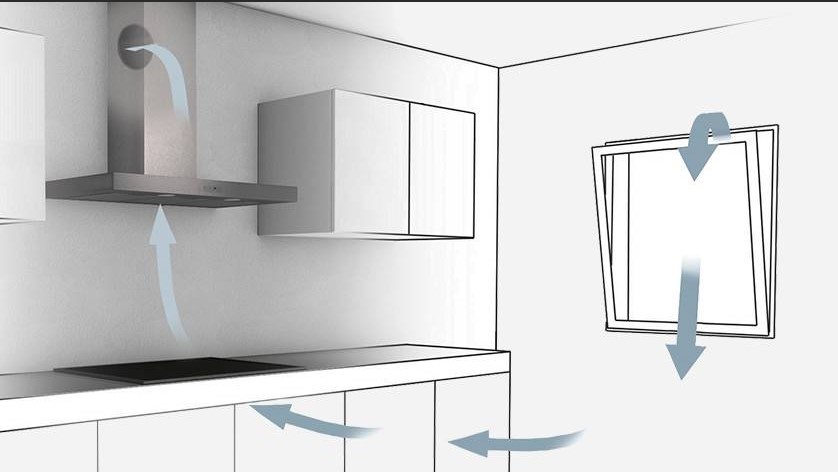
Natural ventilation is necessary to maintain a favorable microclimate in the room and to bring in clean air from outside. Ventilation removes harmful fumes from cooking food that aren't released by the range hood.
Why do you need a range hood in the kitchen?
Natural or forced ventilation cannot remove soot and cooking odors in a timely manner. The range hood, located directly above the cooktop, captures and exhausts the bulk of the dirty air.
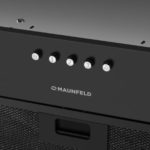
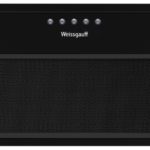
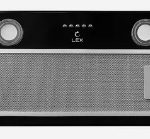
60cm Kitchen Hood Ratings
Budget cooktops are typically no more than 60 cm wide. Due to the widespread availability of inexpensive stoves, there is a high demand for hoods that fit them.
What is a charcoal kitchen hood?
A recirculation unit with a carbon filter is called a carbon hood. The sorption device absorbs dirty air, unpleasant odors, and gases. A dirty filter must be replaced; it cannot be cleaned.
Which hood is better: inclined or domed?
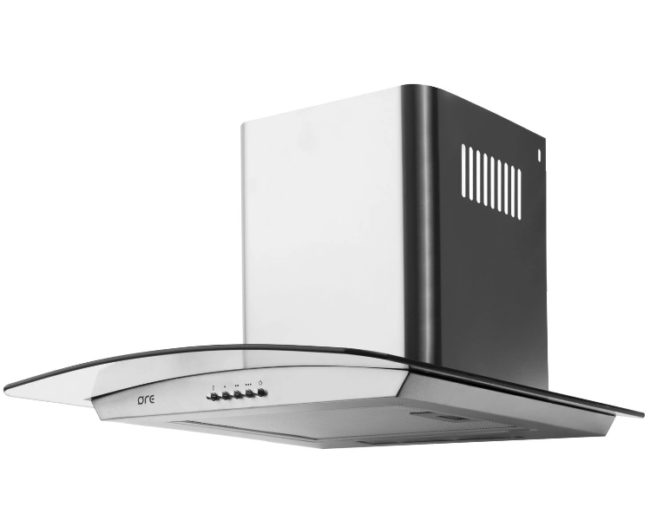
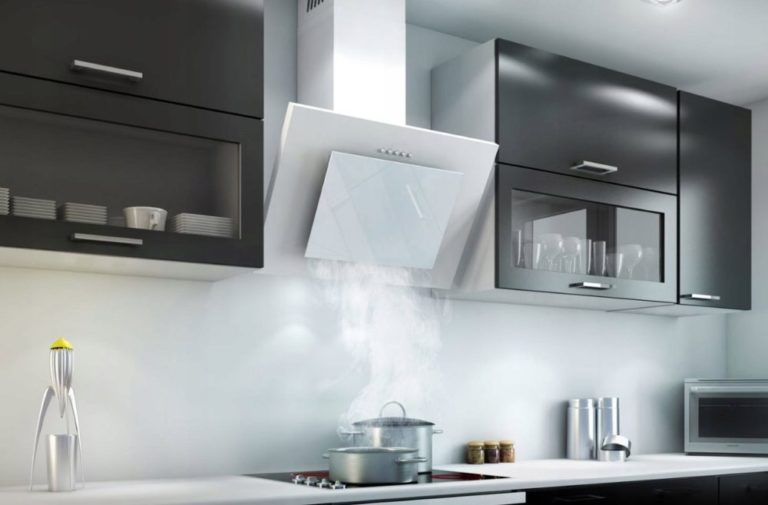
A dome hood better captures dirty air and offers increased efficiency. The downside is that it can sometimes interfere with cooking. A tilted hood is less efficient, but looks more aesthetically pleasing.
It doesn't get in the way near the cooktop. Choose based on your preference—the quality of exhaust venting or the aesthetics and ease of cooking.
Why do gas workers prohibit hoods in kitchens?
If the only exhaust vent in the kitchen is blocked by the ductwork of a household appliance, natural ventilation is disrupted. If a leak occurs from the stove, gas will spread throughout the room, causing an explosion and fire.
Gas workers prohibit the installation of equipment when the air duct completely blocks the ventilation opening.
Is it possible to install a range hood in a kitchen with a gas stove in the ventilation system?
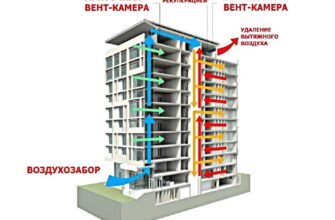
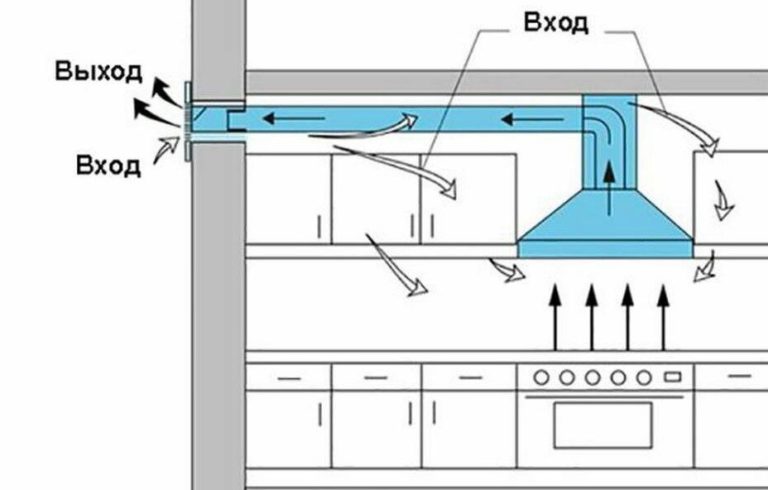
Each apartment building has a specific capacity for the common building ventilation duct, as stipulated by the design. Based on the shaft's parameters, restrictions on the installation of exhaust devices are established:
- forced supply of dirty air by fans into the shaft is prohibited due to the risk of disrupting natural ventilation in the common building duct;
- it is not possible to block the entire shaft riser with an air duct;
- It is prohibited to connect the forced system to the riser of the shaft of the apartment on the lower floor;
- The exhaust vent must not be moved or reconfigured.
Any interference with the common house channel must be agreed with the organization servicing the building.
Do you need a range hood in a kitchen with a gas stove?
Exhaust ventilation is essential in any kitchen where food is prepared. The appliance removes moisture and grease vapors, as well as unpleasant food odors. This prevents contaminants from spreading throughout the living space, reducing the risk of mold growth on the walls.
Unlike electric furnaces, gas appliances pose additional hazards. Combustion products poison people and pets, and harm houseplants. Invisible soot settles in layers on furnishings, contaminating the homeowners' belongings.
The escaping gas from an extinguished burner filled with water causes suffocation in a person; when mixed with oxygen, there is a risk of explosion.
An exhaust system removes combustion products and unburned gas from the room along with contaminated air. Even if cooking is done infrequently, a kitchen with a gas stove should have a range hood.