If you've decided to invest in air conditioning but only have a superficial understanding of a split system, each question discussed in detail below will be relevant to you.
We'll explore the differences in the equipment's design, operating and control principles, and auxiliary functions. We'll also touch on condensation and water leakage from the unit into the room.
- Everything users need to know about climate control equipment
- What is a split system?
- What does a split system consist of?
- What is the principle of air conditioning?
- What is the difference between a split and a multi-split?
- What is the Health button on the air conditioning system for?
- How does a standard split system differ from an inverter air conditioning system?
- What is the classification of split systems, what types are there?
- Is it possible for water to penetrate into a room from a split system?
- What temperature should the split system output?
- What is the purpose of automatic mode in an air conditioning system?
- What is more cost-effective to install – two air conditioners or a multi-split system?
- What is the difference between an inverter air conditioner and a conventional split system?
- What is the difference between an inverter air conditioner and an On/Off unit?
- What does the button marked high mean?
- What does the Mode button do in split systems?
- What does the abbreviation h 1 mean in air conditioning?
- What is the difference between an inverter and a non-inverter system in terms of operation, and which one should I choose?
- What is included in the split system kit?
- Why might there be water remaining in the indoor unit of an air conditioner?
- What is meant by the cooling capacity of a split system?
- Video materials
Everything users need to know about climate control equipment
Let's begin our debriefing with the question: is an air conditioner the same as a split system or is it a different piece of equipment? Technically, they're the same thing.
An air conditioner is considered a type of split system, but it can consist of a single window unit. We'll discuss the remaining equipment details separately.

What is a split system?
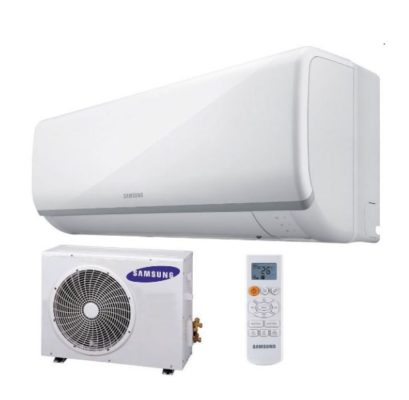
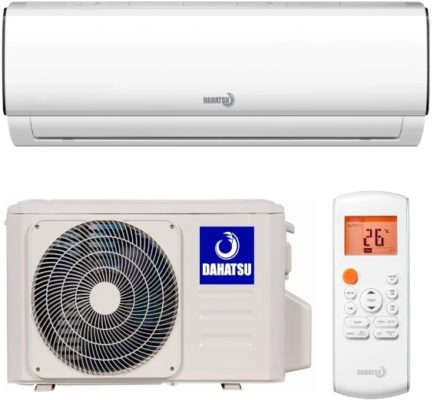
The definition refers to an air conditioner consisting of at least two units. The equipment is designed to cool a room in the summer and heat it in the winter.
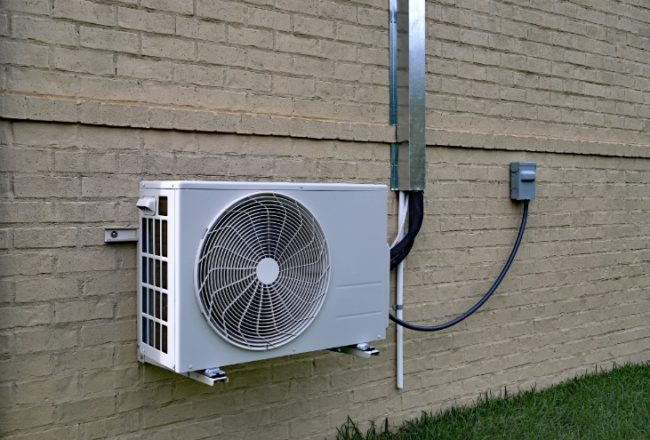
The main unit is installed outdoors. One or more auxiliary modules are located indoors. Fans blowing over the heat exchanger maintain the user-set temperature in the room.
What does a split system consist of?
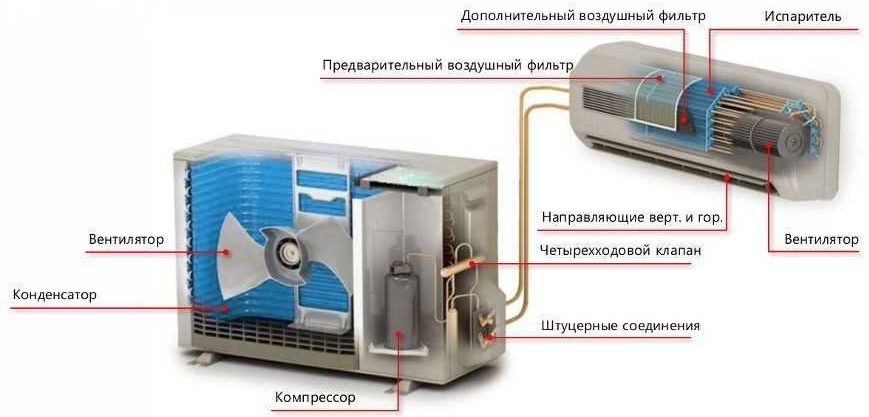
Translated from English split means "to separate." The air conditioning network is divided into indoor modules and an outdoor compressor-condenser unit. The connection is made with copper piping in a thermally insulated casing.
What is the principle of air conditioning?
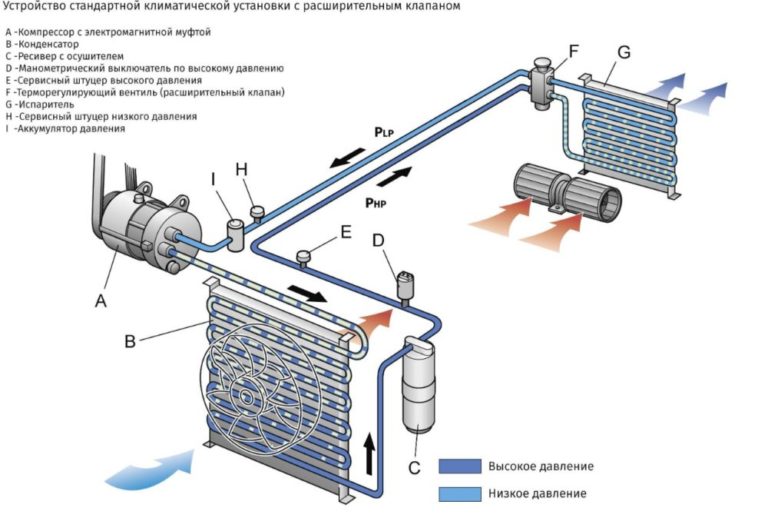
The operation is based on the physical properties of freon. Depending on the selected mode, the gas "absorbs" heat or cold from the room and directs it to the outdoor unit for further processing. Let's consider a typical cooling cycle:
- The freon entering the compressor is heated by compression and sent through a pipeline to the external module.
- From the outdoor unit, freon releases heat to the outside. As the temperature drops, the gas condenses.
- The freon, converted into liquid, enters the indoor module through the throttle, where the evaporation process begins.
- The cooled freon gas absorbs heat from the room and is sent to the compressor for compression. The cycle repeats continuously while the equipment is running.
The throttle valve regulates the rate of heat exchange. This regulation is based on changing the volume of freon charged into the system.
The indoor unit is equipped with electronics designed to calculate and control air conditioning parameters. The electronic unit performs the following functions:
- provides communication with the remote control to control modes;
- controls the temperature of the air inside the room and the incoming flow to the evaporator;
- controls the operation of the compressor and fan, regulates the speed and frequency of switching;
- controls the movement of the blinds to change the direction of air flow from the indoor unit;
- does not allow premature start of the compressor, which prevents failure of the working unit;
- monitors the condenser temperature and the voltage supplied to the compressor to protect against breakdowns;
- serves as a timer for turning the air conditioning on and off;
- When operating in heating mode, it switches the equipment to cooling mode to defrost the radiator of the outdoor module.
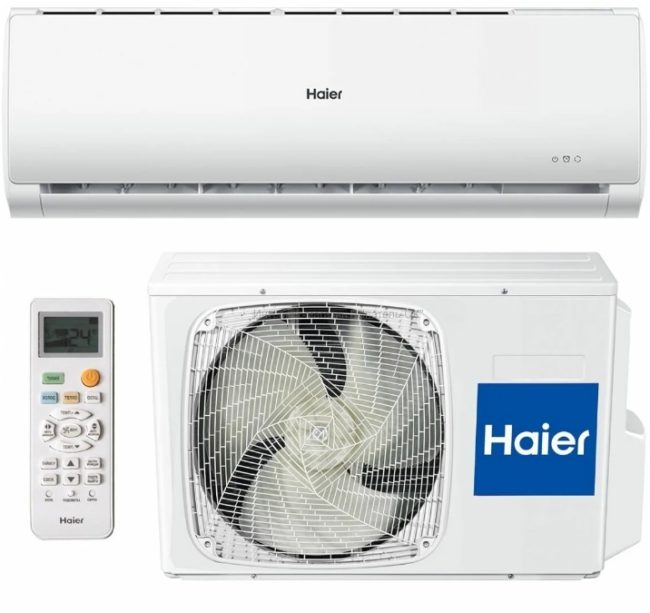
The operating principle of the air conditioning system depends on the selected mode:
- In summer, in cooling mode, the indoor unit transfers heat energy from the room to the outdoor unit. The heat is then released outside. The cooled air, supplied by the fan to the room, returns to the indoor unit.
- In winter, in heating mode, heat energy from the outdoor unit is transferred to the indoor module. The heated air is then forced into the room by a fan.
- The dehumidification mode, which removes excess moisture from the room, can operate without heating or cooling. The unit operates without air conditioning and does not use freon.
- The air circulation and purification mode can also function without air conditioning. Freon is not used. Fans force airflow through coarse and fine filters.
The number of modes depends on the split system model. The user can activate dehumidification, air purification, and air circulation in conjunction with air conditioning.
What is the difference between a split and a multi-split?

Both types of systems have a single outdoor unit. A standard split system typically has a single indoor module. Multi-split systems have two or more indoor units, allowing them to be installed in different rooms for air conditioning. The operating principle of both types of equipment is the same.
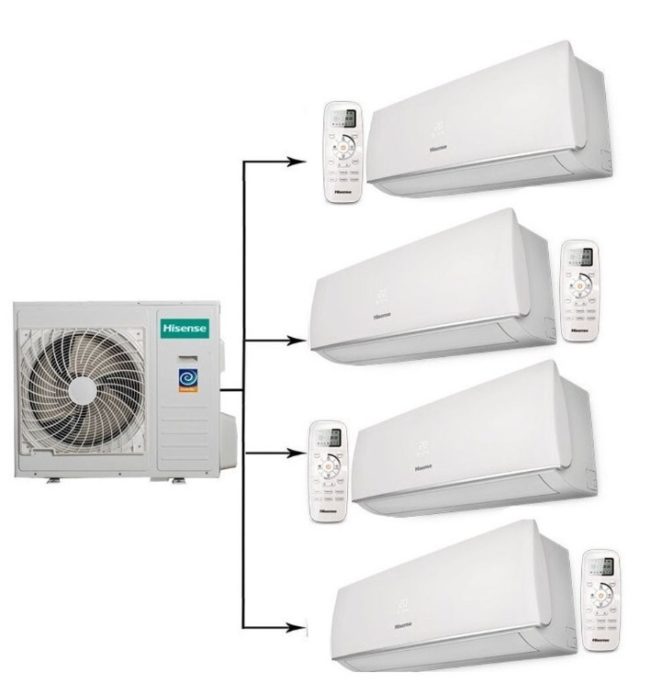
Advantages and disadvantages of multi-split over split:
- the possibility of installing one external unit on the building facade to air condition all rooms where it is not permitted to install several modules;
- less damage to the load-bearing wall due to the need to drill one hole for the pipeline;
- the ability to connect different types of indoor modules to the outdoor unit: floor-standing, wall-mounted, ceiling-mounted, cassette;
- cheaper to maintain and refill with freon.
- multi-split systems are 20-40% more expensive than split systems, depending on the number of internal units and operating parameters;
- If the external module breaks down, air conditioning stops in all rooms;
- Long pipelines need to be laid along the walls of the building from the outdoor unit to the indoor modules, which spoils the interior of the rooms;
- the impossibility of each indoor unit operating in different modes;
- Despite the possibility of connecting different types of internal modules to the external unit, their choice is limited by the need to use equipment with specific parameters from one manufacturer.
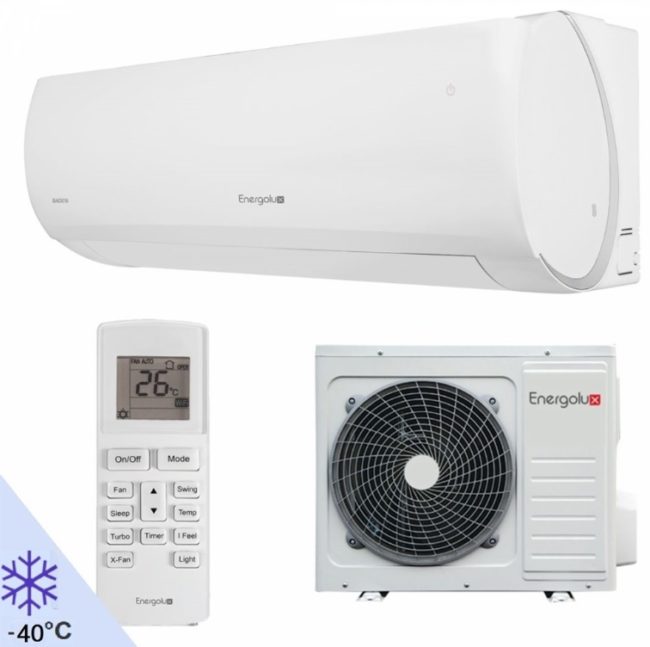
Advantages and disadvantages of split versus multi-split:
- the ability to air condition each room in a different mode;
- lower energy consumption and wear of external unit components;
- faster spot heating or cooling of the room after the system is started.
- installation and purchase of equipment are more expensive if installation is planned for several rooms;
- more expensive maintenance, repairs, and freon refills;
- the need to drill the facade in several places, which weakens the load-bearing walls of the building;
- The architectural features of the building do not always allow for the installation of external units for each room.
Each system has its pros and cons, which often serve as the determining factor when choosing equipment.
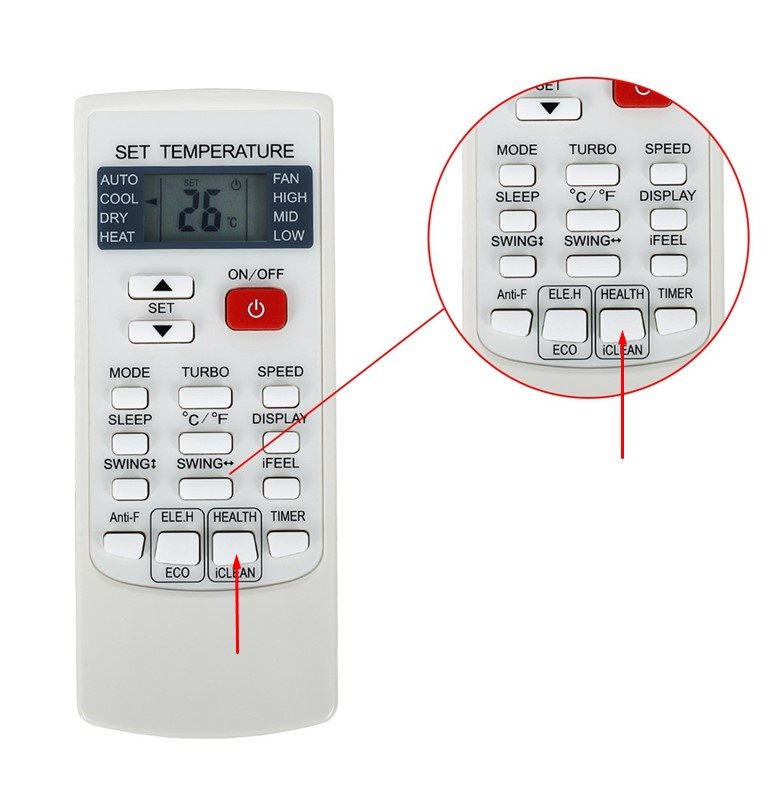
What is the Health button on the air conditioning system for?
Translated from English, "Health" means "health." The button activates the temperature control mode, which is maintained automatically. The system monitors the internal temperature, heating or cooling the room to user-set parameters.
How does a standard split system differ from an inverter air conditioning system?
The simplest air conditioning system operates in an ON-OFF mode. When the air temperature reaches the set parameters, the equipment is automatically turned on or off. An inverter system operates continuously, without on-off cycles.
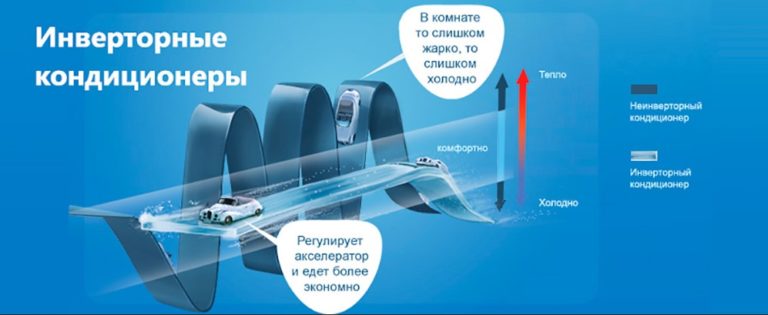
Pros and cons of an inverter system compared to a conventional split system:
- the presence of a greater number of useful functions: self-cleaning module, remote control, “smart eye” system;
- there is no risk of hypothermia or overheating, comfortable maintenance of a constant temperature in the room;
- the ability to heat a room at extremely low outside temperatures, where the outdoor unit of a conventional split system is unable to operate;
- Less wear and tear on mechanical components of the equipment and energy savings due to the absence of starts and stops.
- due to the complexity of the device, the cost has increased;
- higher risk of failure during power surges;
- expensive repairs and maintenance.
The advantages of a conventional split system over an inverter system include lower cost and increased resistance to voltage fluctuations. The disadvantages include the difficulty of accurately maintaining the indoor temperature.
What is the classification of split systems, what types are there?
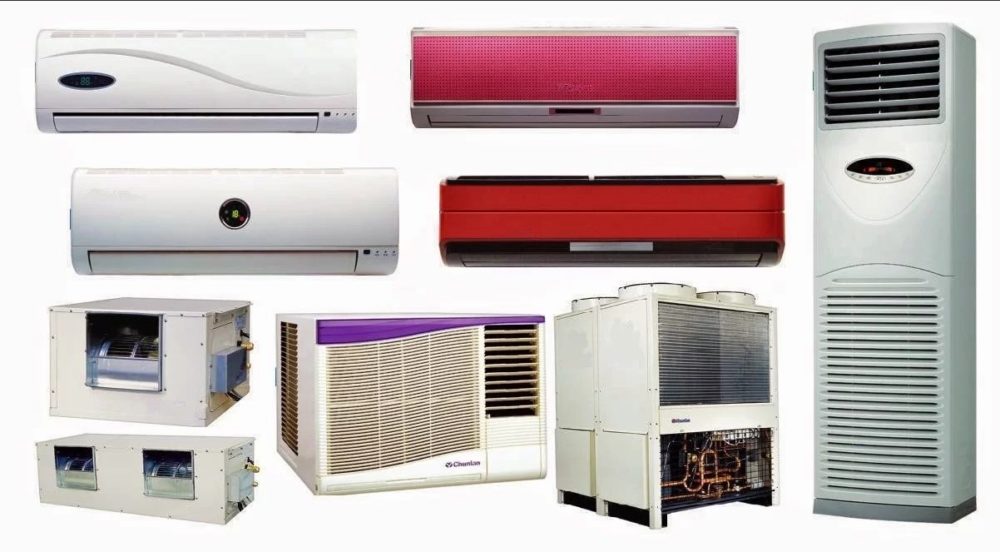
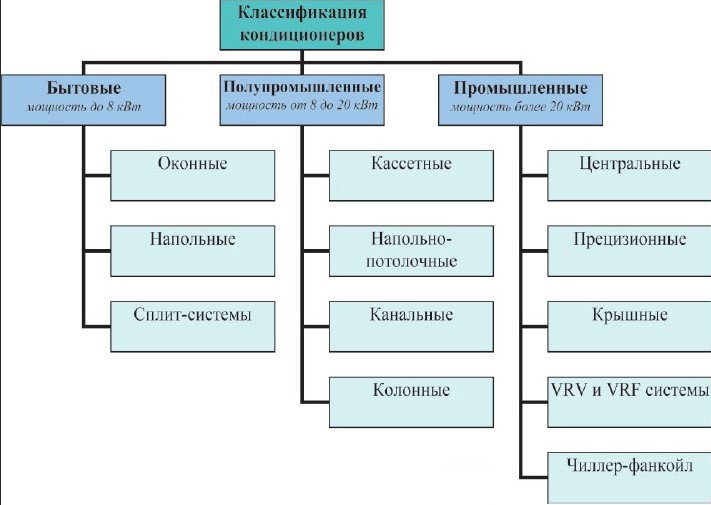
Equipment is classified by its area of application and type of indoor module. Indoor units are classified as:
- floor-ceiling;
- channel;
- columnar;
- wall-mounted;
- cassette.
Depending on the area of application, the equipment can be domestic, industrial, or semi-industrial for commercial organizations.
Is it possible for water to penetrate into a room from a split system?
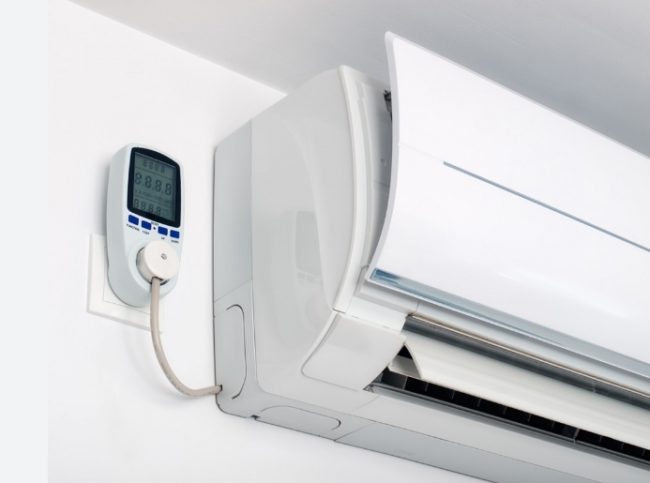
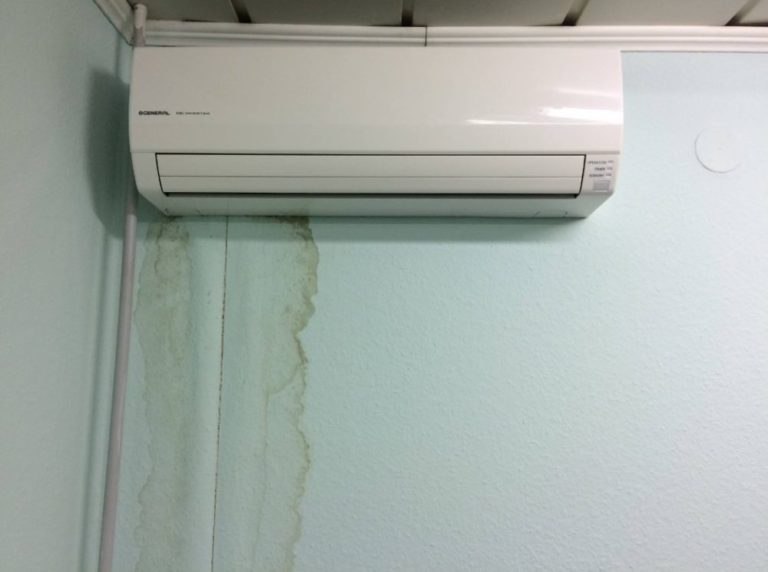
Temperature fluctuations contribute to condensation in the indoor unit. The water is drained outside through a drain pipe routed through the wall.
Condensation penetrates into the room due to improper operation of the equipment, insufficient freon charge in the system, or clogged drainage.
What temperature should the split system output?
The temperature range varies from 5 to 10OC. The value depends on the selected mode. The indicator for most models is as follows:
- slow blowing – 5OWITH;
- medium mode – from 7 to 8OWITH;
- maximum blowing – 10OWITH.
In rare exceptions, household models produce 3 at the output in slow modeOWITH.
What is the purpose of automatic mode in an air conditioning system?
The "Auto" button enables automatic operation. The system automatically determines which function to activate to maintain a comfortable microclimate in the room.
The automation activates maximum performance of the compressor and fan.
What is more cost-effective to install – two air conditioners or a multi-split system?
The choice of equipment is determined by the user's financial capabilities and preferences, as well as the building's parameters. To provide further clarity, we will conduct a comparative analysis.
Advantages and disadvantages of two air conditioners versus a multi-split system:
- air conditioners from different manufacturers can be installed in each room;
- each equipment is capable of operating in different modes;
- If one air conditioner fails, the other equipment continues to function.
- external blocks clutter the facade;
- It is necessary to drill two holes for each module to lay the pipeline;
- The architectural features of the building do not always allow for hanging two external units.
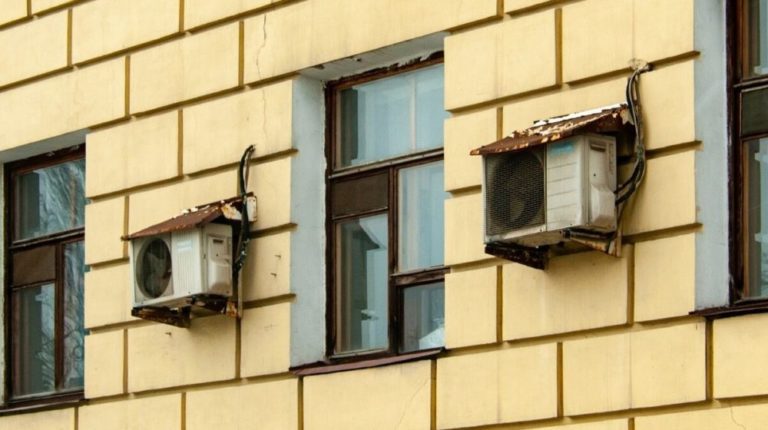
It's more convenient to install two air conditioners on the facade of a private home, where they can be mounted on different walls. A multi-split system is often the only solution when air conditioning is needed for all rooms in the apartment.
What is the difference between an inverter air conditioner and a conventional split system?
Inverter air conditioners operate continuously. The equipment is equipped with an electronic unit called an inverter. The automation regulates the compressor's power so precisely that the temperature difference within the room does not exceed 3°C.OC. The inverter changes the current strength, converts alternating voltage into direct voltage and vice versa.
The standard split system works in On/Off modeTurning the unit on and off increases the temperature difference in the room, increasing the power consumption due to inrush currents.
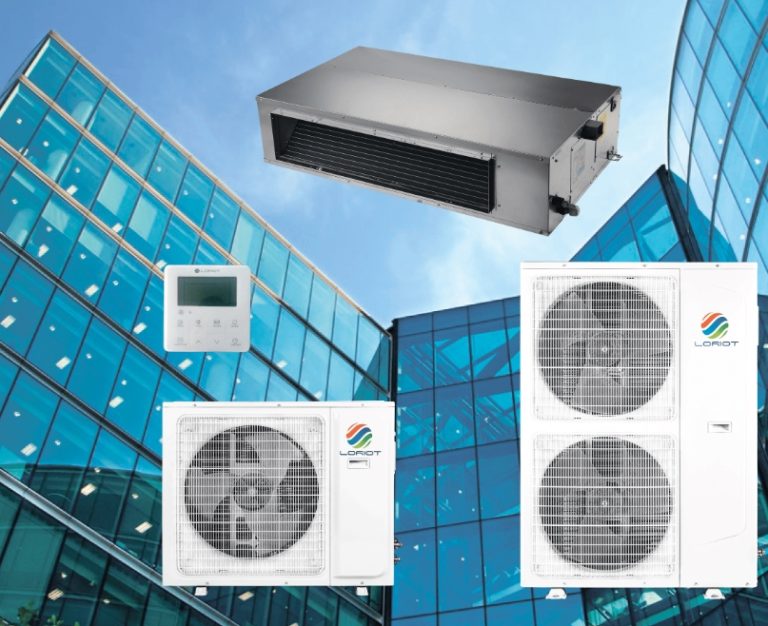
Advantages and disadvantages of an inverter air conditioner over a split system:
- low noise level due to the absence of starting and stopping mechanisms;
- the evaporator does not require additional time to reach the required temperature;
- The service life of the compressor and fans has been increased due to continuous operation without jerking;
- The room maintains a stable, favorable microclimate that is beneficial to human health.
- Electronics are sensitive to voltage surges, sometimes it is necessary to install a stabilizer;
- Repairs will be expensive if the electronic component breaks down.
Comparing prices by price is inappropriate, as prices depend on technical specifications and brand. Equipment with similar specifications has a slight price difference.
What is the difference between an inverter air conditioner and an On/Off unit?
The main difference is the operating algorithm. Inverter air conditioners operate continuously. Performance is reduced by reducing freon compression. On/Off technology shuts off the compressor when the set temperature is reached, operating like a conventional fan.
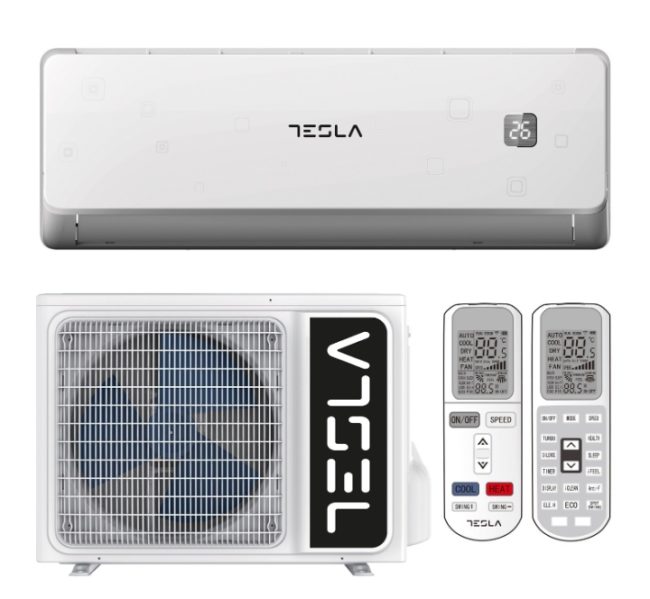
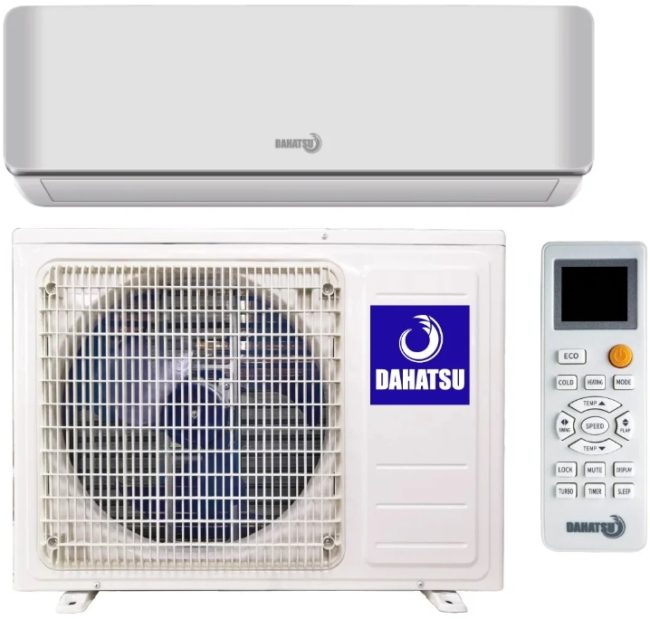
What does the button marked high mean?
To adjust the air flow rate into the room, speed buttons are provided. They are usually labeled with English words:
- High – high;
- Med or Mid – average;
- Low – minimal, low.
When the High mode is enabled, the On/Off mode of air conditioners increases the number of motor starts. Inverters, the motor runs constantly at high speed.
What does the Mode button do in split systems?
What does the abbreviation h 1 mean in air conditioning?
The illuminated H1 abbreviation is a code indicating the start of the outdoor unit's automatic defrost cycle. Removing ice prevents module failure and improves air conditioning.
During the defrost cycle, the room is not air-conditioned for several minutes.

What is the difference between an inverter and a non-inverter system in terms of operation, and which one should I choose?
Non-inverter equipment operates in heating mode until the outside temperature drops to -7OC. Inverter systems can heat a room when the temperature outside is down to -30OWITH.
For the primary heating source of a room, it's best to choose an inverter. If you need cooling in the summer and auxiliary heating in the spring or fall, less expensive non-inverter equipment will suffice.
What is included in the split system kit?
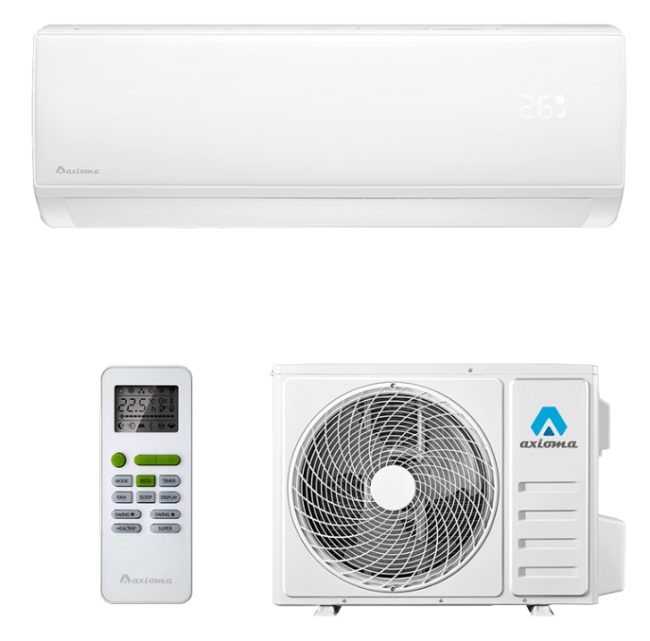
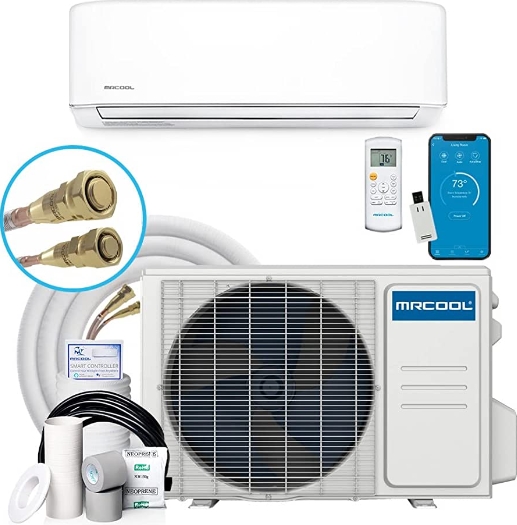
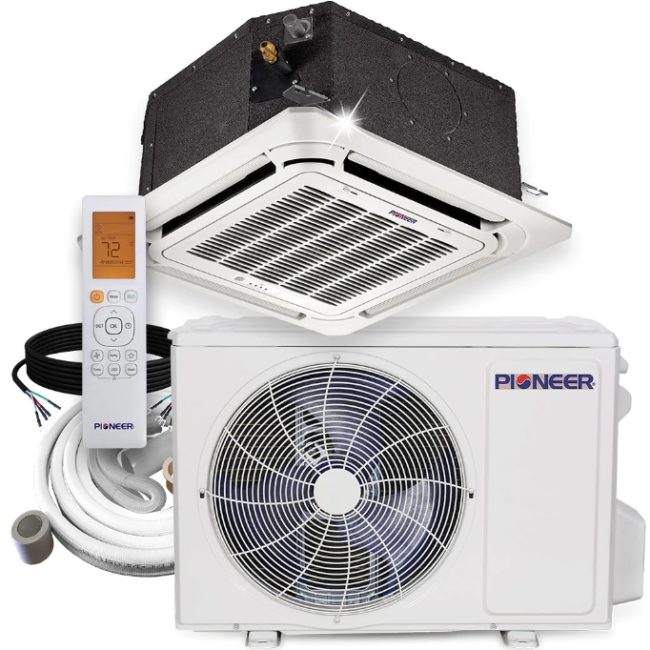
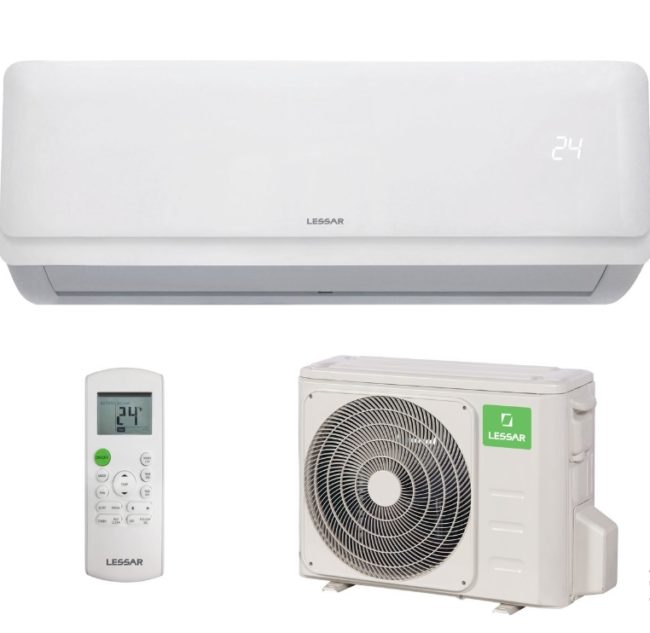
The standard kit consists of an indoor and outdoor unit, a gas line, a control panel, and a technical data sheet. Some models come with a filter. Cable and mounting hardware are also required.
Why might there be water remaining in the indoor unit of an air conditioner?
If the settling condensate is not completely drained outside through the pipe, the cause is a clogged drain or improper installation of the equipment.
What is meant by the cooling capacity of a split system?
The efficiency of air cooling is usually measured in BTU/h, referred to as cooling capacity. The higher the value, the more efficient the air conditioning system and the equipment itself.
However, as power increases, energy consumption increases. A split system with a rating of 7000 BTU/h is considered the golden mean.