The management company is responsible for the technical condition of the building's communal ventilation network. The service organization does not always fulfill its obligations conscientiously.
To avoid breathing dirty air, property owners need to know how to safely check their apartment's ventilation system themselves.
A simple solution is to place a piece of paper against the vents. The paper will stick to the hood and move away from the air intake.
To explore this issue, we'll take a detailed look at what a ventilation system consists of, why it's tested, and what methods and equipment are used. We'll also discuss troubleshooting and improving the functioning of the utility system. We'll also touch on protecting yourself from scammers who visit apartments posing as service representatives.
- The design, purpose, and operation of ventilation
- Why do they check ventilation?
- Signs of non-functioning ventilation
- Ventilation inspection deadlines
- Rules for checking ventilation
- Ways to check ventilation yourself
- Problems with air exchange in apartments on the upper floors
- Troubleshooting methods
- Recommendations for improving ventilation
- Who checks ventilation, and how to protect yourself from scammers?
- Answers to frequently asked questions
- Video materials
The design, purpose, and operation of ventilation
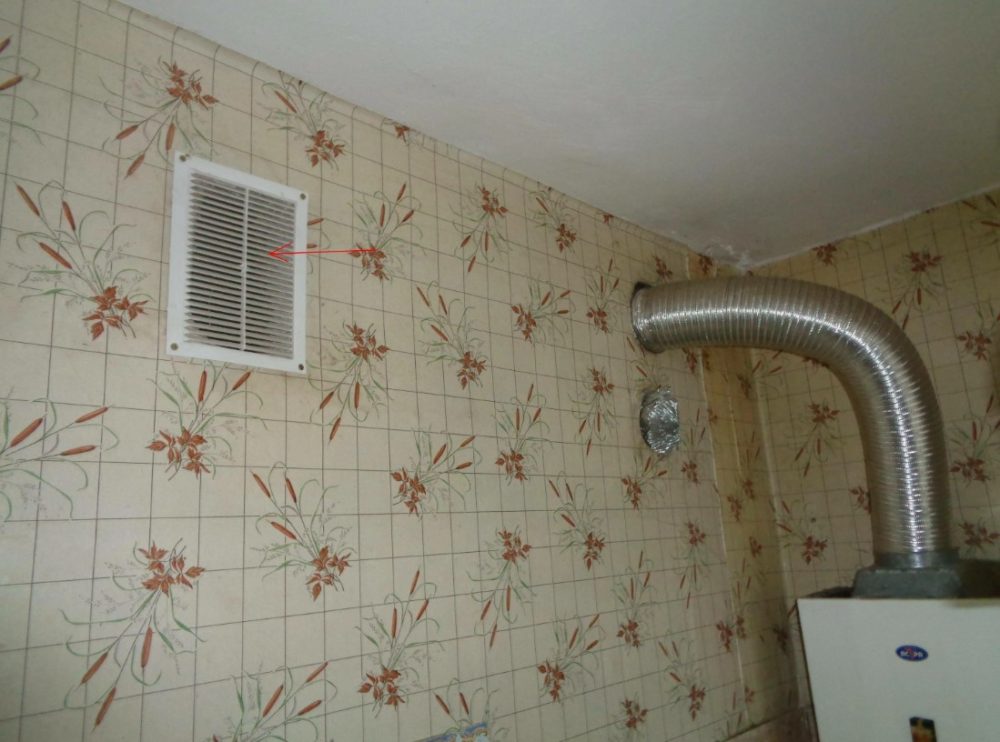
In older apartment buildings, natural ventilation was planned. A communal exhaust shaft runs through the building's floors, with ducts connecting each apartment.
The grilled hood vent is located under the ceiling in the kitchen, bathroom, and other designated rooms. Natural air intake comes through the cracks in wooden windows and under the door.
New apartment buildings are constructed with sealed double-glazed windows, insulated façades, and soundproofed interior partitions, floors, and ceilings. This eliminates the natural flow of air into living spaces, creating a thermos effect.
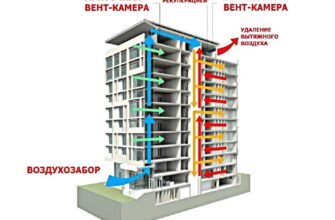
Natural ventilation is becoming less popular. Modern apartment buildings are designed with forced ventilation. The utility system consists of common-building exhaust and supply ducts equipped with fans for mechanical air movement.
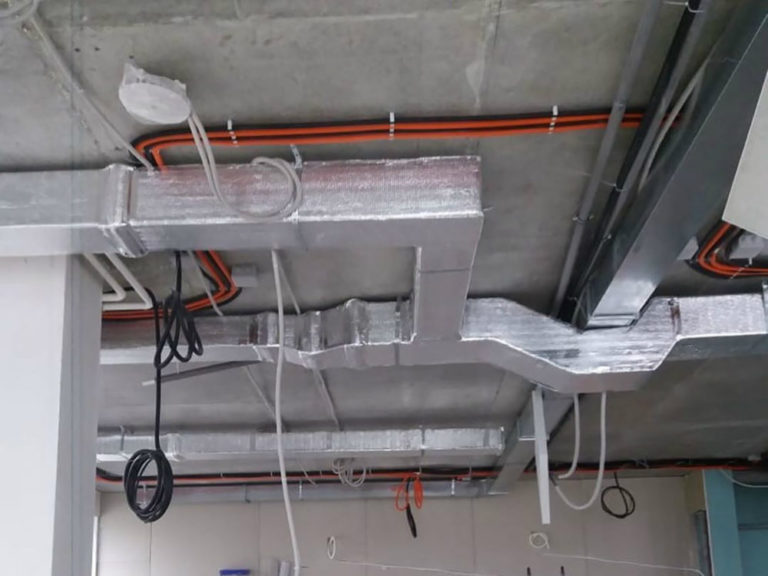
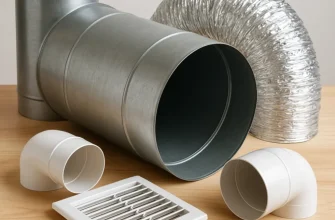
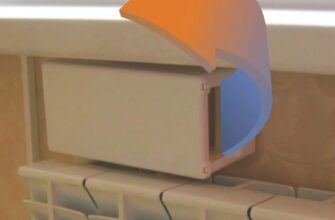
When the general building ventilation system is unsatisfactory, apartment owners are allowed to install additional utility lines themselves. Equipment is selected based on personal preference and the room's parameters. Wall or window valves, a breather, a heat recovery unit, or a split-system system with an air inlet function are available.
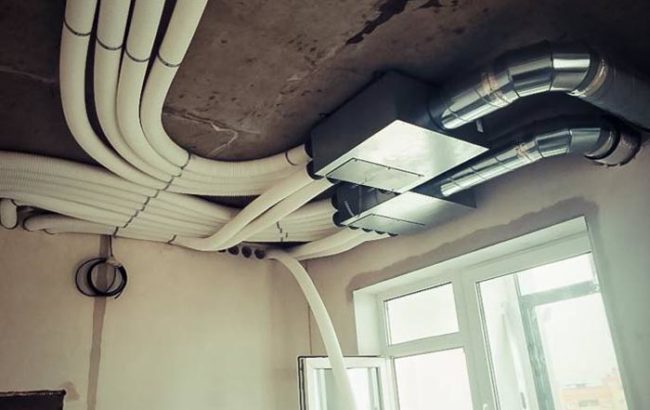
The purpose of all types of ventilation systems is to ensure air exchange for each room in an apartment in accordance with sanitary standards. The operating principle of these utility systems is the same. Fresh air enters through the intake openings.
Dirty air, along with moisture vapor, is expelled through the exhaust hood to the outside. Additional equipment allows for cleaning, ionizing, heating, or cooling of the incoming air.
Why do they check ventilation?
Air constantly circulates through the ventilation ducts. Regular air exchange ensures a comfortable microclimate in the apartment.
According to GOST 30494-2011, the recommended level of carbon dioxide CO2 in the air of a residential building 800-1000 ppmThe maximum indicator is 1400 ppm, but already at 1000 ppm a person has difficulty breathingAccording to physiologists, the normal CO2 content is considered to be 600 – 800 ppm.
A comfortable humidity level for humans is 40-70%. Regulatory documents specify the appropriate level for each room based on its intended use. For example: a bathroom should be 50-70%, while a living room should be 40-60%.
When air circulation is disrupted, the utility system fails to provide adequate air exchange. This problem can arise due to clogged air ducts, leaky ducts, equipment failure, and other causes. Scheduled and unscheduled ventilation inspections in an apartment are necessary to:
- prevent breakdown of mechanical components in a timely manner;
- stably maintain the normal level of oxygen, carbon dioxide and humidity.
Don't neglect to inspect the technical condition of your utility system. Overlooked defects will lead to poor health. High humidity will damage furnishings, household items, and interior finishes.
Signs of non-functioning ventilation
Utility system malfunctions can occur even when you've tried diligently to check the mechanical components. The following signs can help you identify that your ventilation is malfunctioning after a recent inspection:
- The air becomes difficult to breathe due to elevated CO2 concentrations. People experience malaise, drowsiness, and inattention. As carbon dioxide concentrations rise, symptoms intensify.
- In autumn, winter, and spring, the air feels especially humid. Condensation is visible on furniture polish, glass, tiles, and other glossy surfaces. Wallpaper becomes moldy in the corners of the walls. A blackish tint spreads along window slopes. Condensation pools appear on the windowsills.
- In summer, dry air can become a problem. Dust can spread throughout the apartment, causing a sore throat.
- High humidity with carbon dioxide and mold contributes to the formation of a musty odor.
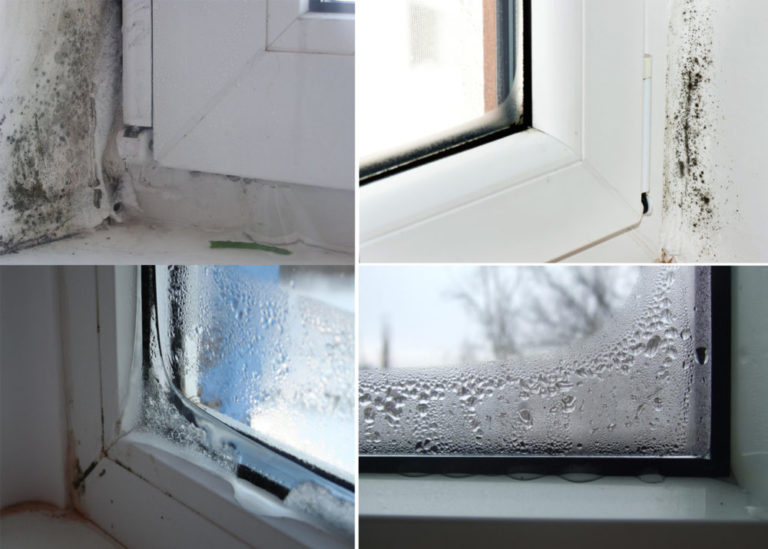
People who spend long periods in an apartment don't immediately notice the first signs of a poor indoor climate. Dampness and heavy air are easily detected by entering the space from outside.
We invite you to read: Where to go if the ventilation doesn't work in the apartment.
Ventilation inspection deadlines
The verification periods are specified by Government Resolution No. 1479 of September 16, 2020. Law No. 1885 was amended on October 24, 2022. The periods specified in Clause 43 are recommended.
By law, the head of the management company determines the order of inspections, but not less than once a year.
In practice, how often the general building ventilation is checked depends on the integrity of the executive body and the vigilance of the residents.
Rules for checking ventilation
Recommended values have been established for different rooms based on their intended use. In the kitchen, the appliances used—electric or gas oven, number of burners—are also taken into account.
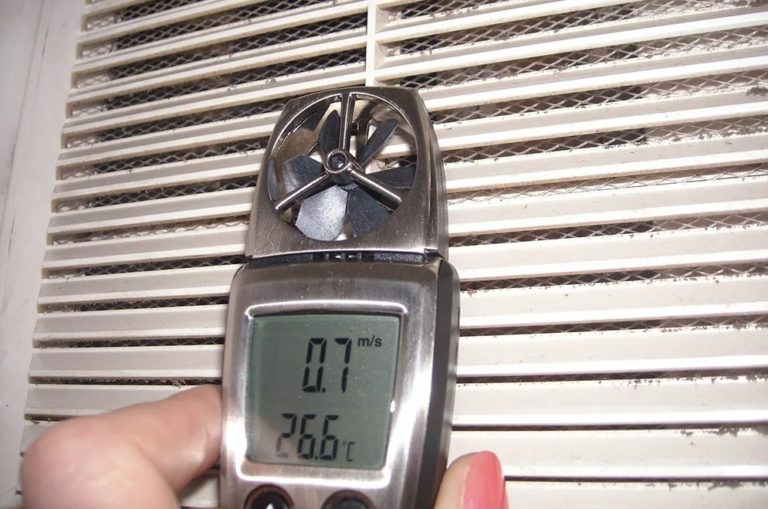
Service representatives check that the building's utility network provides adequate air exchange. Air flow measurements are taken at the grille and the top of the ventilation duct using an anemometer.
The rules for verification are prescribed GOST 34060-2017 P. 11.16.2Natural ventilation shafts are tested at an outside temperature not exceeding +5OC. The operation of the ventilation is checked when the minimum difference between the indoor and outdoor temperatures is 15OWITH.
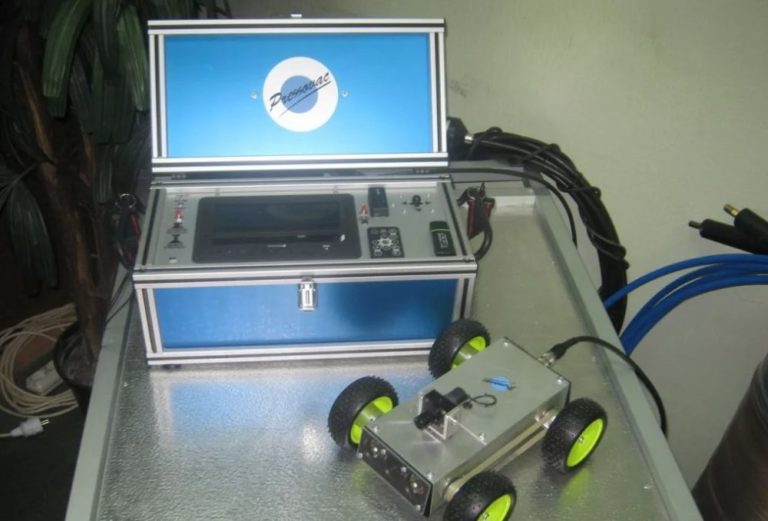
Based on the complexity of the structure and the degree of contamination of the ventilation network, the foreman determines the appropriate inspection methods for the working components. The condition of accessible mechanisms and ducts is checked visually. Contamination in deep shafts is determined using diagnostic tools and instruments. Video inspection provides reliable results.
Ventilation inspection is regulated by laws:
- Resolution No. 491 In the old and new editions of June 29, 2020, Clause 2 defines the relationship of ventilation networks to common property.
- Resolution No. 410 As of May 14, 2013, Section 11 stipulates that ventilation inspections and repairs are performed by the organization servicing the apartment building. Residents are permitted to enter into contracts with licensed third-party companies.
- Resolution No. 290 in the old and new edition of 06/29/2020, Clause 15. defines the list of works and the procedure for servicing ventilation networks.
- Sanitary requirements for the environment in apartment buildings are prescribed SanPiN 2.1.2.2645 – 2010.
- The internal climate parameters are regulated GOST 30494.2011.
- Ventilation requirements are prescribed SP 54.133.30 – 2016.
- Standards and requirements for air exchange and calculation of air ducts are defined SNiP 41.01. – 2002.
The rules for air conditioning and ventilation are prescribed SP 60.133.30 – 2012Other regulatory documents have been developed. Representatives of service organizations are required to comply with these laws. Certain provisions apply to apartment residents.
For example, Resolution No. 390, Section 48 prohibits property owners from covering ventilation grilles or connecting household equipment to the general house exhaust system without permission.
Ways to check ventilation yourself
Trust a reputable service provider, but don't let them down yourself. You need to know how to properly check your ventilation system yourself when you suspect the first signs of deteriorating indoor climate.
Pay special attention to the kitchen, where gas leaks can accumulate. Professionals use gas analyzers, anemometers, and other testing devices that average homeowners don't have. Problems with the utility system must be identified visually. If you suspect a decrease in air circulation, check the hood's draft.
Use a safe method using a sheet of paper. Place the strip against the ventilation grille. The draft is normal when the sheet adheres to the hood and can be held in place without human intervention. If the paper falls off the grille, investigate the cause.
Poor draft is caused by poor air flow and air bleed. Installing plastic windows prevents air from entering through the cracks. To determine the cause of poor air flow, open the vents. Check the hood by placing a piece of paper against the grille. A stuck piece of paper will confirm the cause.

An overflow is air coming from other rooms through gaps under interior doors or through openings in partitions. Check the air flow with a piece of paper. The strip should be deflected away from the overflow opening by the incoming supply air.
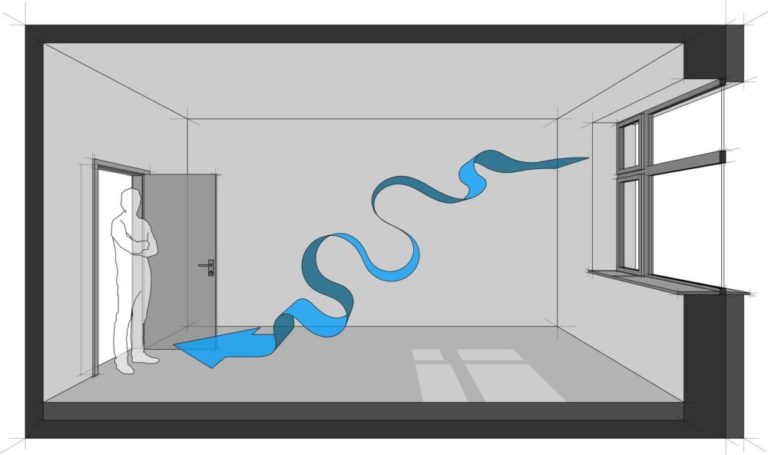
The opposite situation can occur, where the supply and return air vents are working, but the hood isn't. To check, place a piece of paper against each vent in turn. If the paper moves away from the supply and return air vents but doesn't stick to the hood, the problem lies in the exhaust duct. The grille or the common duct may be clogged.
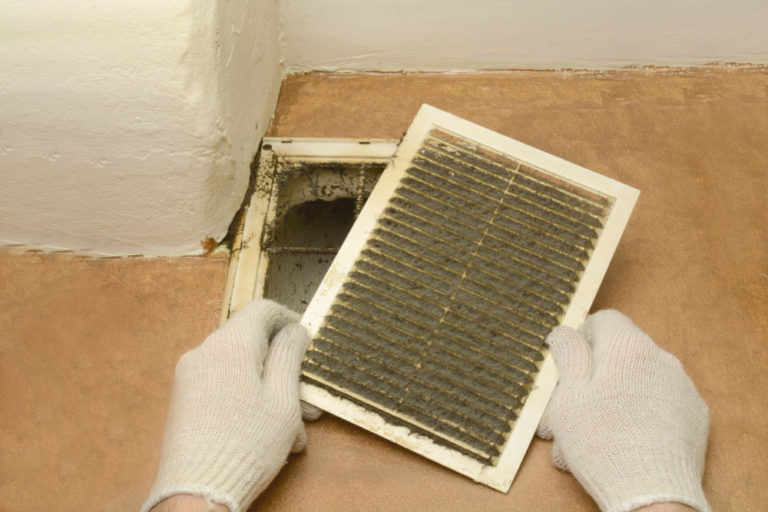
In an apartment with closed windows, the exhaust fan, air inlets, and air vents should be working. Use a light object to check for circulation. Natural air exchange is slow.
To test, use a feather or a thin piece of paper napkin, hanging it on a string near the interior doorway. If the probe is deflected by the air flow, this indicates air circulation.
It's important to determine the direction of the air flow. Clean air enters from the inlet vents. Dirty air is expelled through the exhaust vents. When the flow is reversed, the apartment has a reversal of draft.
Problems with air exchange in apartments on the upper floors
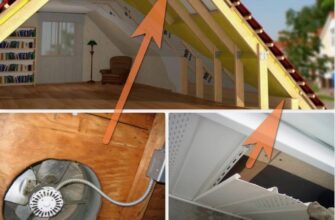
The ventilation system of an old-style apartment building features a horizontal duct in the attic. The attic serves as a ventilation plenum, collecting stale air from all apartments.
Air from the attic is directed into the box and released to the outside through a single exhaust shaft. This design flaw leads to two problems:
- The draft in the exhaust ducts on the upper floors slows down. The exhaust air doesn't accelerate enough to reach the attic.
- Airflows from the horizontal duct that abut the ceiling do not take a horizontal direction until they reach a single exhaust shaft. Dirty air more easily returns vertically to the attic and enters the upper-floor apartments through the exhaust vents. This creates a reversal of draft. Residents of the upper-floor apartments breathe dirty air from all the rooms on the lower levels of the apartment building.
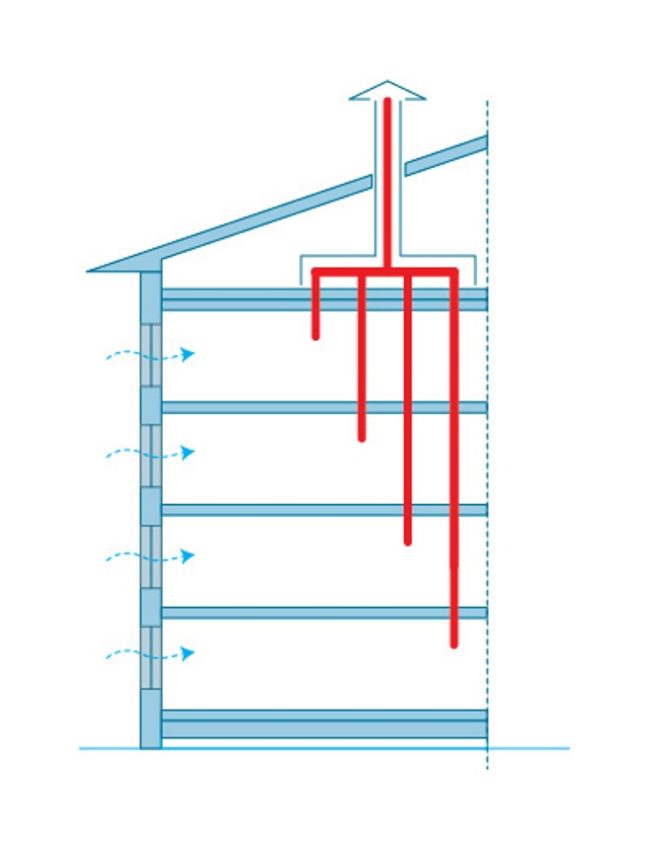
Ask how to test your apartment's range hood for slowing or reversing draft. The same applies to paper and feel. In the first case, the sheet won't stick to the hood. In the second case, the paper will be pushed away from the exhaust grille, and dirty, foul-smelling air will emerge from the vent.
Troubleshooting methods
In newer homes with ducted ventilation, it's easier to fix poor ventilation. Clean the dirty decorative trim and edges of the exhaust duct.
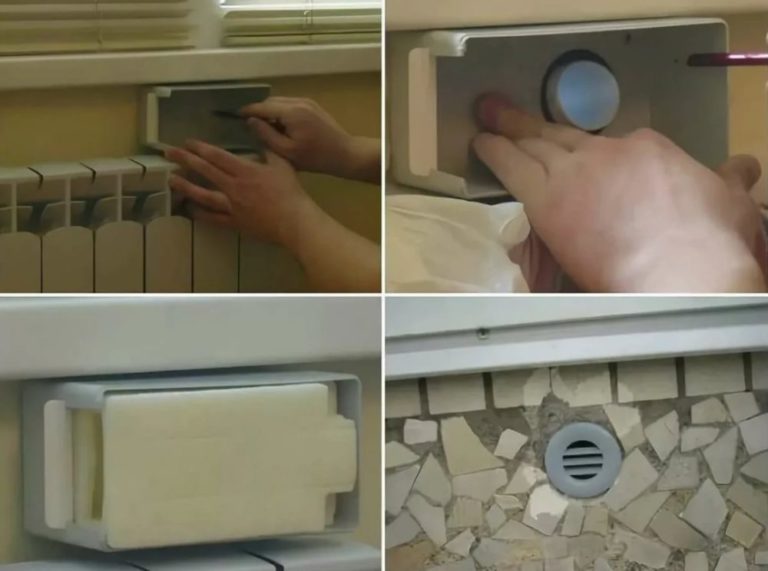
Call a service provider to clear out debris or a collapsed communal air shaft. Create additional air flow by installing wall or window valves or a breather.
Fixing the problem in older buildings with horizontal attic ducts is more difficult. A reliable way to prevent reversal of the draft is to separate the hoods of the upper-floor apartments from the shared attic storage tank. Install separate, insulated ducts that vent to the outside through the roof.
It's not always technically or legally possible to change the ventilation system layout. To legally resolve this issue, extend the exhaust ducts of the upper-floor apartments from the attic side up to the ceiling of the horizontal duct.
Turn the air ducts and extend them to the outlet of the single exhaust duct. Weaker air flows will be picked up by stronger ones coming from the lower floors.
Upgrading the building's common area network is prohibited on your own. Notify your service provider or obtain permission to hire a licensed third-party company.
Recommendations for improving ventilation
An apartment owner can improve ventilation performance with simple steps without making any structural changes. Follow these recommendations:
- Regularly clean ventilation grilles and accessible duct areas from dust and grease.
- Change or clean filters on the supply units.
- Try to check the draft once every 1-2 weeks.
- Install wall or window valves to increase air flow. In summer, set the sashes of plastic windows to ventilation mode.
- If you notice any problems with your ventilation, check with your neighbors or local authorities to determine who is responsible for inspecting and repairing the building's common network. Submit a request to have a technician called.
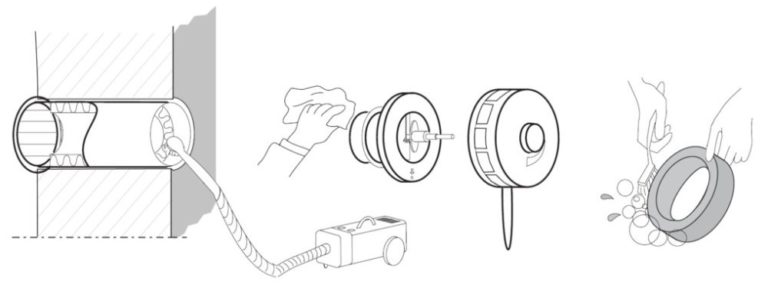
Don't connect household appliances to common building ducts yourself. Besides being fined, you'll disrupt the ventilation in your own apartment and your neighbor's.
Who checks ventilation, and how to protect yourself from scammers?
Only licensed companies are legally allowed to inspect communal ventilation systems. The question is which inspectors should be allowed into the apartment and which should be sent packing.
To avoid being scammed, property owners should know who has the right to inspect utility lines in their area. Routine inspections are carried out by the management company, homeowners' association, housing cooperative, or housing construction cooperative. The inspection is carried out by the organization managing the apartment building.
The inspector is required to enter the apartment upon request. If you haven't encountered the technician before, ask to see their official ID and a warrant from the organization they represent.
Taking advantage of legal permission, third-party companies send their employees to visit apartments looking for customers. To sign a contract for ventilation maintenance, the technician will report non-existent faults and offer favorable terms for inspection and repair. Whether or not to sign a contract with a third-party company is up to the owner.
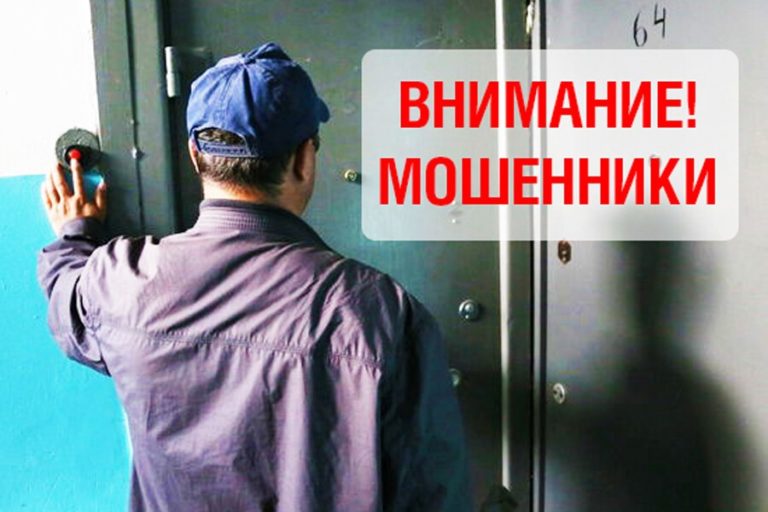
If an inspector knocks on your door without identification under an unclear pretext, call the management company. Find out if a technician was sent to the address you provided. If the management company isn't affiliated with the inspector, don't let the stranger into the apartment or call the police.
Answers to frequently asked questions
Signs of non-functioning ventilation: high humidity, mold on the walls, musty, difficult to breathe air with unpleasant odors.
Utility networks are inspected by the organization that manages the building. Call the dispatcher at the management company, homeowners' association, housing cooperative, or housing construction cooperative. Contracting with a licensed third-party company is permitted.
You can determine the efficiency of your ventilation system by taking measurements with an anemometer. Check your work with a piece of paper. A sheet of paper placed against the hood will stick, while a sheet placed against the inlet will move away.
Professionals check the ventilation network with an electronic device called an anemometer. Shafts are inspected using video inspection. Individuals can check the exhaust and intake air with a piece of paper placed against the ventilation grille.
The management company that maintains the apartment building on its balance sheet is responsible for utility networks.