Not sure what to do if your apartment's ventilation isn't working? First, file a complaint with the organization that services your apartment building.
We'll discuss the problem in more detail in this article. We'll also cover ways to check the utility network's functionality, identify the causes of failures, and identify possible solutions.
- Problems with faulty ventilation
- How to check the ventilation system for functionality
- Reasons and solutions
- There are no cross-flows
- There are no conditions for creating natural draft
- Problem with the hood
- Problem with influx
- Contamination of the ventilation system
- Equipment failure
- Unintentional interference with the ventilation network design
- Who repairs and is responsible for general building ventilation?
- Recommendations for preventing ventilation failures
- Answers to frequently asked questions
- Video materials
Problems with faulty ventilation
When ventilation in an apartment is poorly functioning or completely non-functional, air exchange ceases. The problem of a faulty utility system affects human health.
Residents of the apartment experience a deterioration in their general health and difficulty breathing. Dirty, stagnant air creates favorable conditions for the growth of fungi, putrefactive, and pathogenic microorganisms.
Lack of air exchange accelerates the deterioration of household items and interior finishes. Soot from cooking food settles as a greasy layer on personal belongings and furnishings.
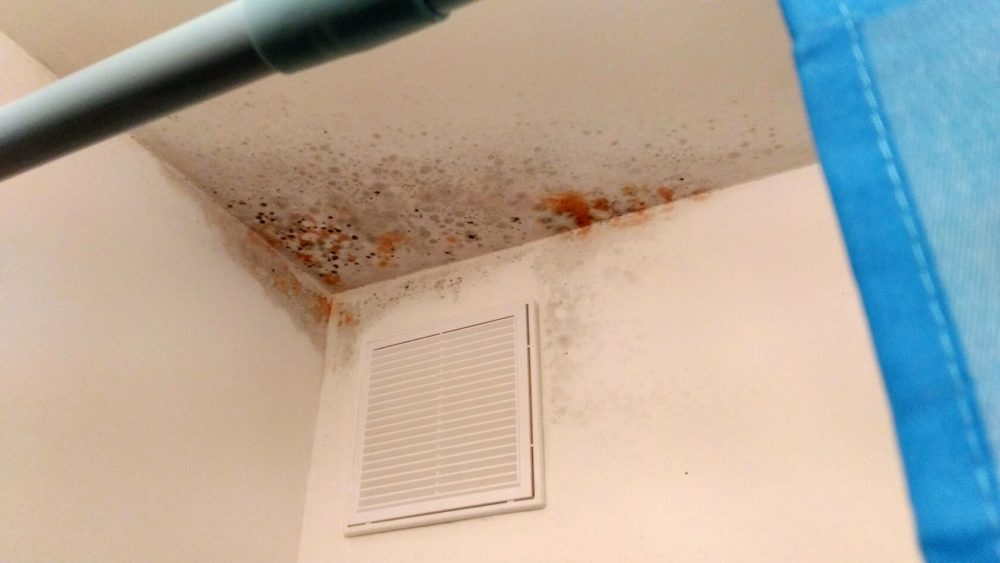
Unpleasant odors appear. Humidity increases, stimulating the growth of mold, leaving dark spots on walls and ceilings.
How to check the ventilation system for functionality
Visual signs will indicate a malfunction in the ventilation system. Humidity in the apartment will increase. After showering and cooking in the kitchen, condensation will form on the window panes and on parts of the walls.
Stale air will spread throughout the rooms, making it difficult for people to breathe. Pets will become irritable. Houseplants will wilt.
To mechanically check the serviceability of an engineering system, you need to know how natural and forced ventilation should work:
- A natural ventilation network is not equipped with fans. Air circulates due to temperature and atmospheric pressure differences.
- A forced-air ventilation system is equipped with an exhaust fan, a supply fan, or both. Air is forced through ducts throughout the room. A ventilation system with a single supply or exhaust fan is often referred to as a combination system, but its operating principle is more closely related to a mechanical system.
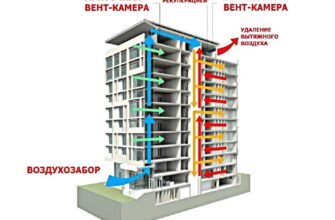
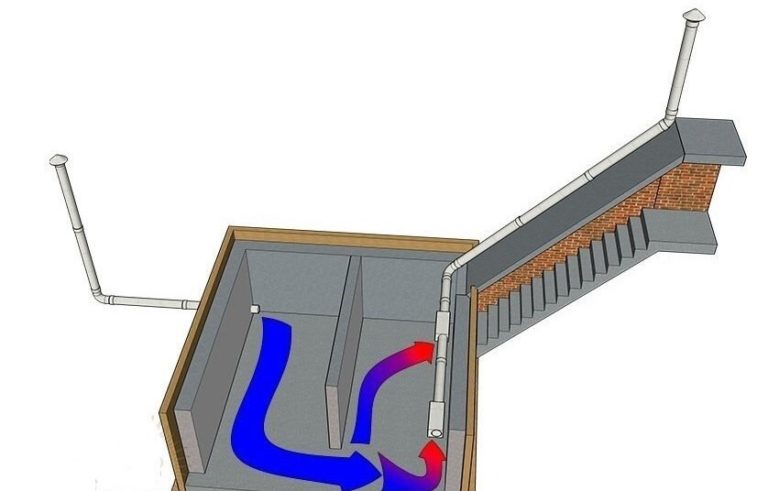
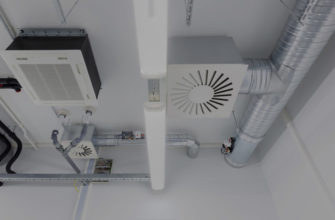
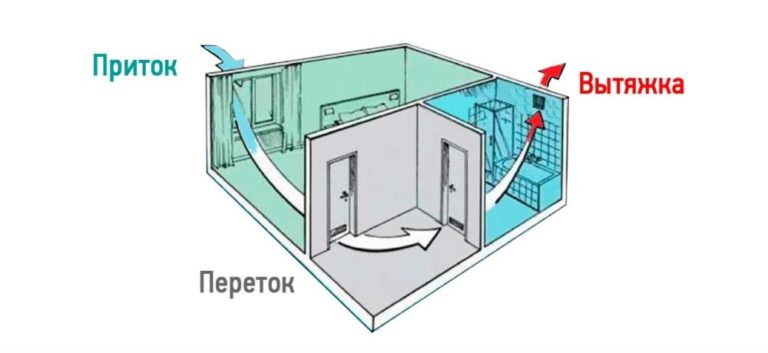 Regardless of the method of air movement, the operating principle of both forced-air and natural ventilation systems is the same. The exhaust duct is located under the ceiling, collecting and expelling stale air from the room to the outside. The supply vent supplies fresh air from the outside to the apartment.
The natural air intake is located at the bottom of the walls, close to the floor, or under the windowsill near the radiator. With a forced-air system, the intake unit can be installed at the top of the room.
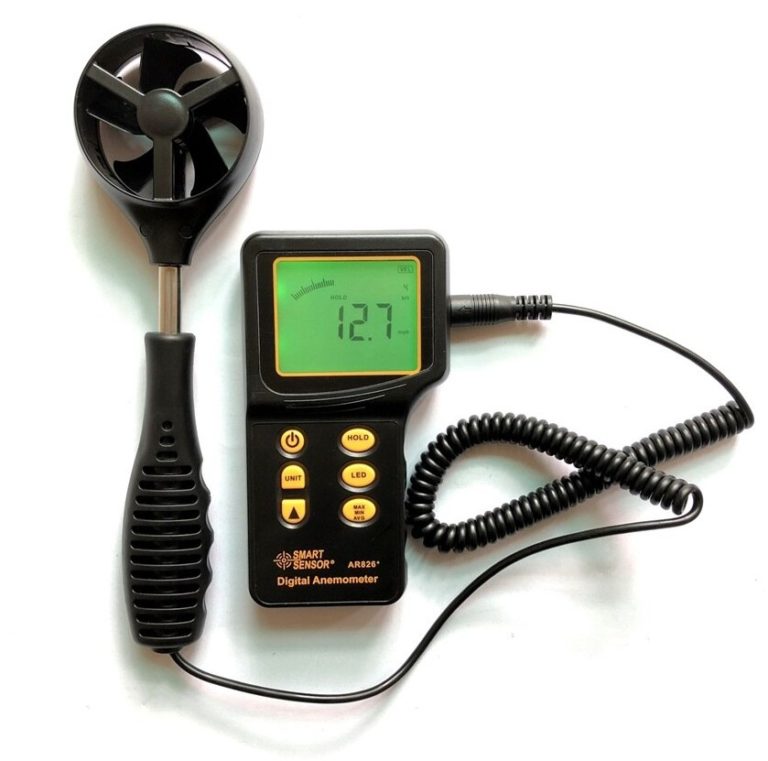
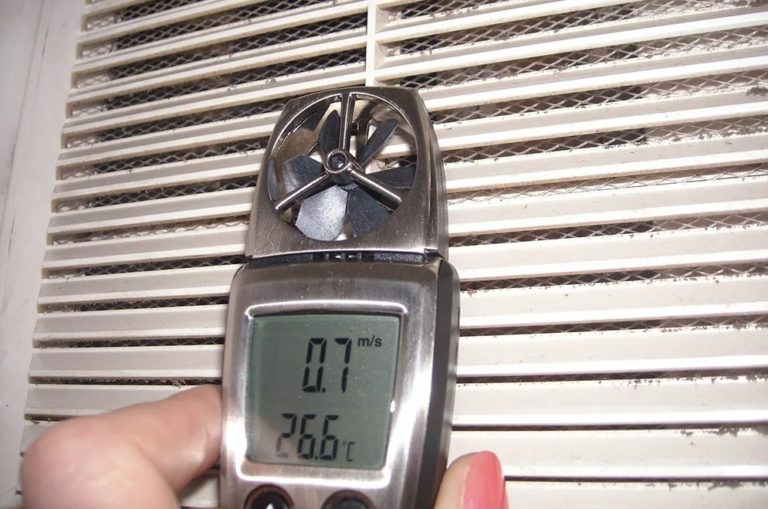
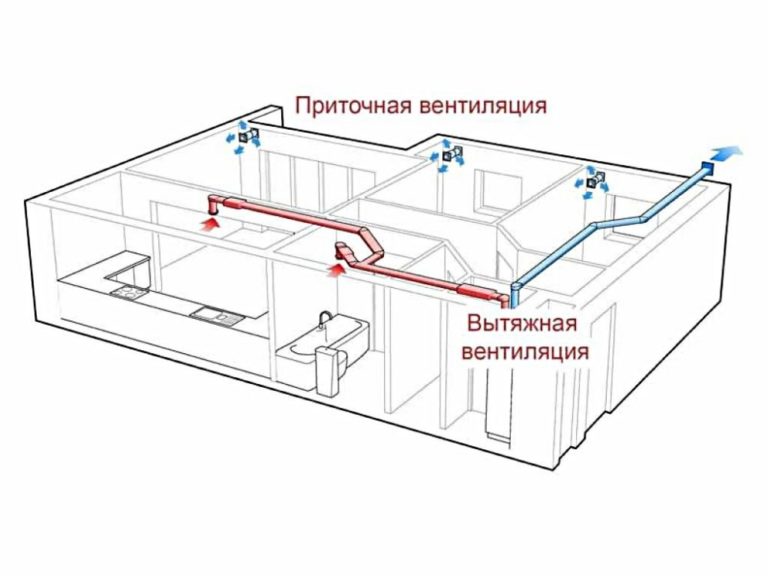 Now that you understand the general principles of supply and exhaust ventilation, you can test the utility system yourself. Get accurate measurements using an anemometer. Place the measuring device against the vent and view the results on the display.
Not every average apartment owner has an anemometer. Ask how to test ventilation without an instrument—using simple, home-made methods. You won't get precise flow rates, but you can determine the presence of draft.
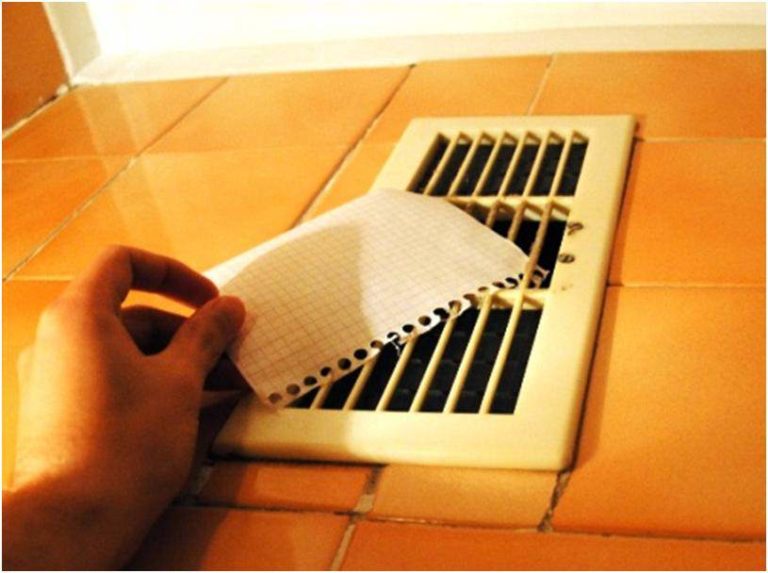
To safely test the air duct, you'll need a thin sheet of paper. Tear a strip of newspaper or a notebook page and place it against the ventilation grille. If there's a draft, the paper will stick to the vent. The sheet will be deflected into the apartment by the incoming air currents.
A candle or lighter flame is sometimes used instead of a notebook sheet. The testing principle is similar, but the method is dangerous. Grease, cobwebs, and gas accumulate inside ventilation ducts. Contact with an open flame will cause a fire or explosion of the flammable environment.
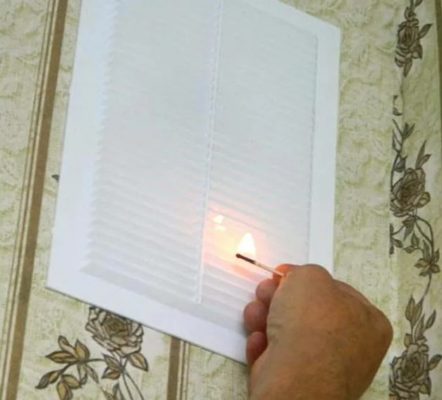
An apartment's ventilation is considered inoperative when there is no ventilation or a backdraft is created. In the first case, a flame or sheet of paper will not react when brought near the ventilation grille. In the second case, the opposite effect is created. The sheet or flame is deflected by the hood and drawn toward the air intake.
Reasons and solutions
When an inspection reveals problems with the ventilation system, you start wondering what to do and where to turn. Don't rush to hire outside specialists.
First, determine the cause of the malfunction. Based on the problem identified, you'll find a solution.

There are no cross-flows
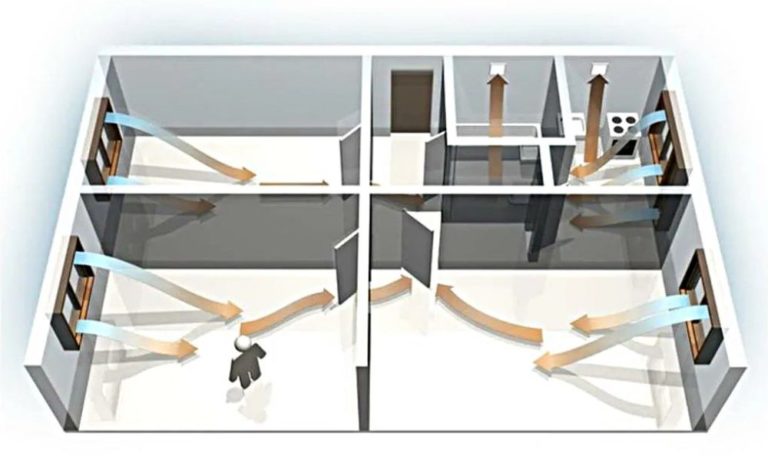
Let's repeat how it works correctly supply and exhaust networkFor ventilation to function, a constant supply and exhaust of air is required. In an apartment, the exhaust hood is usually located in the kitchen and bathroom.
The supply air unit is installed in other rooms. Air circulates between adjacent rooms through crossovers—cracks or openings in the interior walls and partitions. When the crossover duct is closed, circulation stops.
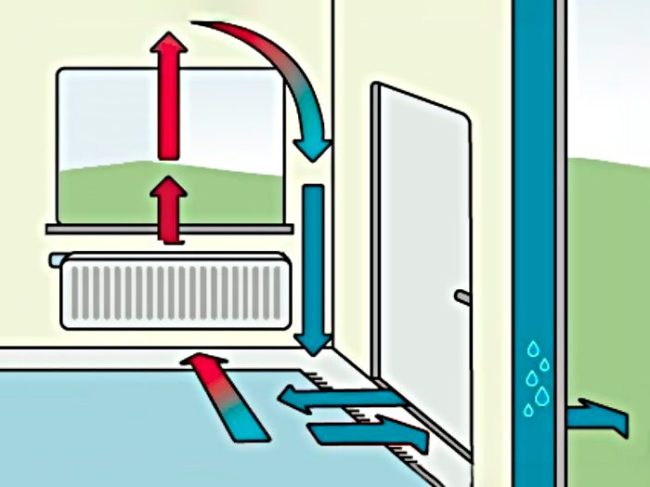
Solve the air flow issue yourself. Open the interior doors and check the draft. If air flow resumes, clean out any debris, widen the existing air flow vents, or install new ones.
There are no conditions for creating natural draft
Problem with the hood
The ventilation system doesn't work well when more air enters the apartment than is exhausted through the hood. The air mass ratio should be approximately equal. The hood fails to exhaust properly for several reasons:
- insufficient air duct cross-section;
- jammed check valve or fan failure;
- contamination of the ventilation grille or duct;
- lack of inflow.
Start solving the problem by increasing the air intake. Open a window or the front door and check the draft above the hood. If the ventilation works, consider installing additional air intake units.
The second step is to check the utility system for contamination. If possible, clean accessible parts of grease, debris, and cobwebs.
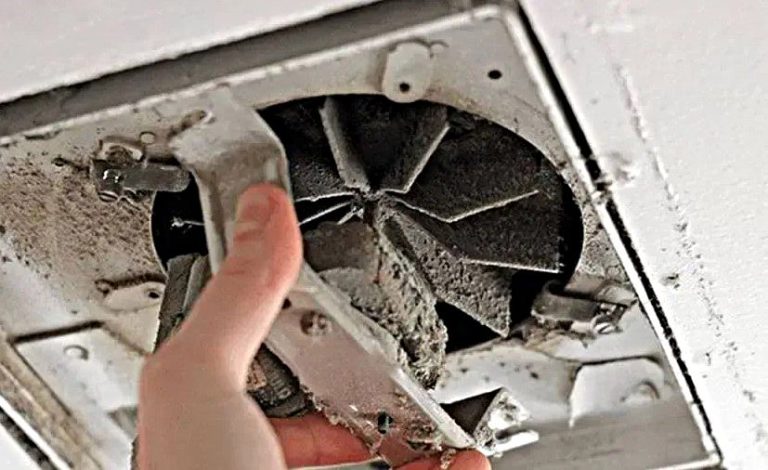
The third step is to check the operation of the exhaust fan. When running, the motor produces a gentle, consistent noise without any loud extraneous sounds.
When turning the fan on and off, you'll hear a quiet clicking sound from the check valve flap. If one or both mechanical components are damaged, remove them for repair or call a professional.
If the exhaust duct cross-section is too small, the ventilation will not function initially after commissioning. Calculation and installation errors are corrected by representatives of the organization servicing the apartment building.
If an exhaust vent is closed or narrowed spontaneously, the apartment owner must restore it to its design parameters.
Problem with influx
Ventilation doesn't work without air intake, even with a powerful exhaust fan. Air intake is reduced after replacing wooden windows with sealed double-glazed units with metal-plastic frames.
Choose a convenient solution to the problem by installing the following supply units:
- window valves;
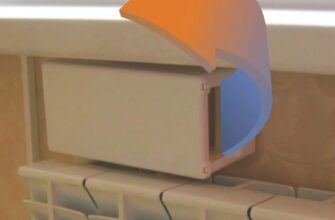
- wall valves;
- breather;
- recuperator;
- split system with inflow function.
You can install ventilators with valves yourself. However, if you don't have experience, leave the installation of split systems and other complex equipment to professionals.
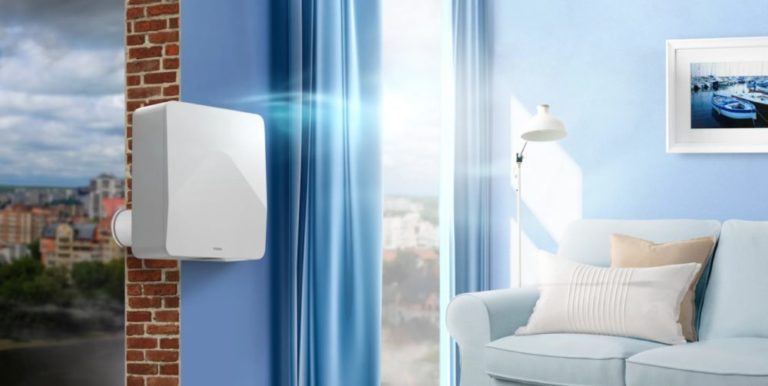
When an installed supply unit with the required capacity fails to provide the required air flow, the problems and solutions are similar to those with an exhaust system. Possible causes include equipment failure, clogged ventilation grilles, or a clogged duct.
Contamination of the ventilation system
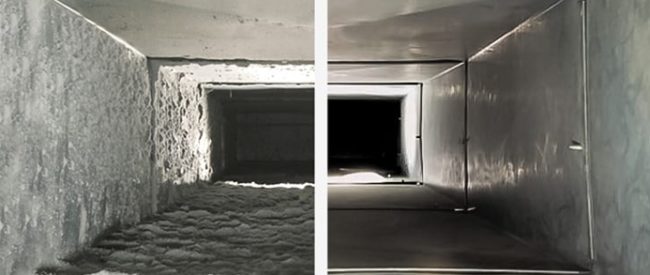
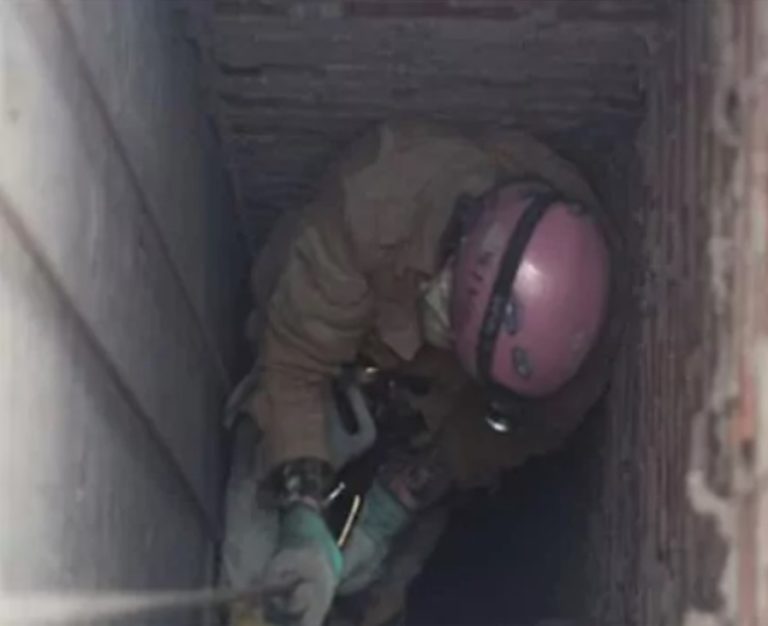
Supply and exhaust air carries dust, small debris particles, grease vapors, and other contaminants. These contaminants accumulate on the interior walls of ventilation shafts, fan blades, valve flaps, and decorative grilles.
Small rodents and insects can penetrate air ducts. Regular maintenance is required to restore the system's functionality.
In paragraph 43 Resolution of the Government of the Russian Federation of September 16, 2020 No. 1479 and the new version from October 24, 2022 No. 1885 states that the ventilation system must be checked and cleaned at least once a yearThe frequency of technical maintenance of each unit of the common building system may be determined by the head of the service organization.
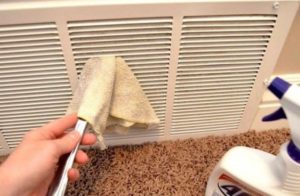
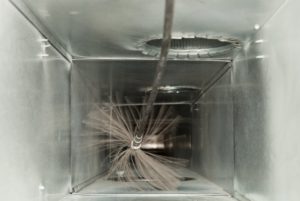
Clean the decorative grille covering the wall vent yourself. Remove as much cobwebs and grease buildup as possible from the duct walls. Do not use open flames or flammable liquids for cleaning.
You'll have to clean out any dirt from utility system components you've installed separately from the building's main ventilation system. Complete disassembly and reassembly will be required.
Equipment failure
Mechanical ventilation is equipped with duct fans, check valves, filters, and other complex components and automation. The failure of one component disrupts the entire utility system.
To extend the life of your mechanisms, conduct regular maintenance checks at least once a year. Remove any accumulated dirt from the operating components as often as possible. If you notice any changes in the operation of a mechanism, don't wait for it to fail. Repair the problematic component or call a technician.
Unintentional interference with the ventilation network design
The building's common ventilation system malfunctions after apartment residents tamper with it. Neighbors may be the culprit, unbeknownst to the owner of the apartment with the malfunctioning utility system.
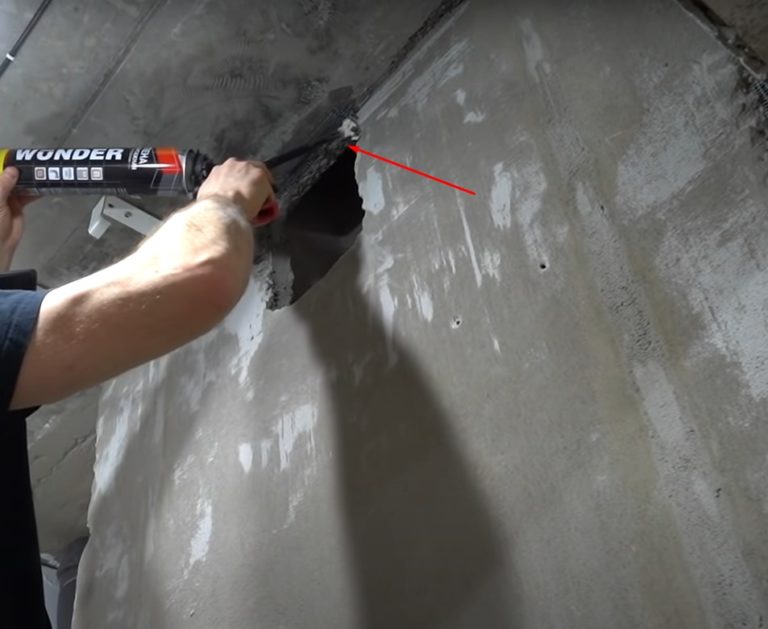
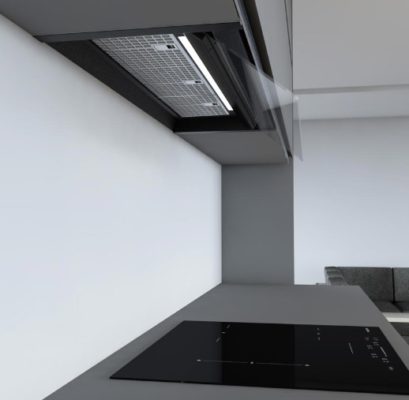
Spontaneous interference is most often associated with the installation of kitchen ducted hoods connected via air ducts to a ventilation opening on the wall.
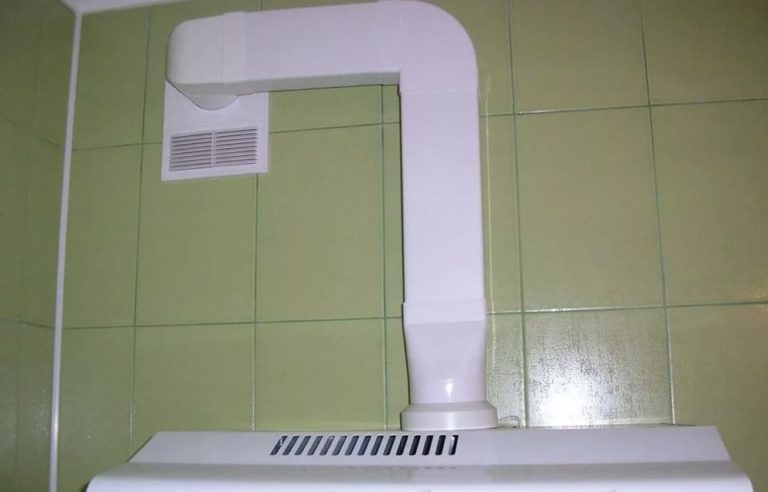
To install an exhaust hood in an apartment building, the apartment owner must obtain permission from the utility company. Unauthorized interference with the building's shared ventilation system will result in a fine.
If permission is not given, install a recirculation hood instead of a ducted one.
Who repairs and is responsible for general building ventilation?
When a property owner notices that the ventilation in their apartment isn't working, they often don't know where to turn with the problem. The first step is to figure out who is responsible for maintaining the utility system.
Self-installed supplemental ventilation belongs to the apartment owner. You can carry out repairs yourself or hire outside specialists. No government permits are required.
The building's shared ventilation system is considered common property. Apartment owners have no right to interfere with the utility system themselves. The organization managing the building is responsible for its operation, repairs, and maintenance.
Before visiting the office, prepare your passport and documentation confirming your ownership of the apartment. You may need to write a statement outlining the issues that have arisen. The service provider's secretary will provide a template. Typically, you'll include your passport information, residential address, the reason for contacting them, and sign and date the statement.
The manager of the service company will dispatch a team to clean the ventilation shafts and repair the equipment. If the ventilation is not working after the repairs due to a lack of air flow, as the wooden windows in the apartment have been replaced with sealed double-glazed windows, the service company will refuse to resolve the issue further.
The reason for the refusal is a loophole in the documentation. SP 60.13330.2016 and the current edition SNiP 41-01-2003Article 4.7 states that ventilation of residential premises is carried out by natural air flow through open windows, doors and other channels provided for in the design.
The property owner installed sealed double-glazed windows. To restore air flow, open the vents or install an air inlet yourself.
Recommendations for preventing ventilation failures
Apartment owners can prevent problems with their building's ventilation system by taking appropriate action. Follow these recommendations:
- Request repairs to the building's ventilation system from your maintenance company. Clean grease and cobwebs from the ventilation grilles yourself.
- Contact higher authorities when the service organization does not carry out scheduled inspections and maintenance of ventilation shafts.
- Do not connect the kitchen hood duct or air ducts of other household appliances to the ventilation opening without permission.
- If there are no air supply devices installed, leave the plastic windows in micro-ventilation mode.
- Ventilate the rooms more often by opening the windows fully.
If you're not satisfied with the general building ventilation system, install your own forced-air system. Choose options based on your budget: with a recuperator, air purifier, ionizer, humidifier, and other comfort features.
Answers to frequently asked questions
A lack of ventilation in a living space will lead to poor health and increased illness among residents. Moisture and mold will begin to destroy furnishings and finishes.
To restore the building's utility system, contact your service provider. Ventilate the room more frequently. Provide additional air inflow and flow between rooms. Clean ventilation grilles and ducts.
Lack of draft is usually observed when the air ducts are clogged or there is no air flow.
In older buildings, ventilation systems were either practically nonexistent or inoperative. Air exchange occurred through cracks in wooden windows. In new, airtight buildings, it's possible to live without ventilation, as long as you're willing to ventilate frequently. For greater comfort and reduced heat loss, installing a ventilation system is more cost-effective.
Reducing the cross-section or completely blocking the ventilation opening is unacceptable due to the disruption of air exchange. In the kitchen, accumulated gas from leaking equipment can explode.
The hood does not work without an air supply.
Install additional air intakes. Ventilate the room frequently by opening the vents. In the summer, set the windows to micro-ventilation mode.