When I recommend installing a breezer to ensure proper ventilation, every second apartment or homeowner asks me what it is. This technical device is a mechanical supply ventilation unit that draws fresh air from outside into the room.
Streams undergoing multi-stage processing are brought to quality indicators, which helps maintain a comfortable microclimate in the living area.
I'll cover the Breezer's design, operation, and advantages in more detail in this article. I'll also compare it to other ventilation devices. I'll also provide installation instructions and a rating of popular models. I'll also answer frequently asked questions.
- Description of the main components of the monoblock
- Energy consumption
- Filtration system
- The advantage of using a breezer
- Breezer modes and functions
- Ventilation
- Heating
- Cleansing and moisturizing
- Automation of modes
- Comparison of a breezer with climate control equipment
- Recommendations for choosing a breather
- Top 5 best breathers
- Royal Clima Brezza 150 Lux
- Royal Clima Brezza 75 XS
- AirNanny A7
- Tion Lite
- TION 3S Standard
- Breather installation instructions
- Answers to frequently asked questions
- Video about the Breezer
Description of the main components of the monoblock
I think the question of what a breezer is for an apartment or a private home is incorrect. There's no specific distinction based on where the device is used.
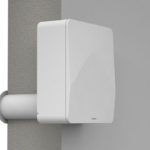
A breezer is considered an additional element of supply and exhaust ventilation, providing fresh air into a room without opening a window for ventilation. The device can be installed in apartments, private homes, and offices, but it must be properly selected based on the parameters of the room.
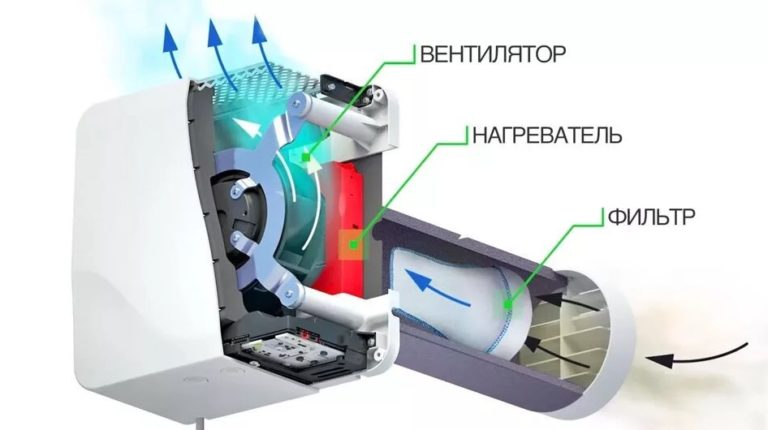
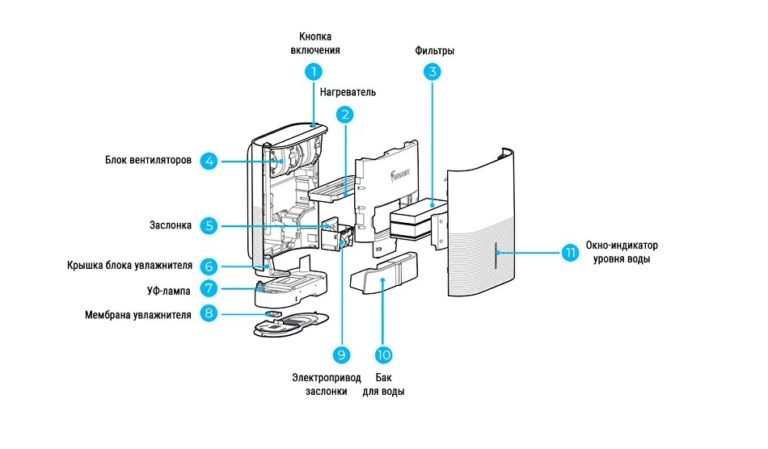
All types of breathers are characterized by the presence of the following basic components:
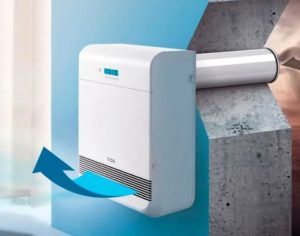
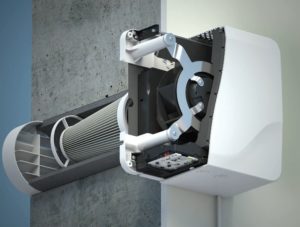
The general operating principle of a breather is – This is an element of a combination of ventilation with heating, air purification and humidification.Outdoor air flows through the intake opening and into the monoblock housing via an air duct. After processing, the air is then supplied to the room through a grille by fans.
Monoblock units equipped with a recirculation function can also operate without drawing air from outside. The breezers draw room air through a filtration system.
Performance depends on the duct diameter and fan power. This parameter ranges from 15 to 200 m.3/hour.
Energy consumption
Energy consumption depends on the temperature difference between the outside air and the air supplied to the room. The colder it is outside and the warmer the desired supply air flow, the higher the energy consumption.
Most all-in-one units are equipped with a 1.5 kW heater. This is the peak power rating. When maintaining the user-set temperature, the heater consumes 20-60% of the energy.
In summer, supply air heating is not required. Electricity consumption is limited to operating the fan. Average power consumption is 0.05 kW.
Filtration system
The ventilation unit provides a forced inflow of outdoor air that requires purification before entering the premises. A multi-stage filtration system is responsible for this operation.


Budget breezers have 3-4 stages:
- The coarse filter traps large dust, insects, and wind-borne plant and tree seeds.
- The fine filter traps medium-sized contaminant particles that have passed through the first-stage prefilter. This unit is optional in the Breezer. Medium-sized particles can be captured by the third ultra-fine filter. To reduce the cost of the monoblock, manufacturers produce models without the fine filter stage.
- HEPA is an ultra-fine air filtration unit. The filter is capable of removing pollen, other allergens, and hazardous suspended particles (PM5) from incoming air.
- The carbon filter cleans the inlet air from exhaust gases and unpleasant odors coming from the street.
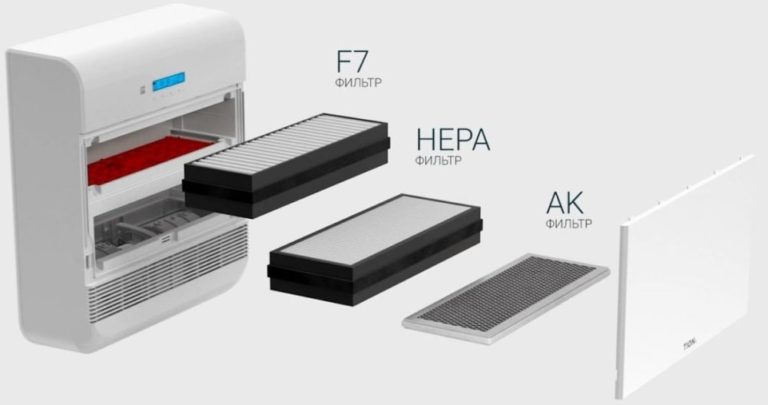
The coarse filter does not require replacement. The unit is cleaned every 1-3 months, depending on the severity of contamination. The HEPA, carbon, and fine filters are replaced after approximately one year of use.
A fifth filtration stage is included in more expensive monoblock units. This unit is installed to ionize, disinfect, and humidify the incoming air.
The advantage of using a breezer
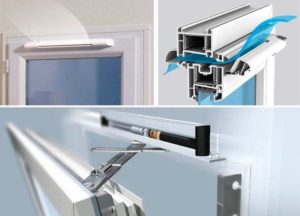
You can create an air flow into the room through an open window, a window vent, a wall valve, or another device. The downside of each method is heat loss and polluted air. Let's look at the obvious advantages of using a breezer for a house or apartment, and see why it's more effective:
- Air quality is improved in crowded rooms by reducing CO levels.2.
- The air inlet is cleared of street dust. Sounds from equipment operating outside and passing cars are blocked from entering the room.
- The air is supplied in portions and distributed evenly throughout the room through the grille's slats, eliminating drafts and reducing the risk of catching a cold.
- The airway is cleared of allergens. Allergy sufferers find refuge year-round in a room with clean air.
- The influx prevents unpleasant odors, exhaust gases, smoke, and toxic gaseous substances from entering the living space.
- The presence of advanced modes makes it possible to increase or decrease the humidity in the room.
- During the off-season, when the central heating is not working, heated air is supplied to create a comfortable atmosphere in the house.
- In summer, the inflow is protected from insects entering the room.
A breezer is more expensive than a window or wall ventilator, but it pays for itself within a year of use. Saving energy and money is a significant advantage of a single-unit unit.
Breezer modes and functions
Manufacturers strive to equip all-in-one units with features that make them easy to use, regardless of season or time of day. Standard user options are available in all air handling units, but their parameters vary.
Ventilation
The room is ventilated by fans bringing in fresh air from outside. The air exchange rate depends on the number of speeds. I consider a five-speed unit to be effective. Three speeds are operational.
First gear background for easy ventilation of a room without people. Fifth step – This is a turbo mode for rapid ventilation of the room. Night mode is a manufacturer's marketing gimmick. This function refers to the first background speed for easy ventilation. The ventilation speed modes should ensure an air exchange rate of 30 m3.3/hour per person.
Heating
The maximum supply air heating temperature varies between 25-30OYes, but this option is implemented differently across different models. It's convenient to use all-in-one PCs with a setting where the user can set the parameter increments down to 1.OWITH.
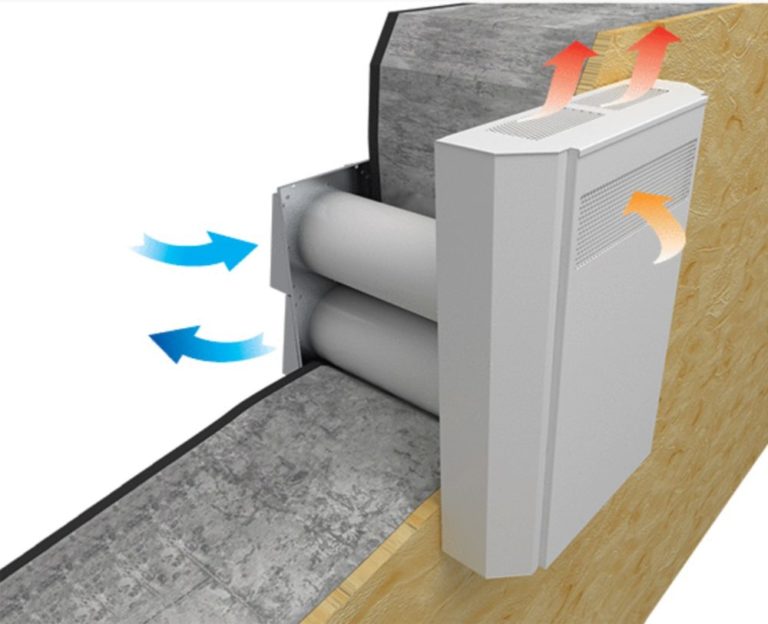
Breezers of a simplified design are equipped with a mode switch without precise adjustment. The temperature range is not specified by the manufacturer. The user is usually given the option to select one of three modes. The temperature of the air will depend on how warm it feels.
Cleansing and moisturizing
The incoming air is purified through a filter system. A distinguishing feature of various monoblock units is the option to take in air for treatment. Standard models take in outdoor air and supply it to the room after filtration.
Breezers with a recirculation option can draw air from two sources—outdoors or indoors. In the latter case, indoor air is drawn through a filter and returned to the room.
I find monoblocks with mixed filtration to be effective. The device operates in three modes:
- Outdoor air filtration.
- Filtration of room air in recirculation mode.
- Filtration of indoor and outdoor air.
In mixed mode, the airflow purified by recirculation is enriched with fresh outdoor air. Filtered room air retains heat. In winter, less energy is consumed to heat the incoming airflow.
Ionization makes the air vibrant and healing, with the delicious scent of natural freshness. A healthy atmosphere is felt in the mountains and ecologically clean areas. Natural ionization is truly healing. The usefulness of this artificial feature in air conditioning systems is debatable. In most models, this mode is simply a marketing gimmick.
Air humidification is available on Breezers with a built-in humidifier. Sensors monitor humidity levels in the room and in the air intake. The AIRNANNY A7 monoblock is an example. After filtration and heating, the ultrasonic humidifier brings the air humidity to the desired level.
Automation of modes
The ventilation system is easy to use because it operates automatically. The user only needs to configure the settings once and specify the desired parameters.
An electronic unit receives signals from external sensors. The automation system maintains a comfortable temperature and humidity 24/7, controls carbon dioxide levels, and monitors the air flow rate and volume.
The more sensors the unit has, the more comfortable the microclimate will be. However, as the number of electronic components increases, the price of the all-in-one unit increases. The risk of failure in the event of a power surge increases.
A timer helps automate the breezer's operation. The user sets the device's on and off times based on the hour and day. If the all-in-one unit is equipped with Wi-Fi, you can control and change modes from your smartphone while away from home.
Comparison of a breezer with climate control equipment
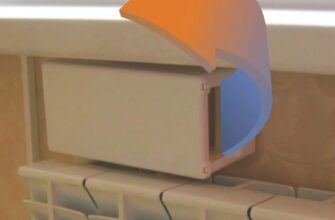
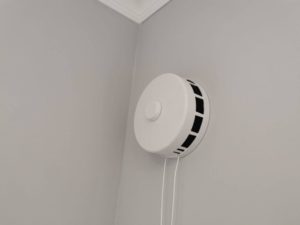
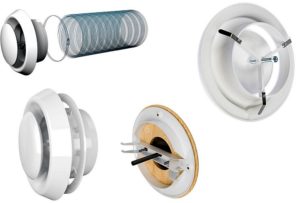
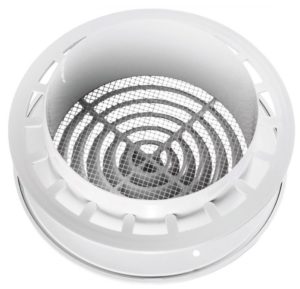
To organize air flow in ventilation systems, devices operating on a different principle than a breezer have been developed. The simplest devices include window vents, wall valves, diffusers, and anemostats.
These units are not particularly difficult to install and are inferior in efficiency and performance. Air handling units do not improve air quality and lack heating and humidification.
A wall-mounted recuperator can compete with a breezer, but it also lacks efficiency. Budget models with an indoor unit do not provide the required air volume required by sanitary standards.
Heat recovery units with an external unit are highly efficient, but installation in an apartment building requires permission from the management company. Air ducts must be installed in each room.
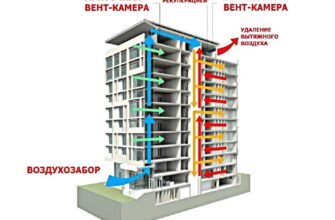
The recuperator provides both supply and exhaust ventilation. It is not compatible with the general building ventilation system. The Breezer operates only as an intake system. Integration with the general building ventilation system is essential, as without an exhaust system, fresh air will not be supplied.
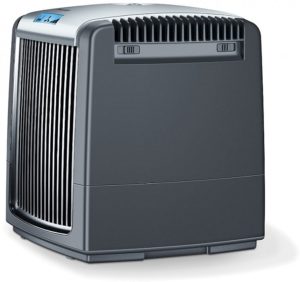
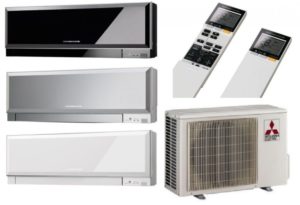
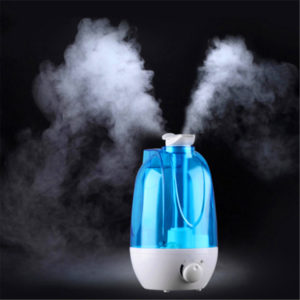
Air conditioners, ionizers, humidifiers, and air purifiers all perform a single, specific function. For example, a humidifier only maintains humidity levels. Modern split-system air conditioners can operate in cooling, heating, and air supply modes, but their options are still limited compared to a more advanced breezer model.
Recommendations for choosing a breather
To get the most out of your air conditioning installation, you need to choose the right model based on its technical specifications. Size and design are equally important, as the wall-mounted unit will become an integral part of your living room's interior. If you've firmly decided to install a Breezer, follow these helpful tips:
- SizeA compact unit looks more attractive on the wall, but with a smaller size, the performance of the unit decreases. It's important to know that the power of the appliance is selected not only based on the room's area. The calculations also take into account the number of people permanently and temporarily present in the room. According to sanitary standards, each person is allocated 30 m3 air per hour. If the room area is 20-25 m2 If 3-5 people are constantly present, a compact breezer should be set to high power. Fans operating at high speeds are noisy. It makes sense to install a large, full-size monoblock unit with ample power. Fans that provide adequate airflow at low speeds are quiet. For example, let's compare two models with roughly the same specifications. A compact unit with a capacity of 100 m3 has a noise level of 48 dB. A full-size breezer designed for 140 m3, has a noise level of 47 dB.
- Air heating rangeThe heater function is useful when it matches the climate conditions of the region where the breezer is installed. Models with an operating temperature range of -20 to +40OThese are relevant for southern regions. In temperate climates, I recommend installing devices with an operating temperature range of -25 to +40°C.OC. In the conditions of the North and Siberia, use monoblocks with an operating temperature range from -40 to +40OWITH.
- Direction of supply flowBreathers that blow air upward are comfortable to use. The air flow is not felt by anyone near the unit. If you install units with air flow to the left or right, consider the location of your rest or work area. Air flowing toward you can cause discomfort.
- Noise levelDuring the day, the noise level in a living space should be 40 dB, and at night, 30 dB. As people age, they become more sensitive to outside noise. In an adult's bedroom, install a unit with a noise level of 17-19 dB. In a child's room, living room, or kitchen, you can install an air conditioning unit with a minimum noise level of 32 dB.
- Filtration qualityMost models come standard with three filters: coarse, fine, and ultra-fine. This set is sufficient for use in a private home built in an environmentally friendly area. For owners of apartments in polluted cities, a Breezer with a full set of four filters, including a carbon element for odor removal, would be a better choice.
- Method of connection to the electrical networkDuring renovations, it's a good idea to install appliances with concealed wiring so that wires aren't hanging on the wall. If renovations aren't planned, install a unit with a standard power cord connection.
- Wi-Fi managementYou'll have to pay extra for the remote control feature. Smartphone control is useful for those who aren't constantly at home. Before returning from work, you can turn on the breezer to breathe fresh air into the room.
Choose additional features such as recirculation, ionization, and other features at your own discretion. Each feature comes at an additional cost. If you don't need a feature, there's no point in overpaying.
Top 5 best breathers
Once you've decided on the parameters and features, you can look at a Breezer at the store. A new challenge will arise when choosing from a wide variety of options. User ratings of the best models will help ease the tension.
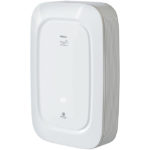
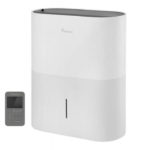
Royal Clima Brezza 150 Lux
The unit is equipped with a complete set of 4 filtersThe performance at maximum mode is 150 m3The fan rotates at 6 speedsThe automatic mode controls the degree of pollution and air temperature.
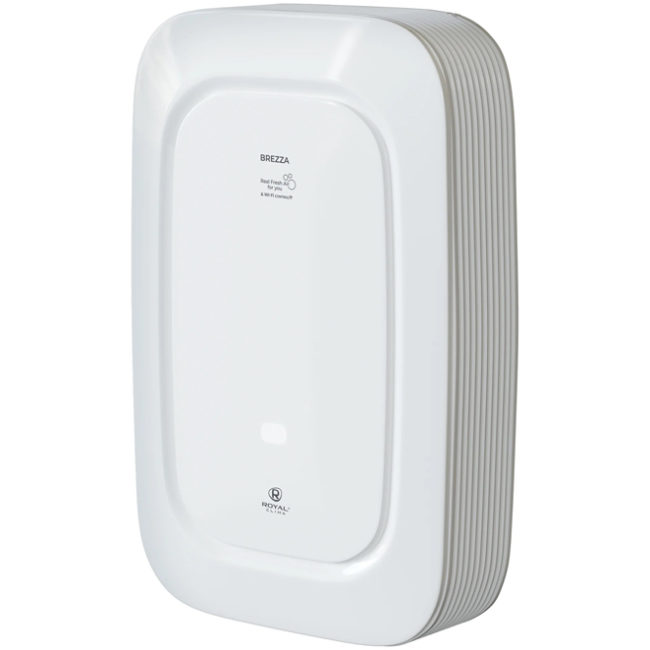
Pros:
- Compact body with a thickness of 13.5 cm.
- Possibility of control from a smartphone.
- Availability of remote control.
The downsides include the high price. On Yandex Market, the block is sold for 38,900 rubles.
Royal Clima Brezza 75 XS
Low-performance budget model 75 m3/hour Suitable for a bedroom where 2 people can relax. Included 3 filters – carbon, pre- and fine cleaning. Three general operating modes, an automatic mode, and adjustable air heating are available.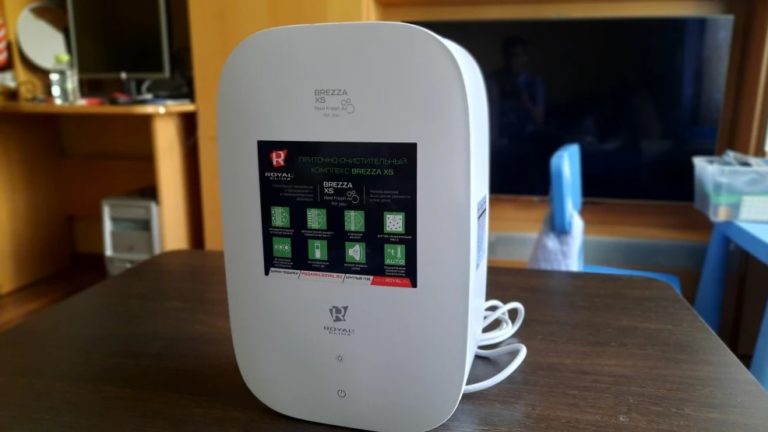
Pros:
- Slim body 11.4 cm.
- Controlled by touch buttons on the body.
- Availability of remote control.
The disadvantages include increased noise levels when operating at maximum mode – more than 24 dB.
The cost of a block on Yandex Market 20,290 rubles.
AirNanny A7
The device is equipped with a humidifier. One water fill is enough for 16 hours work. Liquid disinfection is performed using an ultraviolet lamp. A seven-speed fan ensures maximum performance. 149 m3/hour.
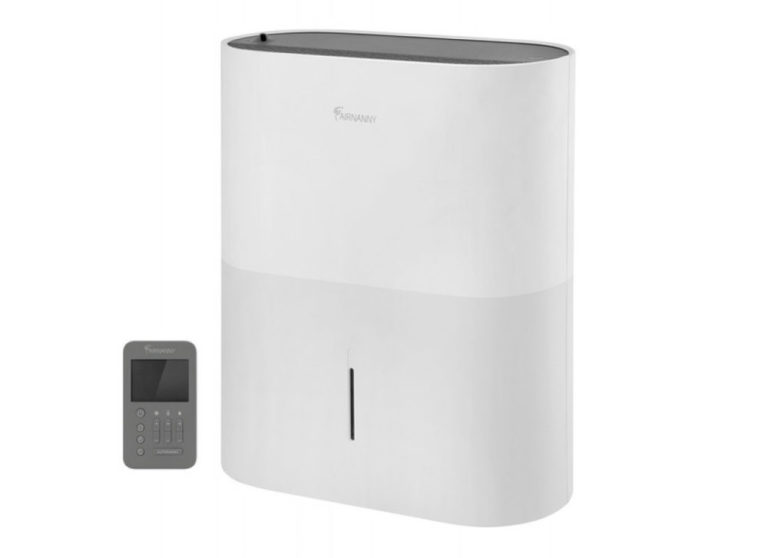
Pros:
- Low noise level of 17.6 dB at the first fan speed.
- Stylish case design.
- It is available in three types (Start, Babycare, Forever), which allows the user to select a model with the optimal configuration.
Users cited the high price as a drawback. On Yandex Market, the block costs 81,400 rubles.
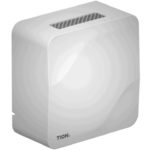
Tion Lite
The compact size of the body gives the device its originality. 26 x 26 x 13 cm. The manufacturer has provided a six-speed fan, air heating regulator, and smartphone control. The all-in-one unit's performance is 100 m3/hour.
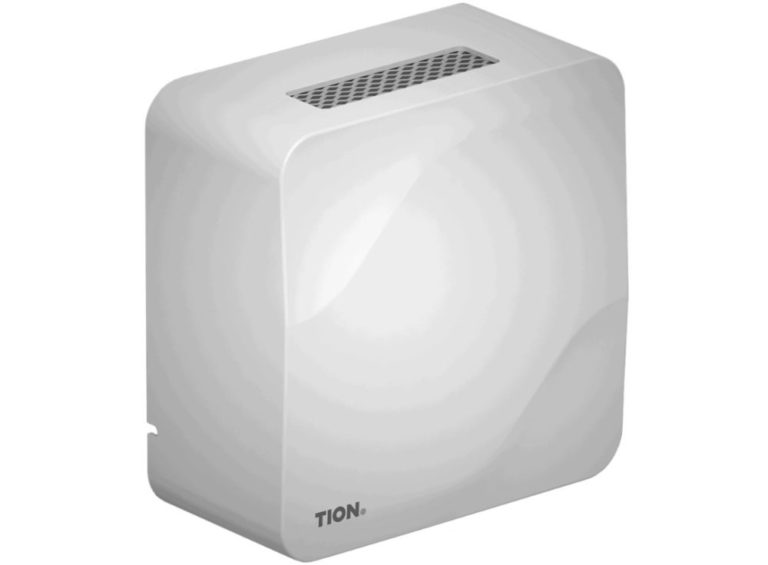
Pros:
- The presence of additional control buttons on the body.
- High performance in a compact size.
- Affordable price.
Disadvantages include poor filtration. The housing only accepts one filter, which must be purchased separately. The air conditioning unit is not suitable for allergy sufferers.
The price of the model on Yandex Market 26,990 rubles.
TION 3S Standard
The manufacturer produces the unit in two versions: Plus and Smart. These models differ in the presence of additional air analysis sensors. The price difference is up to 15,000 rubles. A heater with a power of 1.15 kW and 4 filtersControl via remote control or smartphone.
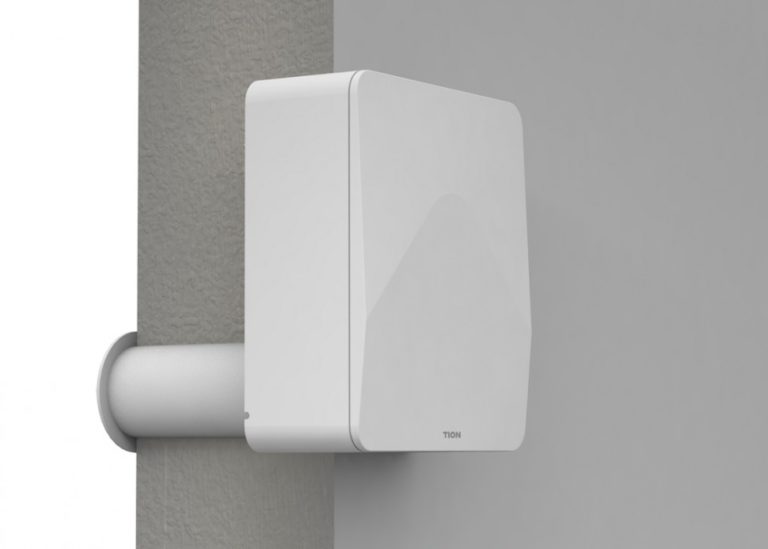
Pros:
- Six-speed fan.
- Compact dimensions 453x528x203 mm.
- Recirculation mode.
Users consider the high noise level starting from the second fan speed to be a disadvantage.
On Yandex Market, the Breezer is sold for 50,290 rubles.
Breather installation instructions
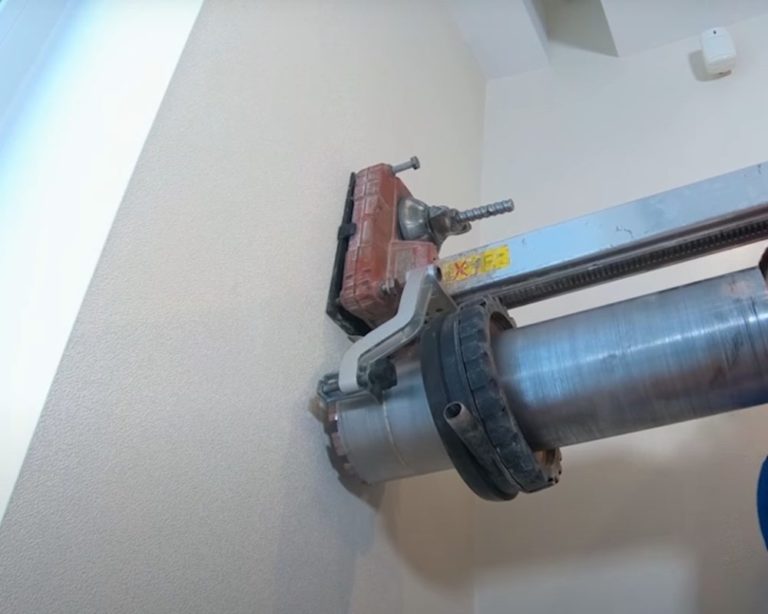
The most difficult part of installing a monoblock is drilling a hole through the wall. You'll need a drill with a hole saw and a set of drill bits, or a diamond core drilling rig. The unit comes with instructions detailing the installation process. Follow the manufacturer's recommendations and follow these steps:
- Mark the location on the wall for the through-hole for the air duct. Use a drill with a hole saw to drill into foam blocks and other soft materials. If the wall is made of reinforced concrete, hire a professional with a diamond core drill.
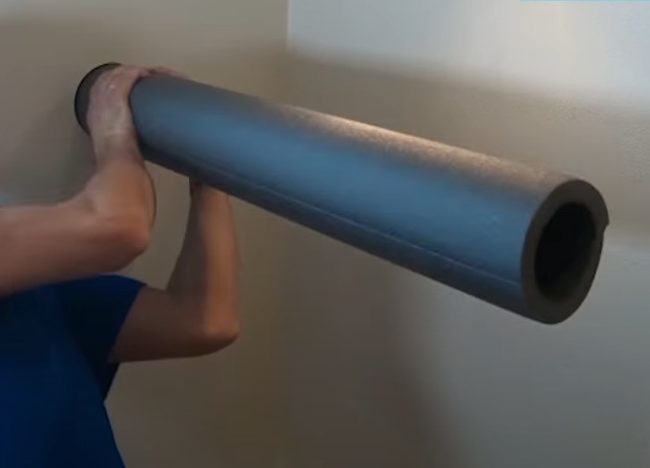
- Insert the insulating duct casing into the drilled hole. Cut off the piece of pipe protruding beyond the wall plane.
- The Breezer comes with a mounting template. Place the template against the wall and mark the mounting locations. Drill the holes and insert the plastic anchors.
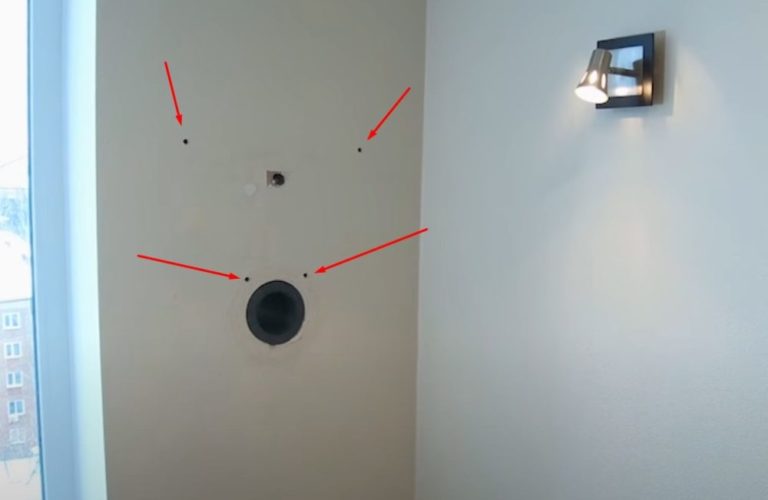
- Seal the joint between the insulation pipe and the wall. Install the unit so that the air duct enters the prepared opening. Secure the housing with screws, screwing it into plastic anchors.
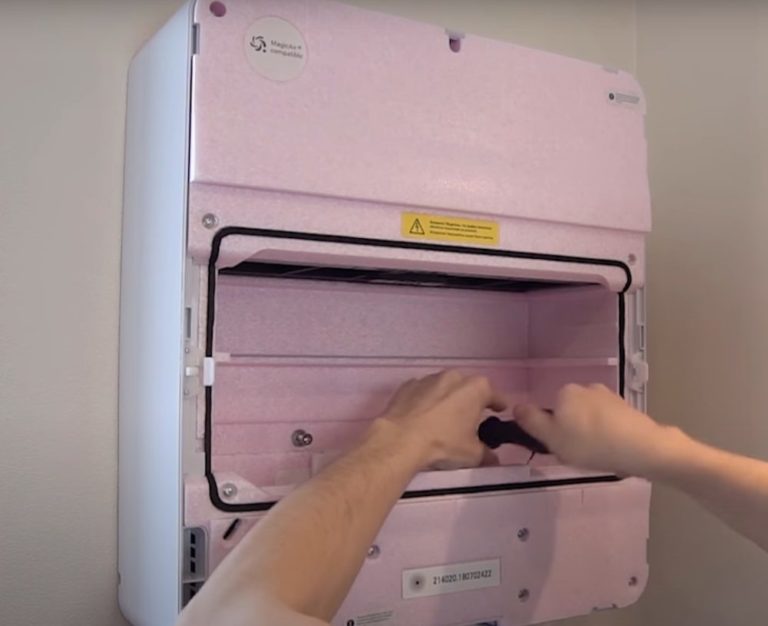
- Install the filters in the compartment. Follow the manufacturer's instructions for order. Close the filter compartment lid.
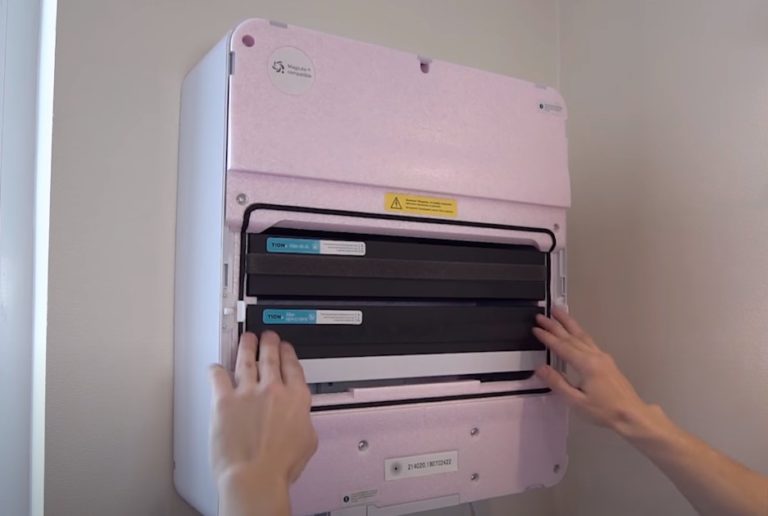
Cover the outdoor air duct opening with a protective cap. Connect the Breezer to the power outlet. Adjust the operating modes to achieve a comfortable level. Ensure the air is flowing at the desired temperature.
Answers to frequently asked questions
A breezer is a mechanical supply ventilation device that pumps fresh air from the street into a room.
An air conditioner cools or heats a room by circulating air. A breezer draws fresh air from outside. In winter, it can warm the air, but it cannot cool it in hot weather.
The device provides an influx of fresh air with heating and filtration for the normal operation of supply and exhaust ventilation.
The supply unit should be positioned as far away from the door and hood as possible so that fresh air can pass through the entire room.
A split system is better for cooling in hot weather and heating in the off-season. A breezer is better for fresh air intake, and a filter system can fully replace a purifier.
A recuperator allows for ventilation in a closed space, but is useless as a supplement to a supply and exhaust system. A breezer is effective in a home with existing exhaust ventilation and a need for supply and exhaust ventilation.