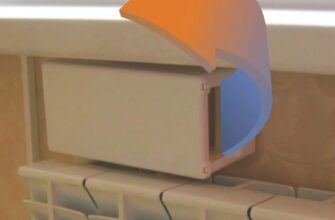
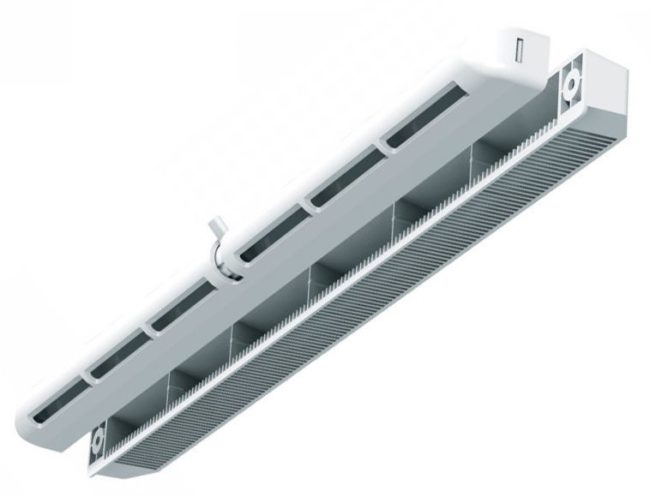
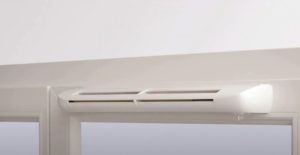
The window supply valve is intended to be a technical ventilation element used to supply fresh air from the street into the room.
To install a flush-mounted device on a fixed window, drill through holes in the frame profile and secure the housing with screws. On an opening window, install the device without milling by securing the valve to the top of the sash.
- Why install a supply ventilator on a window?
- The design, types, and operating principle of a ventilator
- Recommendations for valve selection, comparison with other types of supply devices
- Rating of the best window valves
- Ventec VT 101
- Brookvent AQUVENT HY
- AerEco EMM
- Vents PO 400
- Ventec VT 501
- Air-Box Comfort
- ERA WV350 White
- Step-by-step instructions for installing a supply valve on a PVC window
- Installing a window valve on a transom window
- Installing a window valve on a fixed wooden window
- Window valve installation video
- Answers to current questions
Why install a supply ventilator on a window?
Ventilation works when there is an inflow of fresh air and the exhaust of stale air. A ventilator is installed on windows with sealed glass units to create normal conditions for air exchange in the room.
The main purpose of the valve is to supply air from the street to the room.
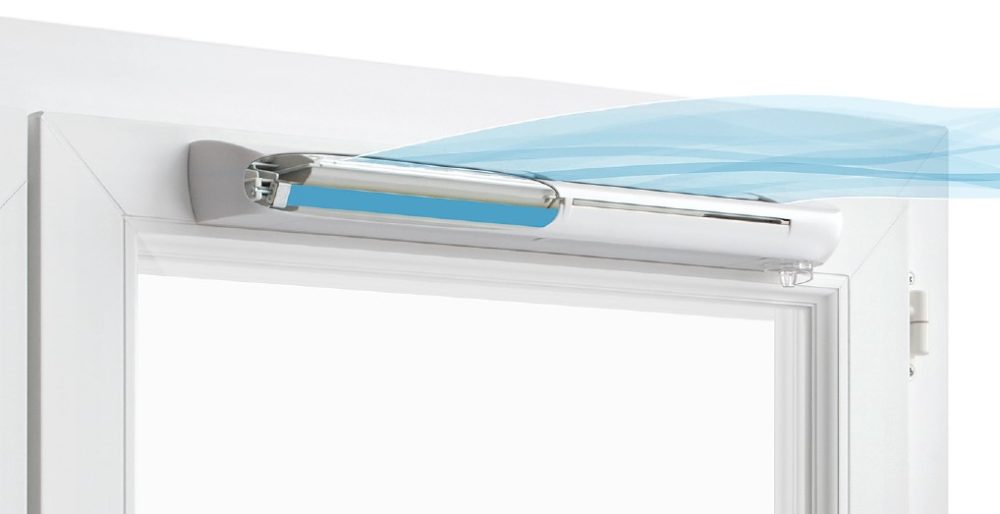
There are several ways to provide ventilation. Why property owners prefer window ventilators is explained by the device's advantages:
- the inexpensive device is easy to operate and install;
- the presence of a ventilator on the window reduces the likelihood of condensation forming on the glass unit and window frame;
- the compact air supply device does not reduce the window light opening;
- the air flow occurs without creating a draft, which reduces the risk of children playing on the floor of the room catching a cold;
- The installation of a ventilator does not increase heat loss or reduce the sound insulation of the room.
The disadvantages include the dependence of the intensity of natural air flow through the ventilator on weather conditions.
In winter, due to the temperature difference on the window frame, ice will formCheap models without a filter let air through. dust, bacteria and allergens.
We invite you to familiarize yourself with an alternative to the inlet valve - ducted air conditioner with supply ventilation.
The design, types, and operating principle of a ventilator
The installed supply valve on the window operates in the natural ventilation system when the outdoor temperature is at least 5 degrees lower than the room temperature.OC. A pressure difference is created, which leads to cool air currents being drawn into the room.
At the same time, the exhaust hood removes stale air from the room. Air passing through the supply valve housing is heated and cleaned of dust through a filter.
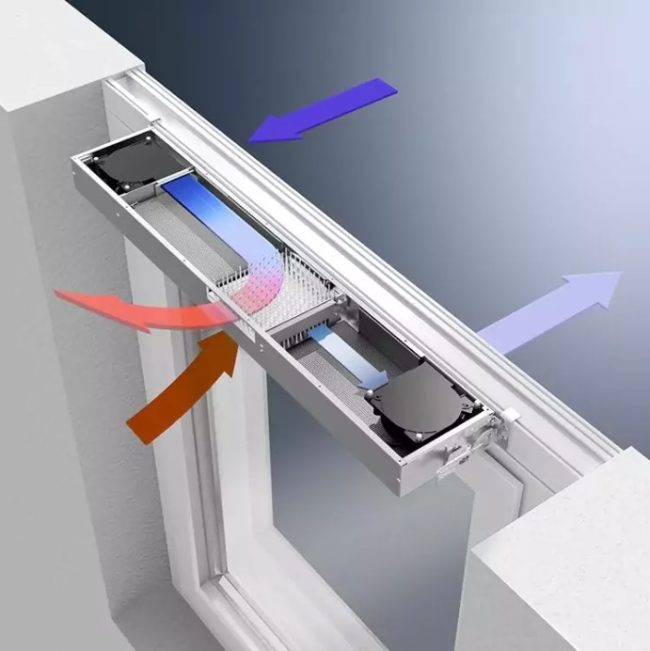
Three conditions are necessary for the stable operation of the ventilation device:
- stable functioning of exhaust ventilation;
- creating air circulation between rooms through open interior doorways or gaps in the lower part of the doors;
- hermetically sealed entrance door.
In summer, it's warmer outside than in a room with an air conditioner. To ensure natural airflow through a window vent, you'll need a cooler room inside. forced ventilation with a fan.
Classification of window ventilators by design:
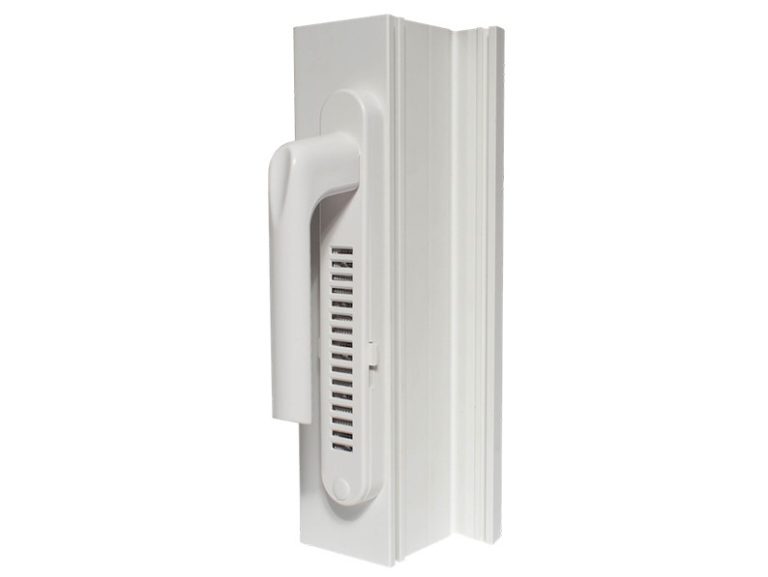
PVC windows can be equipped with a handle with a built-in vent. This unit is usually installed at the factory during frame manufacturing.
The supply ventilation valve consists of two main blocks:
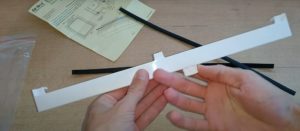
The kit includes sealing rubber bands, hardware for fastening the housing, and manufacturer's instructions.
Classification of models by control principle:
- Cheap models without airflow adjustment are rare due to lack of demand.
- Models with manual adjustment by moving the damper.
- Models with automatic control. The humidity-controlled system monitors air volume and flow, controlling humidity. The device is equipped with a mechanical sensor that can operate without electricity.
According to the material they are made of, ventilators are classified as metal, plastic and woodIn terms of price/quality ratio, plastic models win.
Recommendations for valve selection, comparison with other types of supply devices
When the room is equipped supply and exhaust ventilationA window ventilator is not required. It is necessary to create an air supply if a building with sealed windows only has an exhaust fan.
How many valves should be installed, with what parameters – calculate based on the volume of the room and the number of people staying at the same time. Use publicly available table values.
Select the device model based on technical characteristics, taking into account the calculations performed.
- Throughput is the volume of air passing through in 1 hour with the damper fully open.
For manual models, the range is 5-42 m3/hour.
- Performance is the ratio of the air flow rate to the pressure difference between the outside and the room. A typical performance for private homes and apartments is 25-35 m3.3/hour, pressure difference – 10 Pa.
- Sound insulation should not be significantly reduced after valve installation. The standard reading for a PVC window is 30-40 dB. Installing the device with acoustic spacers and a canopy reduces sound insulation by only 1-1.5 dB.
- The operating temperature range is determined by the manufacturer for each model.
Incorrect selection of the parameter will lead to icing of the housing in winter and breakdown of the mechanism.
In residential spaces, models with automatic adjustment and self-monitoring are more convenient. Ventilators with manual damper operation are more suitable for public buildings.
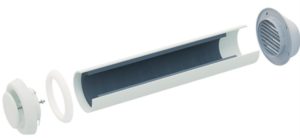
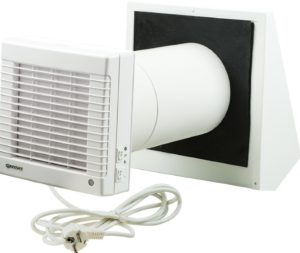
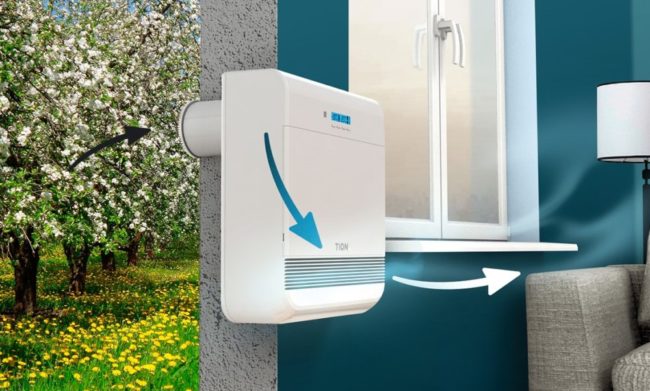
To make the right choice, let's compare the window valve with other supply ventilators installed in a through-wall opening:
A window ventilator is preferable for a small apartment or a private home with a small number of residents. A prime example would be a one-room apartment and a family of two.
In cottages, apartments, or houses with more than 3-4 rooms and 5 residents, it's best to install a wall-mounted ventilation unit. Window vents, due to their low efficiency, will not provide the air flow recommended by health regulations.
Rating of the best window valves
The simple design of window ventilators ensures flawless operation of any model. However, units made from high-quality materials are more attractive and last longer.

Design nuances in models from different manufacturers affect the quality of air flow and ease of operation. User ratings will help you choose the best air supply unit from the selection available at retailers.
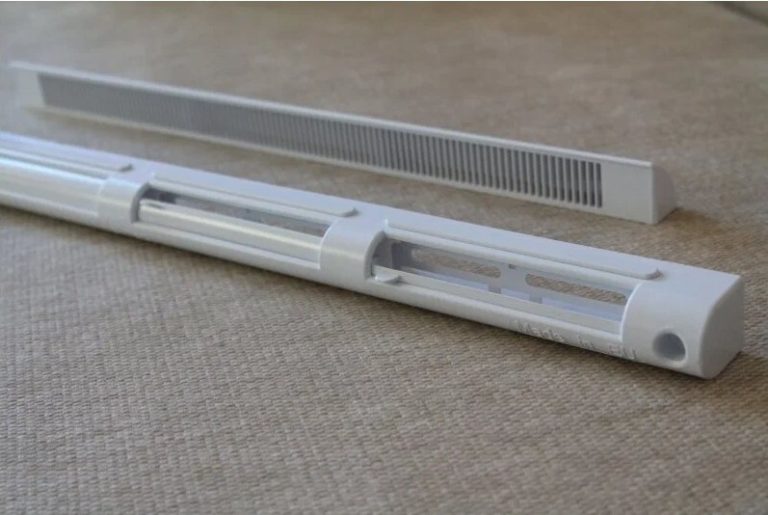
Ventec VT 101
The ventilation valve is easy to use thanks to its automatic air flow control. The manufacturer has designed it for easy installation on the window profile. Ventilation is provided without compromising sound insulation.
The supply device is characterized by high performance - 32 m3/hour. To clean the incoming air of dust and insects, a filter is installed under the visor. A model with automatic control is sold on Yandex Market for 1800-1900 rubles.
Pros and cons:
- high noise insulation level – 32 dB;
- automatic flow control;
- high performance;
- variety of models in terms of color.
- Disadvantages users in work not identifiedEven the price of the device with automatic control is satisfactory.
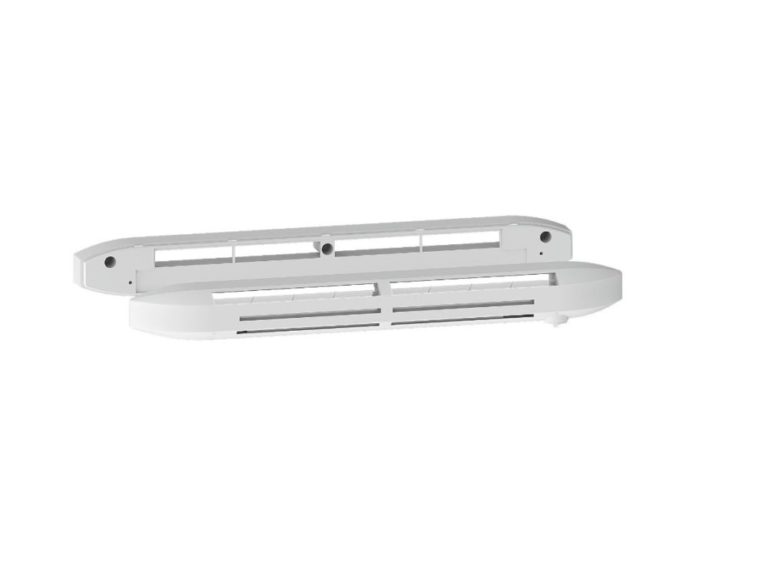
Brookvent AQUVENT HY
The smart ventilation valve features a humidity-controlled system. The automatic control function regulates the air flow without user intervention. An additional sensor allows for monitoring humidity levels.
The manufacturer has designed a convenient, compact housing to simplify DIY installation. The device requires little maintenance. Only the filter assembly needs to be cleaned of dust once a year.
Demand for this model is due to its versatility. The valve has a capacity of 30 m3/hour is designed for installation on PVC, wooden and aluminum window frames.
Advantages and disadvantages.
- thin, neat body;
- air supply and humidity control system;
- availability of three operating modes;
- air flow entering the room at an angle;
- easy installation and maintenance.
- The high cost can be attributed to this.
Average price of a window valve on Yandex Market 4074 rubles, but users don't consider the cost a drawback given the high quality of ventilation. No other drawbacks were found.
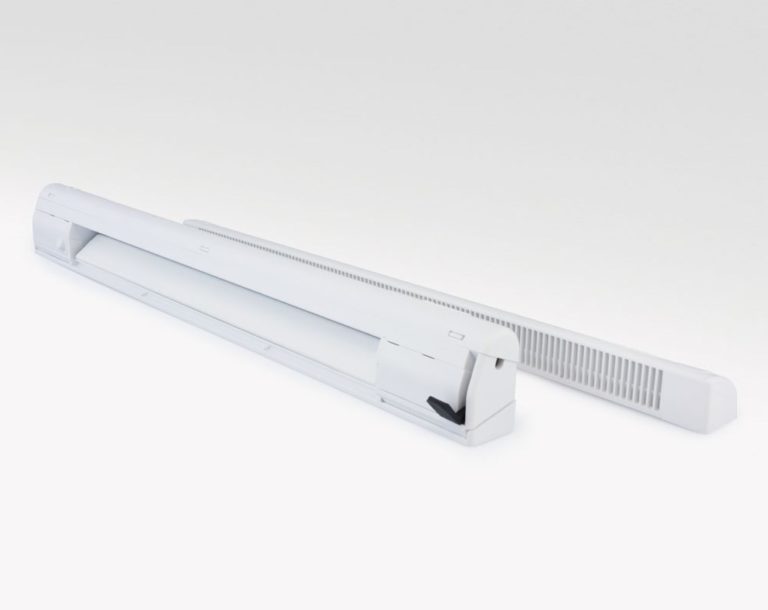
AerEco EMM
The device, which automatically controls air flow and humidity, is equipped with a sensor that operates without power. The window valve operates completely customized to the user's needs.
The air flow is increased by opening the curtain when the room is occupied. When the room is empty, the unit switches to economy mode, reducing air flow. Maximum capacity is 35 m3.3/hour. Price on Yandex Market – 3890 rubles.
Pros and cons:
- the presence of an automatic control system with a sensor that operates without electricity;
- ease of care, installation and maintenance;
- high noise insulation level – 37 dB.
- High cost
Users have reported no downsides to the service. Complaints about the price being too high are rare.
Vents PO 400
This simple, inexpensive, manual-operated mechanical model is ideal for apartments and homes. The manufacturer guarantees trouble-free operation for 5 years.
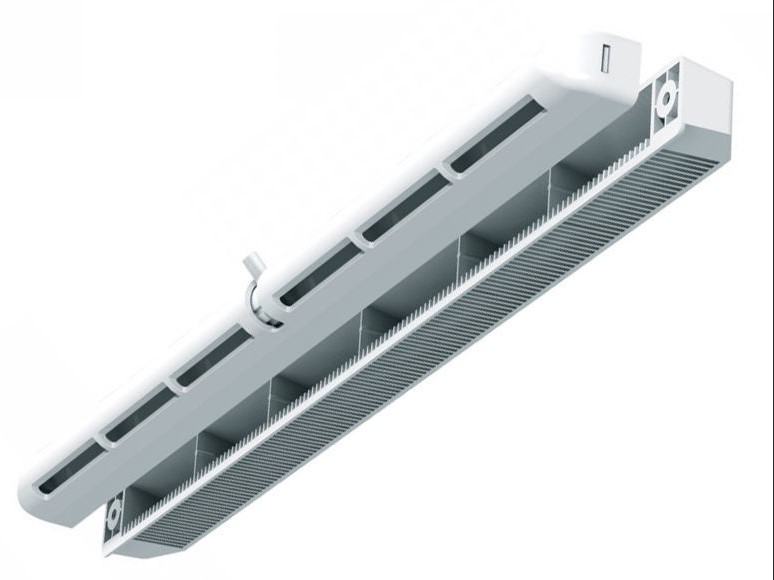
The inlet valve consists of a filter, an internal grille, and an external canopy. The user manually adjusts the inlet air flow. The manufacturer claims a maximum capacity of 40 m3.3/hour. Price on Yandex Market – 900 rubles.
Advantages and disadvantages:
- high-quality assembly, good plastic casting;
- convenient manual control;
- high inflow capacity.
- Users reported no shortcomings in operation, maintenance, or price. Compared to models equipped with automatic control, manual control is a drawback.
Ventec VT 501
Users consider this supply air ventilator the best among budget-friendly mechanical models for apartment installation. Its design prevents drafts. Children can play on the floor under the window with the supply air vent without fear of catching a cold.
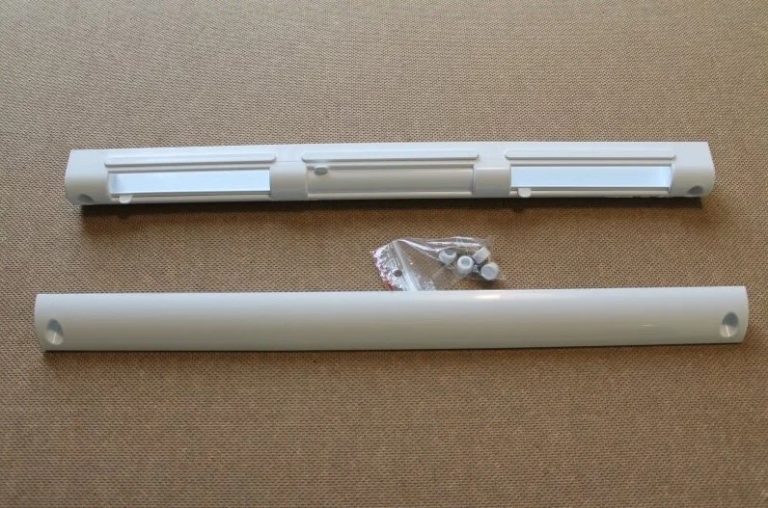
The VT 501 model is available in two standard sizes, which determines the performance: 40 cm – 35 m3/hour, 27 cm – 25 m3/hour. The manufacturer has included a water visor and plugs.
The direction and volume of air flow are adjusted manually by moving the device's flaps. Price on Yandex Market – 1223 rubles.
Pros and cons:
- Possibility to choose from 5 body colors;
- noise insulation index – 32 dB;
- the presence of a mosquito net;
- easy to install and maintain model.
- There are no disadvantages
Since the supply ventilator appeared on the domestic market, there have been no particular complaints about its operation.
Air-Box Comfort
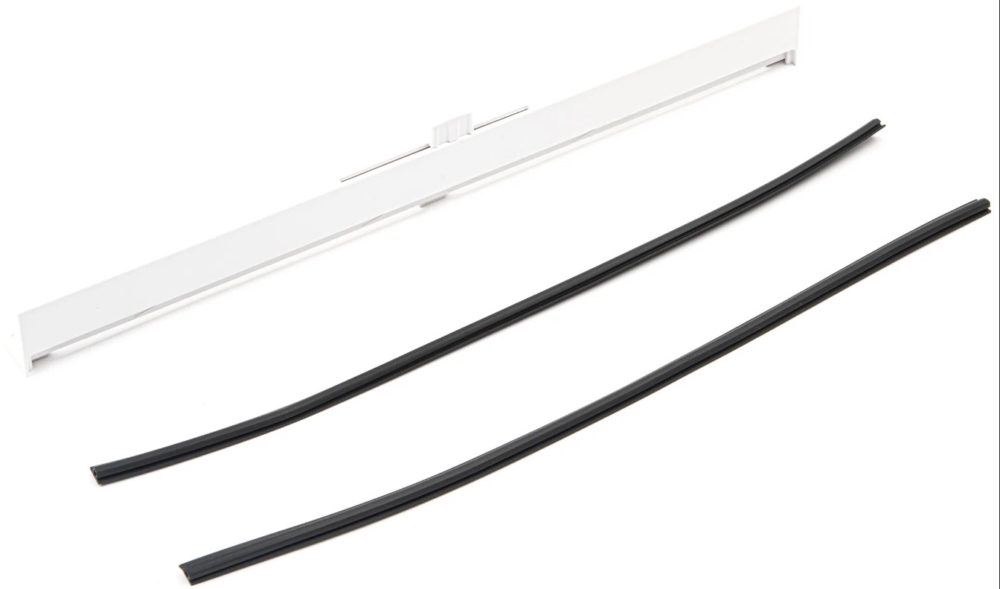
According to the manufacturer, the window valve should be installed on the opening sash. No milling of the frame is required. By using two types of filter seals, the user can increase noise insulation or air flow.
The housing features a modern design and looks beautiful on residential and office windows. The window ventilator's airflow capacity is 31 m.3/hour. The price on Yandex Market varies in the range 430-470 rubles.
Advantages and disadvantages:
- durable case made of high-quality plastic;
- easy installation without milling the frame;
- durable ventilator at a low cost.
- There are no complaints about the quality of the case, the operation of the mechanism, or the controls.
ERA WV350 White
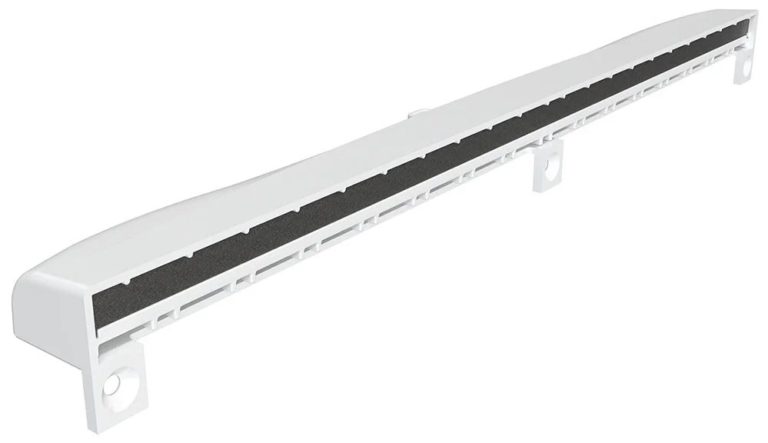
Rounding out the rating is a supply ventilator with a slider airflow regulator. The user adjusts the desired setting by moving the slider. When closed, the airflow is stopped.
This model is designed for mounting on plastic windows in residential and public spaces equipped with natural or forced ventilation. The device is compatible with both tilt-and-turn PVC windows.
The installation location is the top of the sash, without drilling the profile. It comes complete with a filter and fasteners. The window ventilator is sold on Yandex Market for 815 rubles.
Pros and cons:
- productivity – up to 35 m3/hour;
- presence of noise protection;
- convenient slider adjustment.
- In reviews, users do not point out the model's disadvantages.
Step-by-step instructions for installing a supply valve on a PVC window
The installation process for a ventilator differs for fixed and opening windows. In the former case, the frame must be milled to create through-holes. In the latter case, the device is hung on the top of the window.
Let's take a closer look at how to install a supply valve on a plastic window with a transom and a wooden frame without an opening sash.
Installing a window valve on a transom window
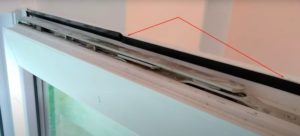
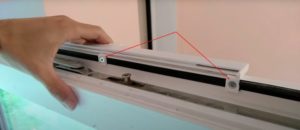
If the room has an opening PVC window, it's cheaper and easier to install a valve on the top of the vent. This eliminates the need for milling or drilling the frame. Tools needed include a screwdriver, a pencil, a tape measure, and a utility knife.
Step-by-step installation instructions for the Air-Box Comfort model:
Close the window and check that the sash moves normally, without catching the air intake device fasteners on the window frame. Ensure proper air flow through the valve. Replace any previously removed blinds or curtains.
Installing a window valve on a fixed wooden window
Installing a supply air device is more complicated when the window doesn't have a transom. To create a gap for the supply air, a hole must be made in the frame.
A PVC profile can be drilled with an electric drill. When working with a wooden frame, a hand-held power router is more convenient.
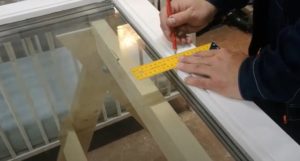
Step-by-step instructions for installing a valve on a new fixed window before installing the frame:
A recessed supply ventilator can be installed using a similar technology on an opening sash. This option is convenient when the window is already secured in the opening. The sash can be easily removed for milling and then returned to its original position.
Once the window is installed but the sash is missing, the frame will need to be drilled on site. If a router is not possible due to obstructing window slopes, use a power drill.
Using the template, drill holes as close together as possible. Remove any remaining bridges with a chisel.
Window valve installation video
Answers to current questions
There are valves for installation on the window frame or through the wall.
A supply valve refers to a ventilation unit that provides the flow of fresh air from the street into the room.
Supply ventilation can be natural or forced.
A supply ventilation unit draws air from outside into the room. The airflow is either naturally driven by temperature and pressure differences or forced by a fan. The airflow is regulated manually by a damper or controlled automatically by an automatic system.