The Bastu ventilation system is suitable for saunas with a separate steam room and a combined washroom. The ventilation system is based on top-down air movement. Incoming fresh air reaches the user, while exhaust air descends under the bench and is then exhausted outside.
Bastu ventilation for a sauna can be installed independently by installing vents and ductwork. This article will detail the utility system layout and implementation methods.
- How does Bastu ventilation work?
- Main types and characteristics of Bastu
- Natural ventilation
- Forced ventilation
- Pros and cons of Bastu ventilation
- Ventilation of structural elements of a bathhouse and rooms with different intended purposes
- Floor ventilation
- Foundation ventilation
- Ventilation of individual rooms
- Options for Bastu schemes
- Step-by-step installation instructions for Bastu
- Answers to frequently asked questions
- Video instructions
How does Bastu ventilation work?
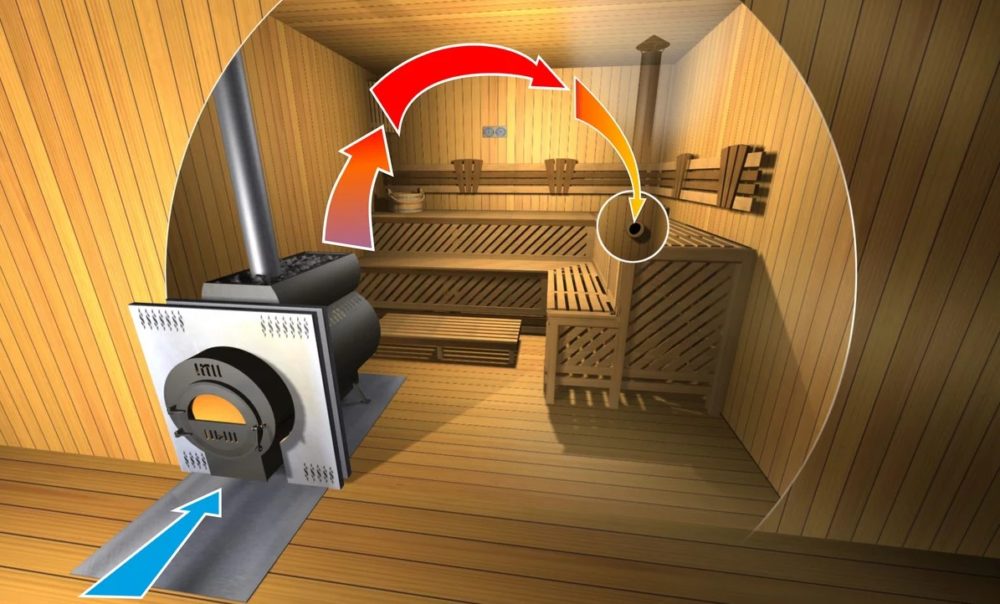
Translated from Swedish, "bastu" means sauna. The ventilation system operates on two circuits: an upper closed circuit and a lower supply and exhaust circuit. In a classic system, which deserves a closer look, air exchange occurs according to the following scheme:
- Fresh air from the street enters the steam room through the inlet.
- The supply duct is located under the stove. The air duct is routed along the bottom of the wall or the floor. Air passing through the supply duct is heated by the burning stove.
- Rising, warm, fresh air first hits the person in the steam room, then mixes with the steam near the ceiling. The heavy, moisture-laden air descends toward the floor.
- In addition to moisture vapor, the exhaust air is saturated with carbon dioxide. To prevent this polluted air from circulating within the steam room, exhaust to the outside is organized using a supply and exhaust ventilation system.
- The heavy, dirty air flows through the vents under the floor, where it enters the lower opening of the exhaust pipe, which runs vertically through the steam room. Air is naturally drawn in due to the pressure difference. The pipe in the steam room heats up, which increases the airflow's expulsion to the outside.
Classic Bastu ventilation in a sauna operates on the principle of natural air exchange. Modern ventilation systems are forced, equipped with fans.
Main types and characteristics of Bastu
Initially, the classic Bastu was based on natural ventilation of the sauna. Over time, ventilation was improved, and modified designs emerged. Modern Bastu is classified according to three parameters:
- The method of movement of air currents is natural or forced.
- The method of mechanically driving air flows in a forced air system is supply, exhaust or combined.
- The method of organizing the channels is local through a chimney or general using vents.

The chimney and vent design is developed based on the sauna's layout. A fan is installed to provide mechanical exhaust or air intake.
The combined forced circuit has mechanical components installed on the exhaust and supply ductsLet's take a closer look at the characteristics of natural and forced air movement.
Natural ventilation
Circulation occurs according to the laws of physics. Light, warm air rises, while heavier, moist air settles. A damper is installed on the air duct to regulate the ventilation speed.
Guided by the laws of physics, you can create an inexpensive ventilation system yourself without electrical equipment. Just be sure to position the exhaust and intake vents correctly.
In natural circulation, the stove plays a leading role, replacing the supply fan. Air is drawn in through a vent in the foundation and the ash pit. Draft is improved when the finished floor inside the steam room is raised to the level of the firebox.
The location of the hood depends on the layout of the room, but usually the pipe is located on the wall opposite the stove.
Forced ventilation
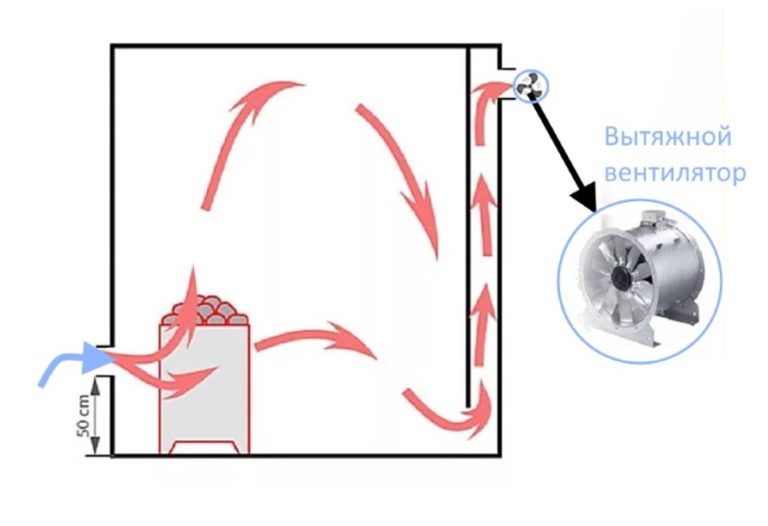
Inexpensive natural ventilation has the disadvantage of being dependent on weather conditions (atmospheric pressure, wind speed and direction). The presence of fans in a forced-air system makes ventilation independent of the weather.
However, the engineering network works with correct calculations of the equipment capacity and installation locations.
Pros and cons of Bastu ventilation
Bastu's main advantage is the uniform heating of the air circulating in the sauna. Visitors to the wellness center experience comfort. Items inside the steam room heat up better. Among other advantages of Bastu, the following are worth highlighting:
- inside the steam room it is comfortable to breathe warm, fresh, light air;
- wood trim is always dry;
- minimal risk of mold formation with the release of a musty odor;
- High-quality ventilation increases the longevity of the steam room and washroom without repairs.
- The disadvantages include insufficient capacity of natural ventilation.
On a windless day, the draft decreases, and gusts of wind create a draft that cools the floor. The stove's intake vent cannot be equipped with a filter to clean the incoming air. The filter element will melt from the heat.
Ventilation of structural elements of a bathhouse and rooms with different intended purposes
Bastu is designed for Swedish saunas with high temperatures and dry steam in the steam room. In a Russian banya, people use birch whisks in a humid microclimate. The temperature is kept lower, and the volume of steam and water is increased. Ventilation of Bastu is pointless for a Russian banya, as it would worsen the microclimate during peak periods.
As an auxiliary system, it is convenient for preheating the room and for ventilation at the end of wellness procedures.
Floor ventilation
To ensure the floor dries quickly after wellness treatments, in addition to ventilation, proper drainage is essential. A gutter is installed to drain the floor into the sewer system.
The wet floor is ventilated through 10 mm wide gaps between the boards. Air intake occurs through vents left in the foundation.
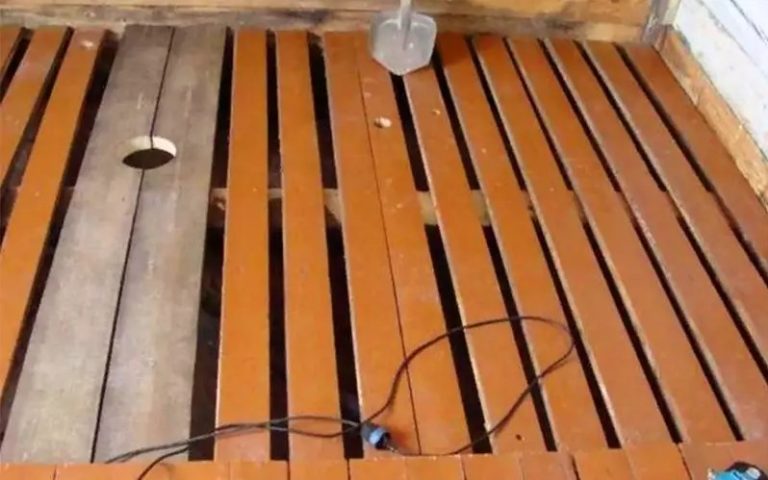
After taking the procedures, open the windows and doors or turn on the forced ventilation.
Foundation ventilation
The bathhouse's load-bearing foundation is exposed to moisture more than other structural elements. Ventilation is considered by engineers during the building design phase.
The engineering system consists of at least two 110 mm diameter vents located on opposite sides of the foundation. The exact number of vents is determined based on the size of the sauna.
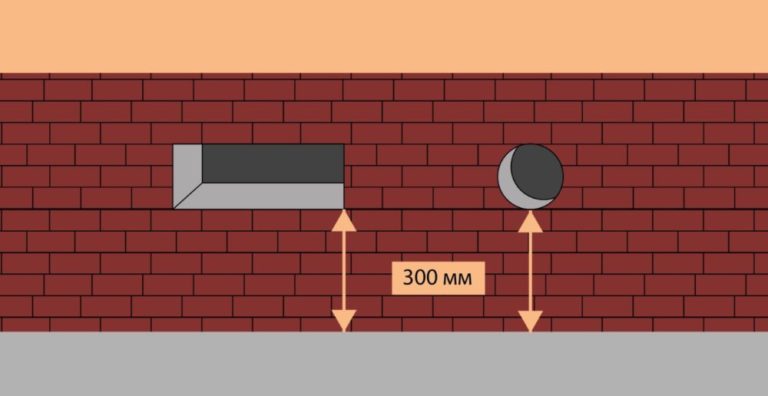
When calculating ventilation rates, the wind direction on the site is also taken into account. The terrain, such as lowlands, hills, and the presence of a body of water, also plays a role. Architectural structures on the site, trees, and shrubs will also impede air exchange.
Ventilation of individual rooms
Sanitary regulations establish specific air exchange, humidity, and temperature levels for different bathhouse rooms, depending on their intended use. Ventilation systems will have their own specific requirements:
The ventilation of each room is part of the sauna's overall engineering system. Before installation, consider the layout of the air inlets and exhaust vents to ensure proper air circulation.
Disturbance of the direction of air flow will lead to the spread of steam and moisture throughout all rooms of the bathhouse.
Options for Bastu schemes
The general layout and design of Bastu is a supply and exhaust ventilation system with various designs. Other options are not suitable. The supply and exhaust ducts don't necessarily have to be the same. Increase the number of ducts for a larger sauna.
Bastu's design options for the exhaust duct:
- With a horizontal tee. In this design, the vertically installed exhaust duct is equipped with a tee. The fitting is installed at the top of the pipe. One side branch from the tee exits through the wall to the outside.
A horizontal branch pipe extends from the other end of the fitting into the sauna. The tee opening is closed and is opened during routine ventilation of the steam room. Air exhausted from the vertical pipe first enters the horizontal branches and is then exhausted outside.
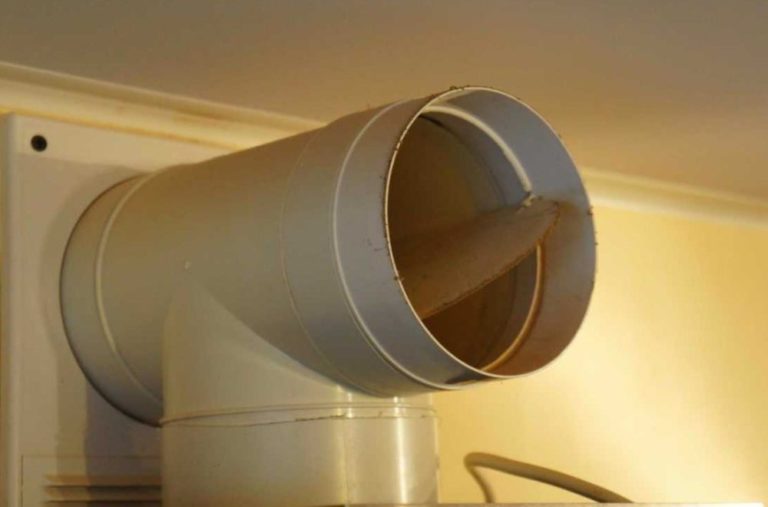
- With a vertical tee. In this design, a vertically installed tee on the air duct serves as an extension of the pipe. A pipe extends from the top opening through the sauna roof to the outside. The side opening of the tee faces the steam room, but without the extension pipe.
The duct is similarly closed with a plug, which is removed during routine ventilation. The exhaust air from the vertical pipe goes directly outside without horizontal movement.
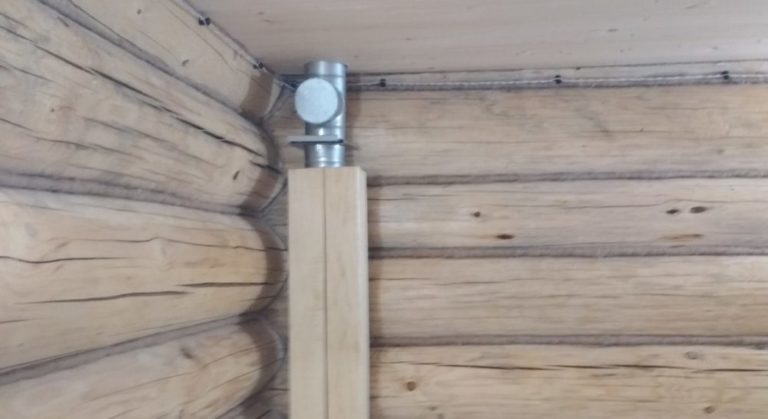
The design with a vertical tee and a pipe outlet through the roof is the most effective for a sauna.
Successful ventilation scheme options based on vent placement:
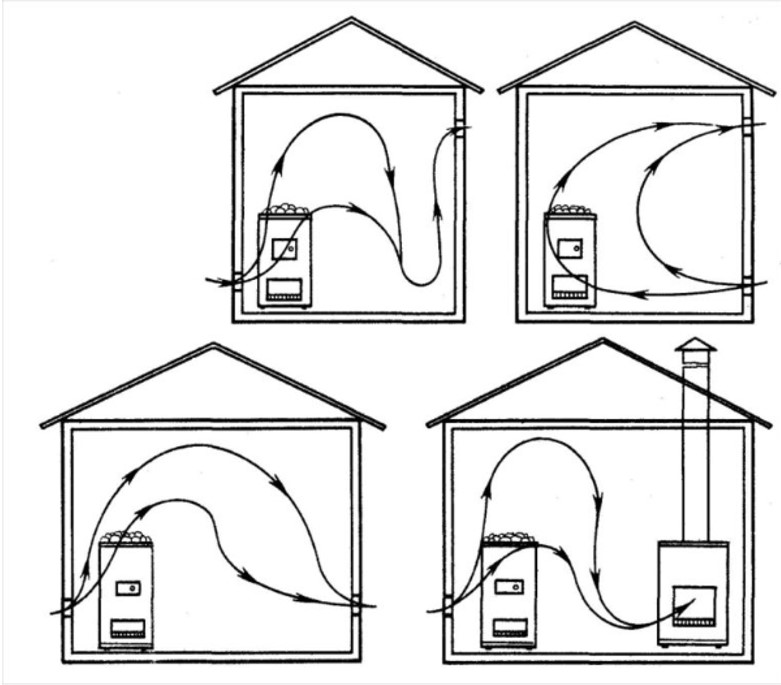
- The air inlets are located at the bottom of the wall. The exhaust vents are located at the top on the opposite side. This design works well with natural air exchange.
- The supply and exhaust air vents are located on opposite walls but at the same level in the lower part of the building. This design works well with forced air exchange.
A design with both supply and exhaust vents on the same wall is considered ineffective. A forced-air system works, but the supply air significantly cools people's feet in the steam room. The incoming air is unable to completely replace carbon dioxide, as it is immediately released outside through the adjacent exhaust vent.
Step-by-step installation instructions for Bastu
According to SNiP 41-01-2003 standards, ventilation in a bathhouse is considered operational when the air exchange rate is 20 m3/hour per person. The recommended air change rate according to Finnish standards is 2 times/hour. For example, if in a dry sauna with a volume of 10 m3 3 people can steam at the same time, the frequency should be increased to 6 times/hour.
We suggest you use the online calculator for calculation of ventilation performance in various rooms..
According to Russian SanPiN 2.1.2.568-96, the air exchange rate in saunas with three occupants is permitted at 5 times per hour. The standard for changing rooms is 2 times per hour, and for showers, 10 times per hour. When performing your own ventilation calculations, adhere to the recommended standards.
To install the Bastu system yourself, follow these steps:
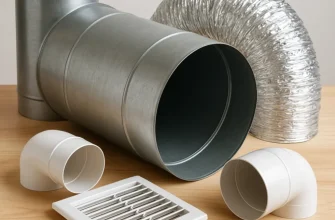
- Prepare the exhaust hood components. You will need a stainless steel pipe with a diameter of 110-150 mm. Measure the length of the duct based on the height of the steam room. Typically, this is 2.1-2.4 m. The exhaust hood should be routed through the roof using a sandwich pipe 1 m above the ridge. You will also need a tee with a plug, a rotary damper, and a ball deflector.
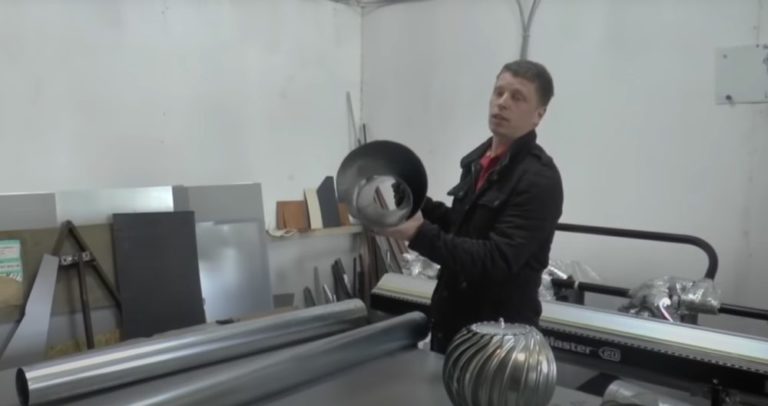
- Assemble the exhaust duct from pipes, a tee, and a damper. Connect the joints with screws and press washers for strength.

- First, attach the rotary damper to the pipe. Install a small branch pipe, which acts as an adapter from the damper to the tee. Calculate the length of the pipe so that the side opening of the fitting will be flush with the steam room ceiling after installation. Slide the tee onto the branch pipe.

- Close the side opening of the tee with a plug. Part of the fitting will be directed into the steam room for ventilation. Connect a sandwich pipe to the second opening, which will exit through the attic.

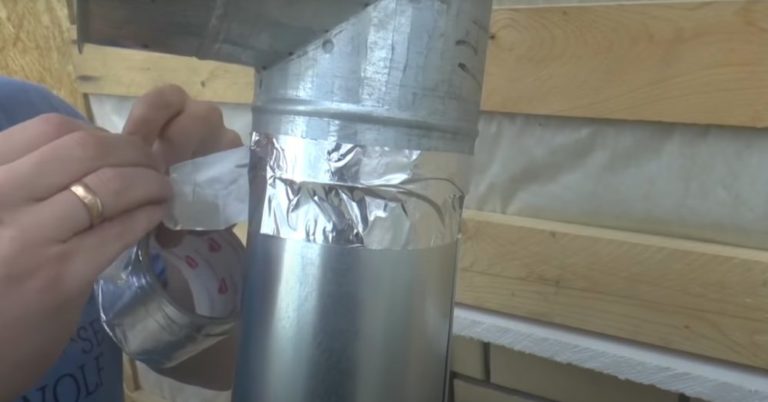
- To improve draft, seal the joints. Wrap the pipe connections with foil tape.
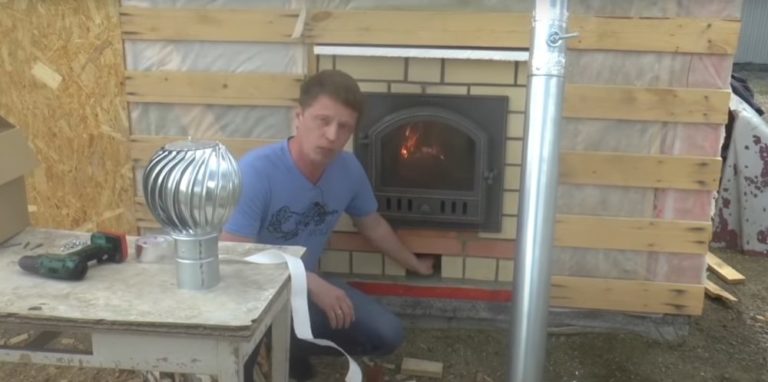
- Assemble the section of air duct that extends above the bathhouse roof. Attach a ball deflector to the sandwich pipe.

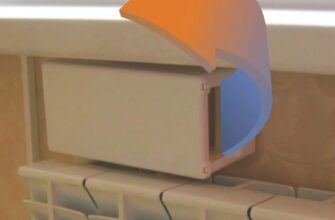
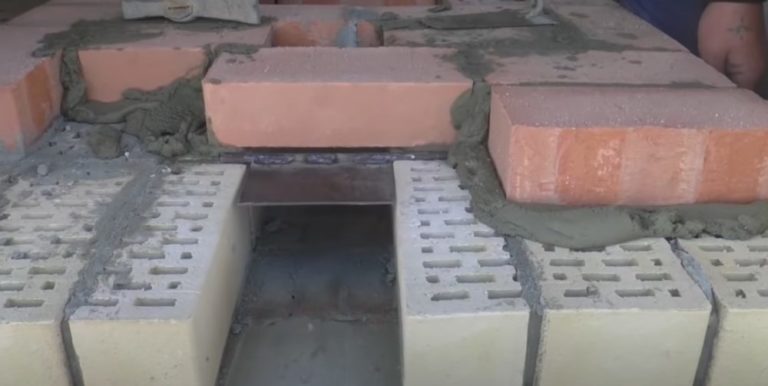
- Install an air vent under the stove. Install a damper to regulate the air flow.
- Make a rotary damper from a piece of sheet steel. Install the damper under the stove, allowing it to be adjusted from inside the sauna.
- Install the assembled exhaust pipe in the corner of the steam room opposite the stove.

- Lower the lower end of the air duct under the shelf so that there is a gap of approximately 50 cm between the subfloor and the pipe opening.
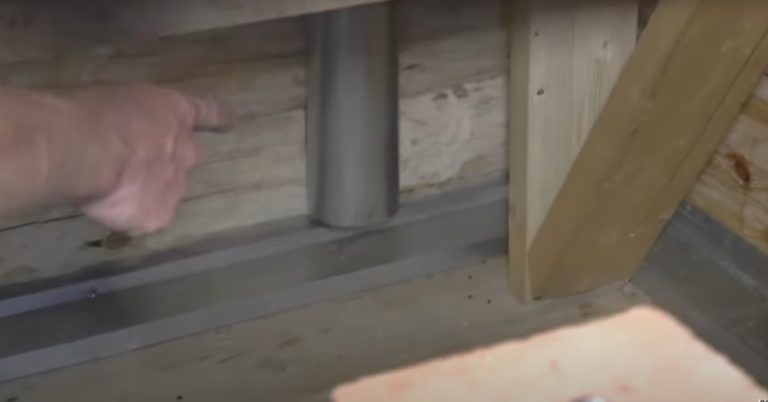
- Install a sandwich pipe with a ball deflector on the roof. Connect it to the main exhaust duct.

- Check for draft through the hood. Hold a piece of paper or a lighter flame to the lower end of the underfloor duct.
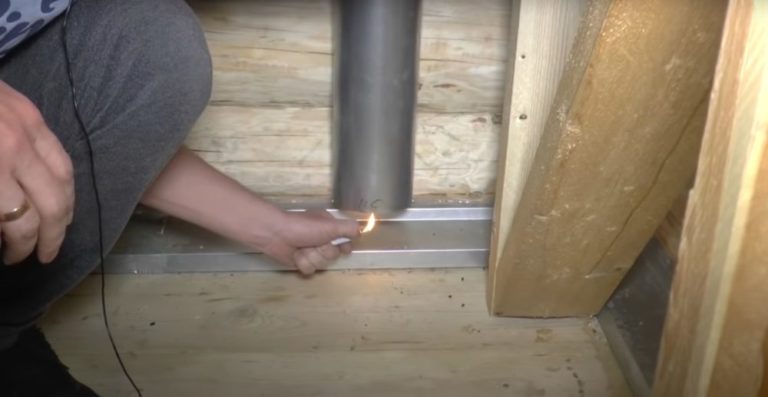
- Check the draft through the air vent under the stove by holding a smoking log or piece of paper to the air vent.
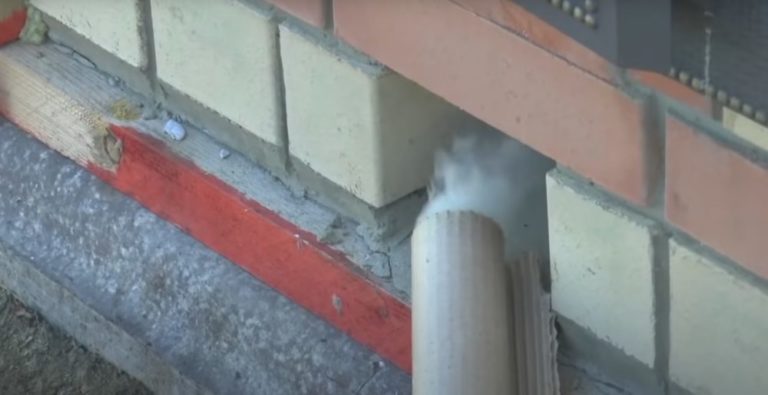
- Open the tee plug when the steam room requires ample ventilation.

While the stove is burning, you can easily check the ventilation by climbing onto the roof of the sauna. By placing your hands near the rotating ball deflector, you can clearly feel the warm air escaping from the steam room.
Answers to frequently asked questions
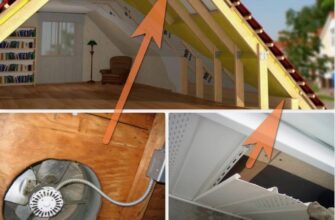
It's best to install a stainless steel pipe with a diameter of 110-150 mm inside the steam room. In the attic and outdoors, install a sandwich pipe or insulate the regular stainless steel pipe with mineral wool.
Install an inlet duct with a damper under the stove. Install the exhaust duct in the opposite corner. Lower the lower section under the shelf, leaving a clearance of up to 50 cm from the subfloor. Route the upper section of the duct through the attic and roof, 1 m above the ridge.
Place a tee with a plug for ventilation under the ceiling of the steam room, and install a damper with a rotary valve below.
A bathhouse requires supply and exhaust ventilation, either natural or forced. Ventilation is provided in the foundation, in all rooms of the building, and in the attic.
Lay a channel from the outside under the brick stove. You can also install a metal pipe. To regulate the air flow, install a damper on the steam room side.