Ventilation in a home is an engineering system designed to supply fresh air and remove stale air. It operates on the principle of natural or forced air movement.
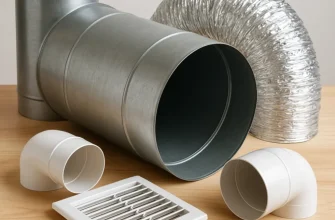
To install a ventilation system, you need to install air inlets, exhaust vents, air ducts, and equipment. In this article, we'll cover in detail the different types of ventilation in a frame house, which system to choose, and how to install it yourself.
- Ventilation device
- Types of ventilation in a frame house
- Natural air exchange
- Unorganized ventilation method
- Organized method of ventilation
- Forced air exchange
- Organization of supply ventilation
- Organization of exhaust ventilation
- Organization of supply and exhaust ventilation
- Organization of supply and exhaust ventilation with a recuperator
- Mixed air exchange
- Which ventilation system should I choose?
- Making ventilation with your own hands
- We do the calculation ourselves
- We make a project, draw up a diagram
- We carry out installation of equipment
- Answers to frequently asked questions
- Video instructions
Ventilation device
Ventilation in a frame house can be arranged using various schemes, but each utility line has the same purpose: to create air exchange in a sealed space. The system's design depends on the system's method of supplying air to the interior and venting exhaust air to the outside.
A simple way to create air movement between rooms is to leave gaps at the bottom of the interior doors.
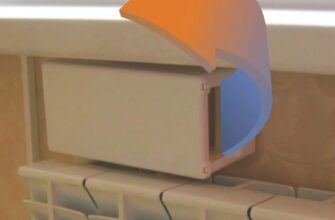
Provide fresh air intake from outside through vents or wall-mounted air intakes with ventilation grilles. Dirty air will be exhausted through the kitchen hood. This system is simple and inexpensive, but ineffective.
For proper air exchange, full ventilation is needed in every room of a frame building. Utilities are more complex and will cost the property owner more.


Regardless of the chosen scheme and configuration, ventilation consists of 3 working units:
- Tributaries are channels and vents on the lower part of the wall façade for the intake of air from the street.
- Extractor hoods are ducts and openings under the ceiling, and kitchen hoods above the stove are used to remove dirty air from the house.
- Air flows are openings, gratings, gaps in partitions and doors for the circulation of air masses between rooms.
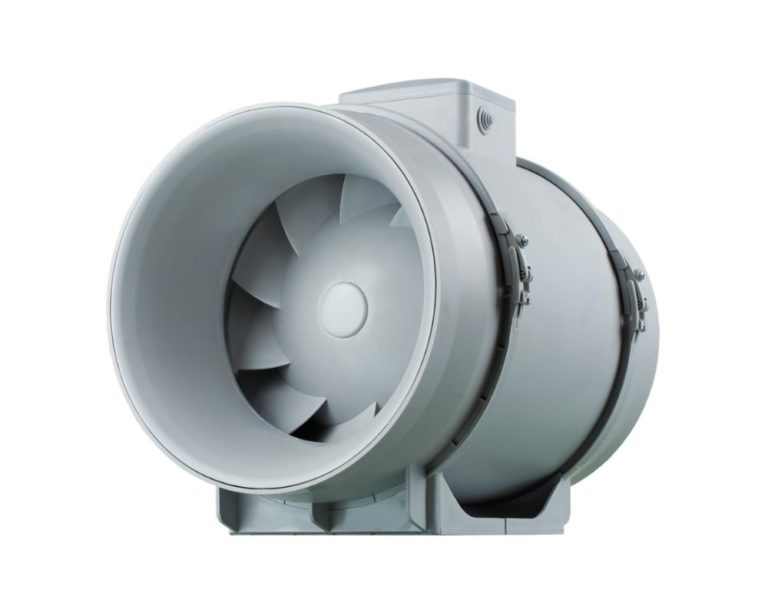
Installing fans will help speed up the circulation process. Electrical equipment is mounted on the supply and exhaust vents. Duct fans should be installed in the pipe if the utility system design includes ductwork. Equipment varies in power and airflow direction.
To the hood install an exhaust fanEquip the supply duct or vent with equipment that draws air from outside. Determining the fan capacity requires engineering calculations taking into account the room's volume, the number of occupants, and other factors.
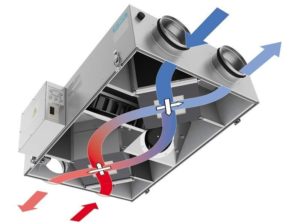
 Effective ventilation is achieved by installing a recuperator. This unit channels airflows through itself. The circulating air can be heated, cooled, humidified, and cleaned through a filter. The number of functions depends on the recuperator's design.
We suggest you read the instructions self-assembly of air recuperators with photos and videos + diagrams.
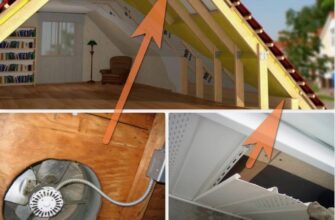
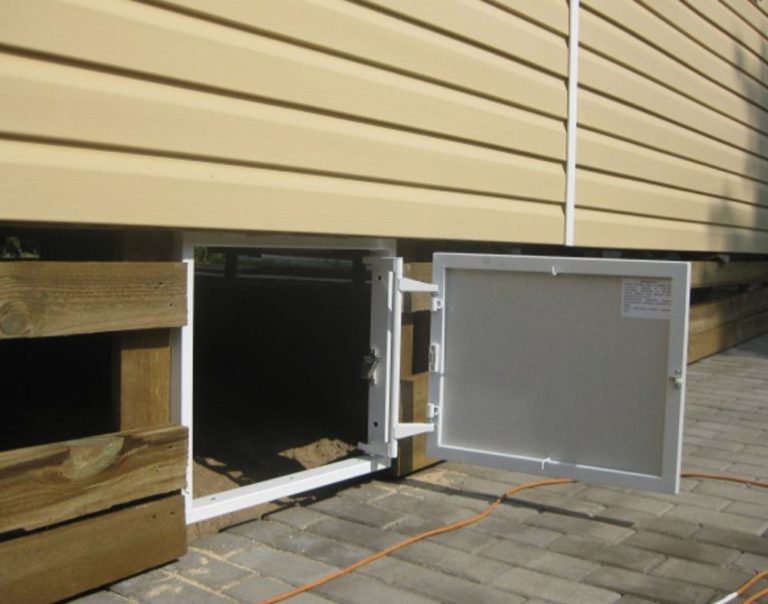
The frame of a wooden house is filled with thermal insulation, but the design calls for ventilated wall spaces. Air exchange under the floor must also be provided to remove moisture vapor. To ventilate the subfloor space, install vents in the foundation.
Cut holes in the floor with a cross-section of 0.04 m2You can ventilate the subfloor space through vents or install a complex duct system.
Types of ventilation in a frame house
The type of ventilation system is usually determined by the method of organizing air flow. There are three types of circulation:
In a frame house, you can install any of the listed types of ventilation.
Natural air exchange
The utility network operates based on the natural movement of air masses, without the need for fans. Circulation is achieved through differences in air pressure and temperature.
Natural ventilation of a frame house can be done in an unorganized and organized way.
Unorganized ventilation method
Frame buildings, especially old ones and those built with violation of technology, have gapsVentilation organized due to technical shortcomings called slit.
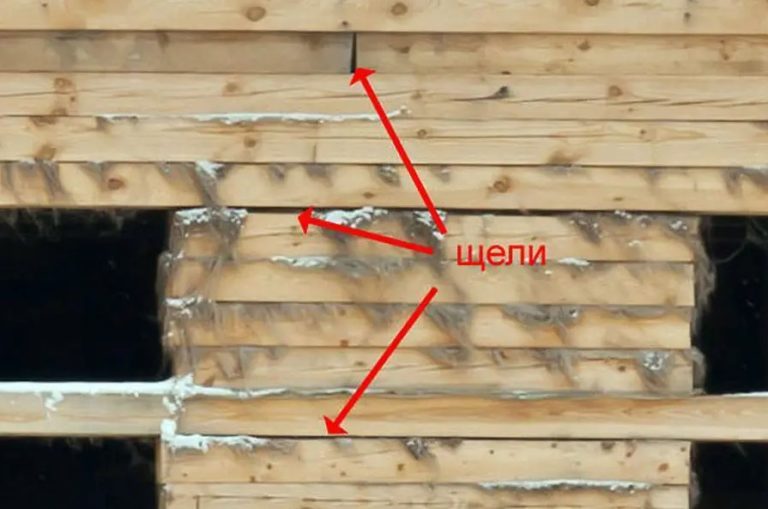
Owners of frame homes don't need to purchase equipment, install vents, or install ductwork. However, simple and inexpensive slot ventilation has serious drawbacks:
- The degree of ventilation in each room of a frame house depends on the wind direction and strength, as well as the temperature difference between the outside and inside. Air circulation will be strong, weak, or absent altogether. The homeowner has no control over the air exchange process.
- Heat escapes through cracks in winter, increasing heating costs for frame buildings. Condensation forms due to temperature differences. Ice forms in cracks in winter. As the thaw sets in, the ice melts, dampening the frame, wall cladding, and insulation. Wooden structural elements begin to rot, and wet insulation compacts.
Slotted natural ventilation is suitable for outbuildings. In a frame residential building, the utility system must be designed by an engineer and user-controlled.
Organized method of ventilation
Organized natural ventilation is designed by an engineer. The system may consist of ventilation ducts, exhaust vents, air inlets, and air dampers, but without fans. Circulation is still achieved through pressure and temperature differences.
The difference from slot ventilation is the ability of the home owner to control air exchange.
By closing vents or channels with dampers, it is possible to change the speed and volume of air movement.
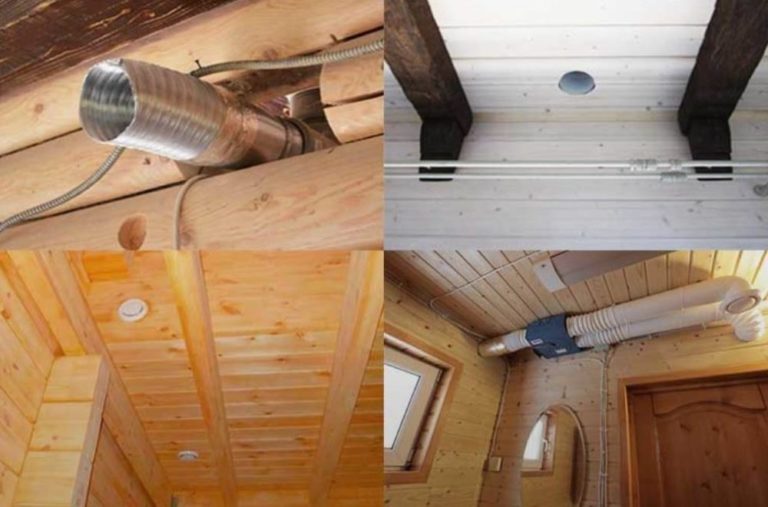
Natural air circulation remains a drawback of organized ventilation. A modern frame house has a thermos effect. Natural ventilation is ineffective.
Utility systems are unable to bring air quality levels up to established sanitary standards. In a frame house, it's better to opt for forced air exchange rather than natural ventilation or install an exhaust system through the boiler chimney.
Forced air exchange
The utility system operates by forcing air movement using fans. Circulation is achieved by the speed of the air flow. Forced ventilation in a frame house can be achieved by:
It's difficult to implement a supply and exhaust ventilation system with a heat recovery unit yourself. Installing a supply or exhaust vent is easier, but less efficient.
Organization of supply ventilation
To create a forced air flow from outside into the room, a supply fan is installed on the wall. In terms of installation complexity, supply-type ventilation in a frame house is the simplest.
A fan installed in the intake vent draws air from outside. This force forces the air into the room. Further circulation occurs naturally. The air flows through the cracks in the interior doors.
The exhausted dirty air is released outside through the kitchen hood, the boiler chimney, open windows or specially designed vents with valves.
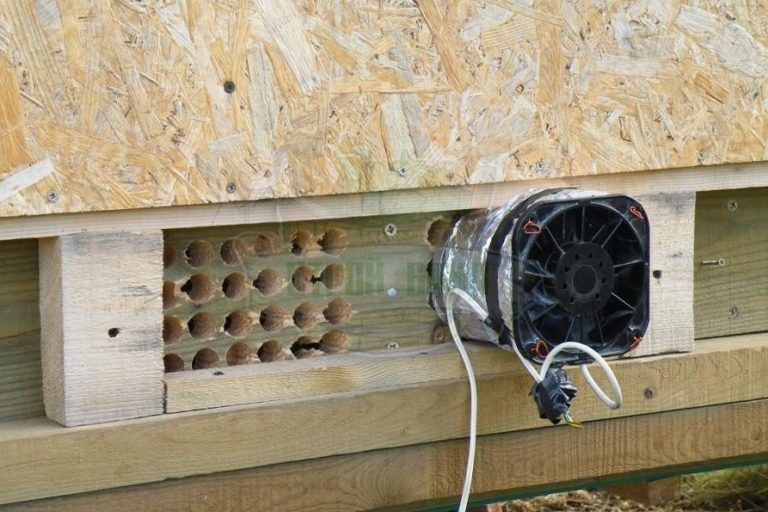
It's advisable to equip the supply fan with a filter to ensure that the air entering the room is cleaned of dust, bacteria, and unpleasant odors. In winter, a heater will be needed to warm the incoming air.
Organization of exhaust ventilation
The technology for installing forced-air exhaust is similar to that for air supply. The installation location differs. The exhaust fan is installed in a window vent or a specially designed vent.
The equipment forces the house's polluted air outside. Circulation within the building occurs naturally. Fresh air is drawn in from outside through other open vents, cracks, and special vents with valves.
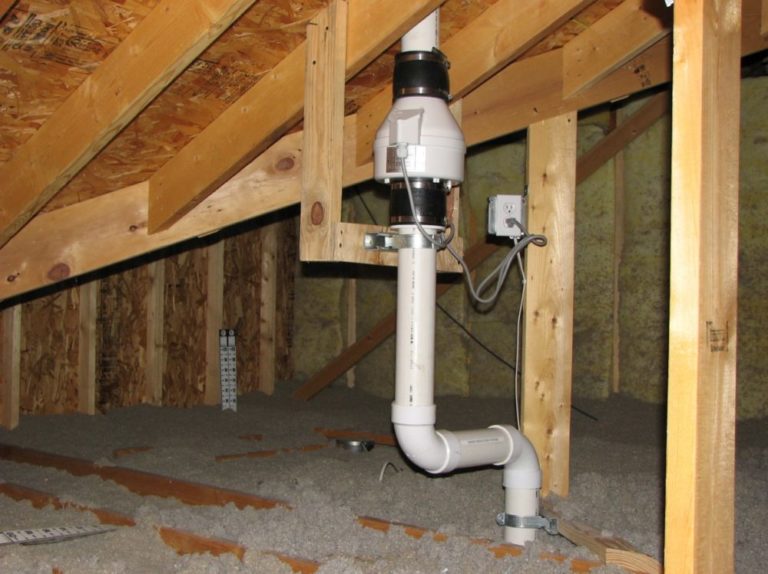
Heating the exhaust air with a heater is not required. Filtration is necessary when removing heavily polluted air from a kitchen, bathroom, or sick person's room. Sanitary regulations prohibit polluting the environment with harmful emissions.
Organization of supply and exhaust ventilation
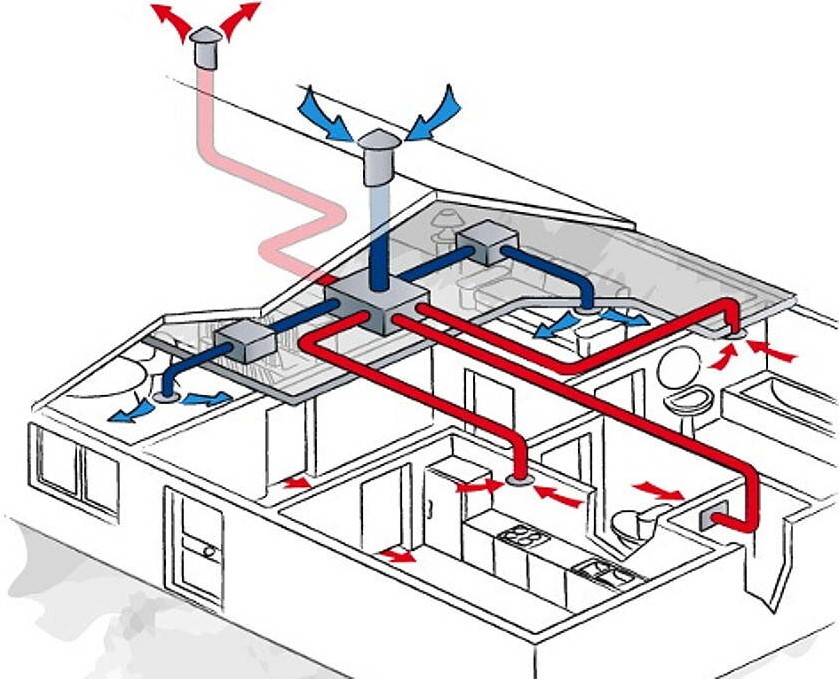
The engineering system combines forced supply and exhaust ventilation. The supply and exhaust ducts, equipped with fans, are connected by circular or rectangular air ducts.
Installing a supply and exhaust system is more difficult and expensive, but in terms of air exchange quality, a communication network is better suited to a frame house.
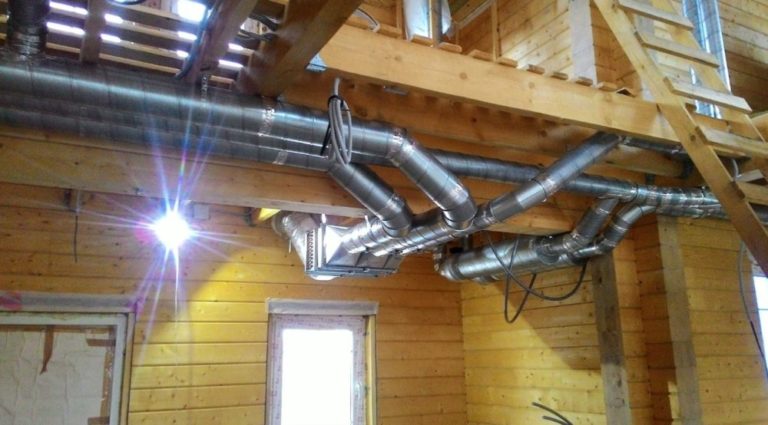
Ventilation ducts can run through living spaces or be located in a single location. A common layout is developed for the entire frame building and a separate layout for each floor or room.
Independent ventilation will cost the property owner a lot, but it will allow them to set up their own microclimate in each room.
Organization of supply and exhaust ventilation with a recuperator
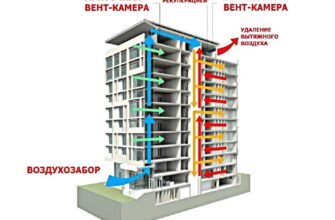
The efficiency of the supply and exhaust system is increased by installing a recuperator. The unit consists of ducts that channel cold air from outside and warm air from inside.
After heat exchange, the warmed air enters the room through the ducts. Heat loss from the frame house is reduced, allowing the property owner to save on heating costs.
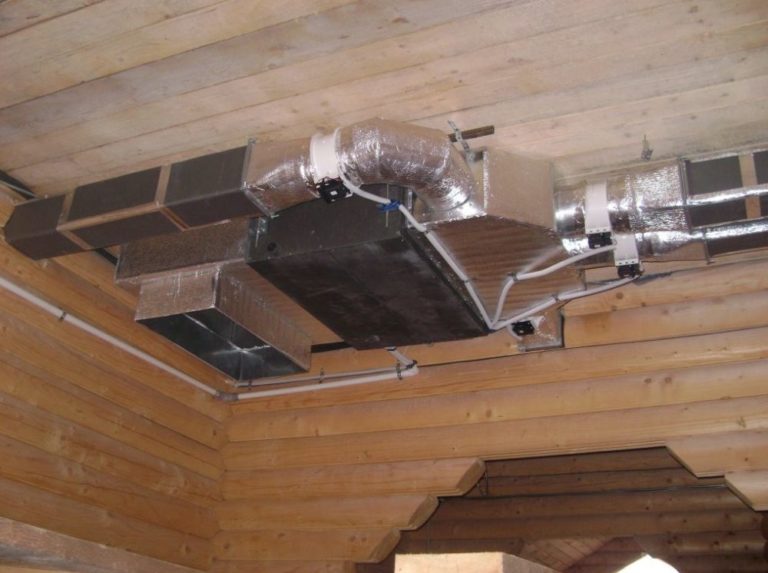
Heat recovery units vary in design and functionality. There are high-performance units for the entire home and smaller models for a single room.
A standard recuperator has standard features, such as a bypass for disabling recuperation and a heater for additional air heating in winter. Advanced models are equipped with additional fans, filters, and automatic controls with a remote control.
Mixed air exchange
The engineering system is called a combined system because it combines forced and natural ventilation. This is a good option for large frame homes where it's necessary to adjust the air exchange rate in different rooms.
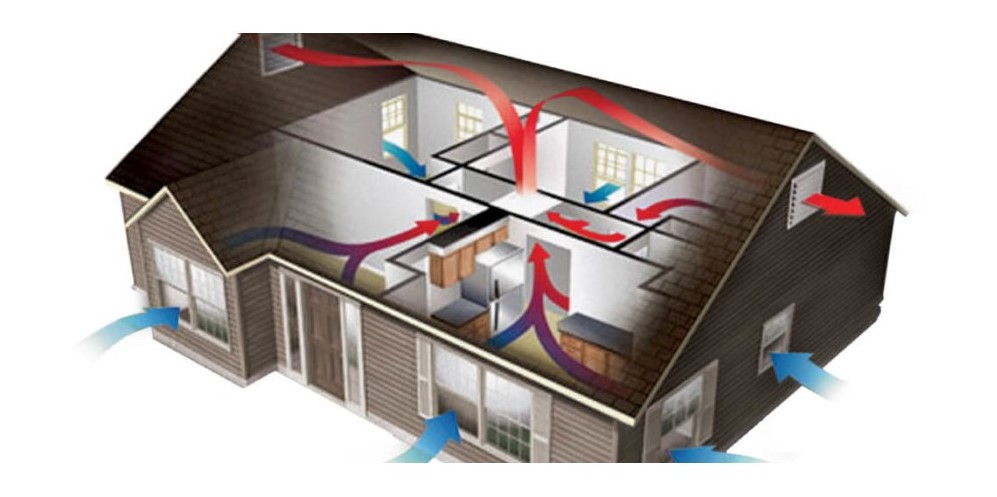
In a frame house, forced ventilation can be provided by a range hood with a fan installed through the wall in the kitchen or bathroom. Living rooms are provided with natural ventilation through vents with valves.
Another example is the installation of a forced supply and exhaust system on the first floor, while the air exchange on the second level of a frame house is done naturally.
Which ventilation system should I choose?
The ventilation scheme is determined taking into account the budget and wishes of the property owner, the building parameters, and the number of people living there.
The frame structure has two advantages: the ventilation system is thought out at the design stage, and there are voids inside the walls that are convenient for concealing air ducts.
The owner of a frame building will determine the ventilation scheme taking into account the intended purpose:
- It's cost-effective to equip a summer cottage for seasonal use with inexpensive natural ventilation. This can be achieved by installing ducts or simply installing vents with valves through the wall.
- The ventilation system for a country house designed for year-round use is further complicated by the addition of forced-draft exhaust hoods in the kitchen, bathroom, garage, and sauna. Living rooms can be ventilated naturally.
- In a permanent residence, it's important to implement a forced-air supply and exhaust ventilation system. If budget allows, installing a heat recovery unit is advisable.
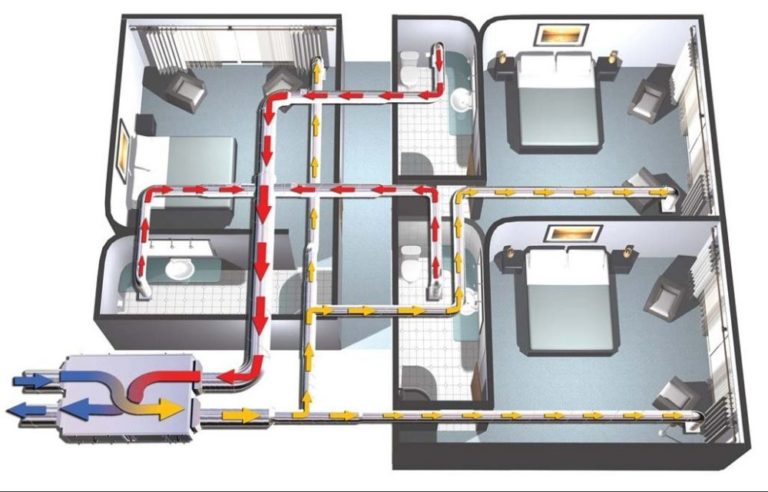
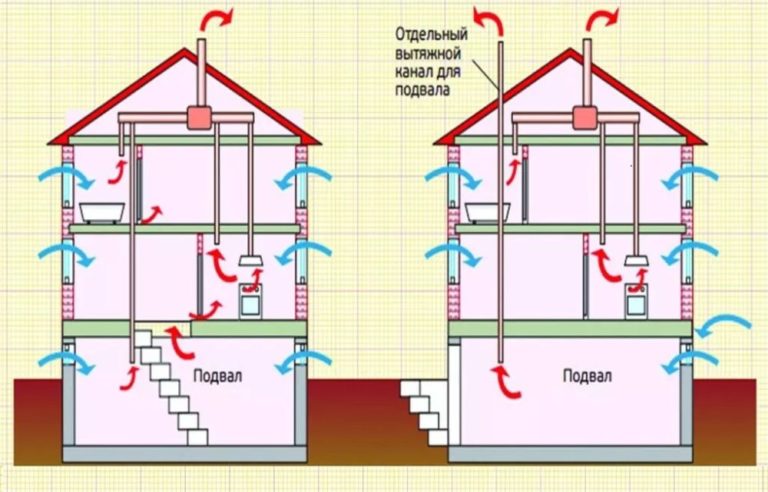
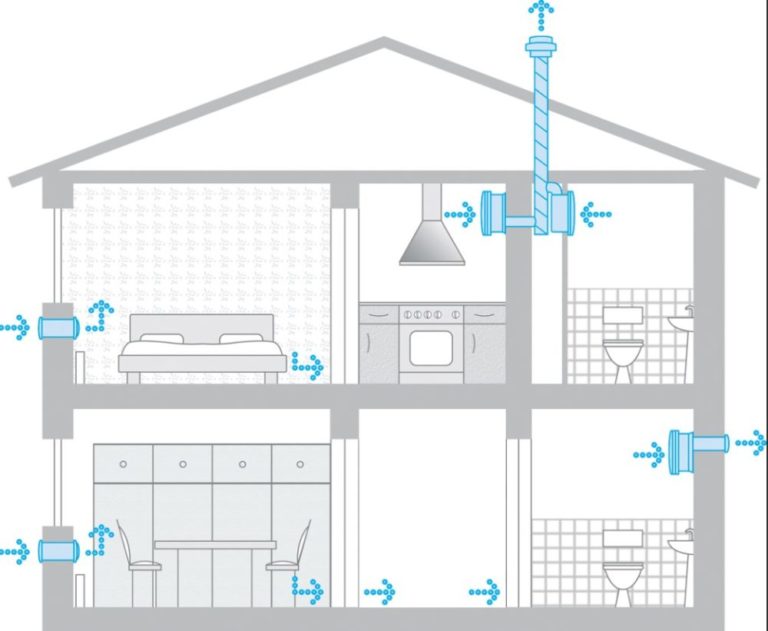
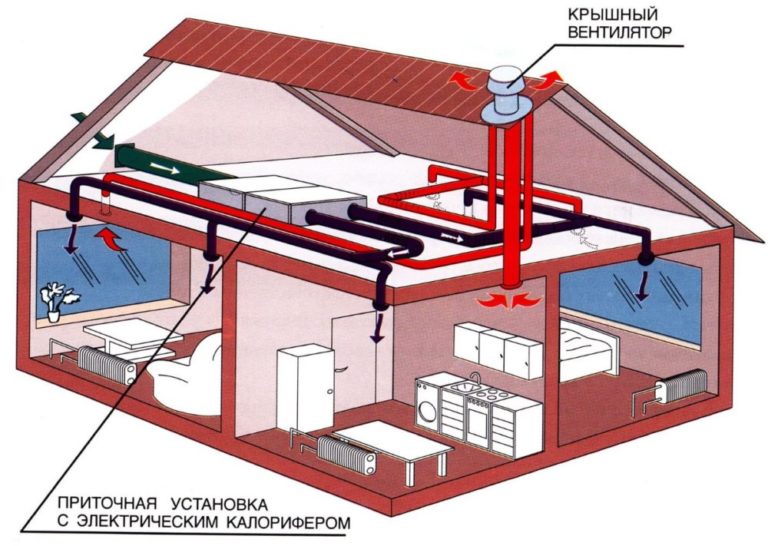
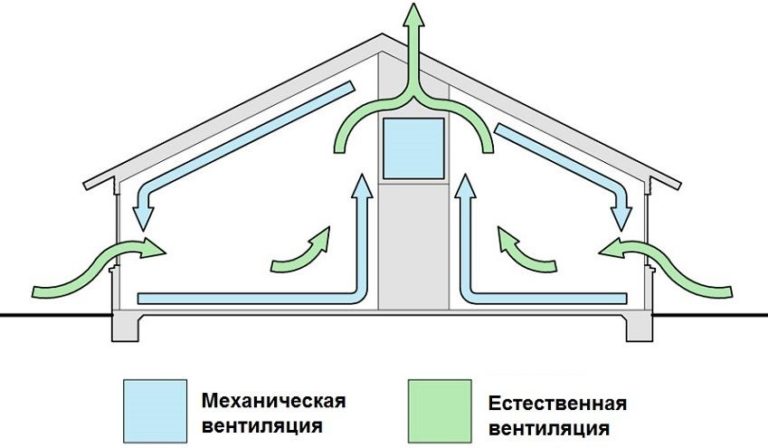
The term "diagram" refers to a plan for routing air ducts and installing equipment. It depends on the house's layout.
There are no general plans, as they are developed individually for each building. For examples, see the photo collection.
Making ventilation with your own hands
If the rooms are difficult to breathe and mold forms on the walls, these are the first signs of a lack of air exchange. A frame house requires ventilation.
Regular ventilation will solve the problem temporarily. It's important to consider how to properly design the engineering system so that it's simple, inexpensive, and effective.
We do the calculation ourselves
Ventilation functions properly when installed according to calculations. The air exchange rate and volume are regulated by SNiP 31-01-2003 and GOST 30494. The following amount of fresh air per person per hour is recommended:
- during sleep or rest – 20 m3/hour;
- while awake without exertion – 40 m3/hour;
- during active physical activity – 60 m3/hour.
Air exchange rates are set for rooms of different purposes. You can calculate the values using our online calculator.
Taking into account the number of permanent and temporary residents, calculate the air exchange rate per hour for each room and the entire house. Based on these calculations, select ventilation equipment with the appropriate capacity.
We make a project, draw up a diagram
It's undesirable to disturb the structure of frame walls. Typically, the architects included in the house design locations for supply and exhaust vents. All the property owner has to do is install the supply and exhaust valves.
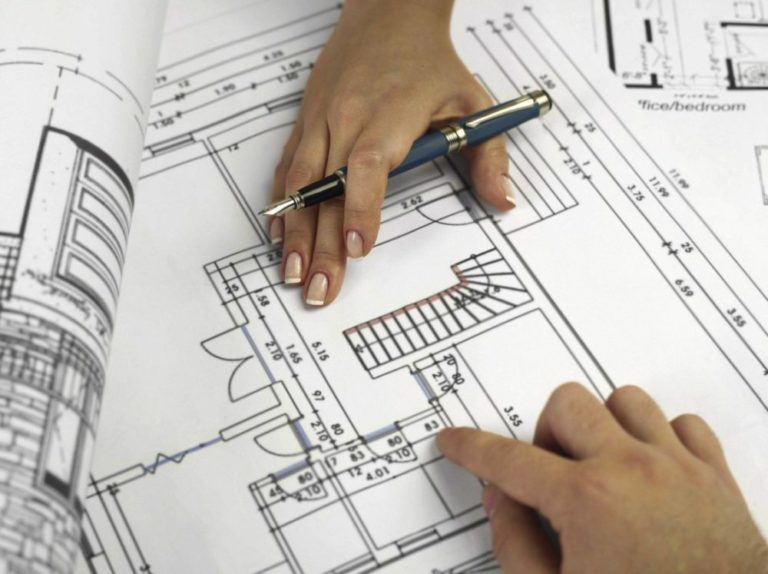
Design your own ductwork layout for your room, taking into account ease of installation, aesthetics, and the layout of your living space. The chimney from a fireplace or stove may be used as an exhaust duct.
To reduce system resistance and improve ventilation performance, limit the length of air ducts. Reduce the number of turns, bends, and points where the diameter of the pipes is narrowed.
We carry out installation of equipment
Once the calculations are completed and the diagram is drawn up, purchase the equipment. For installation, you'll need plumbing tools, foam or sealant, hardware, and anchor bolts. Determine the list of auxiliary materials based on the type of equipment being installed.
An example of step-by-step installation of a shower and toilet exhaust hood.
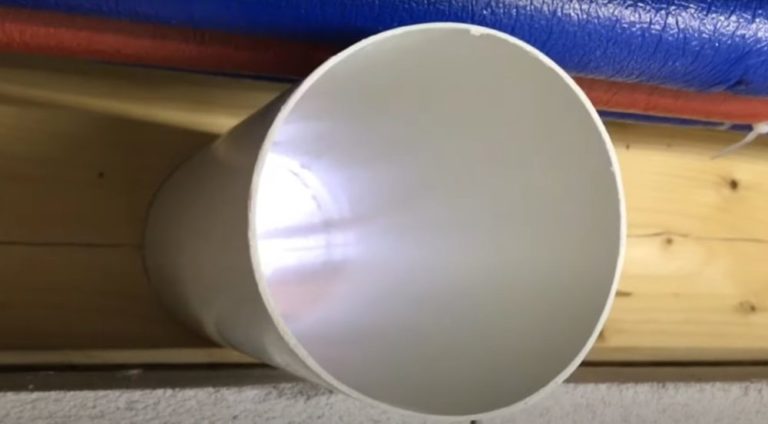
- At the top of the wall, extend a piece of PVC pipe for the range hood outside. If there's no hole, drill a hole in the wood using a drill with a hole saw. Select a cutting bit that matches the diameter of the pipe. Once the sleeve fits snugly into the hole, you won't need to seal the gaps with foam or sealant.
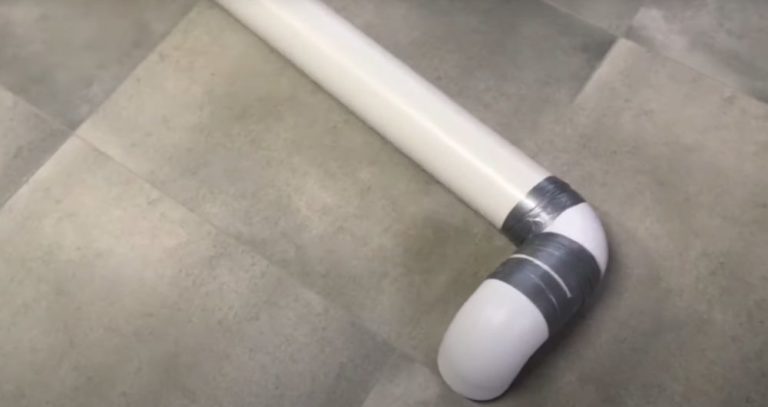
- Assemble the air duct section on the floor using pipe and fittings. Check that the duct dimensions correspond to the installation site.
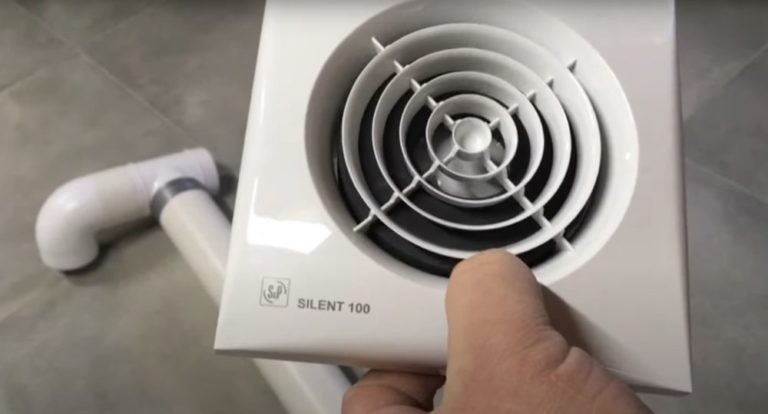
- Prepare two exhaust fans: one for the toilet and one for the shower. Connect them to the power supply and test them for proper operation.
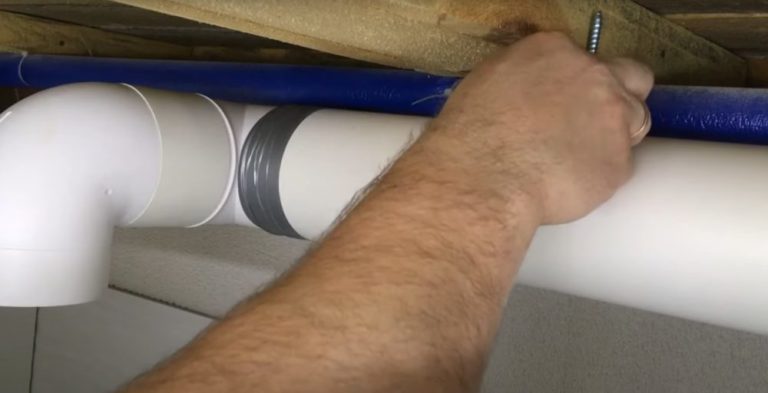
- Prepare clamps and fasteners for mounting the equipment. Secure the parts to the ceiling with anchors and screws.
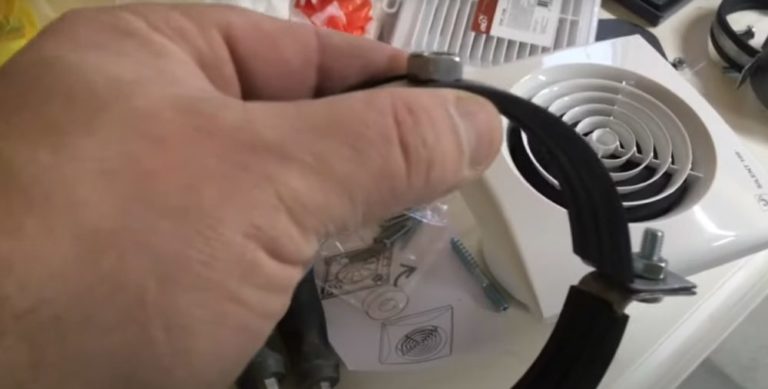
- Attach a pre-assembled PVC pipe and fittings to the ceiling. Use clamps to secure the pipe. Connect the pipe to the sleeve coming out of the wall.
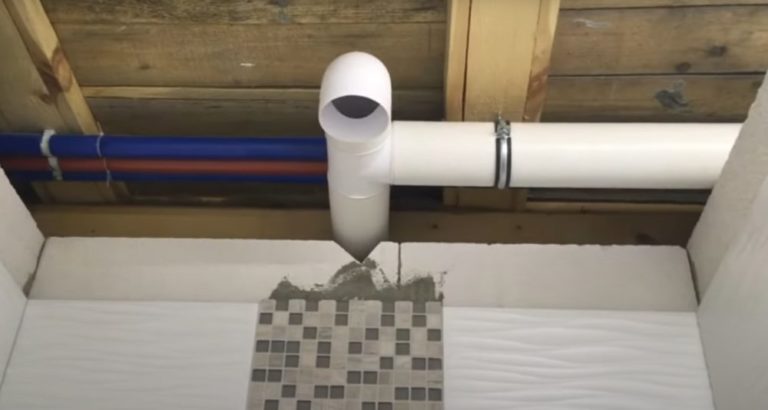
- From one common channel there should be two exhaust hoods with downward-facing elbows for the shower and toilet.
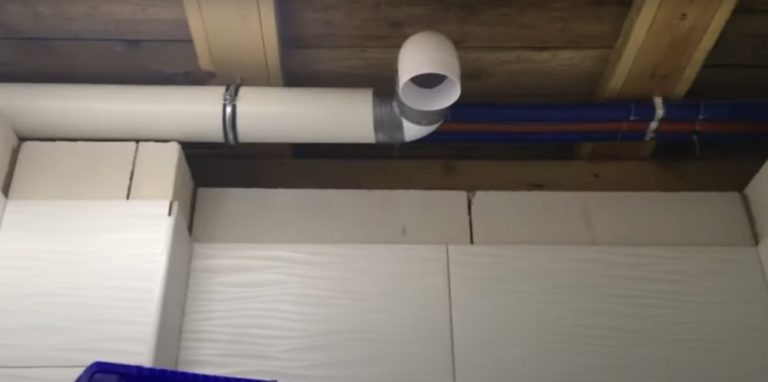
- Install an air check valve on the pipe coming out of the wall from the street side.
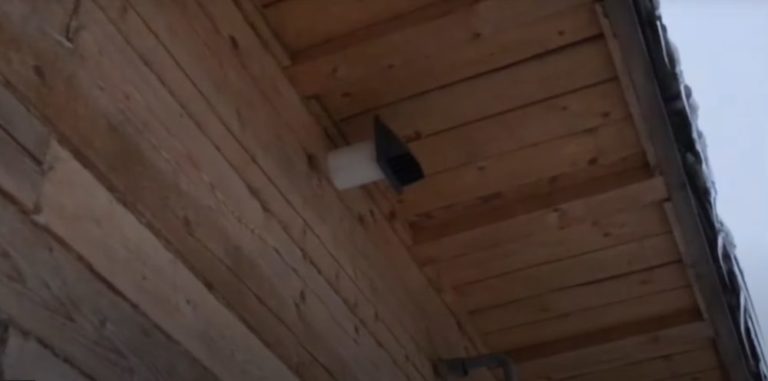
Install the fans into the duct elbows and secure them with clamps and hardware. Connect the wiring and test the hoods. Each fan will operate independently, removing stale air from the toilet and shower through a single duct.
Answers to frequently asked questions
A frame house with expanded polystyrene insulation creates a thermos effect. Ventilation is necessary to create a favorable microclimate for residents and prevent mold growth.
A ventilation gap between the exterior sheathing and the thermal insulation is essential because it prevents the insulation from getting wet and freezing. It also serves as a channel for condensation drainage.
Intakes are installed from below, and exhausts are placed under the ceiling. Ducts can be concealed within the voids of framed walls or under the ceiling trim. A heat exchanger is installed in the attic or allocated space indoors. Outdoor units are also available.
Ventilation installation is carried out at the rough work stage before finishing work begins.
In a year-round home, it's best to install a forced-air supply and exhaust ventilation system with a heat recovery unit. In summer cottages and seasonal properties, you can install a natural, mixed, forced-air exhaust, or supply system.