The installation and maintenance of a ventilation system is a pressing issue for every apartment owner. Only a practicing professional can provide the right answers and recommendations.
Today we addressed this question to the ventilation and air conditioning engineer, engaged in the design and installation of air exchange systems in industrial, residential, and public buildings.
He has been working in the housing and utilities sector for 11 years, holding two higher education degrees and extensive practical experience.
A qualified engineer will provide a comprehensive answer to questions about how the ventilation system in an apartment is designed and operates, and who can install and maintain the utility network.
- Who checks, maintains, and is responsible for ventilation in an apartment?
- What is ventilation: how it works, what it consists of, and design options
- Ventilation with natural air exchange
- Ventilation with forced air exchange
- Ventilation with forced air exchange and recuperation
- What components does a ventilation system consist of?
- Features of supply ventilation with filtration
- Ventilation standards and calculations
- How to install a ventilation system in your apartment yourself
- What ventilation problems may arise and how to solve them
- Why is there a draft coming from the ventilation system into the apartment?
- Is it possible to clean ventilation ducts yourself?
- I'll debunk 3 myths to sum it up.
Who checks, maintains, and is responsible for ventilation in an apartment?
Air exchange parameters for residential premises are reflected in regulatory documents. These are based on document SP 54.13330.2016, which is a revision of SNiP 31-01-2003. The management company is responsible for ensuring compliance with these parameters and the operation of the ventilation system.
It may employ its own trained personnel or have the right to enter into an agreement with a third-party specialized organization.
Smoke exhaust and ventilation ducts are considered common property. Only certified technicians from the management company are authorized to install, clean, and maintain the ventilation.
According to established standards, to maintain a favorable microclimate in the apartment, specialists must annually inspect, clean, and disinfect ventilation ducts.
In practice, many unscrupulous companies only maintain utility systems on paper. Apartment owners are left alone with the real problem of poor air exchange. I'll explain in detail how to resolve this issue now.
If you don’t know what to do when problems with ventilationWe suggest you familiarize yourself with the action plan—where to go, how to find the cause, and how to eliminate it.
What is ventilation: how it works, what it consists of, and design options
Ventilation refers to the process of air exchange. Air masses constantly circulate, removing dirty air from the apartment and bringing clean air into the room.
If you want to delve deeper into the design and operation of a utility network, I suggest you familiarize yourself with existing ventilation system diagrams and their operating principles.
Ventilation with natural air exchange
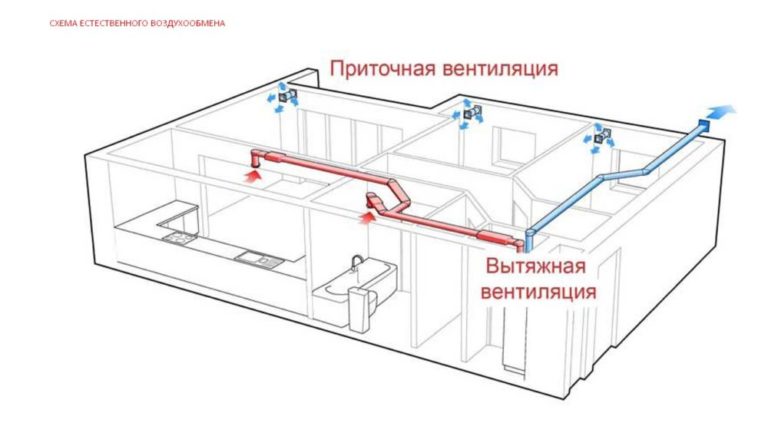
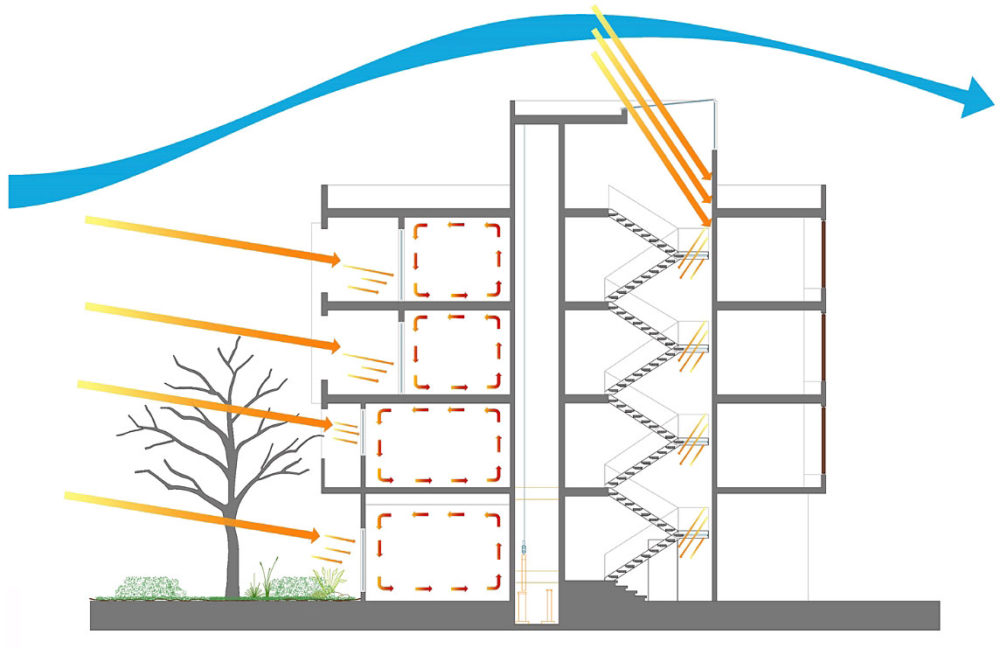
One of the inexpensive, easy-to-maintain, and easy-to-install ventilation systems, suitable for both older apartments and new buildings. It operates by moving air currents based on temperature differences. The resulting pressure differential creates draft.
Warm exhaust air rises to the ceiling and is exhausted from the apartment through vertical ducts built into the wall. Simultaneously, a similar volume of cool air enters the room from outside. This air enters through open vents, cracks in window frames, specially installed vents, or channels.
When renovating an apartment, you install sealed windows and seal cracks and other openings to reduce heat loss. As a result of these deliberate actions, you block the air flow.
The natural system stops functioning due to a lack of draft. To restore air exchange, the vents must be repaired or a new forced-draft ventilation system installed.
Ventilation with forced air exchange
Forced or mechanical ventilation differs from natural ventilation in that it includes fans that move airflow. It's impossible to install the utility system yourself.
Complex engineering calculations are required to determine which forced air exchange option to implement:
- with installation of supply fans;
- with installation of exhaust fans;
- with installation of supply and exhaust fans.
Air supply units force fresh air into an apartment. They differ in their design, operating principle, and installation location.
Read also: Supply ventilation in the apartment - how to choose and install it yourself.
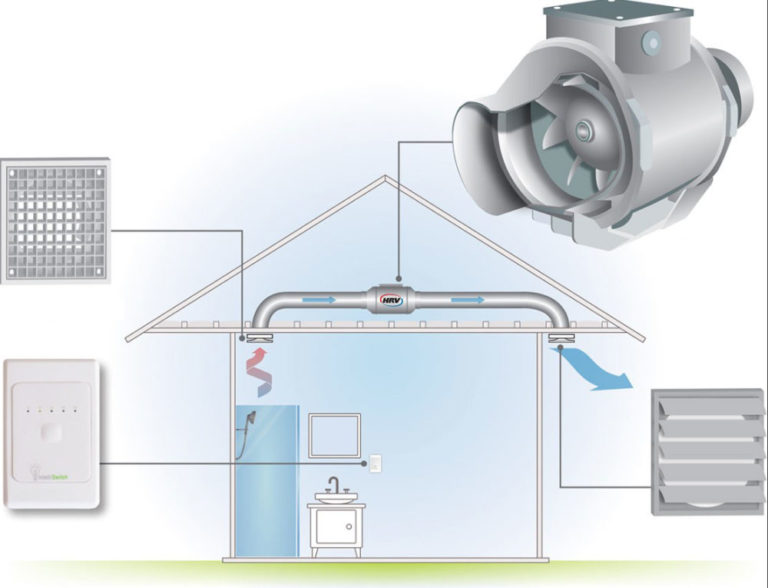
In a forced-air system, the central air supply unit is located under a decorative grille on the ceiling. One unit is installed for each room in the apartment. Fresh air is forced in from outside through the central air supply unit. Exhaust air is exhausted through an exhaust hood, which may or may not be equipped with a fan.
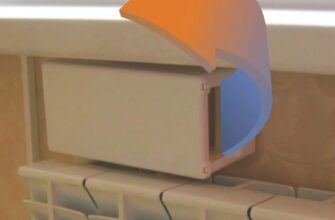
Each room in the apartment is provided with an individual air supply unit. Design-wise, it's either a breezer or a ventilator:
- A Breezer is an air intake unit installed inside a through-duct in a building's load-bearing wall. The unit's dimensions are calculated for a specific number of people living in the apartment. A natural or forced-air exhaust system with a fan can be installed with the Breezer.
- A ventilator is a supply air unit with a valve, installed individually for each room. It works in conjunction with a forced or natural exhaust system. Paired installations of ventilators are permitted if a single unit is insufficient.
We invite you to find out more details, What is a breather?, its operating principle, modes and functions, model rating.
Apartment buildings are typically located in environmentally polluted areas of the city. To avoid breathing dust and exhaust fumes, I recommend forced-air ventilation with filtration. It differs from a standard system by the presence of a filter on the inlet.
In a forced ventilation system, exhaust fans are required when removing stale air from an apartment is impossible due to architectural constraints. In other cases, natural exhaust is sufficient.
Ventilation with forced air exchange and recuperation
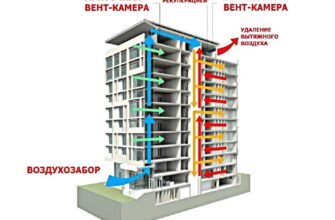
A recuperator is included in the forced-air supply and exhaust system. The unit is installed centrally for the entire apartment or individually in each room. Ventilation with recuperation is considered an autonomous system, as it is separate from the centralized utility network of the apartment building.
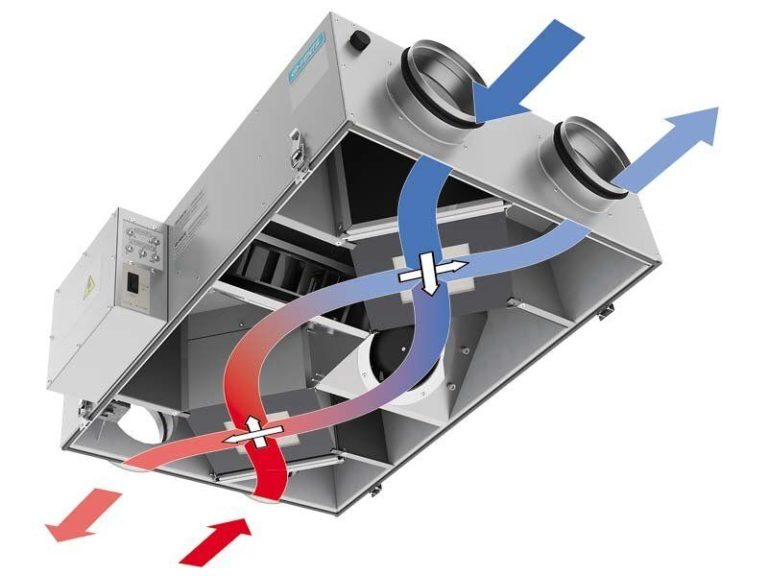
The heat recovery unit transfers up to 80% of the heat energy from the exhaust air to the supply air. Fresh air masses are monitored. In addition to heating, dehumidification, purification, cooling, or humidification functions can be enabled.
Along with air exchange, a favorable microclimate is maintained in the apartment year-round. Distribution ducts can be used to separately remove stale air from the bathroom, kitchen, and toilet.
What components does a ventilation system consist of?
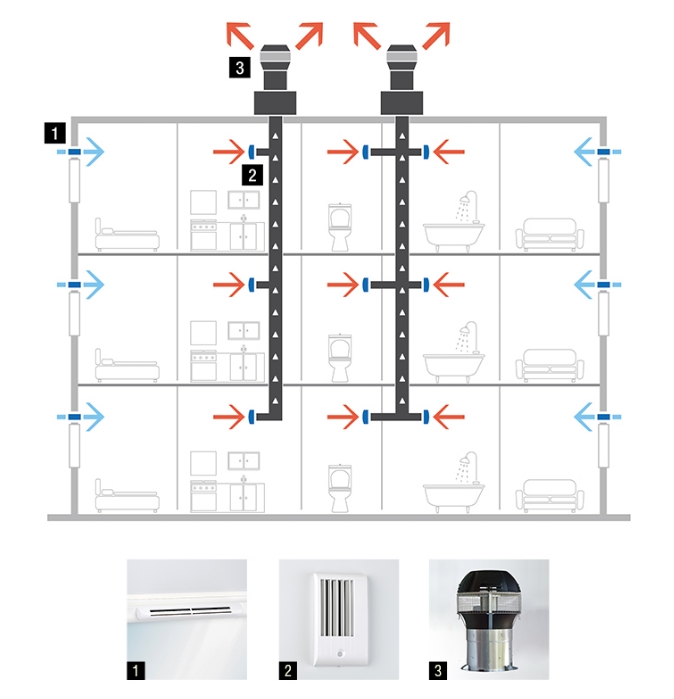
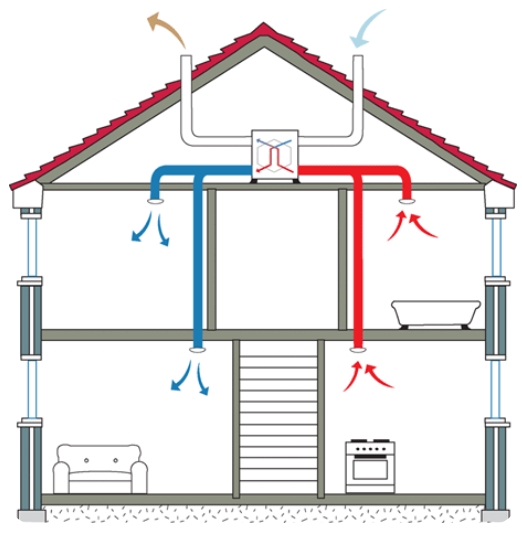
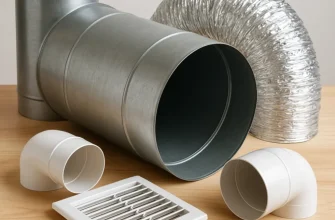
The natural ventilation system consists of a series of ducts that remove stale air from each room of the apartment into a common duct. The forced-air and heat-recovery systems are additionally equipped with mechanical components:
- An air valve that prevents spontaneous circulation of a non-operating system;
- Inlet filter element;
- Recuperator of circulating air masses;
- Duct fan that supplies air through air ducts;
- Noise absorber for operating mechanisms.
The type and number of units are determined by engineering calculations for each apartment. To improve the functionality and performance of the ventilation system, the following are used:
- protective grilles to prevent debris from entering the channels;
- air flow distributors to regulate circulation;
- fan speed controllers;
- recuperator regulators;
- Corrugated air ducts for smooth, complex turns;
- soundproofed air ducts;
- Electronic sensors for monitoring the system's operation.
We invite you to learn more about fan speed controllers — about their purpose, connection diagrams, how to assemble them yourself, ratings of top models, etc.
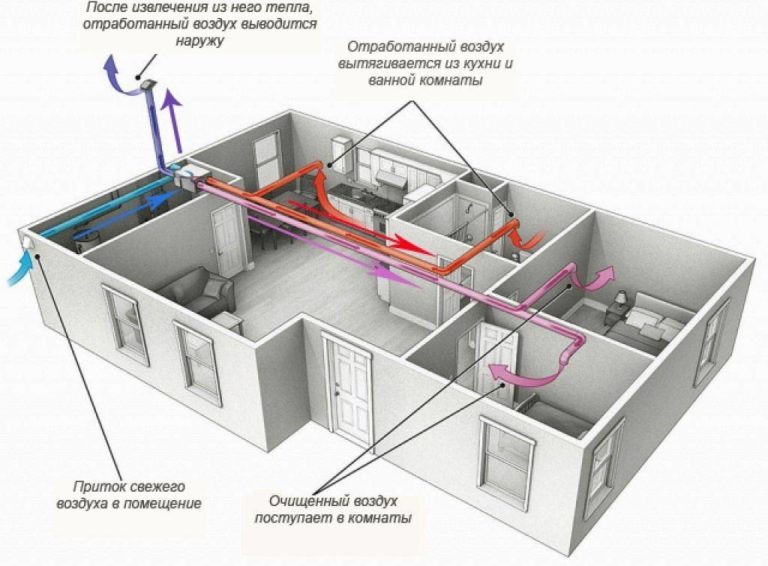 Common domestic ventilation systems in apartments are typically equipped with a ducted fan, filter, and valve. If the exhaust air is heavily polluted, for environmental safety reasons, the exhaust air is also routed outside through a filter.
Features of supply ventilation with filtration
We consider outdoor air fresh, but it's hardly clean in large cities. To avoid breathing in hazardous pollutants, I recommend installing ventilation with filtration in your apartment. The type of filter element is determined by its efficiency class and specialization.
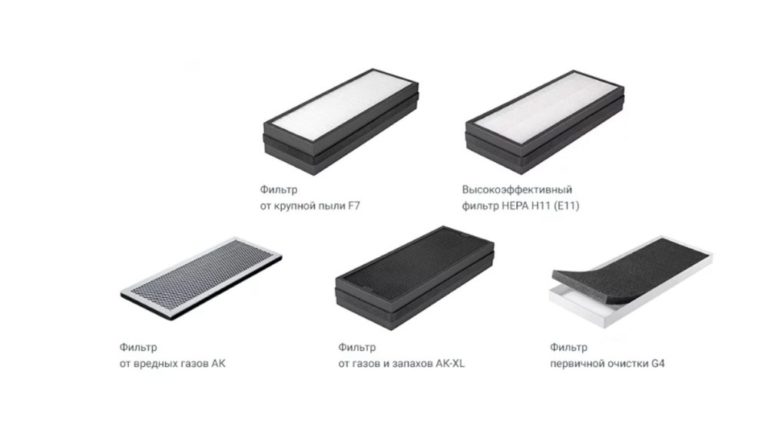 Wind-blown small debris such as leaves, bird feathers, and other large particles are captured by the grilles on the inlet vents. They pose no significant hazard. The only harmful particles are regular and small dust particles, plant spores, pollen, and other organic pollutants.
Car exhaust gases, heavy metals, and chemical impurities in the air are particularly dangerous. To neutralize each type of pollutant and unpleasant odor, a filter must be installed on the inlet air duct.
Ventilation standards and calculations
According to SP 54.13330.2016, clean air must be supplied to the apartment's living rooms and kitchen. Exhaust air must be exhausted from the adjacent bathroom, kitchen, separate toilet, and bathroom.
At a professional level, we calculate air exchange taking into account pollutant filtration, the amount of heat removed, and other factors. For everyday calculations, I recommend using simple formulas and generally accepted standards.
The total air volume exchanged in a room per unit of time is called the air exchange rate. The standard for an apartment is 100% air exchange in one room per hour. However, the air exchange rate may vary for different types of rooms. It's best to use tabular data for calculations.
 In addition to multiplicity, you can use the room's square footage and air volumetric standards in your calculations. To measure each room's parameters, multiply the height by the width and length. Furniture and other furnishings are not considered obstacles that steal usable space.
According to established standards per 1 m3 3 m of living room required3 clean air. Determine the ventilation capacity by multiplying the standard value by the pre-calculated room parameter.
There are sanitary and hygienic standards, for compliance with which other calculations are provided. Ensure that each person permanently residing in the apartment receives 60 m3 air per hour. Reduce the indicator for temporarily staying people to 20 m3/hour. If the apartment has both permanent and temporary residents, increase the standard to 80 m3/hour.
How to install a ventilation system in your apartment yourself
Don't take on the calculations and installation of complex ventilation systems. You can assemble a simple system in an apartment with a ventilation unit yourself. To create an independent ventilation system, draw a diagram of the air ducts, indicating their location in each room of the apartment.
Create an estimate with a list of materials needed for installation. Once the calculations are complete and the parts are purchased, begin work:
- Attach the air ducts according to the diagram. Punch through-holes in the walls where needed for the supply and exhaust ducts.
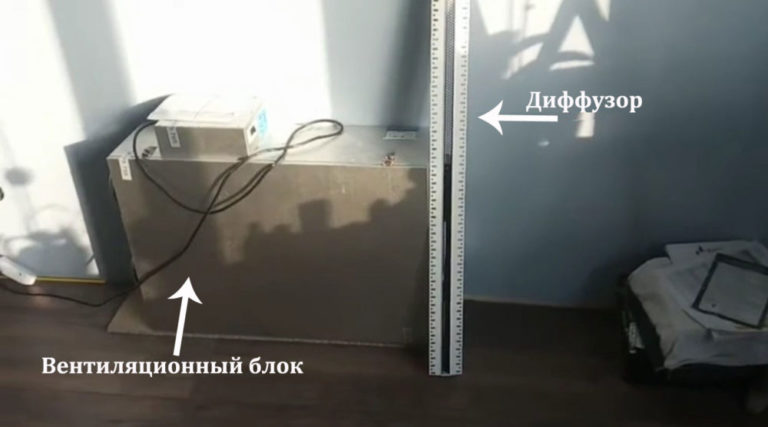
- Prepare the diffuser and its mounting location on the drywall ceiling box where the ventilation duct will be hidden. From the main equipment, prepare the heart of the system—the ventilation unit—for installation.
- Prepare the muffler for installation. The unit will dampen the sound of the unit operating and prevent noise from spreading throughout the living areas.
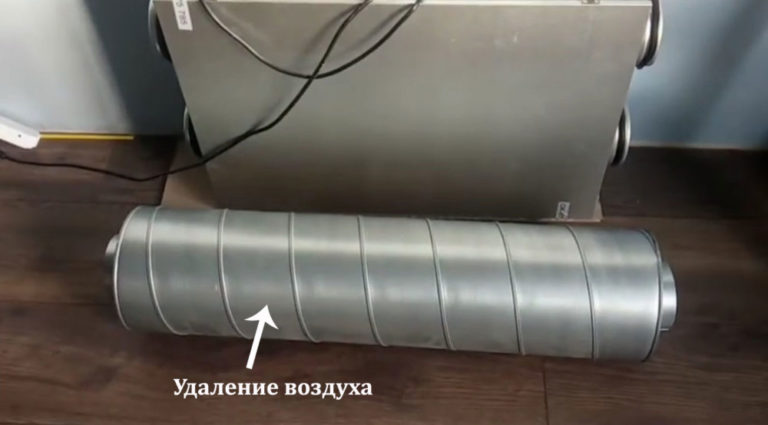
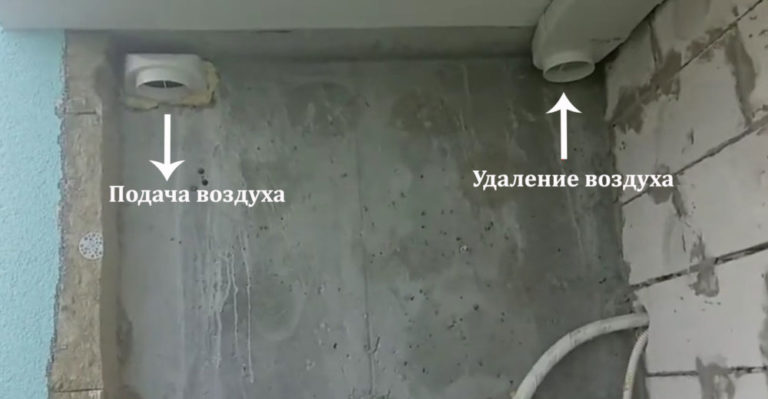
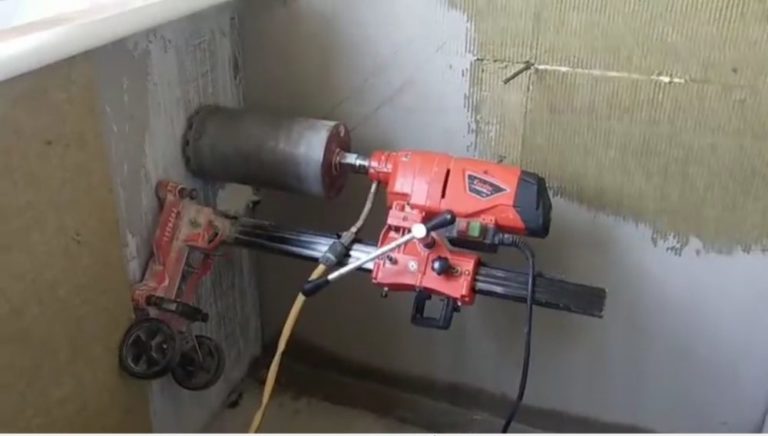
- Drill two holes in the load-bearing wall for the outlet ducts to which you will connect the ventilation unit.
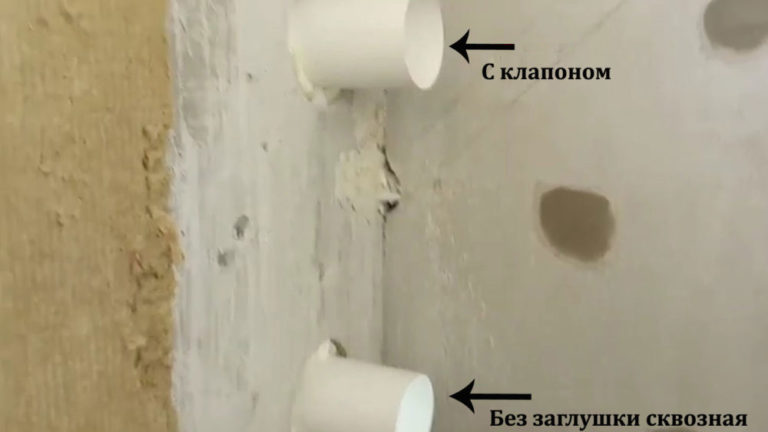
- Insert a pipe with a valve into the upper hole, and into the lower hole without a plug, with an open outlet to the street.
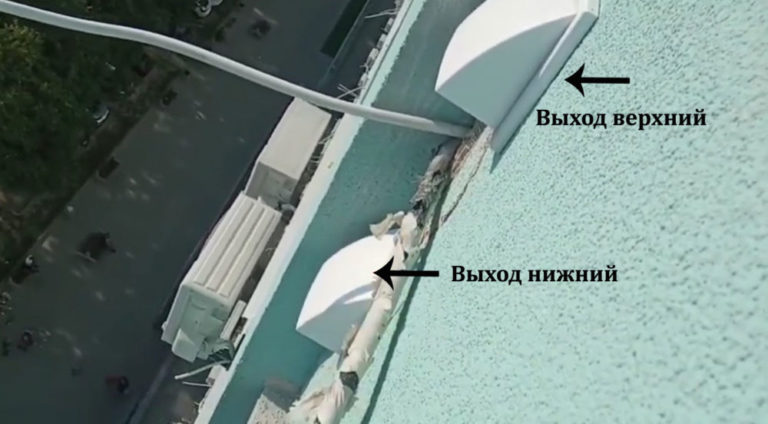
- From the street side, install protective caps on the pipes that have been brought out.
- Install the ventilation unit. Connect its outlets with corrugated tubing to the outside pipes, muffler, and internal air ducts.
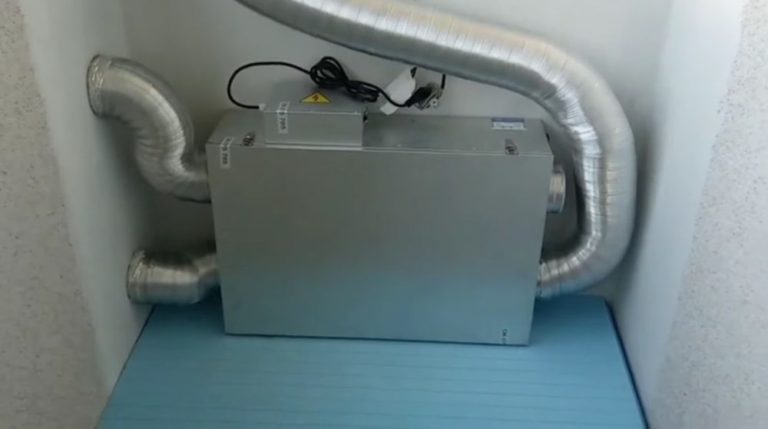
After connecting all components, test the system's functionality in test mode. Try automatically adjusting the ventilation unit's modes and setting the desired parameters.
What ventilation problems may arise and how to solve them
Like all utility systems in an apartment, ventilation systems require periodic maintenance and operational checks. Management companies are slow to fulfill their obligations.
The apartment owner must take care of their property and the health of all family members. It's time to take immediate action if you notice the following signs:
- High indoor humidity. You can measure this with a hygrometer, but you don't always have one at home. The problem is easy to spot by external signs. High humidity can manifest itself as mold growth on wall corners and blackening of wallpaper. In winter, window panes fog up profusely.
- There's a lack of oxygen in the apartment, and an excess of carbon dioxide. A gas analyzer is needed to measure this, but not everyone has one. You can identify the problem by observing labored breathing in every family member living in the apartment.
Why is there a draft coming from the ventilation system into the apartment?
A disruption to air circulation creates a serious problem: drafts from the vents into the room. This backdraft effect occurs for two main reasons:
- There is no air flow in a sealed room.
- The apartment owner thoughtlessly installed additional fans in the air ducts.
There are a number of secondary reasons why air exchange deteriorates or back draft appears:
- in summer the temperature inside the apartment is lower than outside;
- The ventilation ducts were contaminated with debris or had crumbled due to long-term use.
- due to the lack of a canopy on the exhaust pipe, the channel was flooded with rain or covered with snow;
- In winter, due to the lack of thermal insulation of air ducts, cold air at the mouth of the channel contributes to the formation of condensation with subsequent freezing of moisture;
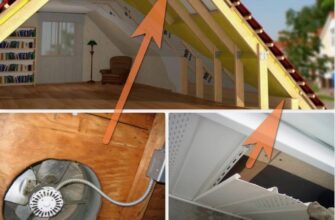
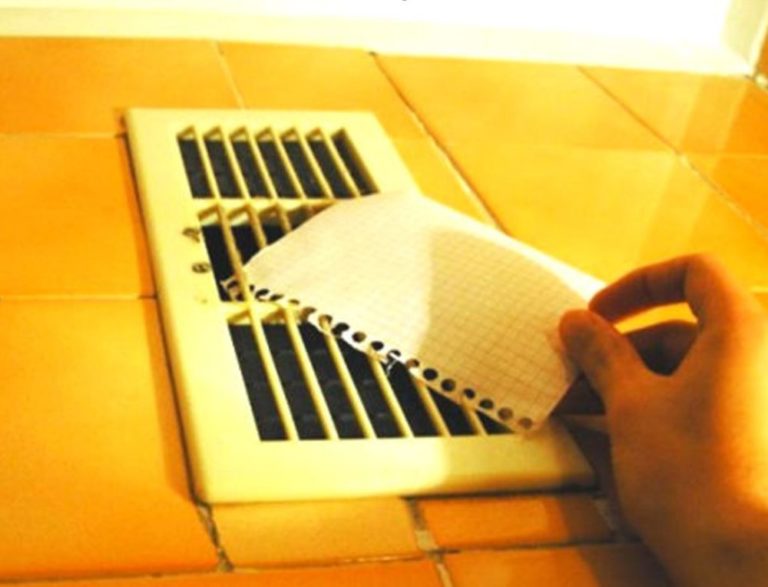
Check for draft with a piece of paper or a lighter flame from inside the room. These will stick to the decorative grille near the exhaust vent. If draft is weak or absent, contact your apartment building's maintenance company to identify and correct the cause.
Is it possible to clean ventilation ducts yourself?
You can clean the independent ventilation ducts you installed yourself by disassembling the system into individual components. Replace any worn ducts and equipment.
I don't recommend cleaning the ducts of the building's ventilation system, despite numerous online recommendations. The shafts are heavily contaminated with dust and bacteria. Harmful insects and rodents live inside. Improper duct cleaning can result in contamination of the living space, infection from pest bites, or contact with bacteria.
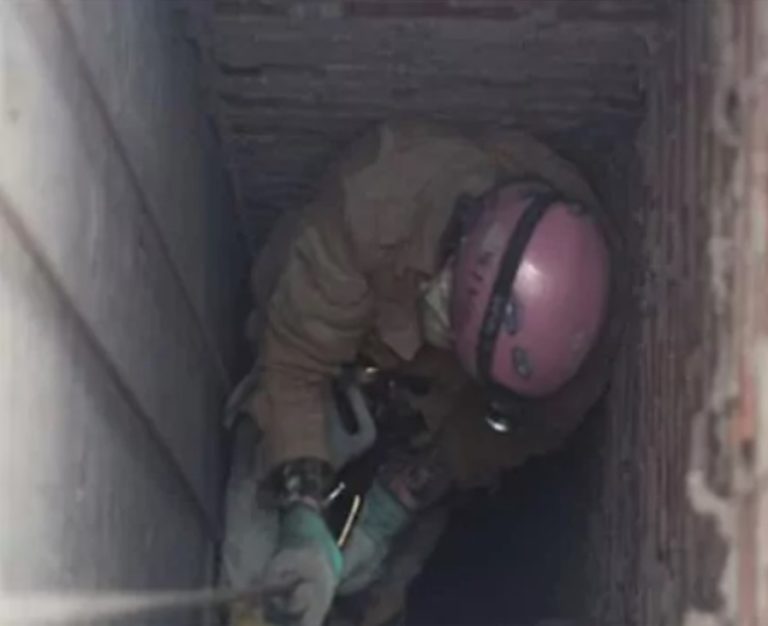
Blockages or collapses in the shaft walls can occur at great depths. You won't be able to solve the problem with primitive devices. If you decide to change the shaft configuration to improve draft, you'll face administrative penalties from the maintenance company for unauthorized actions.
Ventilation ducts are common property. Contact your management company to have them cleaned.
I'll debunk 3 myths to sum it up.
For precise hole preparation, don't use a hammer drill. Use a diamond core drill.
The air inlet in the wall can be made with an outlet under the cladding or through the window slope, but entrust this work to specialists.
Consult a professional to determine if drilling is feasible. A smaller diameter hole may be possible. If drilling is not feasible, install a supply air valve in a convenient location instead of a ducted system.