Supply ventilation is an engineering system that brings fresh air from outside into a building. Multifunctional units can also purify and heat the incoming air.
The simplest supply ventilation in an apartment is set up by cutting the seals on PVC windows or by inserting a local supply vent into a through hole in the wall.
You can install an air conditioner in the room with the function of supplying air from the street or install a window adjustable air valve.
- Why install supply ventilation in an apartment?
- What is included in supply ventilation?
- Classification of supply ventilation
- Options for implementing an inflow in an apartment: pros and cons
- Organizing the inflow by cutting window seals
- Organization of air flow through a supply valve on the window
- Organization of inflow through a through hole in the wall
- Organization of air flow by installing an air conditioner with an air supply function
- Step-by-step instructions for installing a supply air valve into a wall
- Video materials
- Answers to frequently asked questions
Why install supply ventilation in an apartment?
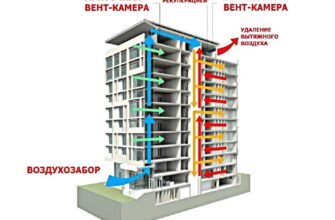
Apartment buildings are equipped with a common ventilation duct, but it is insufficient to ensure proper ventilation within the apartments. The utility lines serve as exhaust ducts.
The building's common duct exhausts air contaminated with carbon dioxide and other harmful impurities. The air diverted from the building must be replaced with fresh air.
The supply of air is ensured by a supply ventilation system, the installation of which must be ensured by the apartment owner.
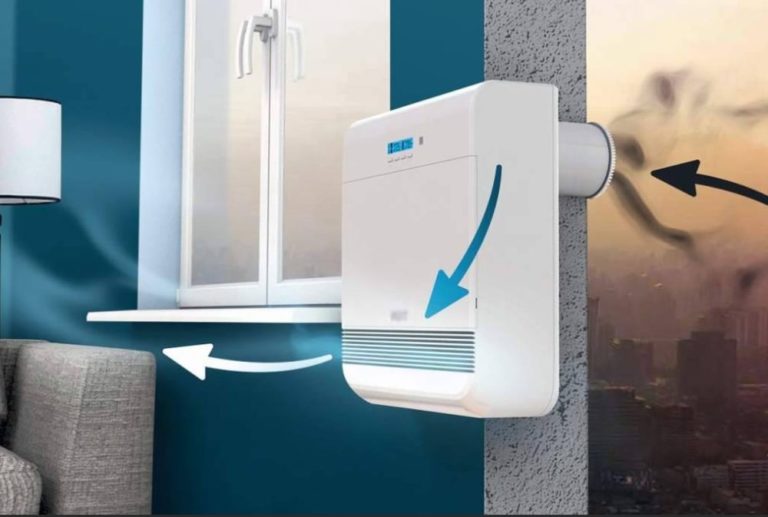
Why is it important to install a supply utility network?
- When the range hood is running and there is no outside air supply, there is no air exchange inside the room. The exhaust unit operates idle. Carbon dioxide, moisture vapor, and unpleasant odors remain inside the room.
- The lack of fresh air intake leads to increased carbon dioxide concentrations in the apartment. Residents' general health deteriorates, breathing becomes difficult, and cardiovascular and nervous system problems become more frequent.
- If the system isn't working, the accumulated moisture vapor creates a favorable microclimate for mold growth. Fungal spores are dangerous to humans. Mold destroys finishes, wooden building components, and furniture.
Apartment owners provide a temporary supply of fresh air through ventilation, but in winter, heat escapes through the open window.
To avoid heat loss and ensure air exchange, it is reasonable to install a supply engineering system.
What is included in supply ventilation?
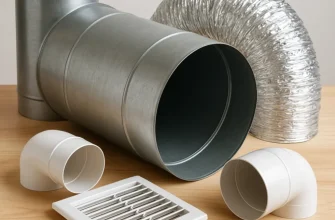
If you're thinking about building a ventilation system yourself but aren't sure what one looks like, let's start with the basics. The design of a utility network depends on its type. Let's list all the components that can be part of the system:
What to choose - diffuser or anemostat, what are the differences between the devices.
Recuperators can be equipped with a filter, humidifier, fans, and other components to improve the quality of air exchange.
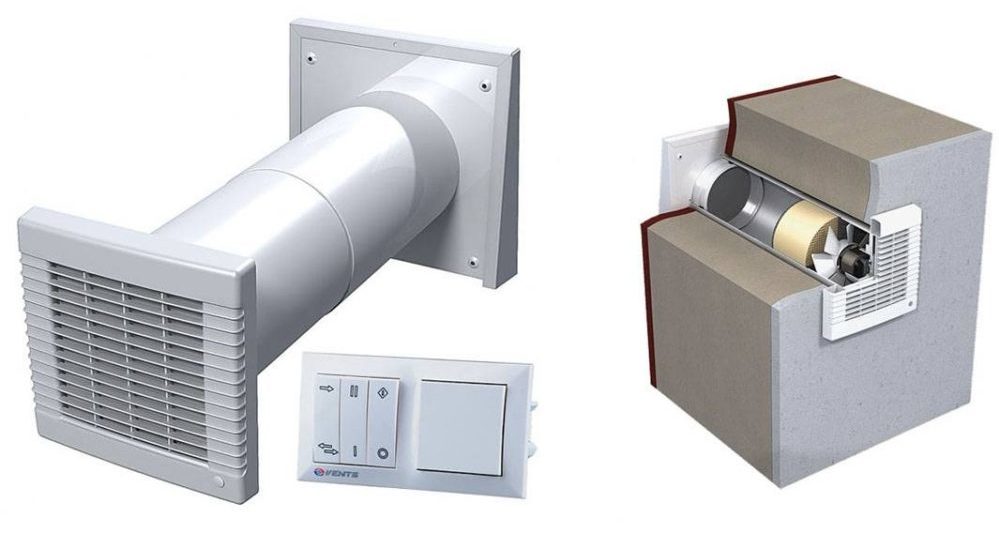
To determine which structural element is needed for supply ventilation in your apartment, let's look at the different types of engineering systems.
Classification of supply ventilation
To professionally organize the air flow into your apartment, design the ventilation system taking into account the performance and rules for assembling a utility network with a specific operating principle.
Classification by device diagram:
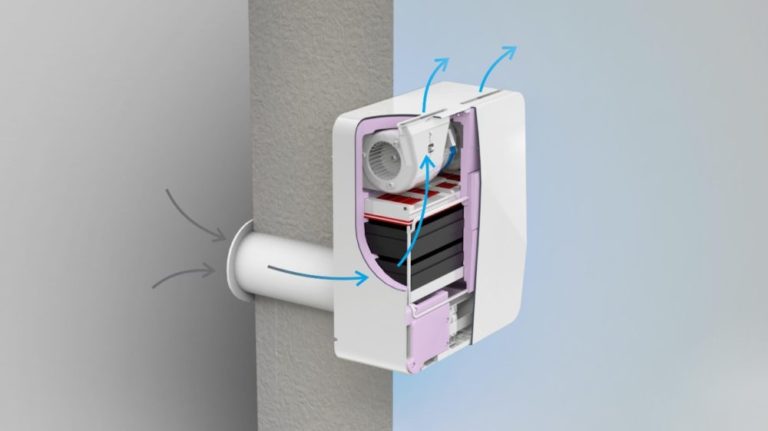
- Ductless ventilation does not have ducts running throughout the apartment. An intake vent is installed to supply local air to a single room.
Airflow into other rooms of the apartment can pass through gaps in the lower part of the door. This system is easy to implement yourself by installing a ventilator, a breezer, or supply valve.
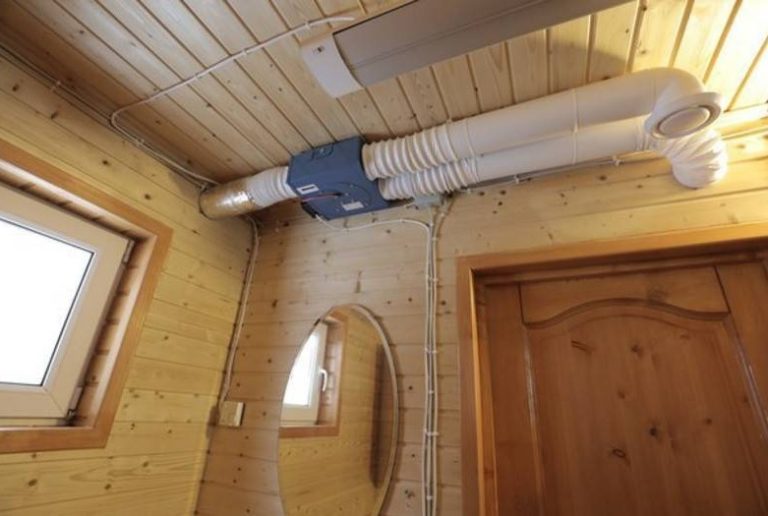
- Duct ventilation consists of a series of round or rectangular air ducts. The ducts from the supply unit are routed under the finishing elements to the rooms where air is needed.
A duct system is more difficult to implement on your own due to the need for precise calculations, installation of air ducts and auxiliary equipment.
Engineering systems can be designed as monoblock or prefabricated. Monoblock systems are ready-to-install units. The manufacturer has designed the ventilation functions and components, enclosing the elements within a single housing.
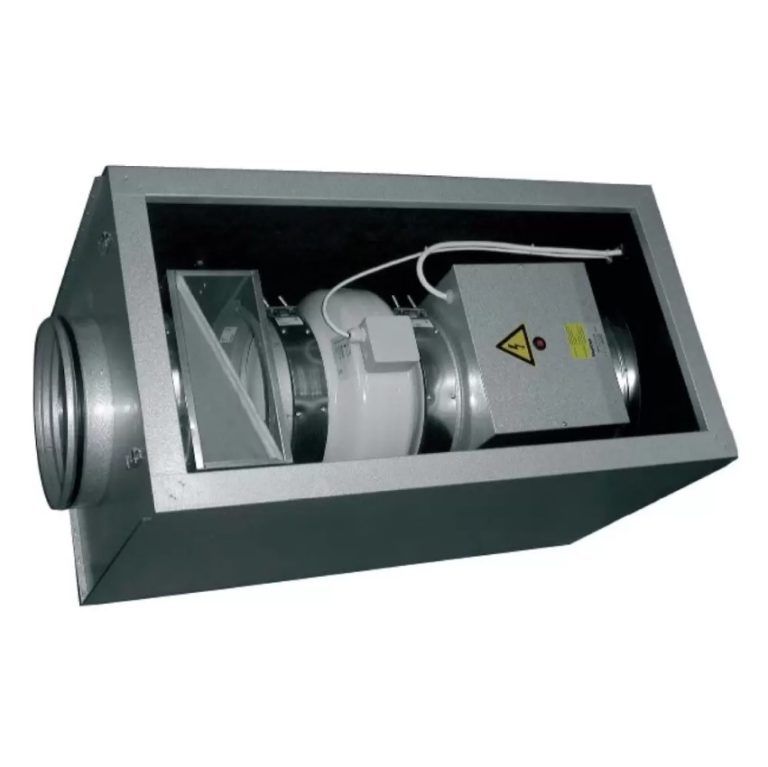
Classification by air supply method:
- Natural ventilation is based on air movement due to temperature and pressure differences. The utility system is electrically unconnected, simplifying installation and maintenance and reducing the cost of ventilation.
A disadvantage is their dependence on natural factors. Air inlets must be installed on the apartment walls facing the wind, which is not always possible due to the specific layout of apartment buildings. A lack of wind impairs the air inlet. When the temperature outside is warmer than inside, a backdraft occurs.
- Forced air intake relies on fans mechanically drawing air from outside into the apartment. The ventilation operates regardless of weather conditions. Its disadvantages include difficulty in installation and maintenance, as well as energy consumption.
Depending on the quality of the supplied air, forced-air ventilation in an apartment can include filtration, heating, cooling, dehumidification, or humidification. The user sets the parameters for these functions on the electronic control unit.
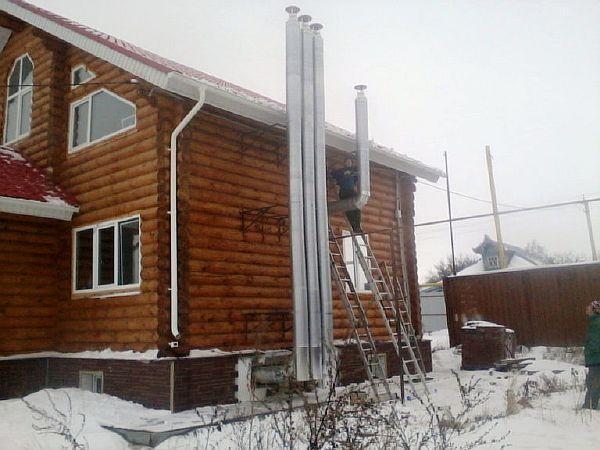
Forced ventilation systems are classified by performance. Recommendations for selecting duct ventilation based on the number of rooms in the apartment and the air supply volume:
- For one- and two-room apartments, ventilation that supplies air at 200-350 m is recommended.3/hour;
- For apartments with three or more rooms, ventilation that supplies air at 350-500 m is recommended.3/hour.
We suggest using it online calculator for calculating ventilation performance.
Options for implementing an inflow in an apartment: pros and cons
Based on the complexity of the idea, we will highlight two ways to install supply ventilation in your own apartment: do it yourself or use the services of hired specialists.
You can organize the air supply yourself by cutting window seals, installing an air valve on the frame, or cutting in a supply unit through a through hole in the wall.
You will have to contact hired specialists if you want to install an air conditioner with an air supply function.
After installing any of the above types of air inlets, check the ventilation system for proper operation. A strip of paper attached to the common house exhaust duct should be drawn inward by the air flow. A sheet of paper from the supply duct will be deflected by the air flow.
Organizing the inflow by cutting window seals
A popular method for creating an inflow vent for free is to trim the PVC window seals with a knife. This idea can be implemented on a frame with a transom window. The key to this method is the PVC profile design, where the manufacturer has incorporated air chambers.
On the exterior side, there are two drainage slots, initially covered with plastic plugs. Remove the decorative parts by prying them off with a screwdriver. Use a knife to cut off the 5 cm long rubber seal at the top of the opening sash.
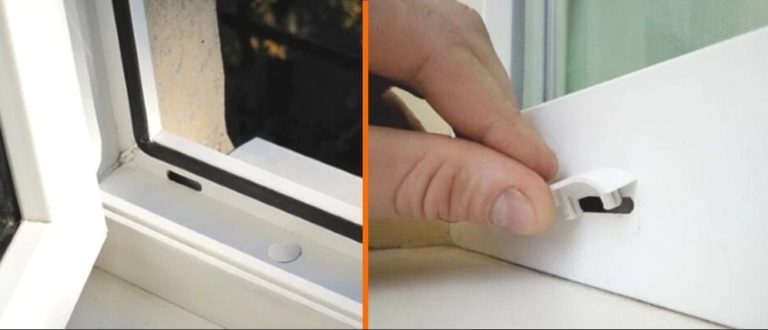
Ventilation works by circulating air through the profile chambers. Air from the street enters through the slit freed from the plug. Air enters the apartment through the gap created by the trimmed seal.
The air flow passing through the chambers warms up in winter, which has little effect on heat loss.
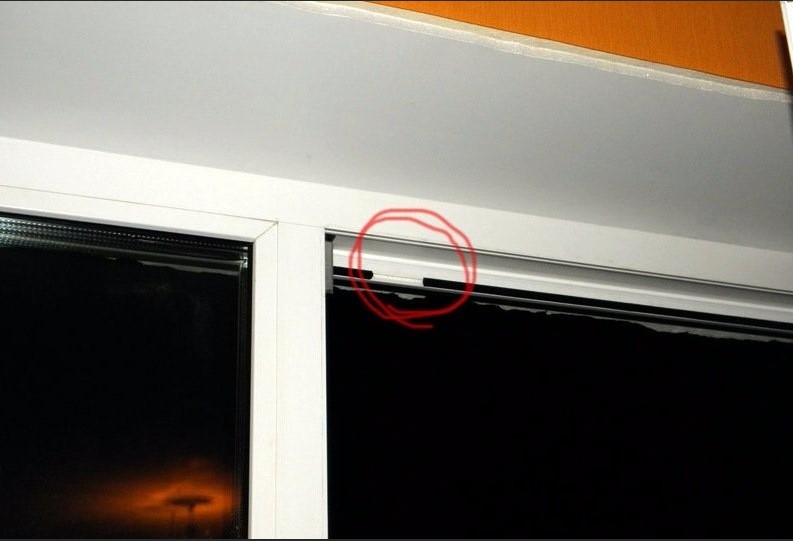
Disadvantages of the folk method:
- it is impossible to implement the idea on fixed windows without a transom;
- the volume of incoming air cannot be regulated;
- Insects penetrate into the profile chambers through the open drainage slot in the summer;
- Due to weak draft in summer, the air flow stops.
Plus ventilation – no capital investment required. The idea can be implemented on one window in 5-10 minutes.
Organization of air flow through a supply valve on the window
The ventilation setup is similar to the traditional method of creating an inflow, but without removing the drain plugs or cutting the seal. Install a window vent with a valve. Depending on the design and installation location, there are two types of plastic devices with an adjustable damper:
- A valve for a fixed window. Drill a hole through the PVC profile for the vent. Install a protective cover on the outside of the hole. Attach a cover with a regulating damper to the frame on the apartment side.
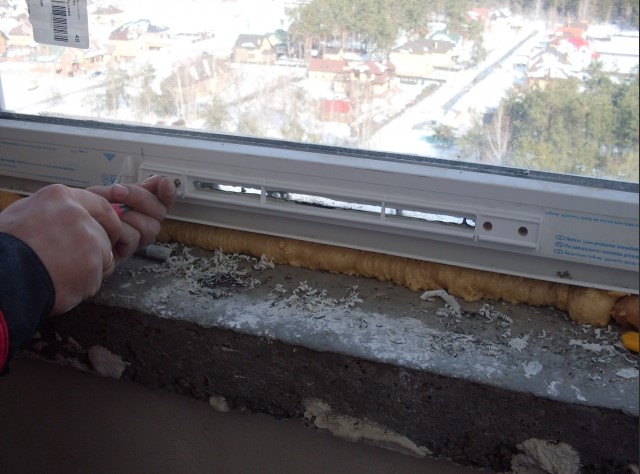
- Valve for an opening sash. Install the ventilator on the inside of the frame without drilling the profile. Instead of rubber sealing, use the material included with the air supply unit.
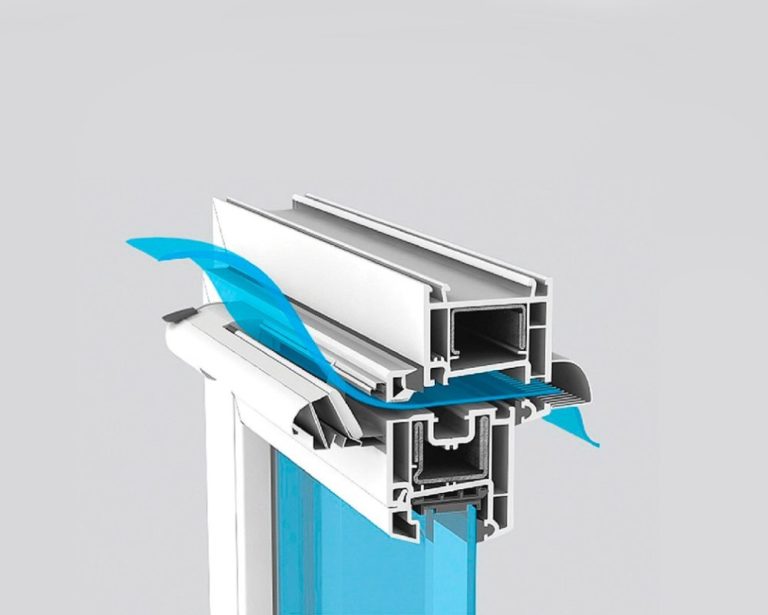
Window valves work in apartments with good exhaust ventilation. The manufacturer promises a supply air flow of 30 m3.3/hour. The actual figure will be 25 m3/hour. Fresh air supply is sufficient for one person, but not enough for the entire apartment.
It's important to consider the number of people living in the room. When 5-6 people are in the same room at the same time, installing the appropriate number of window valves is unrealistic.
Disadvantages of window ventilators:
- it is impossible to install the valve on a frame that is more than half covered by the upper slope;
- Ventilators are ineffective for apartments with high ceilings;
- The intensity of the natural inflow depends on the strength and direction of the wind.
Compared to a trimmed rubber band, the ventilator has an adjustable damper, which is a plus. The valve is inexpensive and easy to install yourself.
Organization of inflow through a through hole in the wall
Achieve full air flow by installing a ventilation valve through a through-hole in the wall. DIY installation is possible, but drilling into reinforced concrete can be challenging. If you lack the tools and experience, consider hiring a professional.
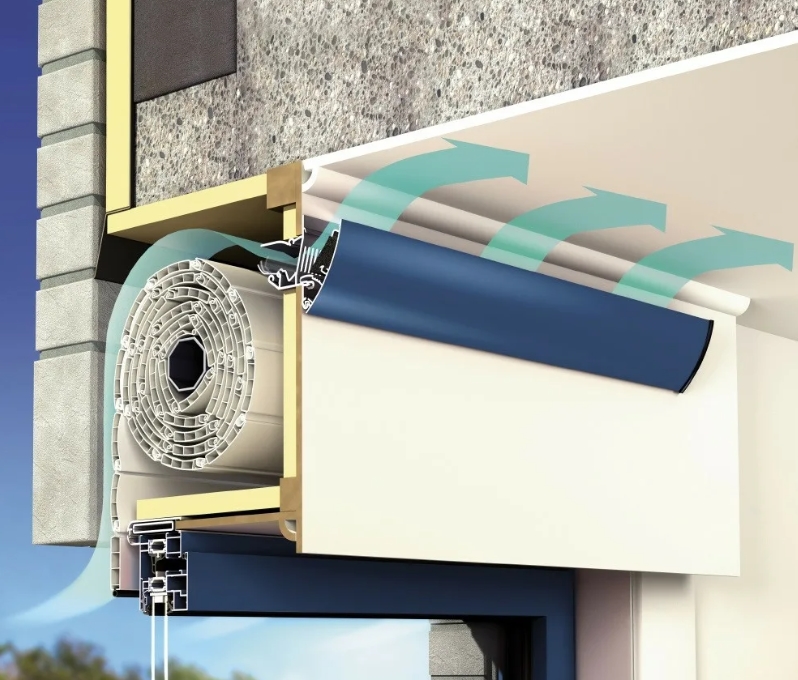
The natural ventilation valve consists of the following units:
- an air duct in the form of a piece of pipe with a diameter of 60-150 mm;
- mosquito net with a decorative grille for installation on the channel from the street side;
- air flow control damper;
- Air filter with a heat-insulating seal and a distribution grille for installation inside the apartment.
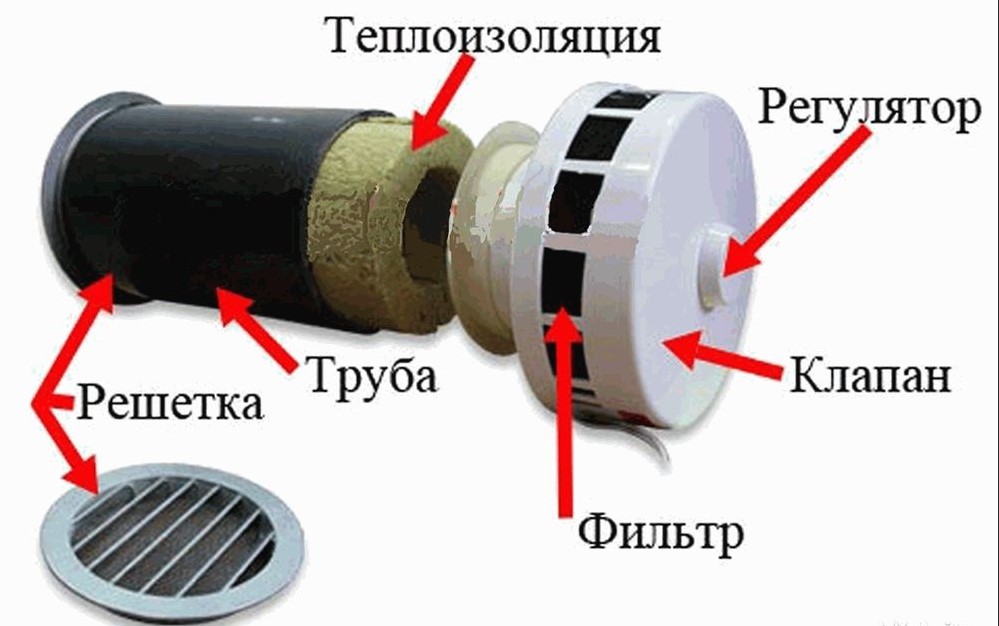
Advantages of natural inflow through a wall valve:
- inexpensive equipment for arranging supply ventilation;
- Suitable for a small apartment with standard ceiling height, where a supply of 35-90 m is sufficient3/hour of fresh air;
- the incoming flow is cleaned by a filter;
- there is no tendency for freezing and condensation to form in winter;
- natural inflow is organized without the consumption of electricity.
The disadvantages include the inconvenience of manual adjustment of the damper and the lack of the ability to heat the supply air in winter.
Forced ventilation valve (Breezer - find out what it is) is equipped with a fan. Models with an air heater and other functions are also available. Reversible, rotary, and cross-flow heat exchangers have been developed for advanced ventilation systems for large apartments.
Advantages of forced air supply equipment:
- automatic operation and control;
- step-by-step cleaning of flows;
- Possibility of control via remote control or smartphone;
- monitoring of the ambient air condition using sensors;
- the presence of additional functions that improve air quality.
The disadvantages include the difficulty of installation by yourself, high cost, and energy consumption.
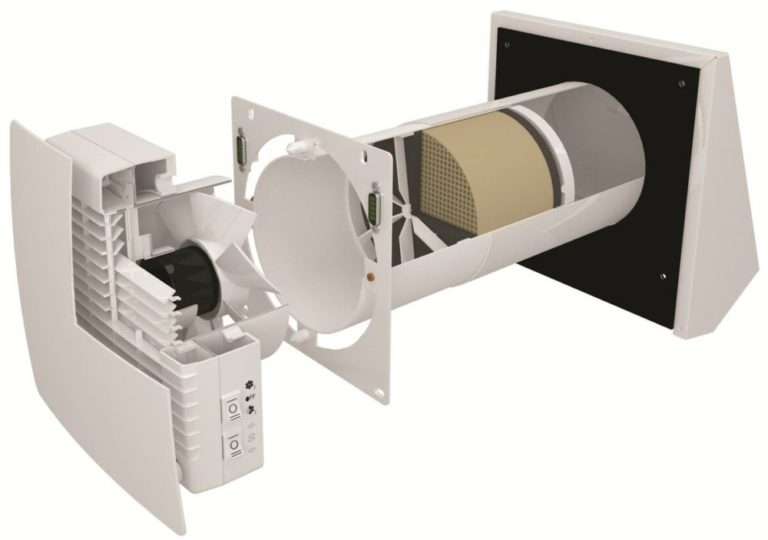
Organization of air flow by installing an air conditioner with an air supply function
Modern split systems can not only cool and heat a room but also provide fresh air from outside. These units are equipped with an additional fan installed inside the air conditioner housing.
Fresh air sucked in from the street is supplied to the apartment through a separate pipe up to 1 meter long, laid through the wall.

Advantages of a split system:
- the incoming flow is filtered, heated or cooled;
- the volume of incoming air is regulated;
- The forced inflow works regardless of weather conditions, wind strength and direction.
Disadvantages include the high cost of split systems and the impossibility of DIY installation. A faulty air conditioner will not provide airflow. The additional fan is noisy. Filters need frequent cleaning to prevent rapid clogging.
Step-by-step instructions for installing a supply air valve into a wall
Installing a supply ventilation system in an apartment is simple if you have the tools and know-how. To install a wall valve through a through-hole yourself, you'll need a hammer drill with a core drill bit and a drilling function.
Let's look at the detailed installation algorithm:
- Before installing the supply valve, make sure the common house exhaust duct is working. Place a sheet of paper against the vent. Open the window to temporarily provide airflow. A sheet of paper stuck to the vent indicates a draft in the ventilation system.
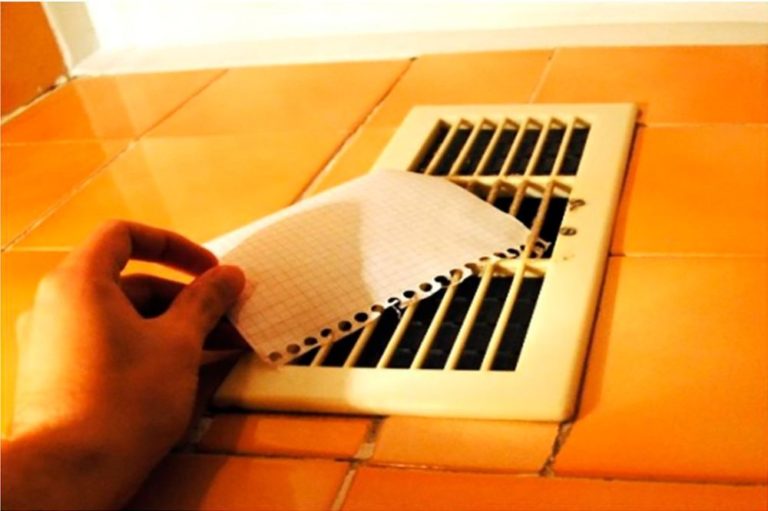
- Prepare the tools for drilling into the wall. You'll need a drill, a hammer drill, a hammer, a chisel, and a set of concrete drill bits with a diamond core bit.
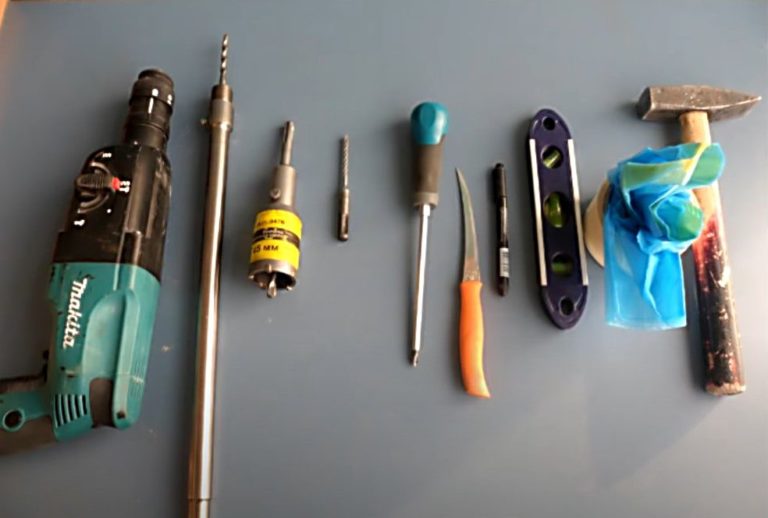
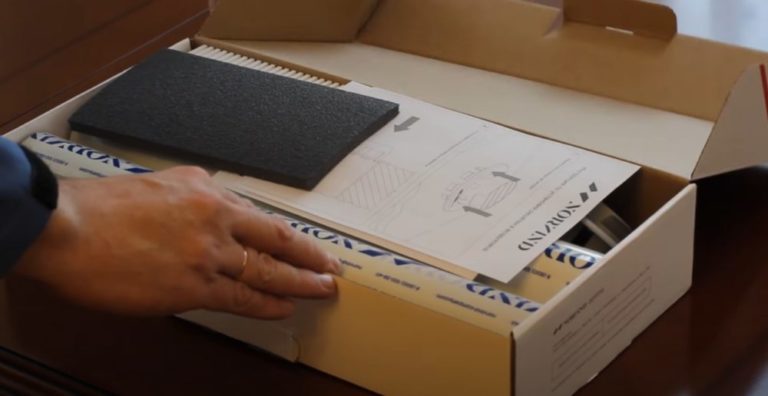
- Unpack the valve from its original packaging. Read the instructions carefully. Check that all parts are included.
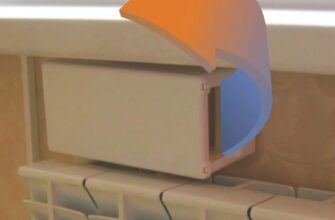
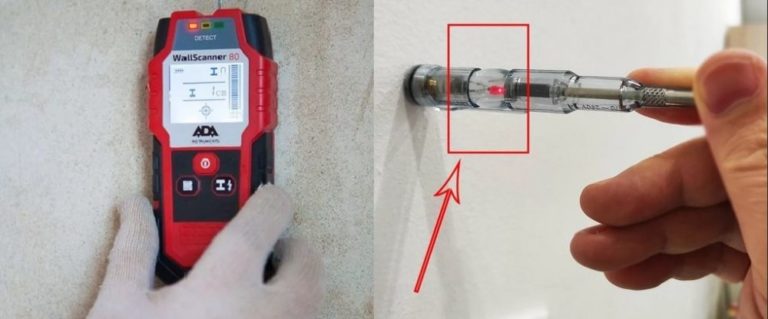
- The optimal location for the valve installation in an apartment is between the windowsill and the radiator. In winter, the air coming in from outside will be warmed by the heat from the radiator. Check the installation area for fittings and wiring using a digital detector.
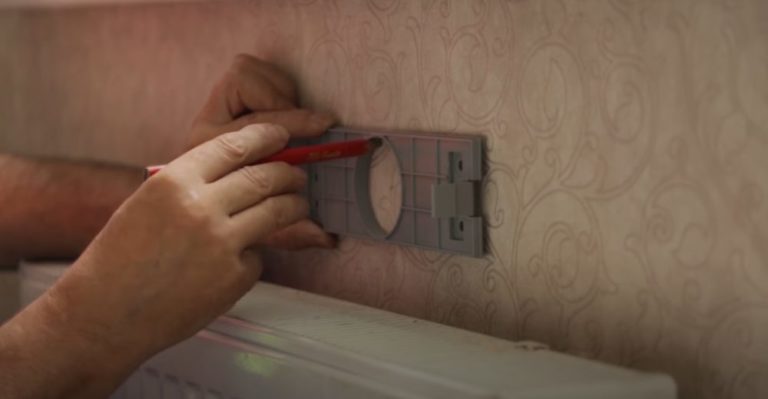
- On a section of the wall free of fittings and wiring, mark the drilling hole. Place the valve body on the wall and trace the outline with a pencil or marker.
- Place a plastic bag over the radiator over the drilling site to catch most of the debris. To prevent dust from spreading throughout the apartment, attach a vacuum hose to the radiator. Point the suction port toward the drilling site.
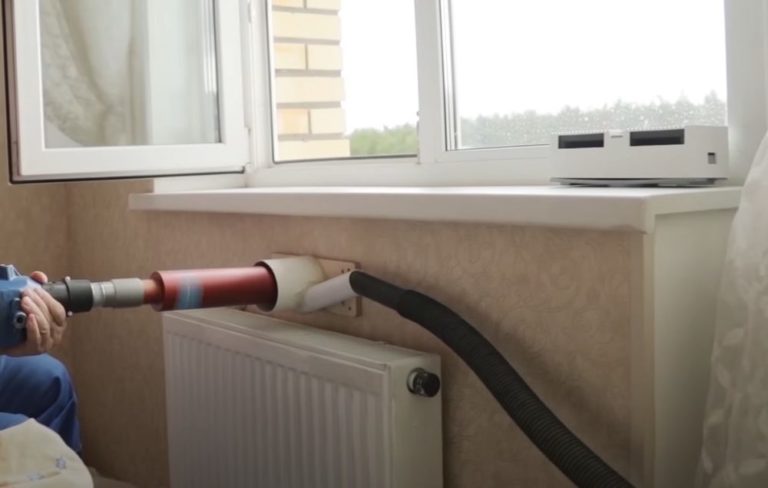
- A hole saw won't penetrate a thick wall. After drilling to a depth of 70 mm, remove the cut-out concrete piece from the hole. Use a chisel and hammer to make a notch in the center of the hole. Continue drilling with a hammer drill and a concrete drill bit.
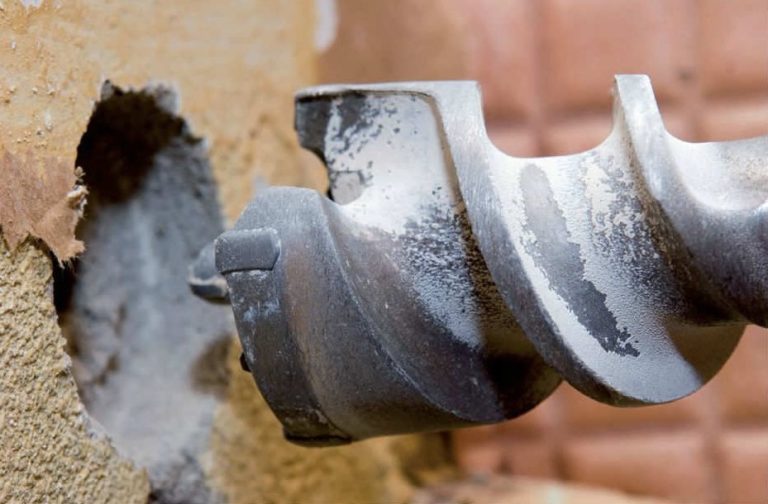
- Remove dust from inside the drilled through hole using a vacuum cleaner.
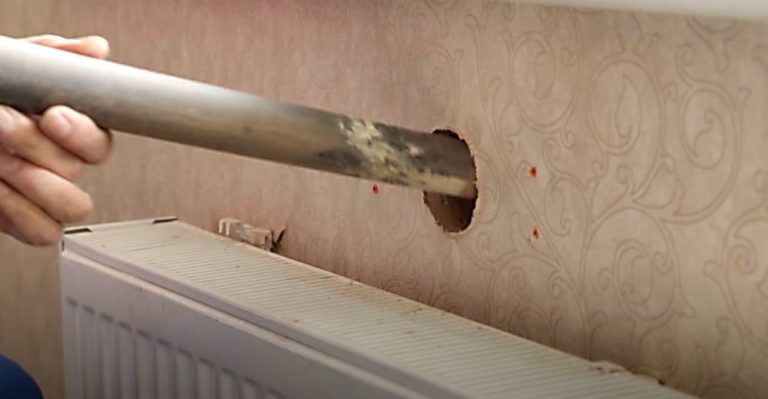
- The air inlet unit comes with a sealing insert. Insert the shaped element into the prepared opening. Use a knife to trim off any excess sealing material.
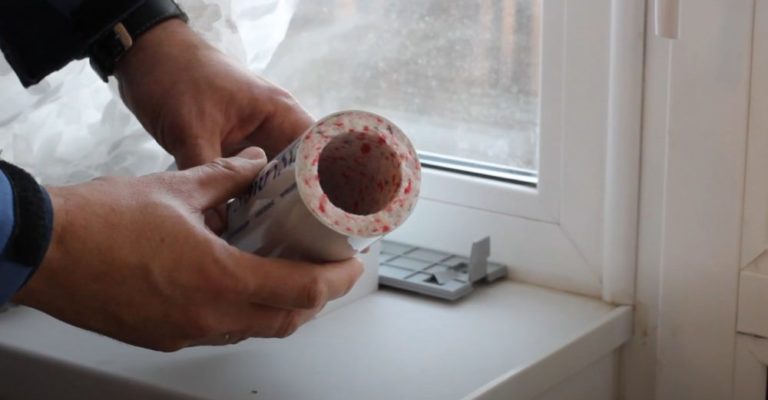
- Attach the included duct tube with a cut-to-length shaped seal and insert it into the prepared opening. Cover the duct with a grate on the outside.
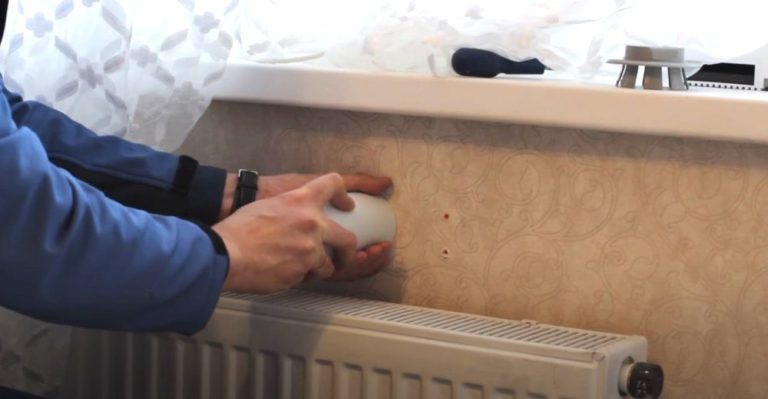
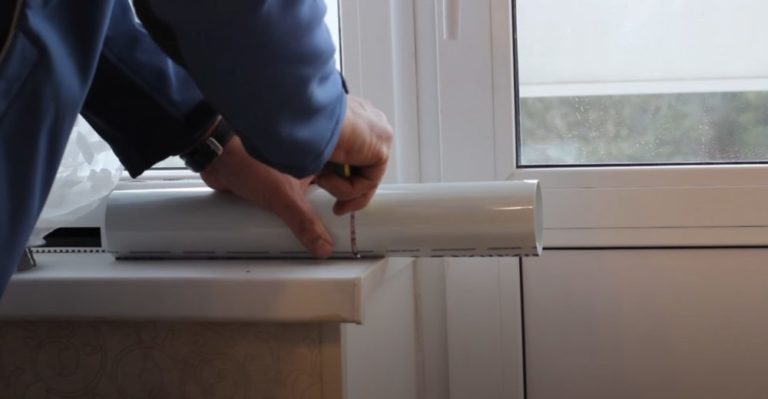
- Use a knife to cut off the portion of the air duct tube protruding into the apartment. Leave a 1 cm allowance at the wall.
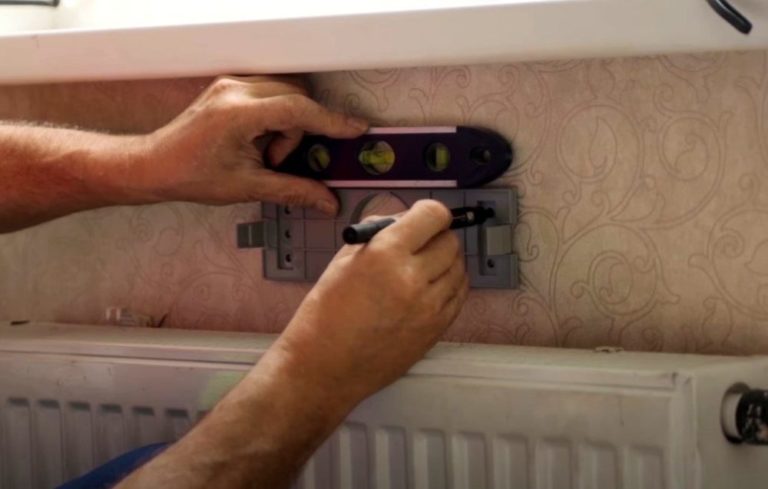
- Place the valve body against the opening with the protruding edge of the air duct. Align it with a level and mark the mounting holes.
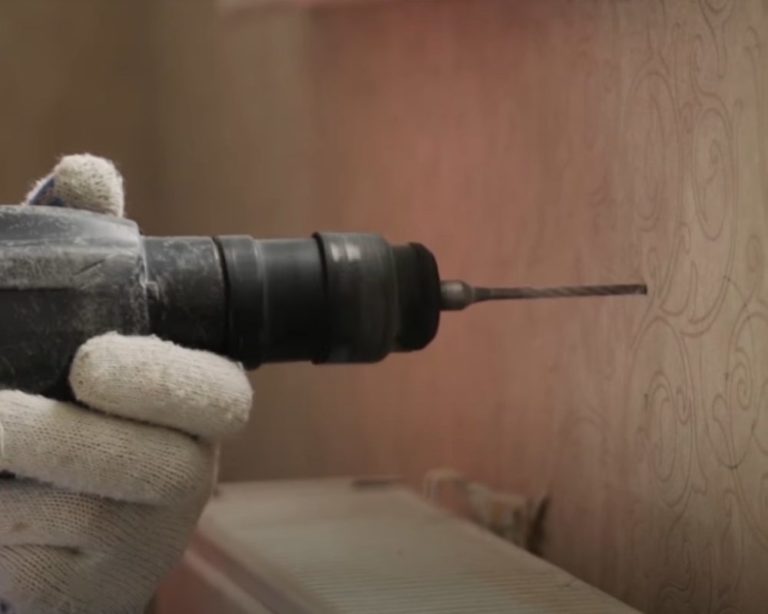
- Drill holes for mounting the valve body according to the markings.
- Insert plastic dowels into the prepared holes. Secure the housing with screws.
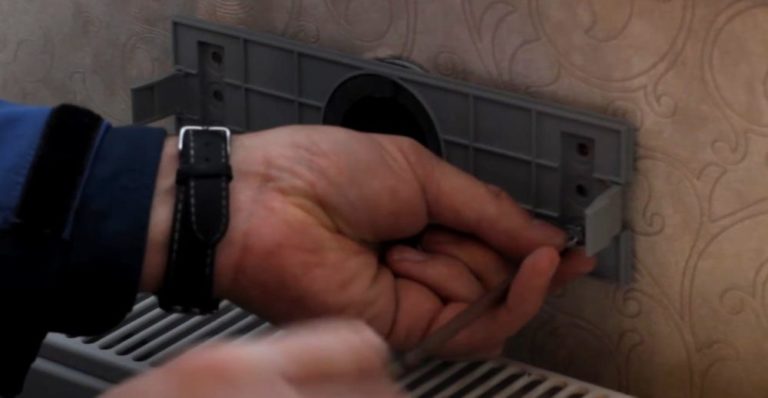
- Install the filter and other valve components into the housing.
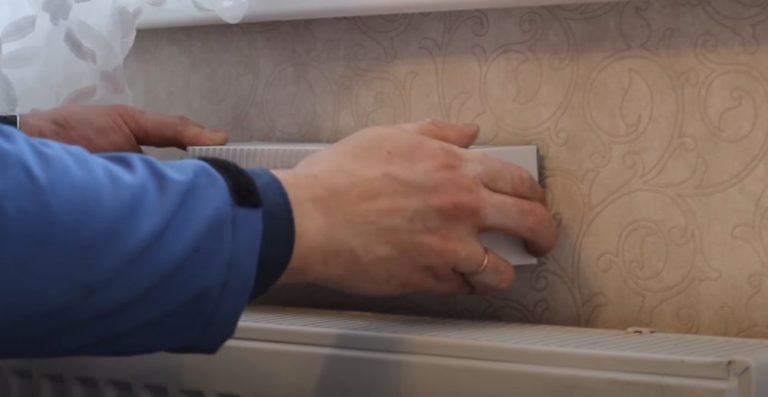
- Check the assembled valve for proper operation. Hold a burning candle to the opening with the damper. The flame should be deflected into the apartment by the incoming air flow.
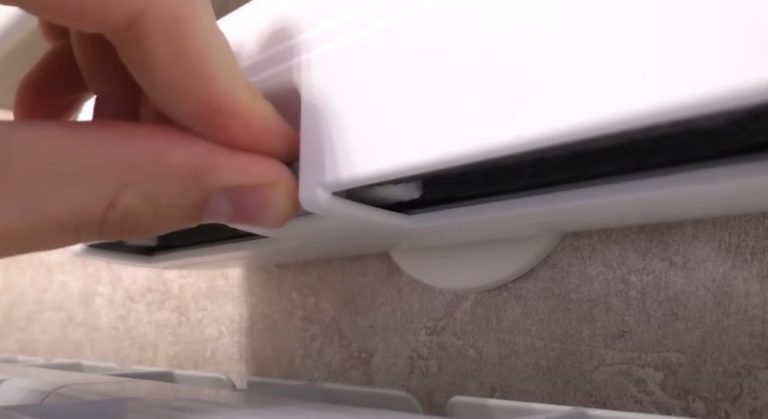
The forced-air supply valve is installed using a similar principle. Additional steps will involve wiring the fan.
When choosing a valve for an apartment, keep in mind the air flow rate of the air supply unit. The air flow rate per person should be: 30 m3 per bedroom3/hour, kitchen – 60-90 m3/hour, bathroom – 25-50 m3/hour. Find the standards from tables available online.
Video materials
Answers to frequently asked questions
Through the supply ventilation, fresh air from the street enters the room.
Supply ventilation can be ducted or ductless, forced-draft with a fan, or natural. By design, ventilation can be either modular or monoblock.
Depending on the air quality, the system can have filtration, humidification, dehumidification, heating or cooling.
The recuperator combines the supply and exhaust air in its housing and serves for heat exchange between the supply and exhaust air flows from the room.
An apartment can be equipped with a supply, exhaust, or combined supply and exhaust ventilation system. Ventilation can be natural, forced, or mixed, ducted or ductless.
The system for an apartment is either autonomous or connected to a common house channel.
The fan forcibly draws air from the street or removes air from the room.