Supply ventilation is an engineering system designed to force fresh air into a room.
In this article, we'll explore what supply ventilation is in a private home, how it works, its technical characteristics, what components it consists of, which supply ventilation system to choose, and whether it can be installed yourself.
- What is the principle of supply ventilation?
- Technical characteristics of the air supply
- What operating units are included in the supply ventilation equipment?
- Monoblock
- Duct supply ventilation
- Pros and cons of supply ventilation
- Air exchange standards, calculations of supply ventilation performance
- Where to allocate a suitable location for installing the supply unit
- Which air vent to choose? Top 5 popular models
- How to install supply ventilation in a private home
- In conclusion, brief answers to pressing questions
- Video materials
What is the principle of supply ventilation?
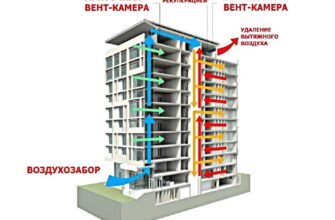
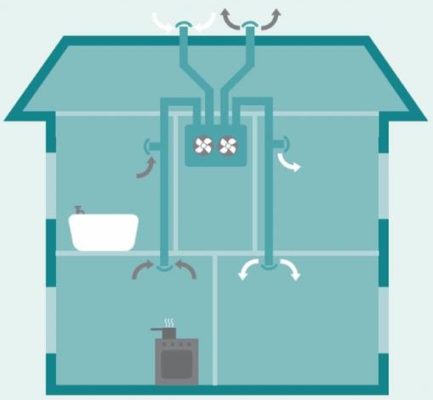
To gain a full understanding of how supply ventilation works, I'll briefly explain the operating principles of other types of ventilation systems. A complete supply and exhaust ventilation system is one in which air exchange occurs through the supply of fresh air and the removal of stale air through ducts.
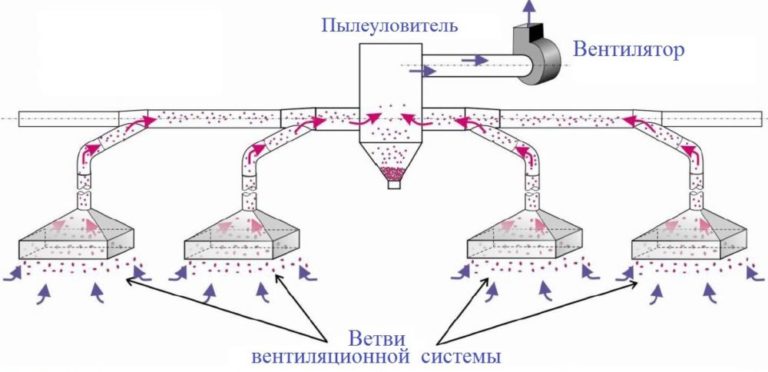
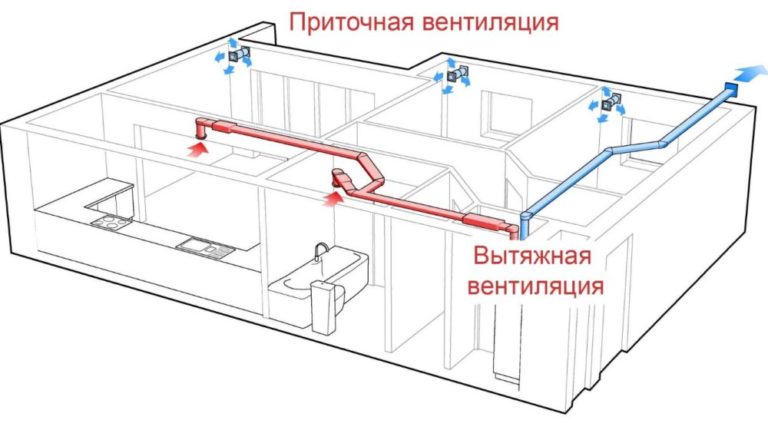 An exhaust system is designed to remove air from a room. However, air exchange is impossible without the introduction of new air. This air flow occurs through cracks, open windows, or doors.
The supply air system is designed to bring fresh air from outside into the building. But where does the stale air go? The exhaust air is removed through cracks, common ducts, and kitchen hoods.
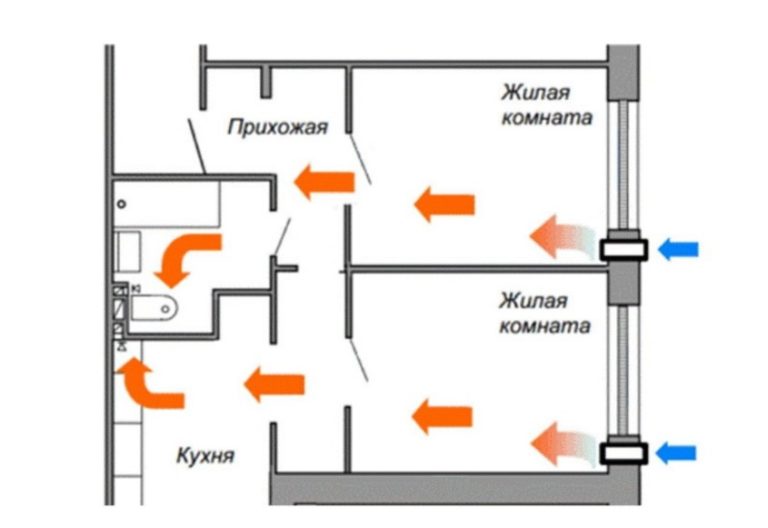
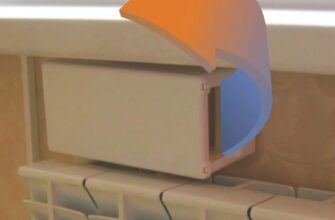
An open window vent is the simplest example of supply ventilation, but in a large private home, natural ventilation does not solve the problem of adequate air exchange.
Modern sealing of buildings, installation of energy-saving double-glazed windows and insulation of facades with polystyrene foam boards hinders the passage of air masses.
Installing an air conditioner with a supply air function partially solves the air renewal problem. The equipment provides air exchange within a single room, but the entire house needs to be covered.
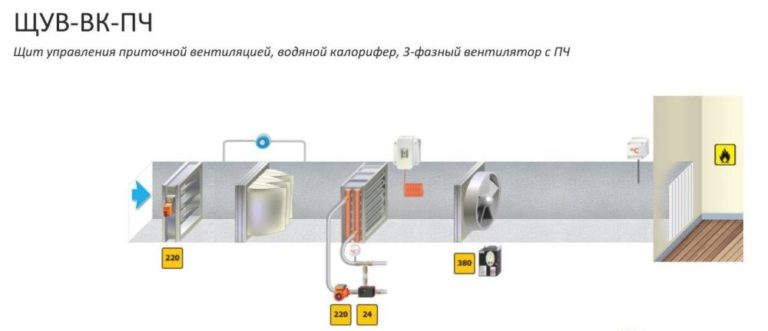
A fully functional mechanical supply ventilation system forces fresh air into all rooms of a private home. The equipment can heat or cool incoming air and filter natural and chemical pollutants.
If the air in the room is dry, this will help to cope with humidifier, find out about benefits and harms, which ones exist types.
Technical characteristics of the air supply
Full ventilation of a private home is possible when the supply air system is properly selected based on technical parameters. This system is more complex than an exhaust system.
We invite you to find out - How to install ventilation in a frame house, which scheme and type of ventilation to choose.
When engineers design ventilation systems, they consider dozens of parameters. For the average user, knowing three characteristics is sufficient:
- Performance – the main characteristic of the supply air system. This indicator is measured in cubic meters of forced air per unit of time. The greater the duct capacity and the power of the forced air fan, the higher the performance. Engineers never select equipment based on forced air volume. Calculations are based on the number of people living in the house, lifestyle, and other household factors.
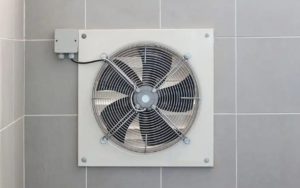
One person needs an air supply of 30 m3/hour. For young people actively involved in sports, the air supply capacity should be increased to 60 m3/hour. Additionally, oxygen is consumed in private homes by heating appliances and gas furnaces. To ensure that the supply air system provides 100% fresh air per unit of time, precise calculations of the equipment's performance are required.
- Heater power – a characteristic responsible for indoor comfort. Cold air coming from the street into a private home cools the rooms. Heat loss increases, heating costs increase. To warm up the air flow, ventilation systems are equipped with a heating device.

Engineers calculate the heater's capacity based on the supply air flow rate. The average temperature during the cold operating week is taken into account. - External static pressure – a characteristic of the air flow pressure generated by a blower fan. The higher the pressure, the longer and more branched the ventilation system can be installed without losing performance at remote points in the system. For a compact single-block supply unit, static pressure determines the range of fresh air discharge into a room in a private home.
Read more about dynamic, full and fan static pressure.
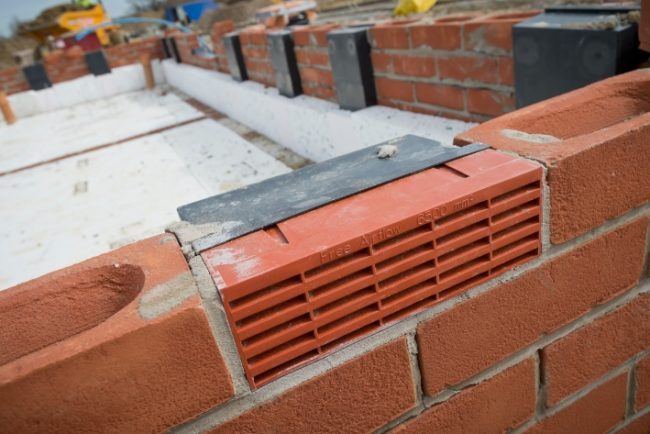
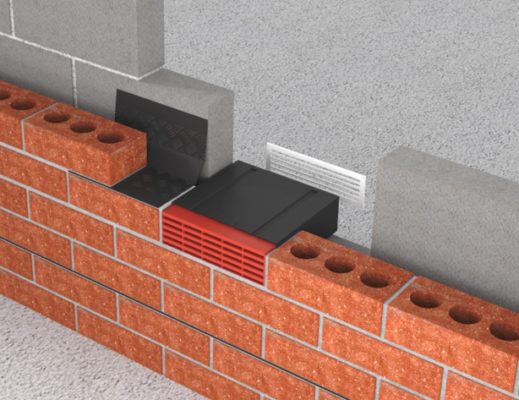
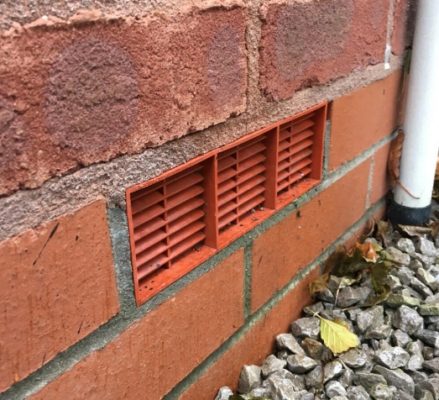
Equipment should not be selected based on specifications that significantly deviate upward or downward. The air handling unit's performance must match the technical specifications of the private home.
What operating units are included in the supply ventilation equipment?
Supply ventilation is a complex piece of equipment, with each component having an operational role. A single fan is insufficient for adequate air exchange in a private home. While the unit will provide sufficient airflow into the room, the quality will not meet sanitary standards or the homeowner's expectations.
The minimum temperature in living rooms is regulated by GOST 30494-2011 and SanPiN 1.2.3685-21. The following standards are established: for corner rooms, +20OC, other rooms +18OC. To maintain the temperature regime, the supply ventilation is equipped with a heater.
Outdoor air is contaminated with dust, bacteria, heavy metals, and allergens. To remove these pollutants, ventilation systems are equipped with a filter.
An operating fan transmits the sound of its motor into the room. The noise of air currents created by rotating blades spreads throughout the rooms of a private home. Extraneous noise from cars and other equipment enters from the street through the intake vent. To eliminate this discomfort, the ventilation system is equipped with a muffler.
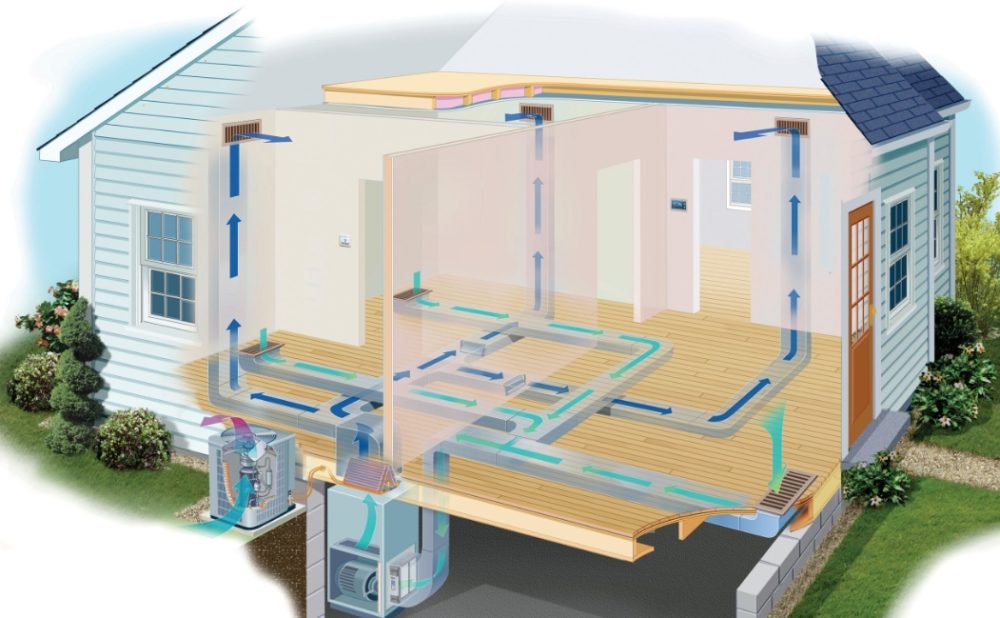
Ventilation operation requires automatic control and manual operation, allowing the user to set desired parameters. The system is equipped with an electronic unit. In addition to automatic control, sensors shut off the fan if the motor overheats to prevent winding fire and equipment failure.
To sum it up, I will list five components that a supply ventilation system should contain:
- A fan that forces air flows.
- Heating unit.
- Filter element.
- Electronic automatic control unit (can be supplemented with a remote control).
- Sound muffler.
Private homes vary in size, number of rooms, and layout. To ensure ventilation in all areas of the usable space, a 5-unit supply air system must be selected according to the appropriate design.
Monoblock
This compact unit is suitable for ventilating a single room in a private home. The system's operating components are integrated into the unit's housing. Its high level of sound insulation allows it to be installed on a balcony or inside a room.
The installation is easy enough for the average user. Follow the instructions to install the all-in-one computer, connect it to the power outlet, and press the "Start" button.
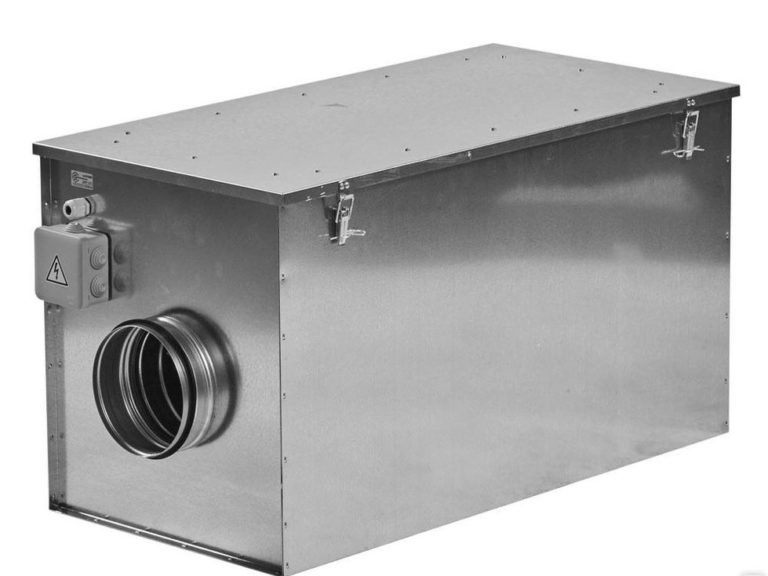
I consider the advantages of a monoblock to be its ease of use and ease of installation without the need for specialists. Among the disadvantages, I consider the incomplete soundproofing of some models. The noise of the unit operating in the room can be heard at night, when it's completely quiet.
The household monoblock is limited to an average performance of 100 m3/hour. The equipment can't be installed throughout a private home. You'll have to purchase multiple units for each room or opt for a multi-channel system. In winter, using an outdoor single-unit air heater can cause ice buildup due to temperature differences.
Duct supply ventilation
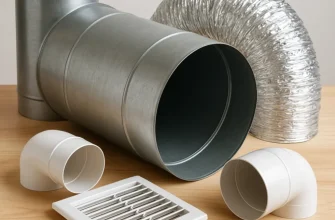
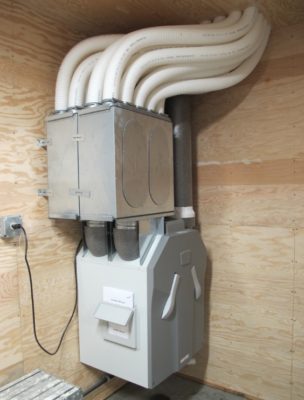
The supply system consists of a single, powerful unit installed throughout the entire home. Ducts run from the supply unit into each room to pump clean air.
The air duct network is typically concealed under the finishing of suspended or stretch ceilings. The ends of the ducts, with openings covered with decorative grilles, are exposed.
Pros and cons of supply ventilation
I consider the advantage of the air-conditioning system to be its stable operation.Air is forced into a private home, regardless of outside weather conditions. The monoblock unit is easy to install yourself. With experience, a ducted system can be installed. Heating the supply air inside the room prevents condensation.
The disadvantages include the following:
- a quality block is expensive;
- air circulation is carried out according to a complex scheme;
- It is advisable to allocate a separate room for a large-sized unit for the entire private house;
- Even with a muffler, the equipment still makes noise;
- Electricity costs are increasing.
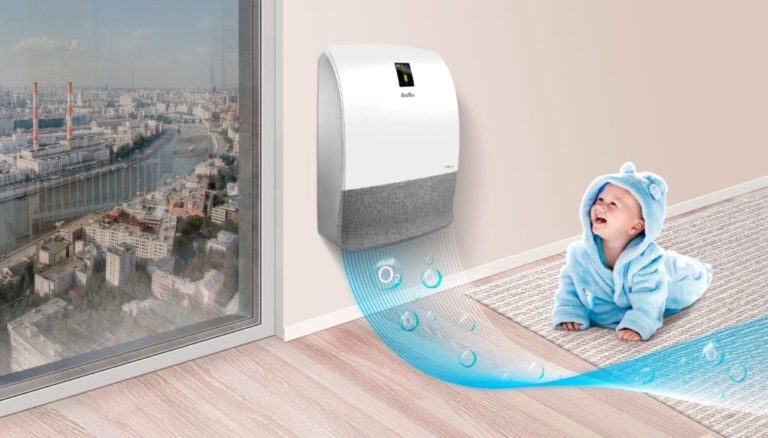
Despite the existing shortcomings, a supply air system with a filter and heating will provide a private home with clean air.
Air exchange standards, calculations of supply ventilation performance
According to SP 55.13330.2011 and SNiP 31-02-2001, residential premises require multiple air changes per hour. The air change rate for non-residential premises is 0.2 m3.3/hour.
The air exchange rate for each room is specified in SP 60.13330.2012 and SNiP 41-01-2003, SP 54.13330.2011 and SNiP 31-01-2003. You can use tabular data or an online calculator for your calculations.
To calculate the number of people in the room yourself, first calculate the area of the room by multiplying its length by its width. Multiply the result by the number of people in the house. Using the SNiP table values, determine the area for a room with a specific purpose.
Example: bedroom area of 12 m2, the number of residents is 2. According to the table, the air exchange rate per person is 3 m3/hour of air. We calculate the total value: 12 x 3 x 2 = 72 m3/hour.
In addition to calculating air exchange, the components of the supply unit must be selected based on parameters. A heater with a power of 3-5 kW is sufficient for a small one-story house. For larger private cottages with two floors, calculations should be performed by an engineer. The difference in air temperatures between the outside and inside the room, the total power of the unit, and the permissible load on the electrical network must be taken into account.
The acoustic power of the supply unit is specified in the technical documentation and is designated as LwA. The values vary depending on the unit's body, inlet, and outlet. If you are installing the unit outside the living room, pay attention only to the LwA value at the outlet.
When installing equipment indoors, noise will travel from the outlet, inlet, and enclosure. Choose models with a minimum LwA value. To reduce noise at the unit's outlet, purchase an additional muffler at least 90 cm long.

Choose electronic controls based on the features you need. Inexpensive electronics include basic temperature and fan speed settings, while more advanced, expensive controls feature a programmer for fine-tuning settings.
More than 5 fan speed modes, fault and filter status monitoring, and smartphone control are provided.
Where to allocate a suitable location for installing the supply unit
Determine the duct layout and installation location of the supply unit based on the house layout. For a ducted system, install the large, single unit in a non-living room to allow for convenient ductwork distribution to all rooms. If installing a small, single unit, allocate space on the floor or under the ceiling.
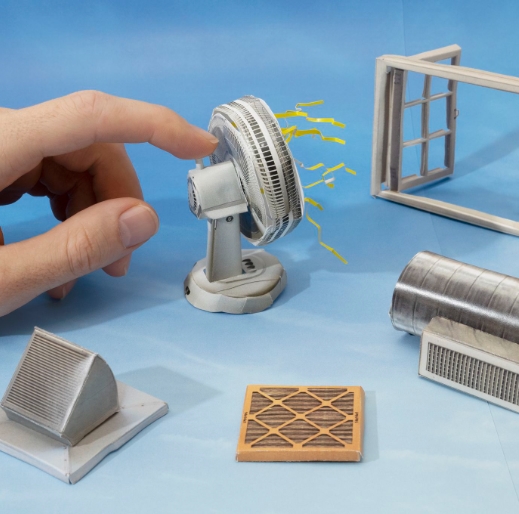
A second-floor balcony on an attic or two-story house is suitable. If there's no space inside the house for the unit, purchase an outdoor air handling unit.
Choose a location that allows for easy access for equipment maintenance. Over time, filters will need to be changed, maintenance performed, and dust accumulations removed.
Which air vent to choose? Top 5 popular models
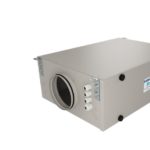
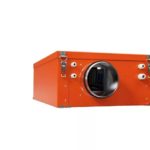
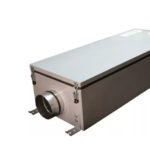
Retail outlets offer a huge selection of air handling units from domestic and international manufacturers. I recommend taking a closer look at these five models.
How to install supply ventilation in a private home
Multi-channel supply ventilation systems for an entire private home are complex to install and calculate. I recommend entrusting the installation to a specialized company. You can install a single-unit unit for a single room yourself. Here's a rough outline of the steps:
- Choose a location in the wall to drill the air inlet. Mark the area with a pencil. You can place the end of the air duct pipe on the wall and trace around its perimeter.

- Drill a through hole at a slight angle along the markings facing the street. A diamond core drill is easiest. If you don't have the equipment, drill adjacent holes along the markings with a drill. Using a chisel and hammer or a hammer drill, carefully remove the concrete.
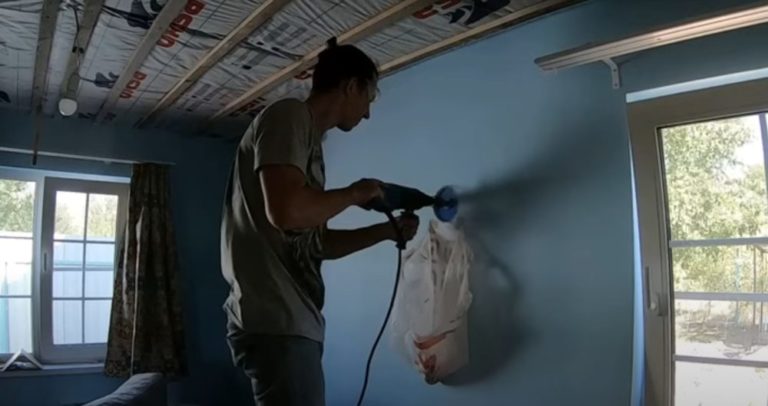
- Insert the air duct into the prepared hole. Cut the pipe to the required length. Secure the air valve.
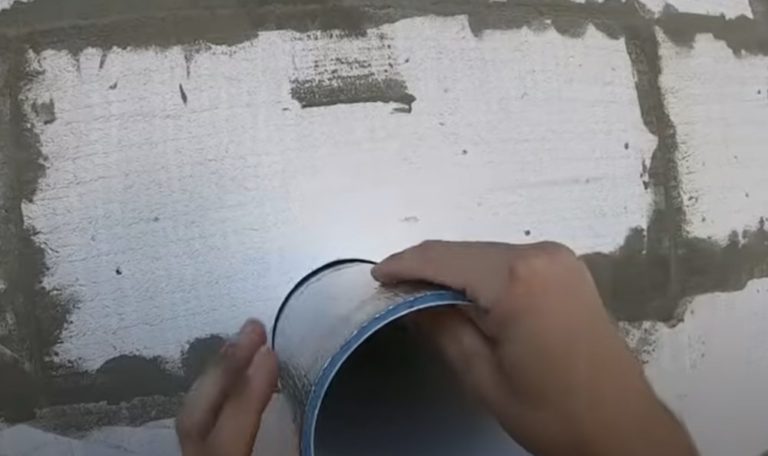
- Seal the gaps around the air duct in the wall with foam. You can also use sealant, silicone, or other sealing compounds.
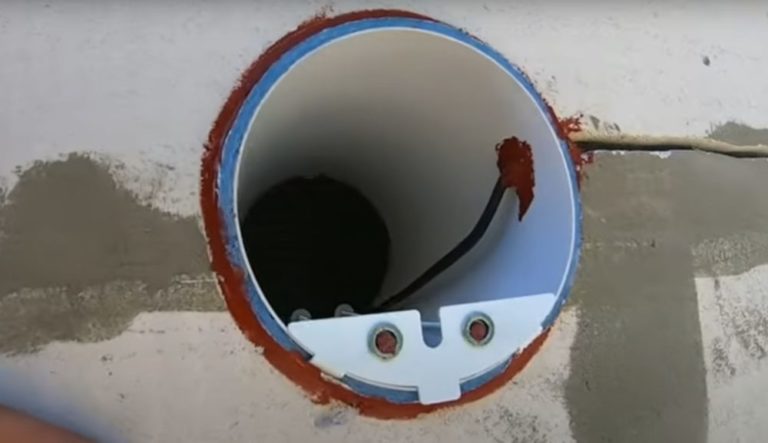
- Follow the instructions to install the supply ventilation unit. Connect it with a flexible hose to the duct with the valve. Install the filter, protective grille, and other components specified by the manufacturer for the specific model.
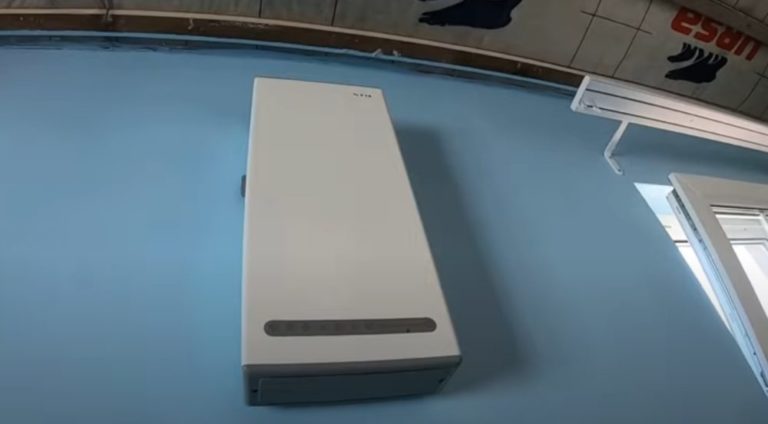
- Connect the electrical wiring to the all-in-one unit. Check the ventilation system for proper operation, and switch fan modes and speeds.
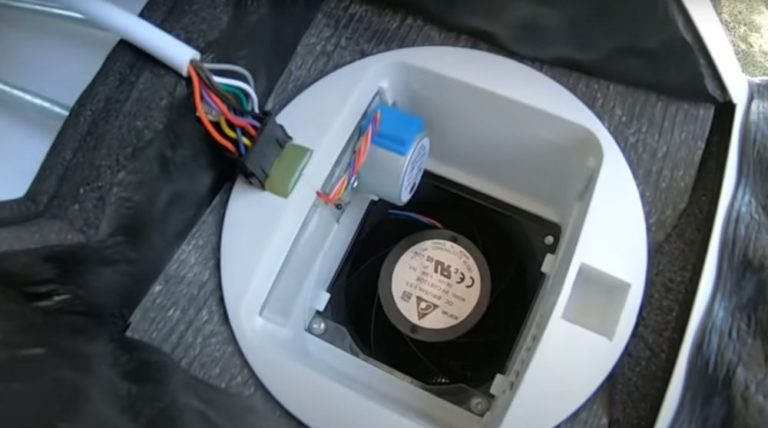
The instructions describe the general procedure for installing an air handling unit. Specific steps may vary depending on the type of equipment being installed.
In conclusion, brief answers to pressing questions
Depending on the type of air movement, ventilation can be forced, natural, or combined. Based on the ventilation system design, it can be supply, exhaust, or both.
Ventilation removes dirty air, excess moisture, and unpleasant odors from the room. The room is enriched with oxygen, improving the microclimate.
Fresh air from outside enters the home through the supply ventilation system. Dirty air is removed through the common duct, the kitchen hood, and cracks in the building's structural elements.
The recuperator combines supply and exhaust, and is capable of heating or cooling air flows.