Electric underfloor heating has become a fixture in our lives, replacing traditional radiator heating. However, wall-mounted electric underfloor heating is still a rarity—we'll find out why.
Let's look at the types of electric heating suitable for walls, their pros and cons. We'll determine which model is best, and also walk through the step-by-step installation of this heating system.
Is it possible to install underfloor heating on a wall?
Underfloor heating can be installed on any surface, including a wall or ceiling, but it must be securely fastened and a power cable channel must be installed. Heat transfer efficiency does not decrease regardless of its location.
This type of placement is suitable when there is no space for heating radiators, and installing electric or hydronic underfloor heating is not feasible. A staircase is an example of such a space.
Furthermore, heating installed this way will help block out cold air, which is especially important if the wall is an exterior one. However, it's worth noting that some of the heat will still be wasted, heating the street. Therefore, a good insulating layer is required to reduce heat loss.
Advantages of this type of heating
Insulating walls with "warm electric floors", like any heating, has its pros and cons.
Disadvantages of electric heating:
- It's not possible to place furniture near heated walls. It will impede the heat transfer, and the hot air will also have a negative impact on the furniture, ultimately reducing its lifespan.
- You cannot hang a picture or TV on such a surface, as this could damage the heating elements.
- Significant heat loss occurs because the wall being heated is on the street on the other side, resulting in unnecessary heat loss.
- The dew point shifts deeper into the wall. Condensation will accumulate in the winter, leading to freezing, which will accelerate the deterioration of the walls.
- Increased electricity consumption.
- Destruction of the finishing finish - the service life of wall coverings will be significantly shorter than on walls without heating.
As you can see, there are many disadvantages, although it is impossible not to mention the positive aspects of this type of heating:
- located vertically, so dust will not spread throughout the room;
- frees up space in the room that is occupied by standard radiators;
- cost-effectiveness in terms of installation - installation is inexpensive, compared to the installation of other heating devices;
- creates an excellent thermal effect;
- fights fungus and mold;
- does not dry the air, since there are no open elements that burn oxygen;
- the room is heated more evenly;
- does not spoil the interior of the room.
Since wall-mounted electric heating uses radiant heating, you can save money by setting the room temperature 2 degrees lower, without affecting your comfort level.
Another important point: if a wall separates two rooms in an apartment, then if there is heating on it, both rooms will be heated.
Types of wall-mounted systems
Electric heated floors come in cable and infrared varieties. Temperature is regulated and controlled using a thermostat.
Cable
Cable systems are made up of standard wire, which can be single- or double-core. When installing cable flooring on a wall, the wire is laid in a "snail" or "serpentine" pattern.
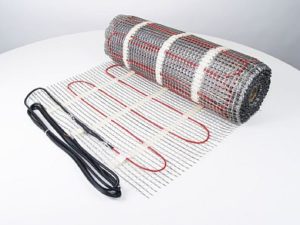
One type of cable heating is mats, which are essentially single- or double-core heating cables attached to a special sheet. Therefore, mats are easier to install; they simply need to be rolled out on the surface.
Cable-type heating devices have a fairly long service life. Their energy consumption is comparable to that of conventional electrical appliances. However, cable heating has a significant drawback: electromagnetic radiation.
Infrared
Infrared systems use long-wave infrared radiation emitted by carbon elements for heating. This type of heating is environmentally friendly because it does not emit electromagnetic waves.
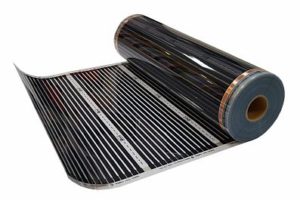
Infrared heating methods are:
- Film. Carbon fiber plates sealed in polyester. The film is lightweight and thin, making this system quite easy to install.
- Rod. Carbon rods attached to a special mesh. Rod systems are also called intelligent, which is why they are more expensive.
It is important to note the following point: foil insulation cannot be installed with electric infrared floors.
What to choose?
When choosing a wall-mounted electric heating system, consider its power, operating conditions, and installation requirements. The height of the walls and the weight of the structure are also important. It's important to calculate the costs not only of purchasing the unit, but also of its installation and subsequent operation.
Infrared film is the most suitable for wall installation. It's lightweight and thin, so it doesn't add bulk to walls or take up valuable space. And when installed correctly, it heats the surface effectively and evenly.
Furthermore, installing a film infrared underfloor heating system on a wall is easy and takes just a few hours. Simply roll it out over the surface and secure it to the insulation with special adhesive or fasteners.
The environmental safety of infrared models is also important, as they do not emit electromagnetic waves like cable models.
Scope of application
Warm electric walls can be used not only in houses and apartments, but also in garages, offices, and warehouses. Their installation is even permitted in wooden houses, but a "dry" installation method is recommended.
Installing a wall-mounted heating system in a garage is especially important. This is due to the impossibility of installing it in the floor, as the car will drive onto the structure and then be placed on it, which will lead to cable or film failure.
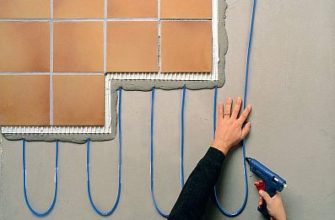
Furthermore, planning for electric heating during the construction phase of a private home can save on heating costs. For example, installing a heater in a wall dividing two rooms can provide heating for both spaces simultaneously.
And if you compare an electric system with a water one, then installing the latter will require additional costs for installation work and the purchase of additional components and components, such as a heating boiler, pump, pipes, etc.
Wall heating is suitable for small spaces (bedrooms, bathrooms), where installing underfloor heating is difficult due to clutter from furniture or plumbing fixtures. Wall heating is more efficient than underfloor heating in rooms with high humidity (bathrooms or swimming pools), as there's no energy wasted on water evaporation.
In addition, electric cable or infrared heated floors in the bathroom on the wall can be laid directly on the tiles.
An infrared system is ideal for heating a loggia or balcony finished with paneling or plasterboard.
Installing underfloor heating on a wall
Let's look at the installation of heating devices using infrared film as an example, as this is the most suitable and easy-to-install model of electric heating for walls.
Please note that when installing the film on the wall, the strips are attached vertically, not horizontally. Furthermore, the wires are connected from above.
When constructing a heating system, you need to begin by preparing all the components and tools you will need for the job.
Next, a heating installation plan should be developed. According to the technology and standard standards, a 1–4 cm gap should be left from the edge of the wall. Overlapping of one strip over another should be avoided.
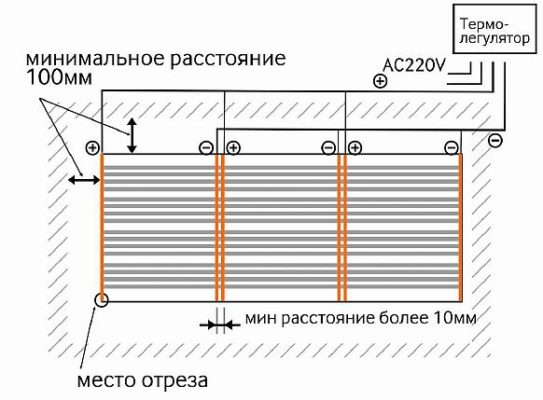
Work on installing wall-mounted infrared heating is carried out in the following sequence:
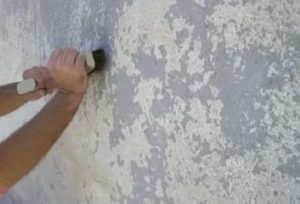
- The wall surface is cleaned and leveled. It should be smooth, without deep depressions or cracks. If the wall has significant unevenness, it's best to fill it with a thin layer of putty.
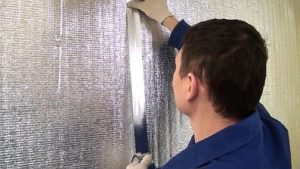
- A heat-reflective coating is installed. Any heat-reflective material can be used for this, but it should not have a foil layer. The heat-reflective layer is necessary to direct heat flow into the room and prevent it from escaping.
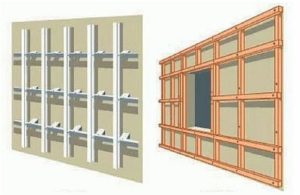
- A frame is being constructed for the installation of the finishing materials. Sheathing is being constructed to support the drywall or chipboard sheets on the wall.
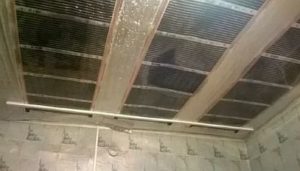
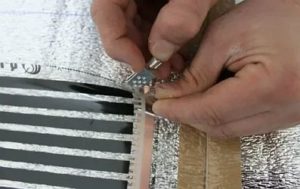
- The film is laid and secured to the wall with dowels. For this purpose, the film has specially designed areas where conductive elements do not pass. There should be gaps of no more than 5 cm between rows of strips to ensure uniform heating of the room, preventing the formation of cold spots. If the film needs to be cut to a specific size, this should be done along the special lines on the sheet.
Another way to fix the film is to glue it to the insulation using a special glue.
- A temperature sensor and thermostat are installed. The thermostat should be placed in a convenient location, preferably near a power source. The temperature sensor is installed between the heating elements and connected to the thermostat.
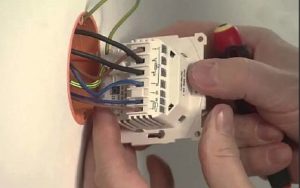
- The system is connected according to the instructions included with the device. The film strips are connected in parallel using clips, and all contacts are insulated with bitumen tape. The power wires are connected to the thermostat.
- Functionality is checked. Each strip of film should heat evenly. If this is not the case, the quality of the contacts should be checked; sometimes, a single defective section of the film may need to be replaced.
Only after you are sure that the heating device is functioning properly can you proceed to the installation of finishing materials.
Cosmetic finishing
Walls with built-in heating systems undoubtedly require a finishing touch. When choosing a finishing touch, it's important to understand that placing it on a heating surface will reduce its lifespan. Therefore, when purchasing materials, ensure they are compatible with heating devices.
For example, the wrong type of wallpaper or laminate installed on such a surface, may fall off within a few months. If ceramic tiles are used in the bathroom, it's important to choose the right adhesive to prevent the tiles from falling off.
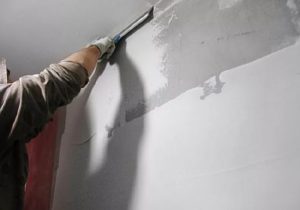
If the heating system is cable-based or has rod mats, the heated floor is then inspected and covered with two coats of concrete plaster. Only after this has dried—after four weeks—can wallpaper or tiles be applied to the surface.
It's important to remember that tile adhesive cannot be applied to infrared film, so a drywall finish is recommended. Furthermore, this is practically the only type of finish that can withstand heat.
In summary, a "warm wall" system can be installed on any surface. However, this will require significant investment, technical knowledge, and skill. When installing this type of heating system on a wall, it's important to follow the instructions, and the unit will last a long time.

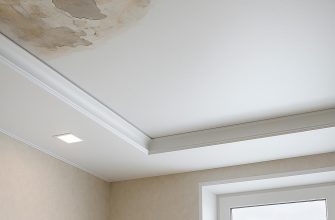

I contacted this company to insulate the walls and ceiling on the top floor of my country house. The house is small, and the second floor, or rather the small bedroom, was simply cold, making it impossible to sleep there. I contacted the company to order underfloor heating for the walls and ceiling, a service they offer. When I contacted them, I received comprehensive information from the manager about what it was, the benefits, and how it was installed and operated. Overall, I found the website very informative, making everything accessible to the average person. It was thanks to the article I read that I contacted them.
This article is insightful! I want to say that we're lucky to live in a time when there's a wealth of modern equipment and materials for building and finishing homes. I'm once again convinced that attaching floors to walls in small, high-humidity spaces is the most optimal and energy-efficient option. And, by the way, it's safe. I wasn't aware of some of the nuances, so thank you for explaining this in detail.
Good day. Is it possible to lay film over foam plastic?
Hello. You can install it on penoplex; the heating temperature, etc., is not high, so you can combine these types of insulation, etc. But if you're still concerned, you can first lay down a reinforcing mesh, raise it a couple of centimeters, and then lay the foam insulation on top of that. Learn more about Penoplex here.