The waste pipe in a home's sewer system is the connection between the septic tank and the outside air. The waste pipe in a home consists of individual outlets to drain points and risers, which are then routed to the roof. This design reduces the risk of wastewater accumulation and the development of unpleasant odors from the sewer system indoors.
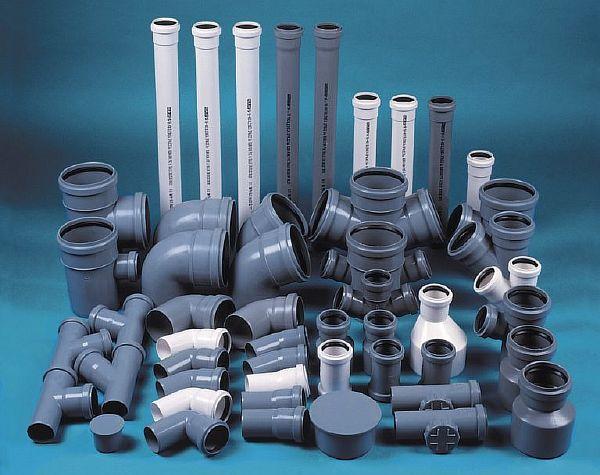 A sewer waste pipe is a confusing concept for many. Only builders and those who have repaired sewer lines know much about it.
Having examined this type of assortment in detail, it becomes clear that there is nothing complicated about it. And the information below fully confirms this.
The concept of "fan pipe"
You often hear people refer to it as a sewer riser, a comb, or something else. However, this is all a bit different. It's simply the top section of the drain line, which is routed outside the house for ventilation.
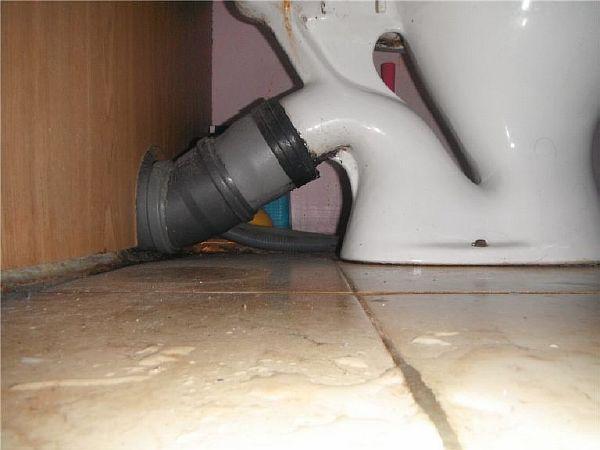 Most often, such risers are brought out onto the roof, and they are rarely carried into the ventilated attic area.
These structures have become an integral attribute of multi-storey and private houses, their purpose isprotection housing from penetration bad smell from the bathroom. They connect the sewer riser to the outside environment, thus preventing liquid accumulation in the upper sections of the sewer pipe.
Read also: a waste pipe for sewerage in a private house: purpose, types, installation diagrams
Waste pipes keep water in toilets and sink traps. This prevents any odor from permeating the room.
Installing this system in a single-story building is not mandatory. However, each individual will have to make their own decision on this matter.
The volume of this type of pipe is 110 mm. The volume of the toilet drain hole is 70 mm. Therefore, with these dimensions, liquid from the toilet will not block the riser. The same applies to bathtubs and other fixtures.
Why are these systems installed?
The purpose of a waste pipe in a sewer system, and whether it is needed at all, is best determined after a detailed study of the following information:
- When housing is arranged on several floors, it is impossible to do without a fan network.
- This system is also needed for sewer risers with a diameter of 50 mm.
- If the house has a swimming pool or devices that use a large amount of water, then a fan network must be installed.
- It is also necessary in a situation where the drainage network is located far from the home.
- There are two main rules to consider when constructing this design. The first is the matching volume of the riser and the pipe. The second requirement is that the toilet system must be routed throughout the entire home, to the roof ridge, and then to the outside air.
If you have any further questions about what this network is for, professional technicians can provide more detailed information.
Check valve
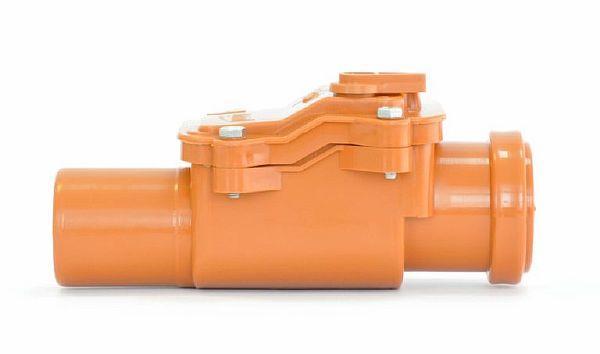 A sewer vent valve is a crucial component. When a drain line becomes clogged, emergency services are often called in for help. However, by the time they arrive, the home is often flooded. This problem often results in property damage and an unpleasant odor in the home. Resolving the situation can be costly.
But, all this will not happen if the system has a very simple-looking element - the so-called sewer check valve (find out more), which will prevent the reverse flow of liquid.
The valve can be installed in different ways. You can install a single device with a large flow capacity, or you can install these mechanisms on each plumbing fixture.
The advantages of using this device are obvious. It protects your home from sewage odors. It also saves on installation costs. Regulatory documents require that a reverse-flow airflow network be installed when installing the drain line. However, installing the valve eliminates the need for additional piping.
To put or not to put
Many people wonder whether it's possible to install a sewer check valve instead of a waste pipe. The fact is, all waste lines operate on the same principle. This means that wastewater flows by gravity into the septic tank. Failure to install a check valve will result in an unpleasant odor in the house.
As an alternative to an open drain line vent, manufacturers offer vacuum valves. These operate by drawing in air only during the drain cycle.
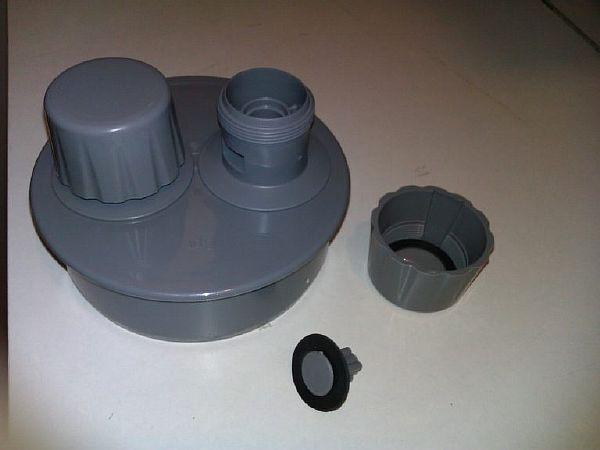
Building codes do not prohibit the installation of such devices instead of a waste pipe, but if a house has a septic tank, then an open ventilation outlet for the waste pipe structure must be present without fail.
In such situations, a valve is not used in place of the specified network; it is relegated to the role of an additional device in areas of the pipeline with long lengths. Also, such installation is permitted only in heated room, so, at sub-zero temperatures, condensation accumulates in the mechanism, which blocks its operation.
If you have any doubts about whether it's appropriate to install a valve instead of a pipe, it's best to consult with specialists on this issue, so that your home's comfort won't be ruined by poor sewer performance.
Ventilation system of the drainage main in multi-story buildings
A waste pipe is a necessary component of a multi-story building's sewer system. It extends the drain stack above the building's roof and vents odors generated in the waste line to the outside.
Such pipe structures can be arranged in different ways in a multi-story building: horizontally, vertically, and in any other way.
Without such a system, the apartments located below will constantly experience unpleasant odors and waste liquid returning from the upper floors.
Ventilation system of the drainage main in a private house
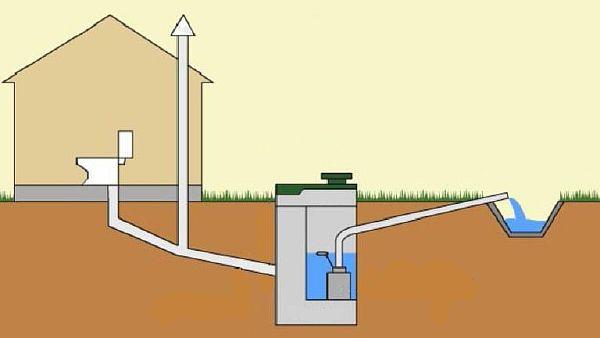 A waste pipe isn't always installed in a private home's sewer system (but depending on the circumstances, its absence can contribute to an unpleasant odor from the sewer system). This is because the volume of wastewater in this case isn't large enough to create a vacuum in the network.
In theory, in a private one- or two-story home with one bathroom, it's permissible to not install a riser vent. However, the practical recommendations of professional builders differ dramatically. Their advice is based on the following facts:
- If the site is equipped with local treatment equipment, then without ventilation, the unpleasant odor will spread to ground level and interfere with the proper functioning of the septic tank.
- This solution is very reliable, as there's always a risk of the water seal failing.
- It is not difficult to install this network on the roof during construction work.
75mm sewer pipe
A 75 mm waste pipe for sewerage is used for indoor liquid drainage. This type of pipe is connected using a socket-type connection. A special lubricant is also used during installation. If none is available, liquid soap is used. The use of oils is not recommended.
The 75 mm pipe range is made of flame-retardant polypropylene. The maximum temperature rating for these products is 90 degrees Celsius.
75mm sewer pipes are UV-resistant and last for over 50 years. However, all the exceptional properties of 75mm pipes are only preserved when purchased from a reputable manufacturer. Products from dubious companies may be of poor quality, making it impossible to install a reliable system.