The smell of sewage occurs as a result of:
- errors in the installation of the sewer system;
- incorrect joining and installation of pipes;
- problems with the siphon (water seal);
- ventilation problems;
- formation of leaks and blockages;
- disruption of the functioning of the sewer pipeline.
The appearance of unpleasant odors in a private home is most often associated with a malfunction of the sewer system designed to remove household waste.
 To get rid of the unpleasant smell, you first need to figure out why there is a sewer smell in a private house, as there could be several reasons.
In this article, we'll look at the reasons why a sewer smell might occur in a private home and how to resolve the problem.
- Why does a private home smell like sewage?
- The smell of sewage is due to errors in the installation of the sewer system.
- It smells like sewerage due to improper connection and installation of pipes
- The smell is due to problems with the water seal, how to fix it
- Problems with sewer ventilation and methods for eliminating the defect
- The smell is due to clogging, the reasons for formation
- We identify blockages in the kitchen sink and eliminate them.
- The sink is clogged, how to fix it?
- The bathtub is clogged
- The toilet is clogged
- Methods for cleaning sewer drain pipes in a private home – chemical, mechanical and hydrodynamic
Why does a private home smell like sewage?
Most often, an unpleasant sewer smell is the result of design errors:
- The project does not include a vent vent, which is designed to purge the sewer system. It is an upward extension of the riser and is discharged through the building's roof into the outside space. The size of the drain channel is selected equal to the diameter of the riser, and the building design requires a special insulated shaft for its installation.
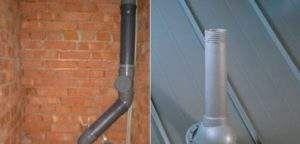
- A waste pipe is not capped, which can result in its opening becoming clogged with debris or blocked by a bird's nest. Furthermore, this type of sewer pipe can lead to backflow under strong winds.
- The height of the waste outlet is insufficient and, under certain conditions, an unpleasant odor spreads to the discharge point.
- The outlet of the sewer ventilation system is located less than four meters from the windows and emissions from it penetrate into the living space.
- The ventilation outlet from the external sewer system (cesspool or septic tank) isn't located far enough from the house or is positioned against the prevailing wind direction in the area. As a result, odors are blown toward the house.
If your house smells like sewerage, there may be some underlying cause. operational nature:
- Siphon break. These devices are installed at each drain point specifically to prevent sewer gases from entering the living space.
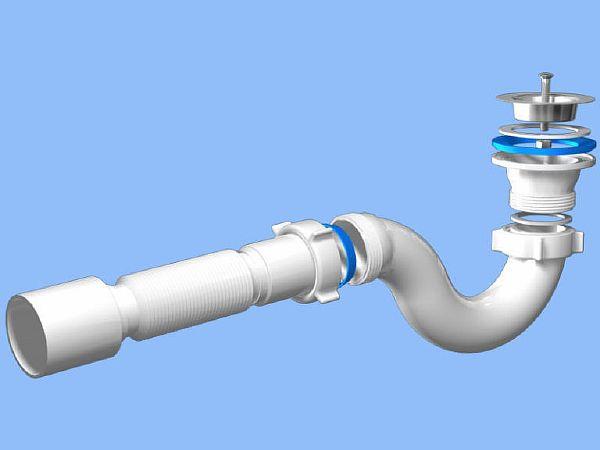
During use, water remains in the bend of the trap, acting as a plug between the sewer and the room. A leak occurs when wastewater suddenly flows down the riser. If the diameter is too small, the liquid completely fills the passage, creating a low-pressure zone that draws water out of the trap. As a result, the water trap is drawn into the sewer pipe, allowing odors to enter the room.
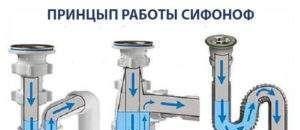
- Dry trap. This condition typically occurs in homes with occasional occupancy. During extended absences, the trap's water seal dries out, allowing gases from the drain system to enter the home. What can you do if there's a sewer smell in your home? The only option is to arrange for your neighbors to turn on the water at least once a week to restore the traps.
- A broken trap. Careless handling of the trap can lead to leaks due to microcracks or incorrect threading of the connections. There's only one solution: careful and attentive handling of the plumbing fixtures.
The smell of sewage is due to errors in the installation of the sewer system.
A drainage system in a private home will function properly if it is installed according to regulations. Common mistakes when performing this work include:
- Incorrect placement of plumbing fixtures. The sewerage system design calls for a linear arrangement of drainage points. The toilet outlet should be located as close as possible to the riser. Drainage points on different floors of a private home are arranged parallel to each other in the same vertical plane.
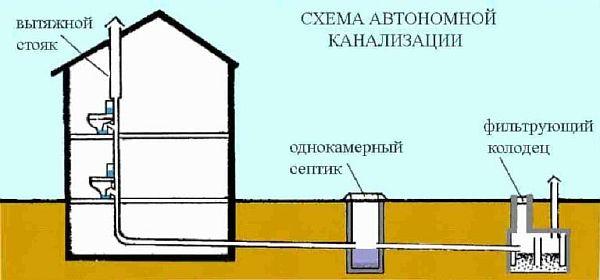
- Every plumbing fixture is required to have a trap. The absence of this device in any of them leads to the penetration of foul odors into the room.
- Mistakes in sizing sewer pipes. The cross-section of the pipes must ensure the free flow of sewer contents. In most cases, gravity-fed systems made of plastic are used for private homes. The pipe cross-section should be increased as the distance from the drain source increases. If the sink drains through a 50mm pipe, the riser should be narrower at 100mm, and the pipes to the septic tank should be 150mm.
- A poor connection in the drainage system. For gravity-fed systems, plastic socket fittings are used. A sealing cuff is installed inside the socket. If the fittings are misaligned, the seals may not seal properly, which will inevitably lead to leaks and odor, but eliminating the odor in this case is not that difficult.
- Failure to maintain slopes when installing the pipeline. The slope should be 1-2 percent from the horizontal toward the drain, meaning a slope difference of up to 2 millimeters per meter of length. If it's too small, the water will flow practically at a standstill, and if it's too large, it will flow too quickly, preventing solid debris from being removed. Gradually, the amount of solid debris will increase until a blockage forms.
- Leaks in sewer pipes and plumbing fixture connections (toilets, bathtubs, sinks, etc.) occur due to microcracks or leaks at the connections. This can occur for many reasons. The main ones include poor installation, low-quality materials, or wear and tear due to long-term use.
It smells like sewerage due to improper connection and installation of pipes
When installing a sewer pipe, it's important to pay attention to its efficient layout. In this case, we mean the following:
- The gravity drainage pipeline must have a minimum number of bends, which helps to avoid a decrease in flow rate and, consequently, the removal of solid fractions of contaminated water.
- Angled connections are made using special fittings with a 135 or 150 degree angle. The connection is made toward the liquid drain.
- It is strongly recommended not to make connections at an acute angle, as this will disrupt the free flow of liquid.
- When installing a drainage system, all pipes must be aligned with the connected pipes or fittings. Otherwise, stress is created at the socket joint, which can lead to microcracks and loss of sealing. Seals play a crucial role in the connection of socket pipes; if misaligned, they can leak.
- The pipeline is installed with increasing pipe sizes as they move toward the outlet. While the standard size for the inlet pipe, to which the traps are connected, is 50 mm, the riser is 100-110 mm, and the external sewer outlet is 120-150 mm.
By following these simple rules, any homeowner can install their own sewer system.
The smell is due to problems with the water seal, how to fix it
What should you do if you notice a sewer smell in your home? This is usually due to If there's a problem with the water seal on the siphon, find out what to do in this case.We've already discussed this possibility above, but there are other points to consider.
The reasons were two points are highlighted – the siphon breaks and, as a result, dries out. But the causes can be more prosaic – improper assembly.
Wanting to tighten the threaded connection, many people try to tighten the plastic nut as tightly as possible. However, it's worth noting that it's made of thin plastic. If tightened too tightly, the nut expands and can strip the threads, compromising the seal. As a result, water leaks out of the water seal, allowing odors to escape.
An even more common cause of a water trap leak is attempting to screw the nut onto the wrong thread. This damages the threads, causing a leak with predictable consequences. Whenever handling the trap, it's essential to check the condition of the rubber sealing gaskets; they tend to deteriorate over time and must be replaced.
A sewer smell in the toilet is a cause for serious concern. A leak in this plumbing fixture most often occurs due to a breach in the bowl itself. In toilets, the trap is cast directly into the body. There's no other option to fix the leak except replacing it.
If a siphon leak is detected, the only reliable way to eliminate the defect is to completely replace it with a new device.
The easiest way to eliminate sewer odors is by thoroughly ventilating the room, but this isn't always convenient. And even this method doesn't address the underlying cause of the sewer odor in a private home.
You can buy special "fragrances" on the market that, when sprayed in the toilet area, can eliminate unpleasant sewer odors.
Problems with sewer ventilation and methods for eliminating the defect
Malfunctions in the ventilation system of the wastewater drainage system can occur for various reasons:
- The lack of a cap on the waste outlet leads to clogging. The solution is to install a cap.
- Certain wind directions can cause odor to penetrate into living spaces. This occurs because the vent pipe is "pinched" by the air flow. This can be eliminated by installing a weather vane deflector.
- The sewer ventilation duct is not high enough. It needs to be extended.
- The drains are filling up due to the cesspool overflowing. Pump out the contents.
If you notice a sewer odor in your home, you must first determine its source and cause. The only way to get rid of it is to fix it.
The smell is due to clogging, the reasons for formation
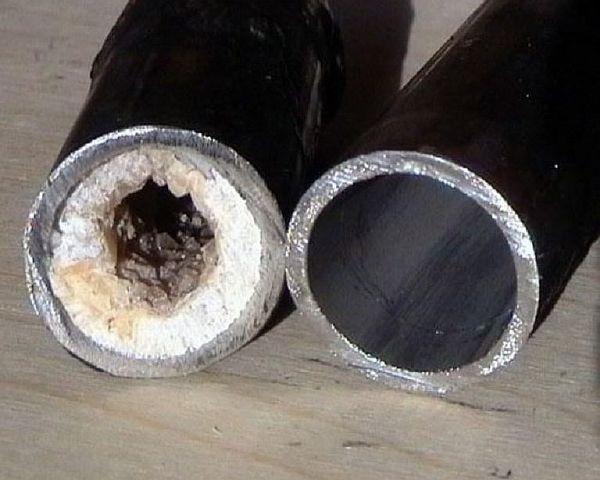 The main cause of clogging is two factors. First – components of grease in the kitchen sink. They gradually accumulate on the walls of the pipes, narrowing the drain and obstructing the flow of wastewater. Solid waste from the drain actively accumulates on these obstructions.
Second Clogs are caused by hair, pet hair, and fibrous components that enter the drain pipes from the washing machine. These can form quite stubborn blockages that cannot be cleared with simple methods.
Let's imagine a sewer network in which plumbing fixtures are connected in series:
- kitchen sink;
- washbasin in the bathroom;
- a bathtub into which the washing machine is also drained;
- toilet.
All facilities are equipped with siphons. How can I determine where the blockage is occurring?
We identify blockages in the kitchen sink and eliminate them.
Turn on the water from the sink faucet. If water collects and doesn't drain, the blockage is either in the trap or in the pipe between it and the sink connection. In the former case, you need to disassemble the trap and inspect its condition.
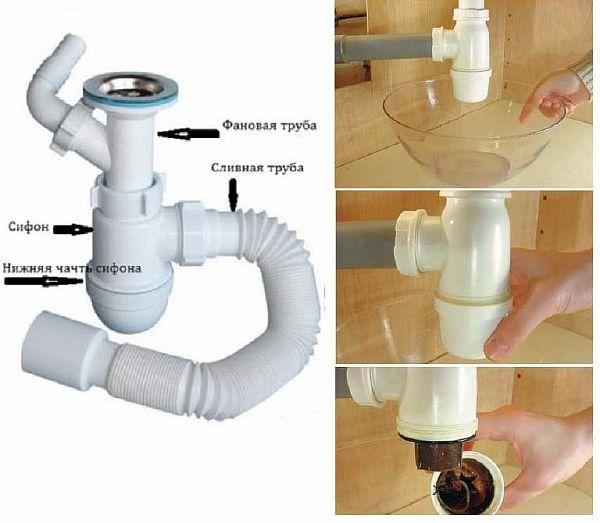
If the trap is clogged, simply clean it and rinse all parts with water and detergent. Then reassemble the device and test it again with water. If the water drains freely, the problem is solved.
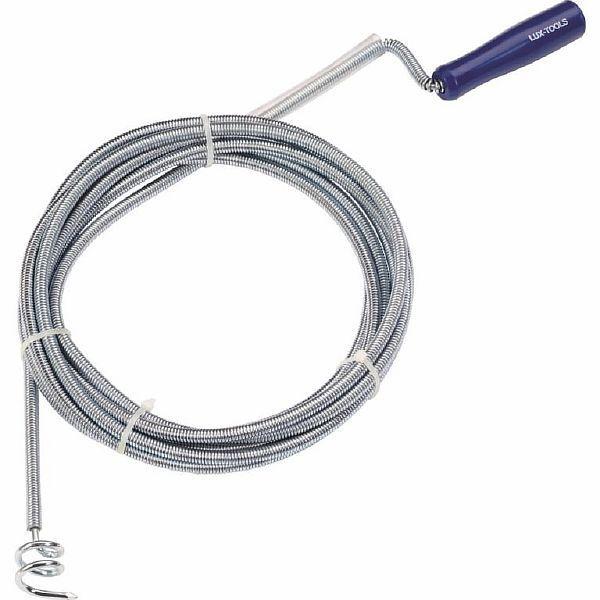
If the result is negative You'll have to clear the pipe with a plumbing cableTrue, you can first flush the sink with a plunger, which will break the clog and restore the flow temporarily. However, this method is not considered permanent.
The sink is clogged, how to fix it?
 A sign of this problem is the sink filling up. If this happens only in the sink, the corresponding trap needs to be cleaned, as shown above. If both the sink and the bathtub fill up at the same time, the clog is located between the sink and the bathtub in the shared drain pipe. Here, too, a cable should be used to clear the clog.
The bathtub is clogged
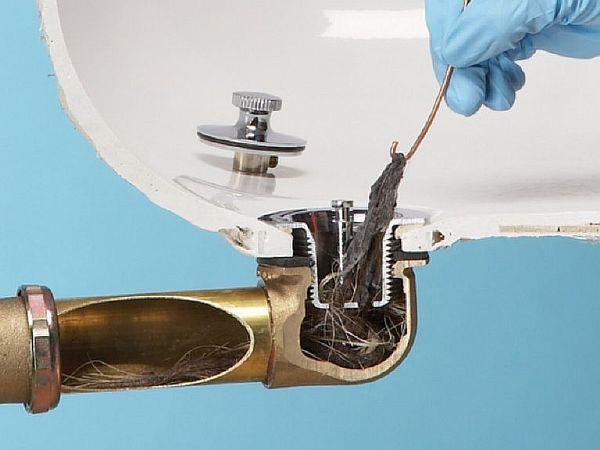
The most common cause of clogs in bathtub drains is hair and pet hair. As the drain flows, these particles cling to the drain grate, forming a strong conglomerate. Clearing such a blockage is simple.
This type of clog can be easily removed with a wire hook once the trap grate is removed. Removing debris from inside the drain pipe is done with a cable.
The toilet is clogged
This is perhaps the most serious incident that can occur with a sewer system in a private home. A blockage is usually the result of the homeowner's lack of discipline.
From the toilet trap, water flows into the riser pipe, which is larger than the drain pipe. The most common cause of clogging here is a rag. When this happens, the contents of the riser leak out, and the odor in the toilet is caused by the contents of the sewer. Find out. What to do when a toilet is clogged, popular solutions problems.
Removing such a blockage on your own is quite difficult, so most often outside specialists are invited with their own equipment.
Methods for cleaning sewer drain pipes in a private home – chemical, mechanical and hydrodynamic
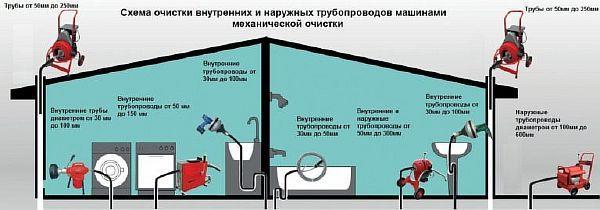
Which one to use depends on the nature of the blockage.In general, the main ones are:
- cleaning with chemical reagents;
- removing blockages with a plunger;
- mechanical methods;
- hydrodynamic flushing.
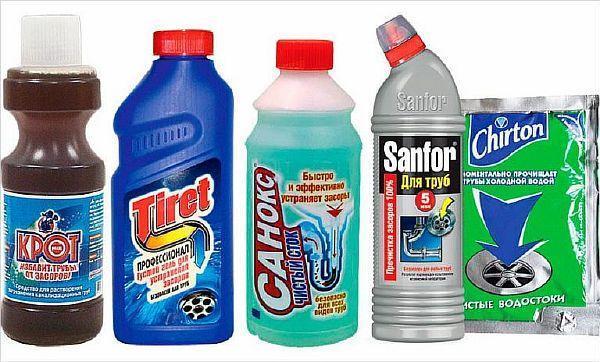 Chemical methods for removing clogs are very effective if the pipes are not yet completely blocked. In this case, the blockage partially dissolves and partially is carried away by the flow. Two types of chemical reagents are used: alkaline and acidic.
Acid-based products are effective at removing organic blockages—hair, fibers, wool, and other substances—typical of sink and bathtub clogs.
Alkaline chemicals are good at dissolving grease and other stains common in kitchen sinks.
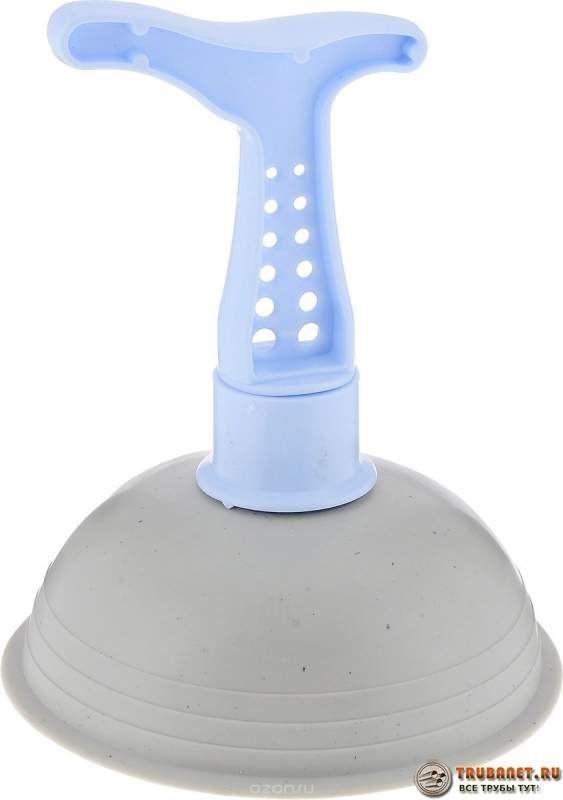 Using a plunger is the simplest way to clear a clog, but it's only effective at the initial stage of clog formation. The first indication for using one is a visually detectable decrease in drain flow.
To clear a drain with a plunger, fill the sink with water so that it's above the drain level. Place the plunger cup over the drain grate and press it repeatedly to loosen the clog. This will usually dislodge the clog and allow the drain to continue.
Mechanical methods for cleaning drains include using a plumbing snake. To use it, remove the trap's outlet pipe and inspect its condition. If it's clear, use the snake to clear the blockage.
It is inserted into the drain pipe hole while rotating the handle. The drill at the front end of the cable is guaranteed to break the clog. To remove its components, after installing the trap, flush the pipe with hot water for 10-15 minutes.
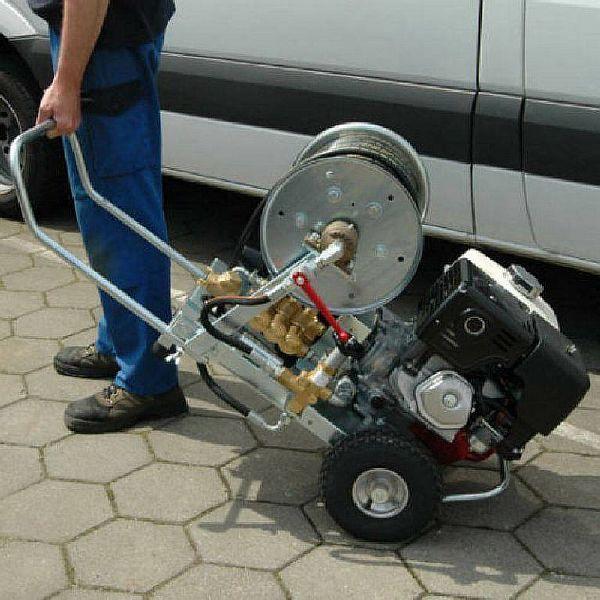
To clear a blockage using hydrodynamic methods, special installations are used, the working tool of which is a jet of water under high pressure.
These devices are professional tools, and the work is performed by invited specialists. Blockages of this kind most often form in the riser or in the external parts of the sewer system.
I also encountered a problem with an unpleasant odor in the house, almost immediately after replacing the drainage pipes. It turned out to be a problem with the trap. The technician replaced it with a new one, and everything returned to normal.