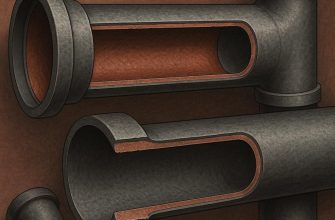
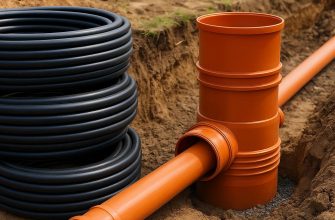
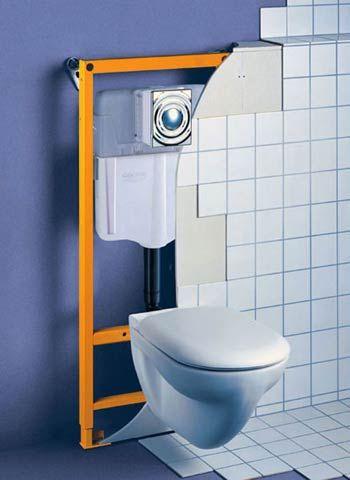
Sewer pipes are available in cast iron and plastic. Plastic pipes are divided into the following types: polypropylene (PP), polyvinyl chloride (PVC), and corrugated polyethylene pipes. The main advantages of plastic sewer pipes are: corrosion resistance, high flow capacity, lightweight and durable, and long service life (50-60 years).
For plumbers, plastic pipes are the most cost-effective material for constructing various piping systems. To understand this, it's important to thoroughly examine the characteristics of these products.
 Polyethylene is a raw material used in oil refining. It is used to produce grades of polyethylene such as PE-63, PE-80, and PE-100, which are used to manufacture plastic pipes. The temperature limits for PP pipes have been increased with the introduction of cross-linked polyethylene grades.
These new materials also increased rigidity and dimensional stability across a wide temperature range. Furthermore, cross-linked plastic products are completely resistant to various aggressive environments.
These materials for plumbing have many advantages, but they also have some disadvantages:
- Low level of noise insulation when compared to cast iron products;
- sensitivity to high temperature.
A large number of positive characteristics of these products have determined the prospects for their use; they are widely used in:
- gas pipelines with medium and low pressure (up to ten atmospheres);
- in cold water supply networks (this includes drinking and technical systems with a pressure of up to 16 atmospheres);
- in pressure and non-pressure drainage systems;
- in drainage systems;
- melioration, irrigation, drip irrigation systems;
- industrial pipelines carrying chemically aggressive environments;
- in hot water supply and heating networks.
In plumbing, these products last for over fifty years, at least according to the manufacturers. However, these lifespans are only possible under normal operating conditions, namely, maintaining the precise operating pressure and temperature standards specified in the technical documentation. Therefore, it is essential to pay close attention to the actual characteristics of the network where these materials will be installed.
If the actual values do not exceed the SNiP standards, then a pipeline that meets the conditions for using a specific brand will function properly for a long period of time.
Diameters of plastic plumbing pipes
Plastic plumbing pipes come in various diameters. The parameters of plastic pipes depend primarily on their intended use—indoor or outdoor. Outdoor pipes have thicker walls, which means greater strength.
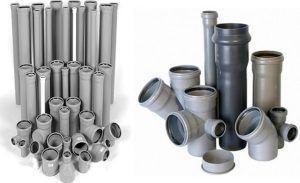
The diameters of products are also determined by the material they are made from:
- Polypropylene pipes (PP). This is the most popular option, manufactured according to GOST 26996-86. This regulatory document defines the composition of PP and copolymers. Market conditions have led to some adjustments, and therefore plumbing pipes for sewerage systems are now available in the following sizes: 3.2; 4; 5 and 11 cm. The lengths of these products are as follows: 15; 25; 50; 75; 100; 300 cm.
- High-strength polyethylene is manufactured in accordance with GOST 22689.2-89. These plumbing products are sold in coils and can be cut to any length. Based on the above, it can be concluded that high-strength polyethylene plumbing pipes have diameters that precisely comply with GOST standards: 40; 50; 90 and 110 mm. These plumbing pipes can be pressure or non-pressure. Pressure pipes have diameters from 1 to 120 cm.
- Plumbing pipes made of polyvinyl chloride (PVC)The diameters of these plumbing products are established by GOST 51613-2000. According to these requirements, these dimensions range from 1 to 31.5 cm. This regulatory document also specifies the length, which ranges from 4 to 12 m.
Polypropylene pipes for sewerage
Modern technologies and materials significantly simplify human life. And the most important invention of all is sewerage, and its importance is difficult to overestimate. For such a network, it is best to use plastic pipes.
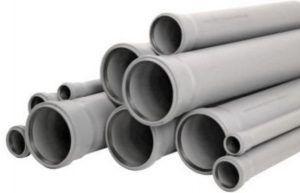
Experience has shown that plumbing and sewerage systems made from plastic pipes are reliable and affordable materials that meet all necessary requirements.
To create a reliable and durable sewer system, it is necessary not only to choose the right materials, but also to install them correctly.
Plumbing and sewerage systems made of PP have the following advantages:
- Sewerage fittings made from plastic pipes can be used for over 50 years.
- Such materials do not form deposits inside.
- Resistance to the influence of chemically aggressive environments.
- Resistance to stray currents.
- They are not susceptible to the influence of corrosive formations.
- They do not pose a threat to human health and the environment.
- Light weight.
- Easy to install (especially by pulling).
Plastic sewer pipe materials are manufactured using modern equipment. They are subject to strict quality control from the raw material procurement stage to the final production stage.
The sealing rings for these products are made from a material that is resistant to temperature changes, ultraviolet radiation, and other environmental influences.
Fittings for plastic systems
Modern plumbing fixtures and plastic pipes are products that have long since moved from the realm of novelty to commonplace, but connecting these pipelines requires the appropriate fittings.
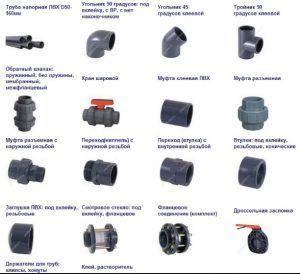
Thanks to its undeniable advantages, Fittings for plastic pipes quickly gained great popularity among consumersThis is due to the versatility of these fasteners and their ease of installation. Let's consider their advantages:
- light weight;
- resistance to aggressive chemical environments;
- resistance to the influence of corrosion processes, on such parts it does not appear at all;
- absolute tightness of joints;
- welding capability;
- no limescale deposits form on plastic fittings;
- low electrical conductivity;
- affordable price, which compares favorably with steel analogues.
Plastic systems are widely used in everyday life, and these are very different systems:
- water supply;
- heating;
- ventilation;
- drain.
Considering the above fact, it becomes clear that plastic pipelines require different types of fittings.
The modern construction market offers a huge selection of polypropylene fittings, varying in diameter and type. They can be used for joining homogeneous rolled pipes and for products made from a variety of materials.
Another option uses PPR fittings, which are equipped with metal threads. This thread is inverted in the design of these plumbing components.
Looking at the shape of fittings, the most common is the straight, T-shaped element. A Y-shaped component can also be used in conjunction with it. Straight designs are used to connect pipelines, while other types of fittings are used as adapters.
Another advantage of these components is the ability to use welding when attaching them. The result is a monolithic structure that can be installed underground.
Polypropylene fittings are affordable for any customer and have deservedly earned a significant share of the plumbing market. They are also easily purchased from numerous online stores.
Necessary tools for work
Next, we'll discuss what types of tools are needed to create a home system made of polypropylene, and what plumbing tools are already available in the home for connecting plastic pipes.
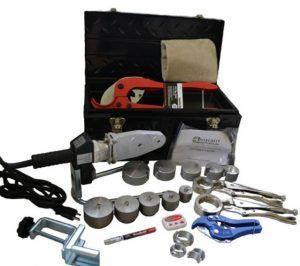 No one doubts that a PP main is the cheapest option in terms of materials costs. However, installation by a professional plumber will cost a pretty penny.
To save money, many people assemble such a pipeline themselves, thereby saving significantly on the services of a professional plumber.
- Preparing and cutting rolled tubing to the required size. Cutting can be done based on the dimensions of straight sections, or on-site during connection. Special shears are used for this purpose. Investing in shears for a one-off job is not worth it; a simple hacksaw for metal products can be used to make the cut.
- Chamfering. When making PP pipe connections, the workpieces must be chamfered first. This can be done with a regular sharp knife or a hand-held grinder.
- Cleaning. Aluminum-reinforced tubular products require cleaning. This requires specialized tools. A facing tool is essential. It's inexpensive and should only be used on aluminum-reinforced products.
- Assembly. The main tool for this is a special soldering iron with a set of attachments. The workpiece and fitting are heated simultaneously on this tool and then joined together. The entire process is simple and can be handled by anyone with no experience.
- Fasteners. These are used to secure the pipeline to the wall. These are simple clips that are attached to the wall with screws.
- Connecting to taps, filters, and faucets. Typically, you'll have to deal with threaded connections, which will require an adjustable wrench or a pair of open-end wrenches.
- Flax, paint, and drying oil. Union nuts deserve special mention. To wind such a connection, use flax soaked in paint or drying oil (use only quick-drying paint). The same procedure is required to connect the first fitting of a plastic water pipe to a faucet or filter.
As the list makes clear, no expensive or "exotic" plumbing tools are required to connect a plastic pipe system. Many of these tools are readily available to any competent home handyman.
In plumbing, plastic pipes have found worthy application, displacing other materials in modern pipelines. They have opened up new possibilities in the design of large-volume pipelines.
The share of the plumbing market occupied by plastic pipes is impressive, and it's expanding daily. These products have become serious competitors to similar materials. Furthermore, the aging nature of existing networks offers significant opportunities for their use.