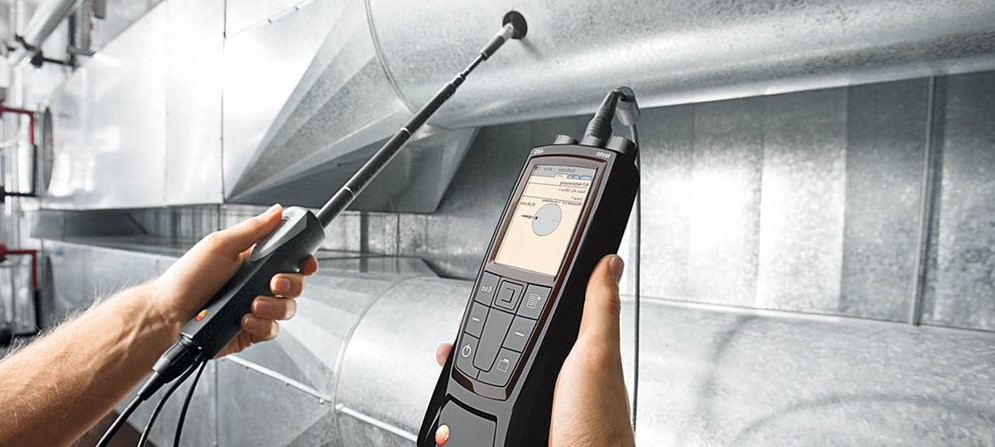
One of the frequently asked questions by property owners is how often should supply ventilation system equipment be inspected and who should perform this inspection.
According to Government Resolution No. 1479 of September 16, 2020, in its previous version, the frequency of inspections of ventilation and smoke ducts is established as at least once a year.
Precise deadlines are defined for each type of utility network and building according to its intended purpose. For example, an inspection is recommended. forced air supply system - once every 6 months.

To fully address this issue, in this article I will detail the standards and regulations, types, purpose, and results of inspections. I will also list the tasks and who should perform them.
- Rules and regulations for conducting inspections
- What actions are permitted and prohibited when operating engineering systems?
- The purpose of the supply ventilation inspection
- Types and purpose of supply ventilation inspection
- List of works during ventilation inspection
- Frequency of supply ventilation checks
- Who should check and be responsible for the ventilation operation?
- Results of the ventilation inspection
- Answers to additional questions on the topic of ventilation
- Video materials
Rules and regulations for conducting inspections
Ventilation inspections are regulated by law. Regulatory documents with rules, recommendations, and requirements have been developed:
- By Government Resolution No. 491 of 13.08.2006 and as amended on 29.06.2020, paragraph 2The relationship between the utility networks of an apartment building and the common property has been determined.
- By the Resolution of the State Construction Committee No. 170 of September 27, 2003, Clause 5.7.2. It is stated that the maintenance personnel of ventilation systems are obliged to inspect and troubleshoot equipment, and clean the ducts in a timely manner.
- By Government Resolution No. 290 of 03.04.2013 and as amended on 29.06.2020, paragraph 15The minimum list of works required to maintain the utility systems of an apartment building is specified. A strict procedure for servicing the ventilation of gasified residential buildings is separately defined.
- By Government Resolution No. 410 of May 14, 2013 Measures to ensure the safe operation of in-house equipment are defined. Clause 11 states that the maintenance of ventilation ducts is the responsibility of persons responsible for common property.
It is permissible to conclude an agreement with third-party organizations that will service and bear responsibility for the common building engineering system.

General rules for residential and non-residential buildings have been developed at the legislative level. Standards for servicing utility networks in gasified buildings have been established. GOST 34060-2017 P. 11.16.2. testing of natural ventilation network ducts is carried out at an outside temperature not exceeding +5OWITH.
The difference between the outside and inside temperatures should be at least 15OC. It is necessary to take measurements of the air flow in the area of the grille and the head of the ventilation duct.
- According to SP 60.13330.2016, the ventilation system must ensure the air flow rate (m3) per person permanently located inside the building.
- For residential buildings with an area greater than 20 m2 the recommended indicator is 30 m3/hour.
- If the area is less than 20 m2, each person needs a supply of fresh air currents of at least 3 m3/hour.
- Air flow rates for public buildings vary from 20 to 60 m3/hour. The exact figure depends on the type of ventilation (natural or mechanical) and the length of time people remain in the room without interruption.
What actions are permitted and prohibited when operating engineering systems?
Government Resolution No. 390, paragraph 48 Permitting and prohibiting actions for users of the ventilation system are defined.
It is strictly prohibited:
Permitted actions include maintaining a comfortable air temperature in rooms by adjusting the ventilation intensity and changing the operating modes of the equipment.
The purpose of the supply ventilation inspection
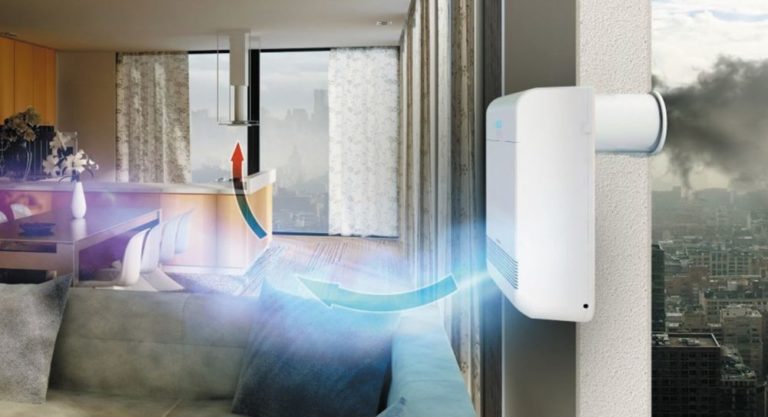
The main goal of an air handling system inspection is to identify operational problems. During the inspection, defects, equipment malfunctions, and clogged air ducts are identified.
Based on the analysis of the inspection carried out, the following is determined:
- how well the supply network can handle the load;
- whether the equipment and ducts provide the recommended air flow volumes.
A scheduled inspection of the existing supply network helps identify errors made by engineers during the design stage of the engineering system.
Working conditions and technological processes may change in production facilities. Residential buildings undergo remodeling, and the number of permanent and temporary residents changes.
When making any adjustments to an architectural structure, it is necessary to check whether the existing supply ventilation system will cope with the task or whether the system needs to be modernized.
Types and purpose of supply ventilation inspection
There are several types of inspections for supply network equipment, but I would like to talk about instrumental testing methods that provide the most accurate results.
- The amount of carbon dioxide in the air is measured. Air samples are taken both inside and outside the building. The purpose of this instrumental testing method is to determine air quality indicators and compare carbon dioxide levels outdoors and indoors.
- The amount of aerosol components contained in the air is measured. This instrumental testing method is intended to determine the level of air pollution by fine particles.
- Aerodynamic testing of ventilation equipment, individual sections, and the entire system is conducted to ensure compliance with GOST and SNiP requirements. The purpose is to determine the ability of the supply network to create the required air pressure in the duct sections where measurements are taken. Aerodynamic testing determines noise levels, temperature, and airflow velocity, as well as the absence of ultrasound generation by the operating equipment.
Air measurements in instrumental testing methods are not taken at conveniently accessible locations, but rather using control openings determined by precise calculations.
The slightest inaccuracy will lead to significant errors in the final result. Trust instrumental measurements to accredited specialists and organizations.
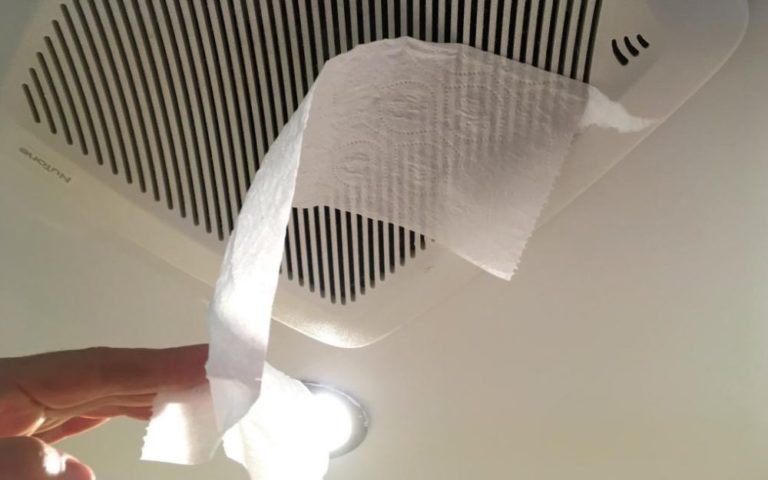
You can check the efficiency of your air supply system's ducts and equipment yourself, without any instruments. Place a sheet of paper against the vent. It will be constantly deflected by the incoming air flow, away from the air supply grille.
For comparison, place a sheet of paper against the exhaust vent. A properly functioning system should adhere to the vent grille and remain there for a long time.
There are different types of ventilation network inspections depending on the timeframe:
- periodic inspection;
- seasonal inspection before the start of the summer and winter periods;
- inspection before the immediate start-up of equipment after its downtime.
Inspections are necessary to maintain the operating condition of the equipment and ducts of the supply ventilation system. Additionally, air temperature and humidity are monitored, as well as the mobility of other impurities in the particle flow.
List of works during ventilation inspection
Supply network maintenance must be performed in accordance with the standard frequency and equipment manufacturer's recommendations. Maintenance can be scheduled (routine), unscheduled, or emergency.
The frequency of scheduled inspections is determined by the responsible person in accordance with legal regulations and the building's intended purpose. The list of tasks includes:
- Visual inspection of channels and equipment;
- Visual inspection followed by adjustment of air valves;
- Testing of measuring instruments;
- Lubrication of mechanical components of the forced-air supply network;
- Checking the reliability of fasteners;
- Checking the tension of belts and the grounding condition of the forced supply network.
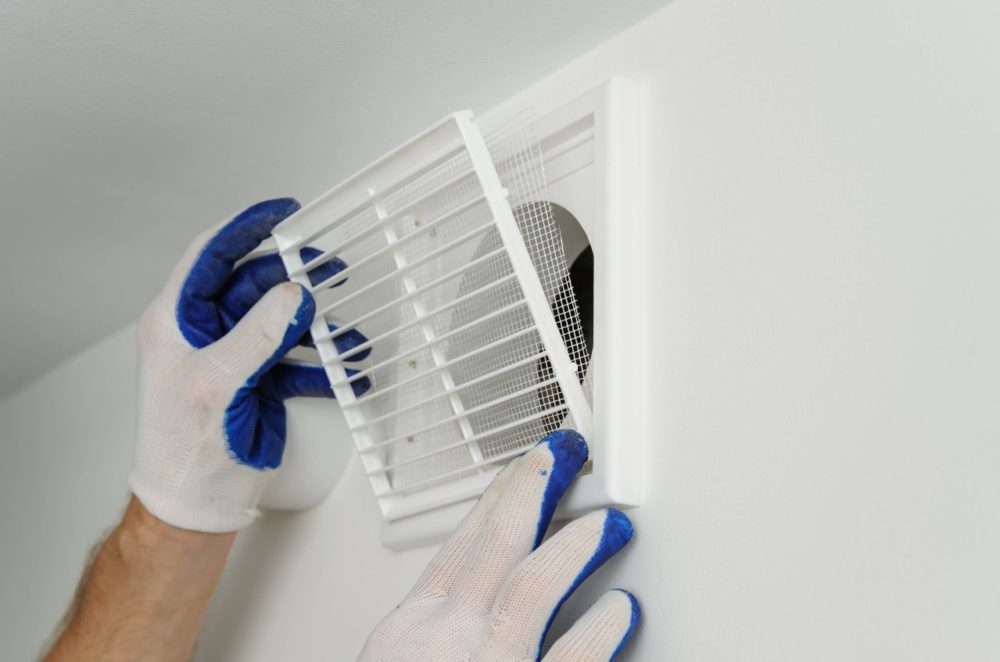
The frequency of unscheduled maintenance is not set. Work begins immediately after defects in the supply system are discovered.
The ventilation network is currently functioning, but does not provide the required air exchange or there is a clear deterioration in the equipment's performance.
The measures consist of two main steps: fault detection through component diagnostics and troubleshooting. Sometimes the problem can be resolved by resetting the forced-air supply system equipment.
The frequency of emergency repairs is similarly not established. The need for such measures arises during the operation of the supply network, when equipment has failed or the channel has become airtight due to the collapse of the old shaft walls.
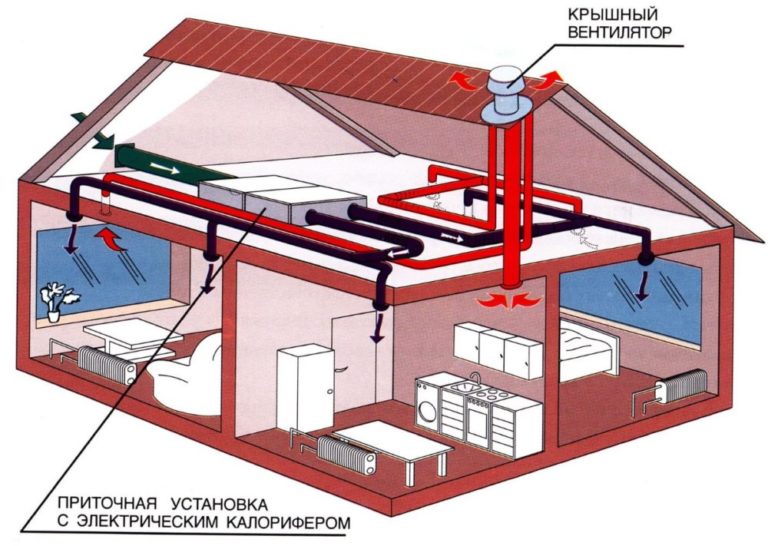
Efforts are made to prevent operational components from becoming unsafe. It is recommended to conduct scheduled preventive maintenance before equipment failures actually occur. This includes:
- dismantling and diagnostics of working units;
- replacement of worn-out components and equipment;
- commissioning works.
Worn-out supply ducts and equipment in older buildings can fail spontaneously. To address the problem, the responsible organization carries out major repairs, partially or completely replacing the affected components.
Frequency of supply ventilation checks
The new version of Government Resolution No. 1885 of October 24, 2022 contains paragraph No. 43, which states that the manager of the service organization has the right to set precise schedules for ventilation inspections in the building. The rules specify the frequency limits—at least once a year.
Supply air networks can be either natural (without electrical equipment) or forced (with fans). The frequency of inspections depends on the design of the engineering system.
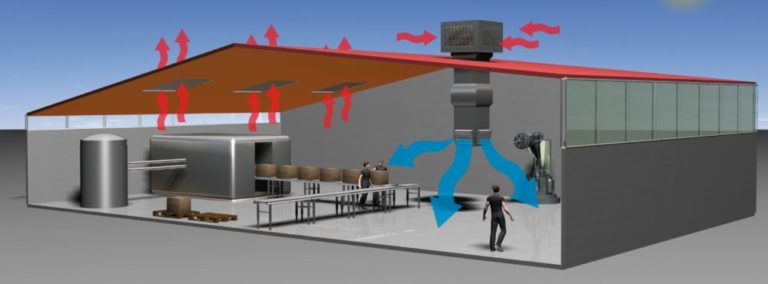
According to general requirements, the following timeframes for technical inspection of ventilation are established:
- before putting a new building into operation or after major reconstruction;
- 2 years after the architectural object is put into operation;
- at least once every 10 years of the building's further operation period.
Depending on the building's intended purpose, inspections are scheduled according to a schedule. The type of utility network is taken into account.
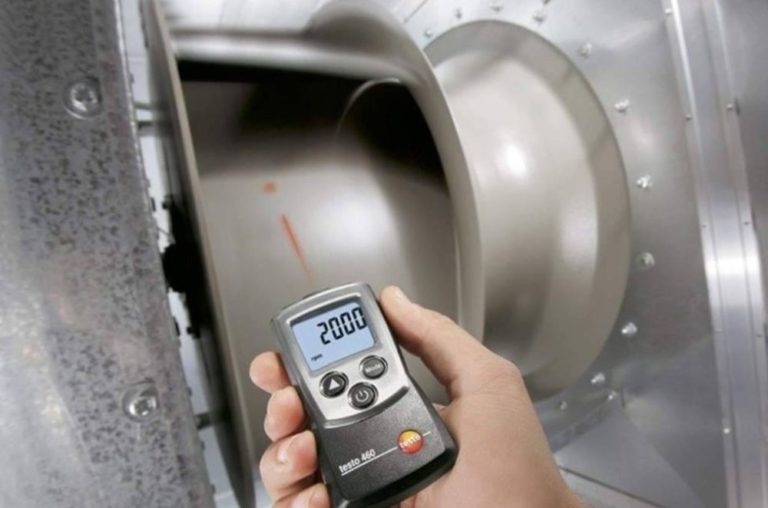
The deadlines for servicing and technical inspection of equipment depend on the type of ventilation system:
- natural – once every 3 years;
- supply – once every 6 months;
- exhaust – once every 6 months;
- mixed supply and exhaust – once a year.
Regarding the frequency of supply ventilation inspections, I'd like to be specific. Depending on the operating principle, the system can be either forced or natural. In mechanical ventilation, the equipment that forces the air to flow can fail.
Therefore, the timeframe for inspecting the condition of working units has been reduced to once every 6 months. For natural supply ventilation There is no electrical or complex mechanical equipment. Technical inspection intervals have been increased to once every three years.
It's important to understand that supply ventilation alone doesn't work. The utility system of any building, regardless of its intended purpose, includes an exhaust duct. Ventilation is more correctly described as mixed or supply and exhaust.
A natural or forced-air supply system is part of the overall utility network. The frequency of equipment inspections is determined individually by the responsible person for each building.
Some industrial facilities require supply ventilation inspections at least once a month. When toxic or explosive substances are released at the facility, the frequency of equipment inspections is reduced to once every two weeks.
Who should check and be responsible for the ventilation operation?
Maintaining a utility system is a complex task that requires the involvement of accredited specialists. The organization managing the building has the right to employ its own staff.
If additional staff is not profitable, it is permissible to enter into an agreement with a third-party company. Federal Law No. 99 of May 4, 2011, the service organization must have a valid license.
Results of the ventilation inspection
The responsible person records the results of all inspections and repairs of the supply system in a log. The format of the document is regulated. GOST R 54982-2012 Appendix No. 14.
The data recorded in the log is used to determine the next inspection dates. The responsible person plans which components and equipment require replacement, repair, or maintenance. The log records the condition of the air ducts, measurement parameters, and other technical information.
Answers to additional questions on the topic of ventilation
The minimum frequency for checking the ventilation system is once a year, but the exact timing is determined by the person responsible for the service organization.
Ducts and equipment are cleaned at least twice a year. The person in charge determines the exact maintenance frequency for each ventilation unit and building, taking into account its intended use.
The emergency system is activated automatically immediately after one of the main ventilation systems stops.
For healthcare facilities, the minimum frequency for checking the operation of forced ventilation is once per year. Routine repairs are performed as needed. All healthcare facilities, except for areas with Class A cleanliness, must have a natural ventilation system installed in addition to the forced ventilation.
The internal walls of air ducts are cleaned at least twice a year.
The louvers and screens in front of the fan are cleaned once per quarter. Natural ventilation grilles are cleaned twice a year. If they are heavily soiled, the cleaning frequency is reduced to once per month.
The exact inspection frequency is determined by the responsible person. The type of utility system is taken into account: natural – at least once a year, forced – once every six months.