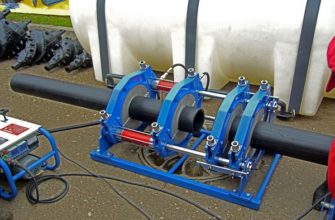
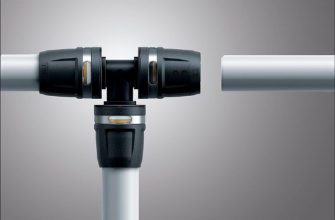
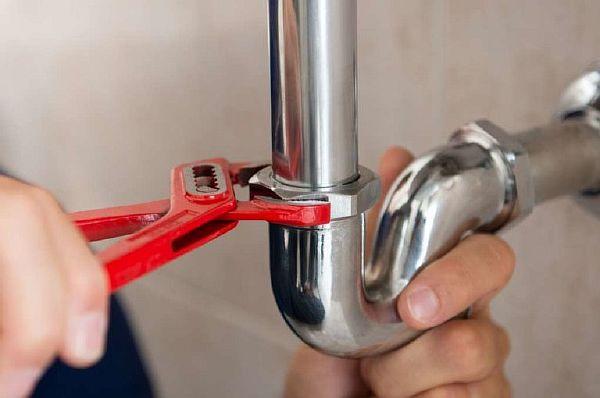
Fittings for HDPE pipes are highly durable and can withstand pressures up to 20 atm. They are available in electrofusion and cast versions. They are used in gas and water pipelines made of low-density polyethylene. They are installed using a special soldering iron. Compression fittings with threaded connections are used only in plumbing systems.
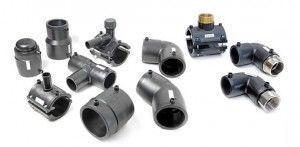
Today, HDPE pipes are used very frequently in construction, which is why the demand for their connecting components is also increasing.
Electrofusion fittings for HDPE pipes they provide the opportunity quickly and efficiently connect elements of any plumbing or gas system made from plastic components.
General characteristics
Electrofusion fittings for cold water supply are also known as electrofusion fittings. They are manufactured using injection molding under high pressure or extrusion from PE80 or PE100 polyethylene. However, in the latter case, the part requires additional processing.
During production, a spiral heating element is installed in them, resembling a thin wire in appearance.
They are also used to connect polyethylene cold water supply pipes. This requires a special welding machine. Electrofusion HDPE fittings in various configurations with diameters ranging from 2 to 160 cm are available on the construction market.
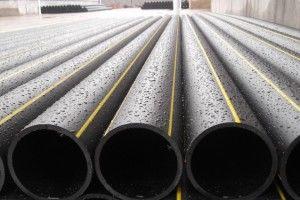
These plumbing products are made from high-density polyethylene, which is wear-resistant and resistant to external negative factors and mechanical damage.
Cold water supply fittings will last for decades, even when exposed to aggressive chemicals and temperature fluctuations.
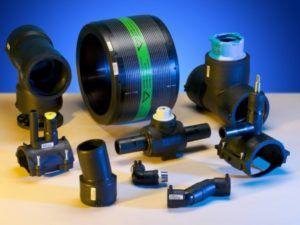
These connecting parts are available in the following types:
- 45 and 90 degree bends;
- couplings;
- tees;
- plugs;
- adapters.
Electrofusion fittings allow you to reliably and hermetically connect components of any system.
They are not damaged by extreme weather conditions and are not subject to oxidation or decomposition, which eliminates the possibility of poor-quality connections and the ingress of foreign materials into the pipeline throughout its entire service life.
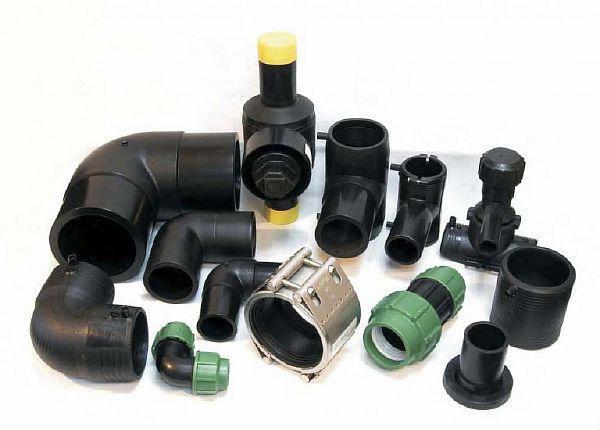
Application front
They are used as connecting elements in household systems made of polyethylene pipes, where the use of butt welding is impossible, since it is not possible to place the welding machine in the right place.
They are equipped with electric heating elements and often come in handy during repair work in emergency situations involving polyethylene pipelines in cramped conditions or extreme weather.
Electrofusion fittings can be installed using either automatic or mechanical welding methods, depending on the type of welding machine. However, speed is definitely an advantage of this type of connection.
These products are recommended for use in cold water supply systems made of polyethylene, where the internal pressure does not exceed 15 atmospheres, and in gas pipelines with a pressure of up to 10 atmospheres.
Connecting cold water supply pipes using electrofusion couplings can be carried out at temperatures from -20 to +50 degrees, which makes it possible to install water and gas communications at any time of the year.
Moreover, high-quality products can last for over 50 years. They are also used for soldering in gas pipeline networks.
Electrofusion fittings for HDPE pipes 32
Polyethylene pipes with a diameter of 32 mm are used for installing sewer and water supply systems. Electrofusion fittings for 32 mm diameter HDPE pipes are made of durable PE100 polyethylene, which undergoes extensive testing.
They are used in the installation of water pipes for transporting hot and cold water, as well as in the case of supplying material under high pressure.
Polyethylene pipes are the best choice. They are sold both in lengths and in rolls (coils), and there's no need to pay extra. You can measure out exactly the amount of material you need.
These fittings are widely used in sewer installations. The material is corrosion-resistant and resistant to any chemically aggressive environment, which is crucial for the longevity of the sewer system.
Another nuance of sewer communications is that they are mainly laid underground, so all components must withstand not only internal pressure, but also external pressure.
At the same time, this arrangement will protect all polyethylene parts from mechanical damage and the negative effects of UV rays.
By taking all the necessary knowledge into account and using these connecting components, you can achieve perfect tightness, reliability, and long-term, trouble-free operation.
Fittings for 32 mm diameter HDPE pipes are used to connect cable routing systems and protect them. It's important to ensure a secure connection and avoid damage to vital components inside.
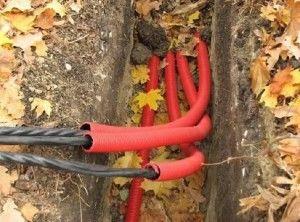 Telephone, television, and electrical cables are often laid in concrete walls or buried in the ground, and HDPE pipes can help protect any cable from moisture and mechanical damage.
By using fittings for pipes with a diameter of 32 mm, you can confidently say that any cable will be protected from adverse external conditions for at least half a century.
Cold water supply systems
Today, HDPE pipes are considered the most popular components for plumbing installation.
These cold water supply products have specific characteristics. They must be marked with special labeling in accordance with GOST standards. The barcode must contain information regarding:
- heating temperatures;
- force of tension;
- optimal welding time,
- cooling time after which the connection will be the strongest.
Properly selected plumbing components in your home or apartment will provide your family with high-quality drinking water.
In this case, the materials of the cold water supply system should consist of high-quality PE pipes painted blue, and electrofusion fittings will ensure complete tightness and durability of the system.
Before purchasing, ensure that all plumbing components are free of foreign matter and unpleasant odors. If any discrepancies are found, such materials must not be used for drinking water supply.
When installing an underground water supply system, electrofusion couplings are the best choice, as burying the structure in the ground significantly reduces the possibility of its prompt repair.
Please note that fittings can only connect samples of the same diameter.
This means that the connecting elements that are intended for samples with a cross-section of 32 mm are not suitable for connecting pipelines of a different diameter.
Preparatory work and welding process
If there is a need to connect pipes for installing a cold water supply system underground, it is better to use electrofusion fittings, which are used specifically for welding "underground" systems.
Video: Welding Polyethylene Pipes
- cutting the pipe perpendicular to the longitudinal axis;
- degreasing the cut and connecting element with alcohol;
- welding is carried out at temperatures ranging from 200 to 260 degrees;
- It is important to ensure optimal heating of the joint and not to overdo it;
- the pipe is fixed in the fitting for 10-30 seconds;
- cooling.
Video: Welding a Polyethylene Pipe
Innovative technologies make it possible to produce HDPE cold water supply pipes with the highest performance characteristics and at an affordable price.
Electrofusion fittings for HDPE pipes allow for high-quality assembly of cold water supply systems or any other pipeline.