In a water-heated floor system, water (distilled, from a well, with the addition of alcohol) is mainly used as a heat carrier, but antifreeze can also be added.
From this article you will learn, In what cases should one or another liquid be used, let's consider their positive and negative sides, and operating features, and we will also find out which liquid is best suited for water-heated floors.
What liquids are used in heated floors?
A heat transfer fluid is a heated liquid that circulates through the heating system, warming the floor surface. There are several types of heat transfer fluid suitable for hydronic heating systems.
To understand what is best to use in heated floors, let's look at their characteristics, pros and cons of each liquid.
Water
Ordinary water is most often used as a coolant for both open and closed heating systems; it is readily available and virtually free. Let's consider the positive qualities of this liquid:
- It is environmentally safe for people, as it is a natural product;
- has a high heat capacity, which allows you to heat the room well;
- It has minimal viscosity, so it requires minimal effort to pump it through pipes.
However, water has a number of disadvantages that affect heating quality. These include:
- Sensitivity to changes in ambient temperature, which leads to changes in physical properties. At very low temperatures, the liquid freezes, which can lead to a rupture of the pipeline. However, this is important if the house is not a permanent residence and the floor is not in constant use.
- The presence of various impurities that, over time, settle on the walls of the pipeline, reducing the flow rate of the main line and heat transfer.
- Oxygen concentrations increase the corrosive properties of metal pipelines. Proper pipe selection can reduce the severity of corrosion. Choose pipes with low oxygen permeability and an additional layer that prevents oxygen from penetrating into the pipeline.
- The need to replace the entire coolant in heated floors is once every six months, or at most once a year.
Maintaining the required water volume in underfloor heating is possible without much effort. Boiling the water is sometimes recommended to reduce hardness, as this removes excess salts. Adding baking soda also improves performance.
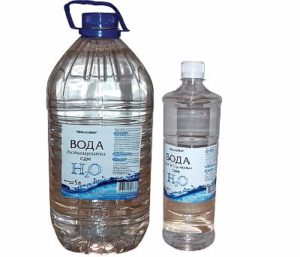
Distilled water
Distilled water is another type of liquid used in underfloor heating systems. Its basic properties are similar to those of plain water, but distilled water is more expensive than tap water. It's worth noting that using distilled water will reduce the risk of problems with the piping system, as it contains minimal impurities.
Some argue that using distilled water in heating systems is unacceptable. Its pH value decreases upon exposure to air, increasing the liquid's acidity and leading to acid corrosion. Therefore, it's best to consult with specialists; they will select a heat transfer fluid based on your system's characteristics.
Water from a well
Well water is unsuitable for heating systems due to its chemical composition. It is untreated and contains high levels of iron, fluoride, and calcium, which precipitate and deposit as scale.
Furthermore, its chemical reaction with air leads to the release of acid and the formation of corrosion. All this affects the condition of the system, accelerating its failure. Cleaning the pipeline of deposits and slime will be required.
Therefore, pouring this type of liquid into heated floors and radiators is not recommended.
Antifreeze for underfloor heating
Antifreeze — a chemical solution based on synthetic substances. It is a polyhydric liquid containing alcohol, specifically designed for use in heating systems.
It contains chemical additives that improve the fluid's physical and operational properties. This means they reduce scale formation and corrosion on pipeline walls. However, corrosion can occur on metal components, so the use of gaskets made of resistant material is required.
Using automotive antifreeze in underfloor heating is prohibited. Antifreeze specifically designed for this purpose may be used in the heating system.
The main difference between antifreeze solutions and other liquids is that they do not freeze at subzero temperatures, which is why they are also called "antifreeze." Depending on their chemical composition (the amount of additives), they can withstand subzero temperatures ranging from -35 to -65 degrees Celsius without freezing. Even if they do freeze, they form a gelatinous substance rather than a solid.
After the temperature rises, the antifreeze returns to its original state, without increasing its volume. However, it's worth noting that antifreeze is expensive. Furthermore, compared to water, it's more fluid, which can lead to leaks.
This is especially dangerous when using ethylene glycol antifreeze, as this substance is toxic. Its anti-corrosion properties should also be mentioned; adding appropriate inhibitors reduces the corrosion process.
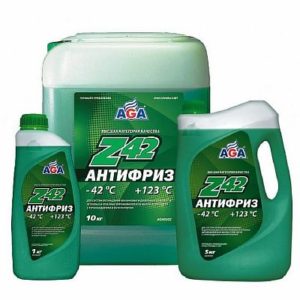
Different brands of antifreeze have different quantities and compositions of additives, which determine their properties. Therefore, it's best to familiarize yourself with the different types of this coolant in advance.
There are two types of antifreeze:
- Ethylene glycol is a chemical, oily, transparent, colorless, and odorless substance containing hydrocarbons. Ethylene glycol is a liquid classified as a Class III hazard. Ingestion, or even prolonged inhalation of its vapors, can be fatal. Therefore, its use is permitted only in closed heating systems. Gloves and goggles should be worn when handling it.
This type of antifreeze is affordable, and therefore widely used despite its toxicity and the fact that it foams when heated.
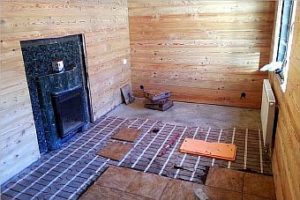
Furthermore, when this coolant overheats, a reaction occurs that leads to precipitation and a reduction in its heat transfer. The substance is chemically active, which increases its corrosive potential compared to other types of antifreeze.
- Propylene glycol is a viscous, colorless liquid that is non-toxic and even used in perfumery. When using this substance a powerful pump is required, as it has a denser and more viscous composition than water. This type of antifreeze is more expensive, but it is safe for humans.
When comparing propylene glycol with other liquids, it can be said that its heat capacity is two times lower and its thermal conductivity is three times lower than that of water.
Manufacturers state that antifreeze fluids have a service life of two years, after which they gradually lose their effectiveness. However, in practice, antifreeze can last longer. However, excessive use is not recommended. It's best to replace the coolant every 3 to 5 years.
Propylene glycol-based antifreezes are usually colored green. Many of these products are labeled "Eco." Ethylene glycol-based antifreezes are typically colored pink.
Industrial alcohol
Experts recommend mixing industrial alcohol with water and using this solution in underfloor heating systems. This lowers the freezing point of the coolant, but the fluidity and heat capacity of the liquid remain unchanged.
This composition also has its drawbacks: the boiling point of this mixture ranges from 75 to 90 degrees. However, as is well known, overheating the coolant for underfloor heating is not recommended.
Which coolant is best for underfloor heating?
If you've decided to install hydronic underfloor heating in your home yourself, it's important not only to choose the right components for the future system but also to select the right fluid to act as the heating medium. This selection should begin when designing your hydronic underfloor heating system.
All standard designs are calculated for water. If antifreeze is used, the calculations must be adjusted to account for the technical specifications of the equipment.
Water is ideal for spaces where underfloor heating is used continuously, such as apartments or country houses where permanent residents live. This heat transfer fluid is inexpensive and environmentally friendly.
For country houses, balconies, and garages, water is not a suitable coolant, as the floor is not constantly in use, and water tends to freeze at subzero temperatures. For such spaces, antifreeze is recommended, as it does not freeze even at very low temperatures.
Ethylene glycol-based antifreeze can be used in heated floors on balconies or garages. It's less expensive than propylene glycol, and its increased chemical hazard in areas where people spend limited time will not pose a health risk.
A common question is: what should I put in my dacha's heating system? We believe propylene glycol antifreeze is best. While it's more expensive, it's free of harmful chemicals.
If funds permit, this brand of antifreeze is also recommended for residential cottages. It will make underfloor heating work more efficiently, and you will have fewer problems with the heating system in the future.
If a solid fuel boiler is installed in a house or cottage, then antifreeze cannot be used, since when overheated, it loses its properties.
When choosing a coolant for a water heating circuit, you need to consider not only your preferences and financial capabilities, but also the conditions in which the device will be operated.
If you live in a harsh climate, it's best to add antifreeze; this will make your underfloor heating more efficient. It's also best to choose a safe, propylene glycol-based antifreeze.



A very detailed article with all the nuances. Thank you, I'll now be more careful when choosing a coolant. The chemical properties of antifreeze are described clearly and accessibly; I finally grasped the differences between the types. Overall, the site has a lot of interesting articles; even as a professional, I find them very useful to read and learn something new.
Finally, someone put everything into perspective for me; the information is all over the place. This is something worth taking note of! I've always had a lot of doubts about using distilled water when installing underfloor heating; my neighbor, a mason, insisted it wasn't necessary. But I still believe a water-based system is more effective and safer than one using antifreeze alone. Antifreeze is fine for a garage.
Hello. We raised the temperature of the heated floor during the cold weather, but for some reason it didn't get warmer, but became even weaker. What can we do?
It got cold at home.
If the underfloor heating temperature hasn't increased, but has instead become cooler, there may be a problem with the system. It's recommended to contact a specialist who specializes in underfloor heating installation and maintenance to analyze the situation and recommend appropriate solutions. The pump, temperature control system, or other components may need to be checked.