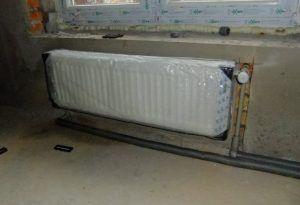
 Heating pipe installation is a key component of any heating system, ensuring a healthy indoor climate. The longevity of the installed system depends on more than just the quality of the pipes used.
It's crucial that the installation be of high quality. To do it properly, it's essential to thoroughly understand the different types and techniques involved.
Heating piping installations vary. The main types include:
- Laying underground.
- Outdoor placement method.
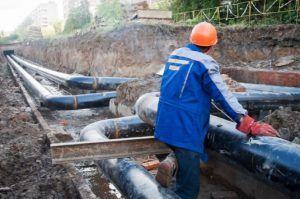 Mains are often laid underground. The first type is the channel type, which is divided into the following types:
- A through channel. Long pipelines are laid through it and it offers easy access for repairs.
- Semi-passable. They are used when line inspection is not required frequently.
- Impassable. These canals are used in 90 out of 100 cases. The remaining 10 are passable and semi-passable.
The second type is trenchless installation. It's advantageous because it requires minimal excavation work.
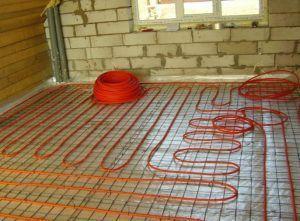 Regardless of the type of main line, the installation of piping for the heating system is carried out in the following ways:
- In an open way.
- Hidden.
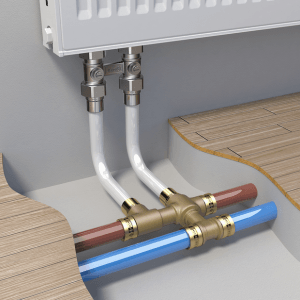
- In the floor.
Most often, aesthetics is the determining factor in this choice. The technical aspects of the heating network remain unchanged by the chosen installation method. However, the pipe material, its thermal expansion, and cross-section play a very important role.
Optimal diameter for heating a house
Video
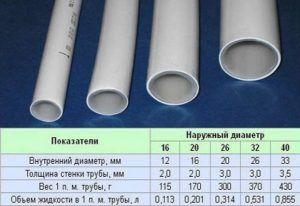
When purchasing work supplies, you need to consider not only what they are made of. You also need to consider length and diameter pipeline.
Many people mistakenly believe that increasing the diameter improves network efficiency. However, this is not true. If the diameter is too large, the pressure in the pipeline will drop to a minimum, which will lead to a complete shutdown of heat supply to the home.
When choosing a diameter, it is best to use the following characteristics as a guide:
- Internal volume. This is the main indicator that shows the diameter of the internal cross-section.
- External volume. This indicator is used to classify rolled pipe materials. It can be: small (from 0.5 to 10.2 cm); medium (from 10.2 to 40.6 cm); large (exceeding 40.6 cm).
- Conventional volume. A diameter value expressed in inches or fractions thereof.
Video
Experts recommend entrusting this work to specialists who will perform all precise calculations of the heating pipe diameter very quickly and accurately.
You can rest assured that the heating network installation will be carried out without errors, and no redoing will be necessary. This will help avoid additional financial investments.
Installing underfloor heating
Video
Not everyone recommends laying heating pipes in the floorThe future structure, at a minimum, must be durable, as it will have to withstand pressure from both outside and inside. Furthermore, the network components must be resistant to corrosion.
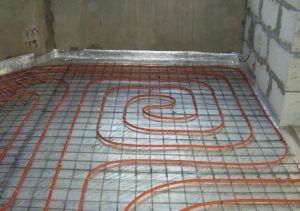
Based on the above, we can conclude that the following pipes can be used for the floor:
- CopperThese are the most expensive. They fully comply with all regulatory requirements for concealed installations. This is because they do not allow oxygen to pass through, are corrosion-resistant, and are highly durable.
- Polymer types of vapor-impermeable plasticThey withstand internal and external pressure well and are completely resistant to corrosion. However, they are not very durable. Based on this, it is recommended to lay these pipelines in a cement screed., it plays the role of a protector.
- Metal-plastic (composite products consisting of several layers, mainly a combination of polyethylene and aluminum). These pipes are very durable, have sufficient hardness, and are resistant to corrosion. Given these characteristics, this type of underfloor heating pipe has a significantly lower price than its copper counterparts. This type of rolled pipe is worth considering.
The technology for installing underfloor heating is determined based on the type of pipes, their diameter, and wall thickness. It is also recommended to avoid cutting in and other butt joints using fittings.
IMPORTANT! Underfloor heating pipe routing is carried out using a pre-prepared diagram. A convenient solution is to use a pre-made diagram, which is marked on the waterproofing or thermal insulation substrate.
Video
Glass fiber reinforced pipes in the heating system
Fiberglass heating pipe refers to to the most modernThese heating options are lighter than their metal counterparts, flexible, and offer excellent resistance to corrosion and chemicals.
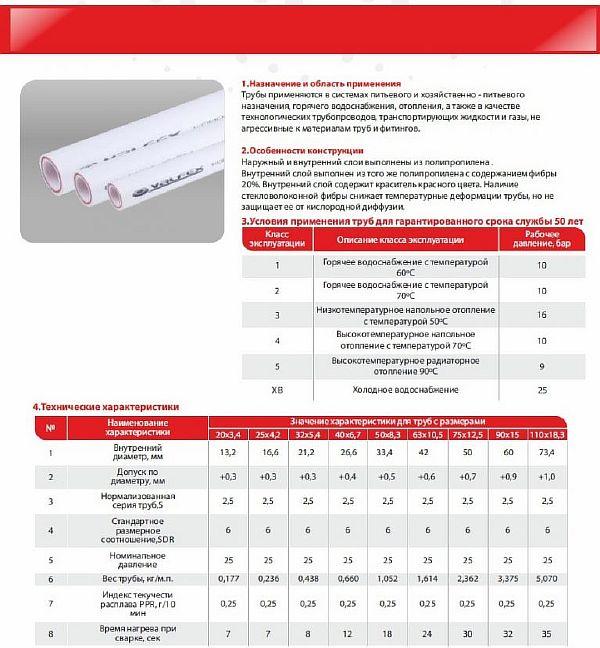
A significant advantage in this case is the durability and environmental safety of the product.
The fiberglass-reinforced blank is a three-layer composite. A fiberglass core is welded to polypropylene particles from the middle and top layers.
The resulting high-strength structure is characterized by a very low coefficient of thermal expansion.
Video
The fiberglass-reinforced heating element is highly elastic. This ensures the necessary flexibility, significantly simplifying the installation of the heating main.
The time spent on installing the system is also reduced because fiberglass-reinforced types do not require preliminary cleaning of the aluminum layer.
Video
They are characterized by minimal thermal conductivity, therefore, they are ideal for open-pit pipelines.
Average prices by region
When considering heating pipes, it is important to note that the price per meter depends on many factors.
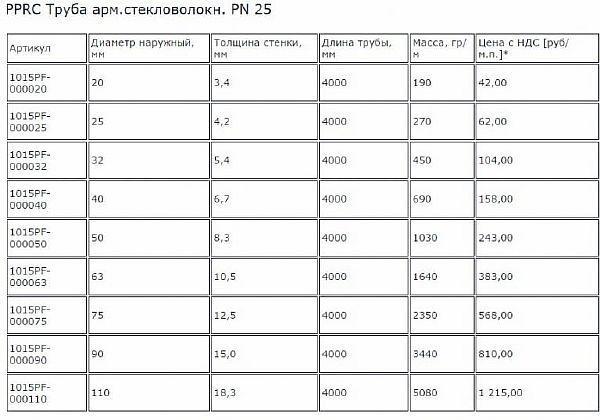
The price in this case depends on the diameter, wall thickness, and manufacturer. German manufacturers are considered the leading producers of polypropylene heating materials.
Their products are priced at up to 480 rubles per linear meter. Czech manufacturers are next in line. The price per linear meter of reinforced products is around 250 rubles.
Turkish products are in high demand among buyers. In this case, you'll pay between 150 and 210 rubles per linear meter.
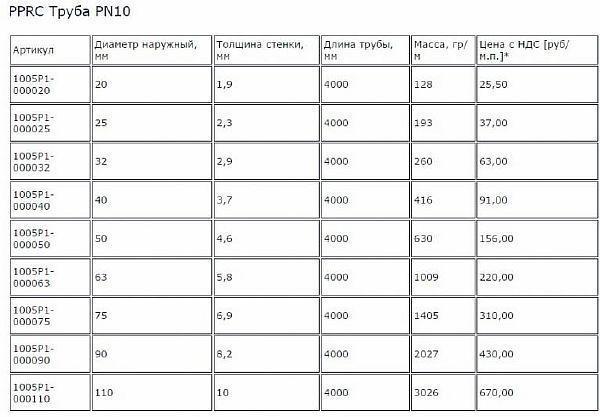
Products from domestic manufacturers are considered to have a good price-quality ratio. The cost per linear meter in this case ranges from 130 to 170 rubles.
Copper products are considered elite due to their technical characteristics and high cost. However, in this situation, the price is fully justified by the reliable operation of the home's heating system.
Copper pipes have a long service life; they will last the entire life of your home. High-quality copper blanks are readily available at any online store.
Our managers will provide effective support during your purchase and help you choose products from the best manufacturers at the best prices.
Metal-plastic materials have become a successful alternative to traditional cast iron products. Their affordability and excellent technical characteristics make them very popular with consumers.
Video
When purchasing these and other products, it's important to choose trusted brands. Only a pipeline made from high-quality materials will function reliably.
Heating pipe installation is a crucial aspect. When installing heating pipes, it's important to remember that the final sealing of the heating main can only be performed after a thorough inspection. Otherwise, the entire structure will have to be dismantled and rebuilt.