 Not everyone knows what a toilet waste pipe is. For those unfamiliar with plumbing, these words mean absolutely nothing. So, what is it? If you translate the word "waste" from English, it means "fun." Consequently, this concept wasn't borrowed. However, those who have encountered this type of pipework during renovations will explain these concepts better than anyone else.
Most often, such pipes are an extension of the drainage system. Their function is to remove waste liquid. On one side it is sealed with a rubber band, which seals the connection with the toilet.. And the other side is connected to the internal drain wiring connector.
IMPORTANT! All liquid drains into this area: from the dishwasher, washing machine, bathtub, or toilet. For obvious reasons, this liquid has an unappealing odor. Therefore, removing the waste pipe yourself is not recommended.
Why are such systems installed, their purpose and scope of application
This type of pipe is easy to identify. To ensure good flow capacity, it has the largest volume. These pipes come in a variety of lengths. It's also worth noting that they can be not only vertical but also horizontal. Sometimes they have angles.
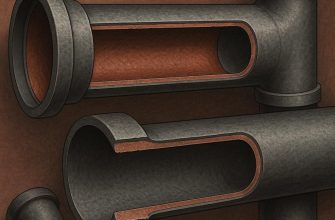
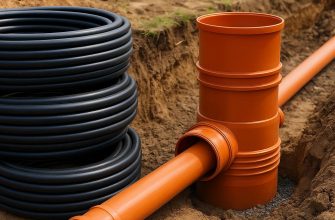
Previously, cast iron pipes were used in this system, but they were heavy and fragile. Recently, this type of pipe has been replaced by plastic pipes, which are lightweight, durable, and reliable.
Such piping is widely used in both multi-story and private buildings. For example, wastewater flowing downwards created a pump on the middle floors of an apartment building. To prevent this, the sewer riser is extended right up to the ceiling, leaving it uncovered.
If such a network is installed correctly, it simply pumps out air pockets and prevents liquid from flowing from the toilet elbows to the lower floors. This network is commonly known as a waste system; if it isn't installed in a house, an unpleasant sewage odor will inevitably develop.
This type of network is also successfully used in private homes. However, installing it only makes sense if the house is at least two stories tall and has several bathrooms.
Watch the video
IMPORTANT! Experts say toilet vent systems are essential for ventilating the drain system. They help prevent unpleasant odors caused by the small diameter of modern traps when the toilets are not used for about six days.
Corrugated pipe for toilet
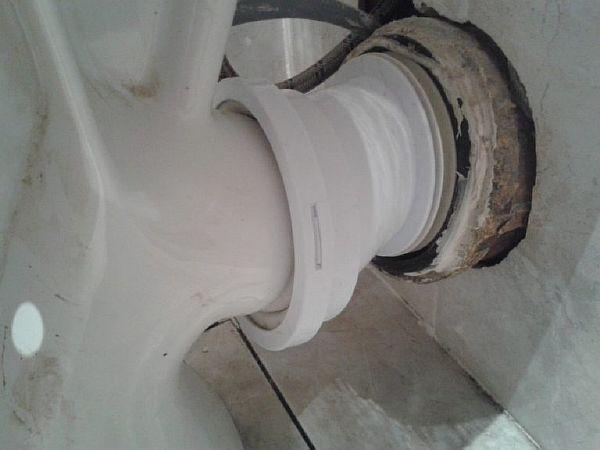
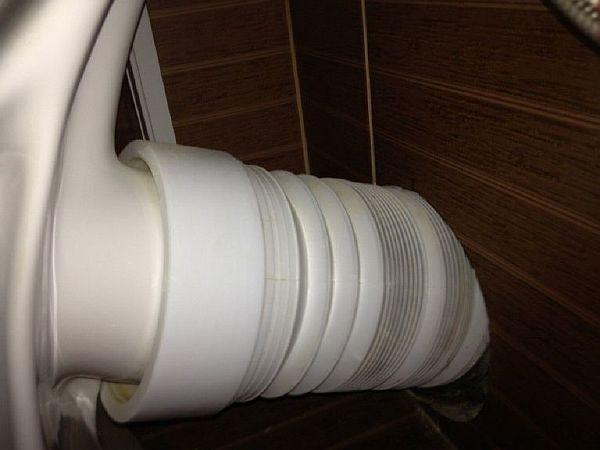 Corrugated toilet waste pipes deserve special attention. In the not-so-distant past, replacing a toilet's corrugated pipe required professional help. Modern materials have replaced the old, bulky elbows, making this replacement possible. Corrugated toilet systems are most often made of plastic. These elbows are used not only for toilets but also for sinks and bathtubs.
Corrugated pipe has a very long service life. However, experts strongly recommend using products from foreign manufacturers. Unfortunately, domestically produced products in this range are not known for their quality, which is one of the determining factors in this case.
When installing a corrugated pipe, it should be thoroughly inspected for damage beforehand. There shouldn't be any. The outlet end of the system should also be thoroughly cleaned.
The corrugated pipe is inserted with the membrane side facing forward, and it's important to ensure that it covers the inlet to the correct depth. When working, ensure that the pipe is inserted as evenly as possible, with no distortions.
Watch the video
Check valve for waste pipes
If a sewer line becomes clogged and isn't repaired promptly, wastewater can back up into the home. To prevent this, a check valve is installed. It not only prevents wastewater from backing up but also prevents rodents and other debris from entering.
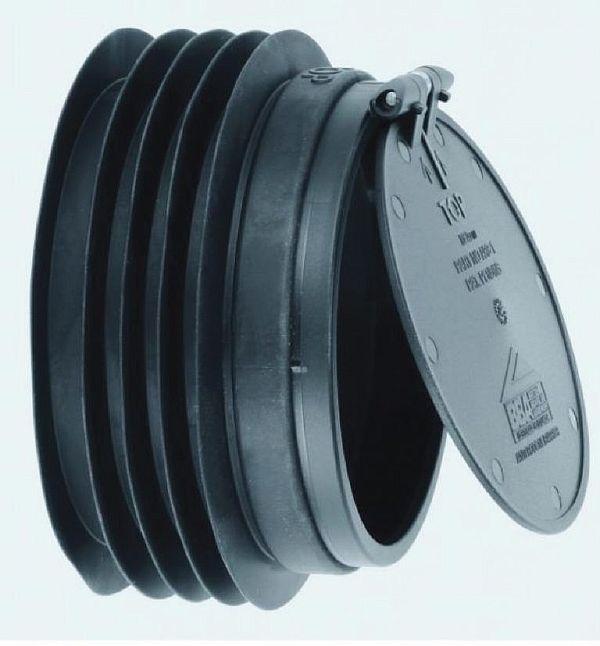
Design features and types of valves
These components have fundamentally different designs. For example, pressure toilet line options, which are designed to prevent liquid from backflowing, have two connections. One is the inlet, and the other is the outlet.
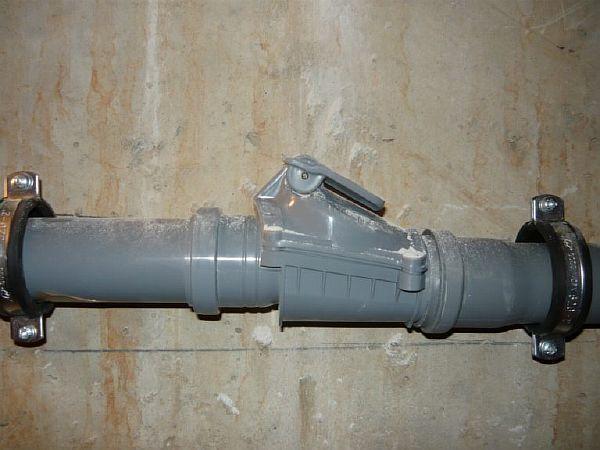 The valve chamber is equipped with an air-filled ball, which, when liquid backflow occurs, creates pressure on the membrane. The membrane, in turn, completely closes the chamber, preventing liquid from entering the pipe.
The material used for manufacturing is metal or plastic. Metal options were previously preferred, and they are still sold today. However, with the advent of plastic toilet systems, PVC valve fittings are increasingly being used.
TIP! To ensure long-lasting service, these devices require regular cleaning. A removable lid is provided for this purpose. Additionally, all devices are equipped with shut-off valves, allowing you to shut off the water supply if necessary.
Installation and replacement of valve parts
Such components are installed during network installation or dismantling at the junction of the pipe assortment, or by tapping into the network. It is important to note that the valve volume must match the pipeline dimensions. If this is not possible, an adapter must be installed.
Some tips for this type of installation:
- When choosing a location for installation, you need to remember that it must always be accessible later.
- Each model has an arrow indicating the direction of fluid flow, which must not be violated during operation.
- The arrow must be directed towards the waste collector, then it will function properly.
- Before work, it is necessary to test the device for leaks.
- If the seal is poor, it will cause high vibration and noise during operation. To fix this, you'll need to remove the cover and replace the valve. Alternatively, instead of replacing the entire valve, you can install a different sealed trim. It's very easy to remove.
Installation of a toilet waste system
A sliding waste pipe for toilets is easy to install. It is manufactured from sewer grade pipe of the appropriate volume.
According to building regulations, a toilet expansion joint should only be installed in warm rooms. If there's insufficient heat, the system will freeze. In this case, vapors from the expansion joint will dissipate poorly, and the joint will quickly become covered in a green, sticky film.
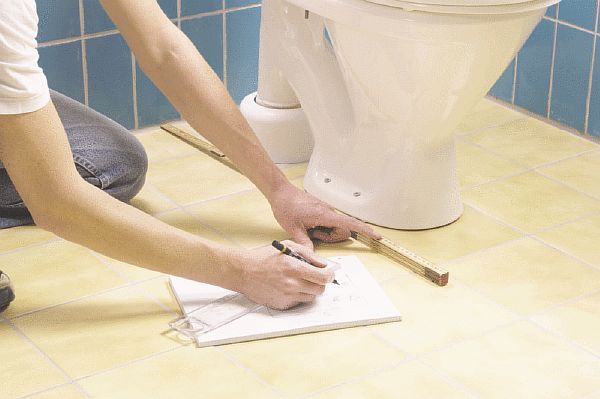 If the sliding pipe becomes clogged and isn't repaired immediately, fluid may back up. Therefore, when installing a sliding system, a check valve is installed immediately to prevent this problem.
Having examined the question of why such a system is needed, it is necessary to consider the main stages of its installation.
Installation instructions:
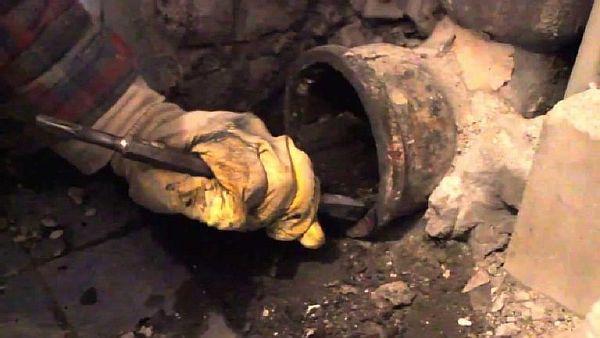
 First of all, the old drain line needs to be removed. Old cast-iron systems have reached the end of their lifespan and are being replaced en masse with modern plastic ones.
- When dismantling, it's important to remember all safety rules. First, disconnect the riser and connect the structure's components in stages.
- The offset toilet waste pipe is installed starting from the lowest stiffness level in the system riser. If the work is being carried out in private homes, installation should begin at the base of the foundation.
- A hole is made in the supporting structures and a waste pipe is inserted into it at an offset. Clamps are used to fasten it..
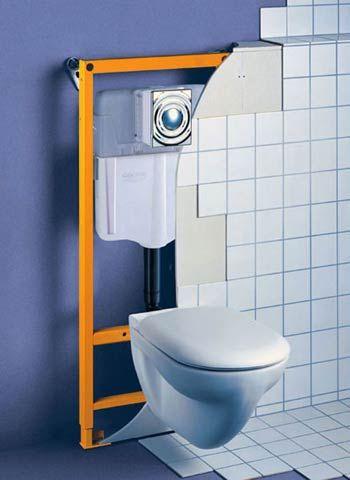
- After the offset pipe product and all plumbing fixtures have been installed, a pipe outlet is connected to the toilet.
- Flexible tubing with offsets often creates difficulties when mating with other tubular products. To simplify this process, it is recommended to pre-lubricate the O-rings with liquid soap. Silicone can also be used. This will also facilitate insertion.
- When installing a wastewater network, metal clamps are essential. Experts advise against using other materials. Only metal can ensure the required strength and reliability of the structure. It also allows for any deviations from the marking line that may occur during the installation process. A standard pin on each clamp allows for precise adjustment of the fastened components.
- Soundproofing of the assembled network is carried out using mounting foam and mineral wool.
Repair work
When repairing this system, the following must be taken into account:
- The volume of the tubular product must be greater than or equal to the riser.
- The end of the pipe should be positioned in such a way as to allow the unpleasant odor to escape.
- These networks are installed in heated rooms and terminate in cold rooms. They are not installed in attics, as this will cause foul odors to permeate the rooms.
- The design of the home is linked to the ventilation systems, as they are especially visible in the attics and roof.
- This type of network is repaired by connecting to one drain riser, while the remaining risers are equipped with valves.
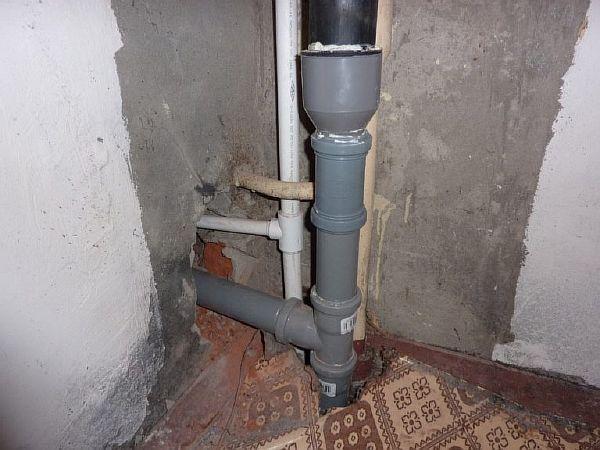
The material presented shows what it is waste pipe (see sewer), and makes it clear that, despite the simplicity of the installation procedures, all work must be carried out strictly according to existing regulations. And if any difficulties arise, you can always contact specialists for qualified advice or assistance.
Watch the video