When a question arises about how a grille with a check valve for natural ventilation is better than an analog without a shut-off mechanism, I immediately want to tell about the reverse thrust effectThe damper prevents dirty air from an adjacent room or polluted environment from entering the room.
The device is installed by fixing it to the wall using self-tapping screws, liquid nails or mounting plates in the area of the ventilation opening.
I'll cover the design, types, and operation of grilles in more detail in this article. I'll also provide step-by-step instructions for installing the ventilation unit and answer frequently asked questions.
- Problems of poor ventilation and methods for solving them
- Device, principle of operation
- Types of grilles with valves, installation location
- Single-leaf model
- Double-leaf model
- Membrane model
- Petal model
- Step-by-step instructions for installing the grille
- Materials and tools
- Step-by-step installation instructions
- Recommendations for safe installation and operation
- Answers to frequently asked questions
- Video about ventilation grilles with a check valve
Problems of poor ventilation and methods for solving them
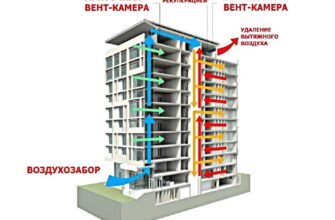
Regardless of the ventilation type, the system operates properly when both an exhaust and an intake duct are present. Dirty air from the room is removed through the exhaust duct. Fresh, clean air is drawn in from outside through the intake duct.
A problem with utility systems arises when air masses begin to flow in the opposite direction. This effect is called reverse draft, and the following factors influence its creation:
- insufficient or complete absence of inflow;
- clogging of one of the ventilation ducts with debris;
- failure of mechanical components responsible for controlling the movement of air flows;
- use of mechanical hoods greater than the calculated capacity;
- failure to take into account the wind rose when designing the ventilation ducts exiting the building;
- Simultaneous operation of several mechanical devices to exhaust air in an engineering system.
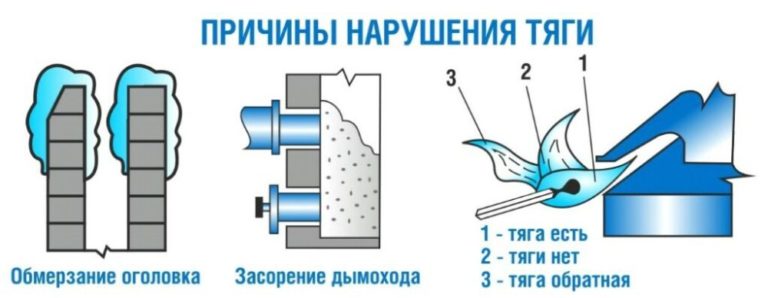
No ventilation system is immune to backdraft. A hood grille with a shut-off mechanism will help prevent dirty air from returning to the room. All about ventilation in the bathroom and toilet: standards, types, installation options
Device, principle of operation
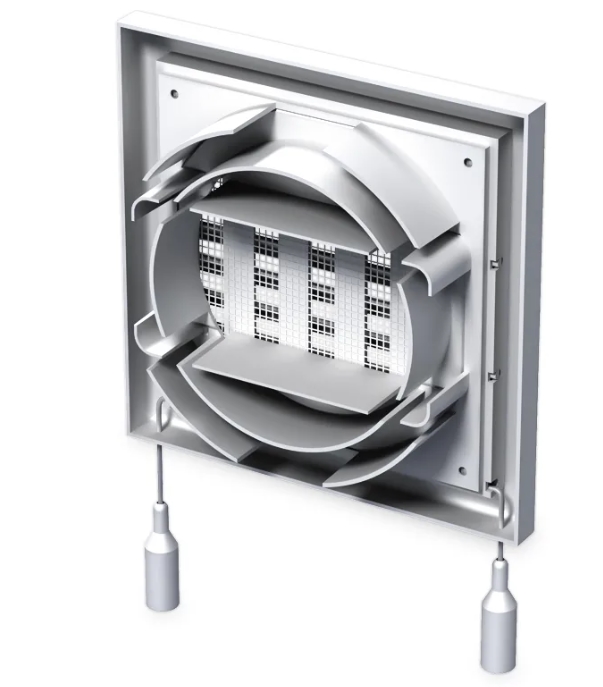
The ventilation unit consists of three parts – movable, fixed and fasteningEach element has its own purpose:
- Fixed part A louvered grille is a duct-mounted, closed ventilation grille with a housing and mounting hardware. In addition to its decorative function, it also serves a protective function. The louvers prevent large debris and birds from entering the ventilation duct, which could cause the damper to jam.
- Movable part A non-return air damper is a petal-shaped valve capable of completely closing the air duct opening. It consists of one or more parts, following the contour of the air duct. The closing element is made of plastic, galvanized, or a flexible membrane to prevent corrosion in high-humidity conditions.
- Fasteners – this is a flange with mounting holes for fixing to a wall or air duct.
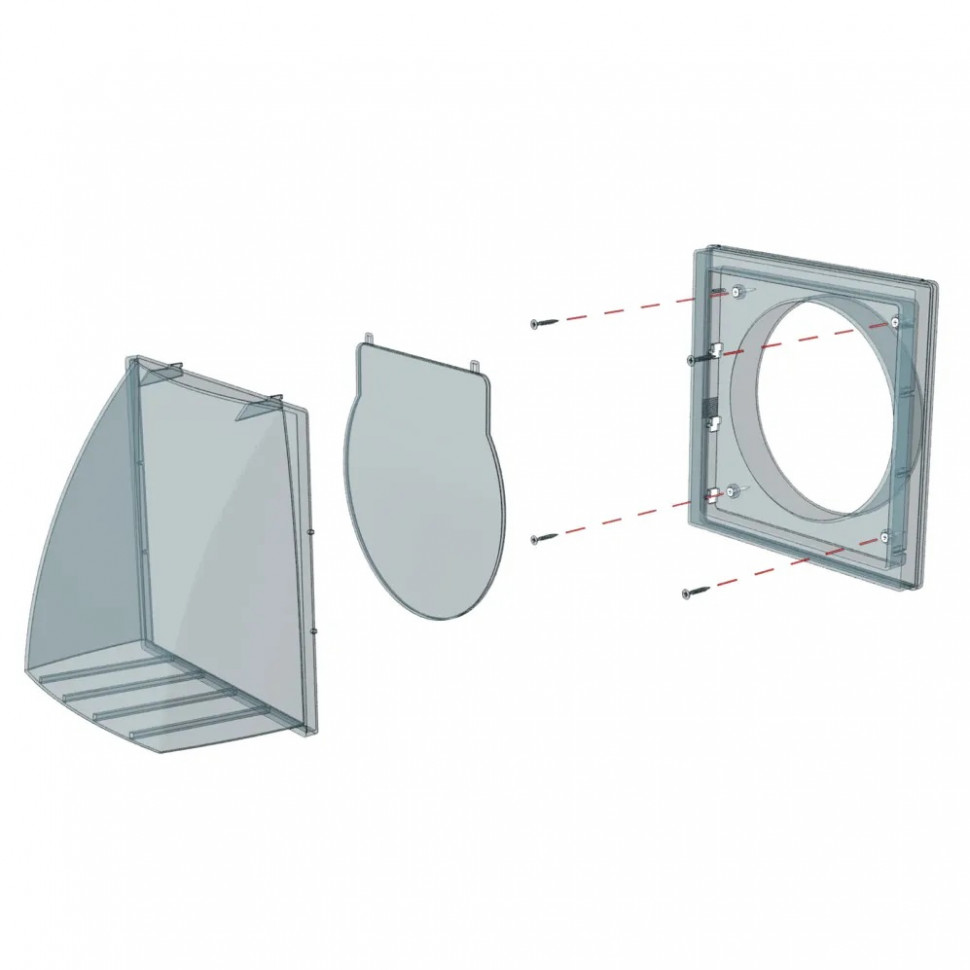
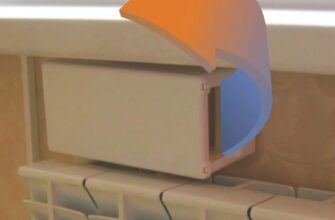
The range hood uses a ventilation grille with a check valve, which operates according to a simple design. Air leaving the room opens the damper. When backdraft occurs and the air flow direction reverses, the incoming air closes the damper.
The damper fits tightly into the housing, preventing contaminated air from entering the room. A decorative grille prevents large debris carried by the supply air from entering the duct.
Advantages and disadvantages:
- The channel, protected from contamination by large debris, does not become an obstacle that reduces the performance of the hood.
- When closed, the damper prevents street noise from entering the room through the air duct when the exhaust ventilation is not operating.
- A closed damper prevents backdraft, preventing dirty air from entering the room from adjacent spaces.
- When closed, the check valve prevents cold from entering the room through the inoperative hood during winter. This reduces heat loss in the home.
- A grille with a valve is inexpensive, easy to install, and maintain. The unit is available in a variety of designs, allowing you to match the ventilation component to your room's interior.
- The movable damper can freeze in winter due to the formation of condensation in the channel due to the temperature difference.
- The moving mechanism and mounting socket become contaminated with cobwebs, dust, and dirt. Periodic cleaning of the working unit is required.
- The presence of slats on the decorative trim and valve narrows the air duct opening, reducing the hood's performance.
These shortcomings are easily remedied. A heater prevents the damper from freezing in winter. Before purchasing a device, choose a model with a heater.
The working unit is easy to clean of dust and cobwebs, spending about 30 minutes of your time once a month or less. The grille cover and damper do not restrict the air duct opening so much that it requires protection.
Types of grilles with valves, installation location
Grilles are made of plastic and metal. PVC products are designed for indoor installation when ventilation between rooms is required. A plastic ventilation grille for a range hood can be installed in a kitchen, separate bathroom, or en-suite bathroom.
Check valve prevents the return of dirty air from the adjacent roomFor example, unpleasant odors won't travel from the bathroom to the kitchen through the shared ductwork. Plastic is corrosion-resistant, and moisture in specific rooms is common.
Plastic is weak and is susceptible to damage from frost, sun, and heat. It's best to cover the ventilation ducts from the outside with metal shutters. The ventilation unit is made of stainless steel or ferrous metal with an anti-corrosion coating.
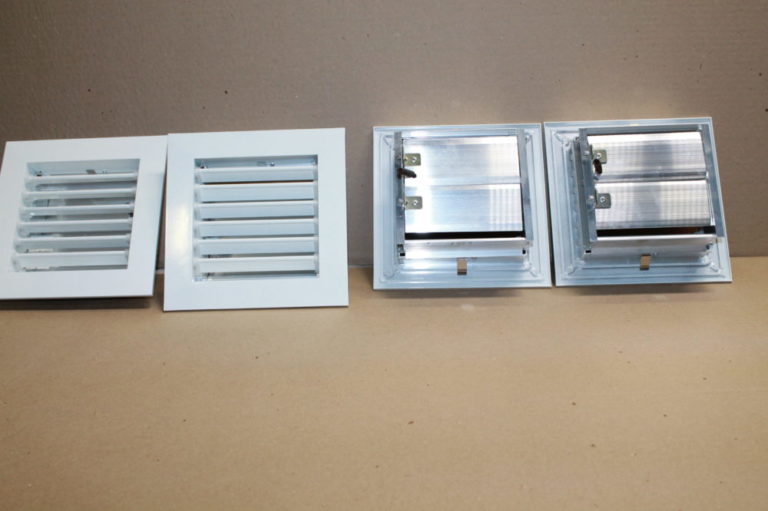
Ventilation elements come in round and rectangular shapes. The general design of all devices is the same, but the design of the check valve varies.
Single-leaf model
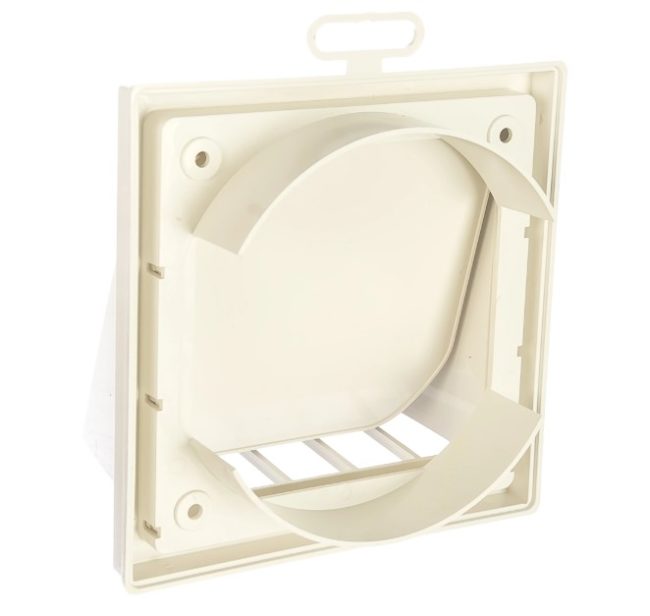
The ventilation grille is equipped with a single flap rotating on an axis. The flap can be mounted centrally with a counterweight or offset relative to the housing.
TO advantages refers to a simple design. Flaw – requires strict vertical or horizontal installation. The slightest misalignment can cause the petal to hang.
As an example, I will give the gravity model ERA ASA 1515K12.5FV made of white plastic, measuring 150x150 mm. The device costs 492 rubles on Yandex Market..
Double-leaf model
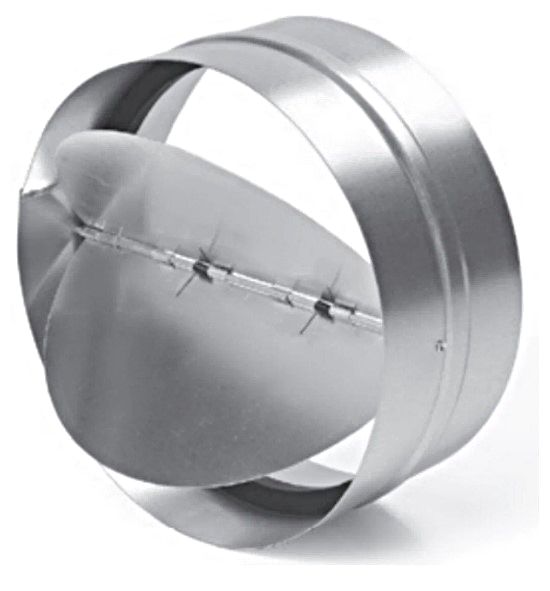
Unlike a single-leaf valve, a double-leaf valve has two petals. The flaps open like butterfly wings. Advantage I believe the presence of springs pressing the petals is crucial. The check valve flaps never stick, even if the housing isn't installed strictly vertically or horizontally.
As an example, I'll use the F125 check valve. The unit is made of galvanized steel and is installed in a round 125 mm diameter air duct in front of the decorative grille cover on the outside. The device costs 349 rubles on Yandex Market..
Membrane model
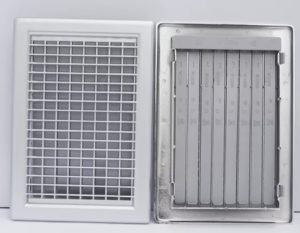
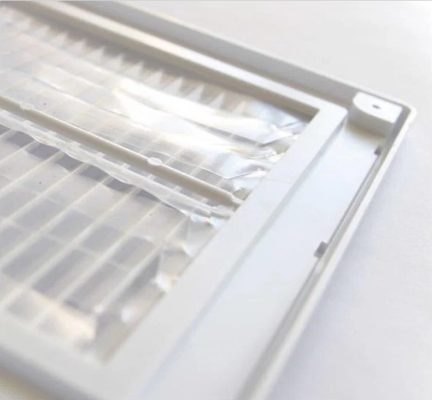
A distinctive feature of the design is the damper design. The ventilation grille is made with a flexible membrane check valve. The blade is made of durable reinforced film. The membrane tightly seals the ventilation duct when exposed to reverse airflow.
The film can become stiff in cold weather, and deform in heat and sun. Membrane models are best installed indoors.
As an example, I'll use the ERA 180x250 framed product from a well-known manufacturer. This device is made of plastic and is designed for use in natural ventilation systems. Price on Yandex Market: 520 rubles.
Petal model
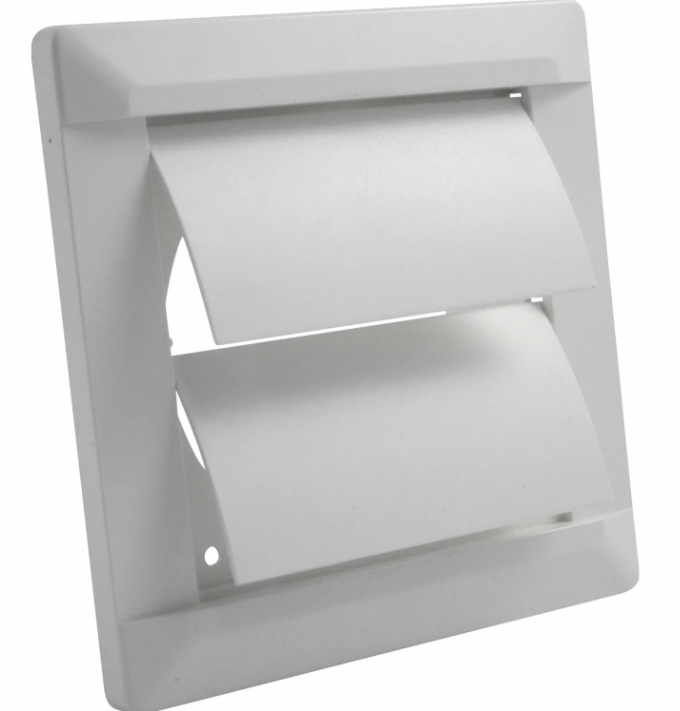
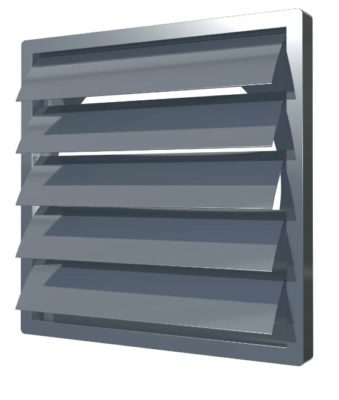
The device is equipped with louvers. The slats act as a check valve. The mechanism operates on the principle of a gravity-driven single-leaf damper. The louvers are available in plastic and metal, which determines their installation location—indoors or outdoors.
As an example, I'll use the ERA Street line 3636K31 model. The flange has a diameter of 315 mm, and the length and width of the grille cover itself are 360 x 360 mm. The manufacturer's use of high-quality ASA plastic allows the blinds with a check valve to be installed on the building's street side.
Step-by-step instructions for installing the grille
Ventilation valves operate for both supply and exhaust. Before installing a mechanical unit, select the appropriate model based on the air flow direction. Perform preparatory work to ensure quick and safe completion of the work.
Materials and tools
Additional materials required for installing the grille may include screws and sealant if the fasteners are installed in the ductwork. If you plan to install the unit in an old common-house ventilation window, prepare gypsum putty to fill the gaps between the mounting flange and the wall.
Preparing additional materials shouldn't be a problem. The more difficult part is choosing the grating itself based on its design:
In addition to technical design, when choosing a grille, pay attention to the following nuances:
- check the tightness of the valve fit to the seat in the closed position;
- Make sure that the plastic case does not emit toxic, pungent odors;
- check the smooth and free movement of moving parts;
- Make sure that the size of the grille matches the parameters of the ventilation duct;
- Don't buy cheap products, choose a product from a trusted manufacturer.

Once you've prepared the grating and materials for installation, gather the necessary tools. You'll need a screwdriver, a level, a putty knife, or a sealant spray gun. If you need to drill holes, have a power drill with a set of drill bits and plastic dowels.
Step-by-step installation instructions
When discussing grille installation, it's assumed that a ventilation duct with an opening has already been prepared for it. All that remains is to secure the structure and eliminate any gaps.
Let's take a step-by-step look at the installation of a rectangular model with toothed fasteners:
- Unpack the store-bought grille. Check for the mounting hardware. Locate the latches that connect the decorative top housing to the mounting flange.
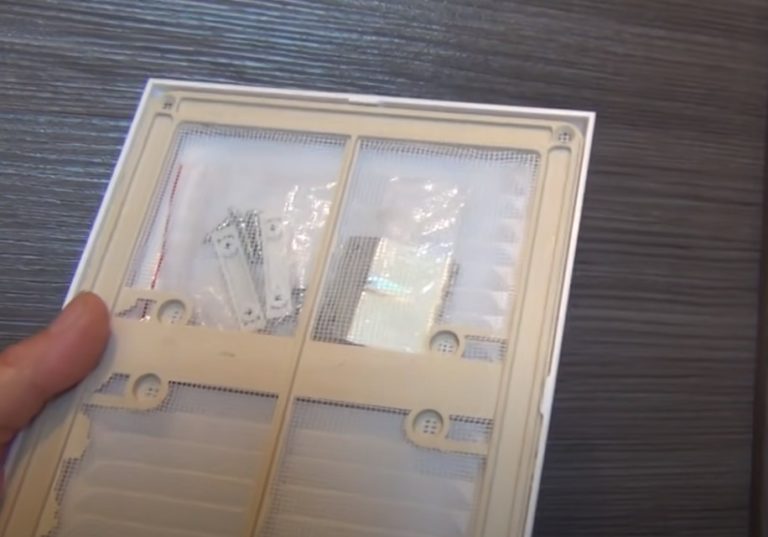
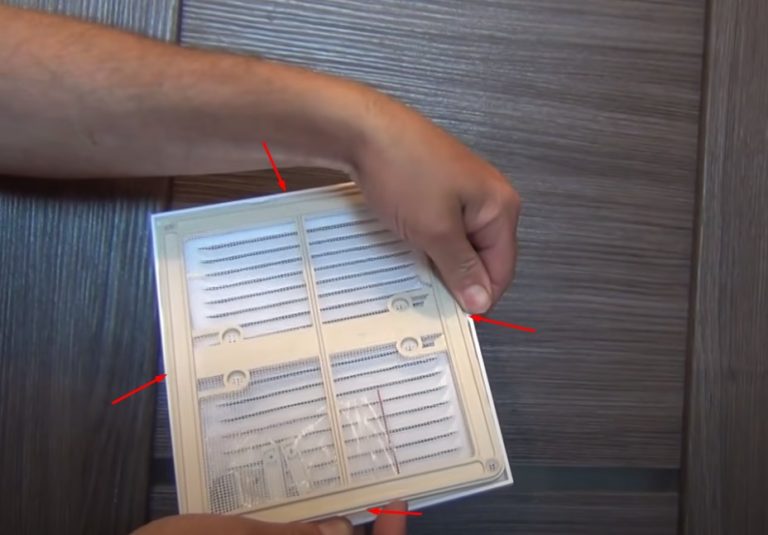
- By releasing the latches, remove the mounting flange from the decorative housing. Be careful not to damage the membrane tabs of the check valve membrane located under the blinds.
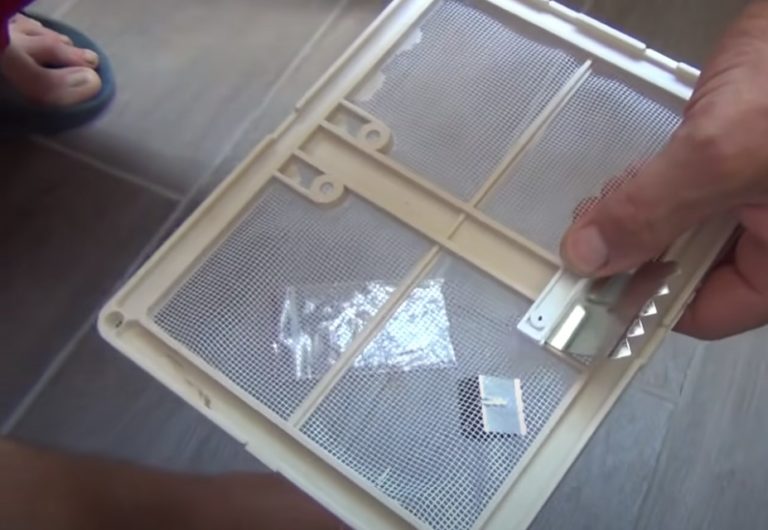
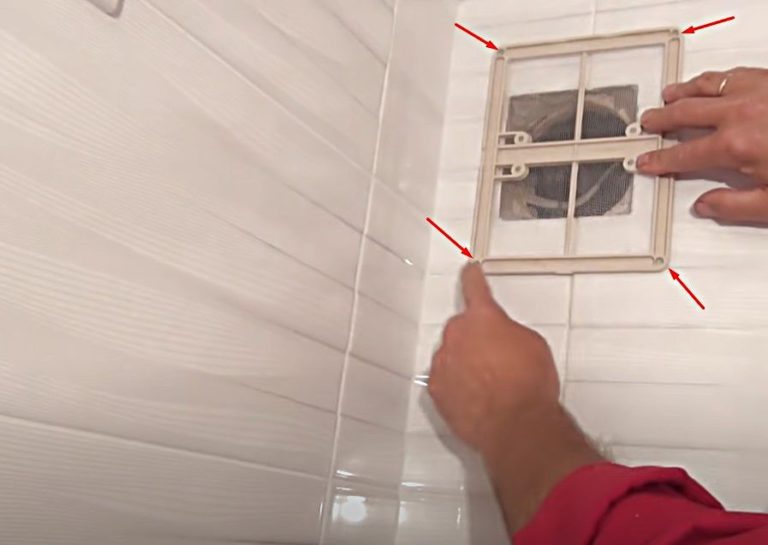
- Attach the supplied toothed fasteners to the mounting flange. The sharp protrusions of the plates will secure the frame to the wall vent.
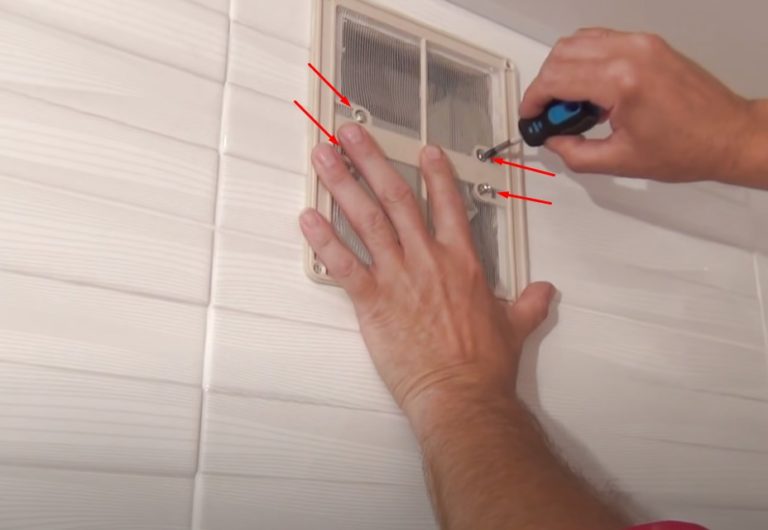
- Level the mounting flange into the hole in the wall. Tighten the screws alternately until the toothed fasteners securely fasten the frame.
- Install the decorative housing onto the secured mounting flange. The latches will lock the part into place with gentle hand pressure. Make sure the louver openings are facing downward. If installed in the opposite direction, the membrane valve's membrane petals will not operate correctly if backdraft occurs.
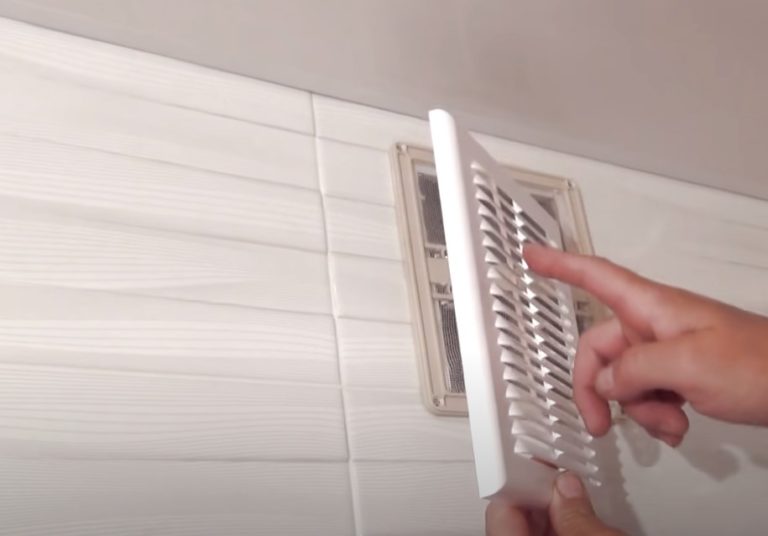
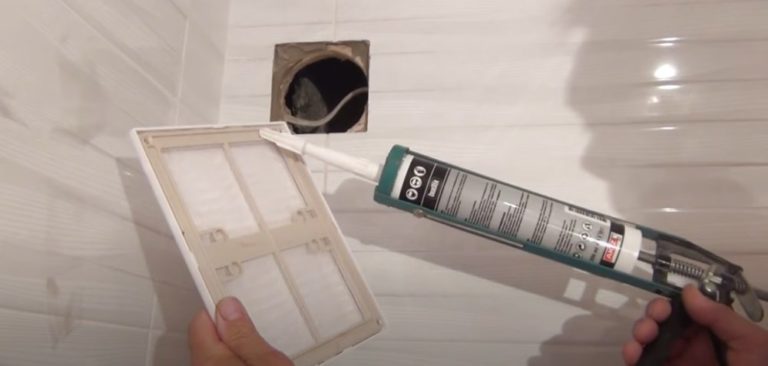
Manufacturers don't always include toothed fasteners, or they may not align with the walls of the ventilation shaft opening. You can secure the mounting flange to the wall with screws or glue it with liquid nails. The latter option is suitable when you don't want to drill through new tile. Screws are easier to use when attaching the frame to a wall made of wood or aerated concrete with plaster.
Recommendations for safe installation and operation
Natural ventilation operates without electrical appliances. A forced-draft system has a fan inside the ductwork. Before installing a check valve with a decorative grille cover, disconnect the electrical equipment to avoid electric shock.
A house or apartment can have two ventilation systems operating simultaneously: natural and forced. If the ducts of these systems are located adjacent to each other, install a combination grille element with check valves on each air duct.
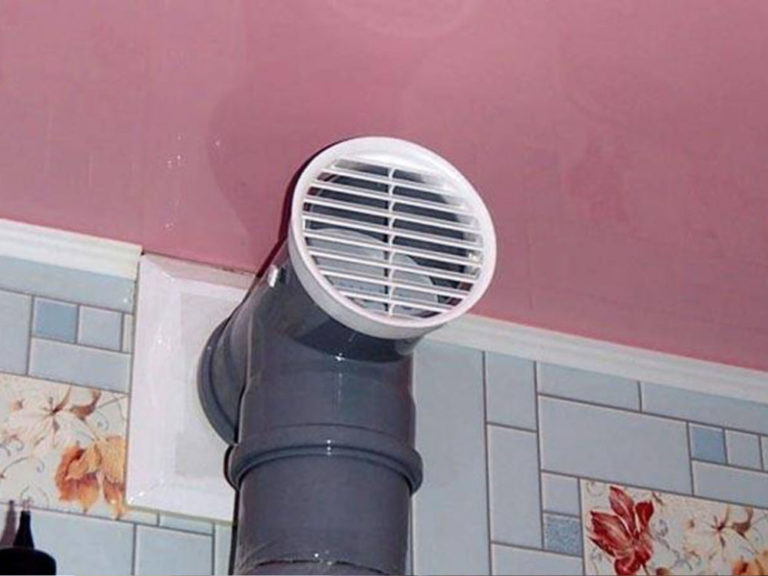
A damper with a natural ventilation grille can be installed on the kitchen hood duct. The damper opens when the fan stops extracting air. For ease of maintenance and installation, install the natural ventilation unit into the duct through a tee.
Outdoor blinds can freeze in winter. The valve petals can become stuck in ice buildup. To restore ventilation, melt the ice with a hair dryer. Carefully remove any water and remaining ice. For outdoor installation, use metal blinds with a damper, which are more resistant to mechanical stress.
Throughout the entire service life, clean the blinds of accumulated dirt. Check the operation of the damper. If the mechanism jams or the blades do not seal tightly, replace the damper.
Use a piece of paper to check for proper ventilation. The paper will be deflected by the outgoing air currents and will stick to the intake vent. Using a lighter or candle to test the flame is dangerous. Grease deposits inside the duct may ignite. The flame will deform the plastic louvers and damper or instantly burn the membrane valve's film petals.
Answers to frequently asked questions
The device consists of a housing with a decorative grille, a mounting flange and a petal damper that follows the shape of the air duct.
The grille closes the ventilation duct to prevent birds, small rodents, and large debris from entering. The damper blocks return airflow, which creates backdraft in the system.
The grille can be replaced by an anemostat, diffuser or wall valve.
The valve size always corresponds to the cross-section of the ventilation duct. The grille should be a couple of centimeters larger than the vent opening to allow the sides to cover the joint with the wall.