 Insulating outdoor sewer pipes is a must. Sewer pipes installed underground must be insulated, otherwise there is a high risk of freezing during the winter.
Most often, it's recommended to close off external pipes leading to the local sewer system. If the liquid in them freezes, it can cause serious problems.
It is better to solve the issue of freezing of the external drainage system at the stage of installation of the system. It just needs to be laid below the frost line.However, if this is not possible and the home is located in a cold climate zone, then insulation is essential.
Many types of insulation are suitable for thermal insulation. Each has different durability and price. This wide selection allows you to choose the optimal option for your specific conditions. Since drainage pipes buried in the ground are constantly exposed to moisture and other aggressive factors, the choice of insulation material in this situation requires special considerations.
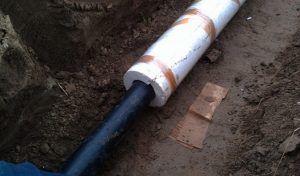
It must effectively achieve its objectives, regardless of external conditions. These must meet the following parameters.
- Have a high level of tightness.
- Long service life and durability.
- Low thermal conductivity.
- Non-flammable and resistant to aggressive reagents.
- Easy to install.
When selecting insulation, be sure to consider its compatibility with the pipes. If these recommendations are followed precisely, the insulation material will provide reliable protection for the buried pipeline for a very long time.
When discussing insulating coatings, it's important to note that all options available on the market comply with all applicable standards.
They also feature excellent adhesion to metal and plastic sewer pipes, along with a high level of moisture protection and increased strength.
TIP: It's not recommended to use materials containing cellulose as insulation. It decomposes very quickly in the ground and doesn't protect the pipeline from low temperatures.
- Materials for external drainage networks and their prices
- Features of insulation of external drainage system
- Insulation with soil
- Heating of external sewerage systems using cable
- Thermal insulation shell for external insulation
- Thermal insulation for underground metal products
- Material for a 110mm sewer pipe
- Insulating material for 160mm pipe products
- Leroy Marlin products
- Insulation of the sewer system in the ground
- Laying the pipeline in the ground
- Table of soil freezing depth by region of the Russian Federation
- Cost of insulating products
Materials for external drainage networks and their prices
Insulation for outdoor sewer systems must be chosen wisely, and price is a significant factor in this case. It's important to understand that proper insulation in a well or septic tank will ensure its reliability.
Among the most popular materials for external drainage systems, we can highlight:
- StyrofoamIt consists of small granules. This option does not require additional waterproofing. This building material is produced by sintering the granules. This product is very easy to work with, is environmentally friendly, and has a long service life.
- Mineral woolIt's a traditional option and is inexpensive. However, it's not the preferred choice for sewer lines. Mineral wool compacts over time, and it also has a high hydroscopic property. Insulation made from wet mineral wool completely loses all its necessary protective properties.
 Foamed polyethyleneThis insulation method for outdoor sewer systems is characterized by its ease of installation. It is also resistant to moisture; unlike the previous insulation, it will not lose its properties due to moisture. This type of insulation, supplied in rolls, is thin, so multiple layers must be applied to the pipes for proper insulation. Foamed polyethylene is available in sheet form or in ready-to-use covers of various sizes.
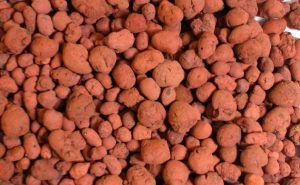
- Expanded clayThis method is preferred for external insulation. It is simply used to fill the trench where the main pipeline is located. Only expanded clay is permitted for use in dry recesses, otherwise its protective properties are lost.

 FolgoizolIt is produced in two types: SRF and FG. This building material is reinforced with fiberglass fabric bonded with polyethylene film. Folgoizol is produced using aluminum or corrugated foil and a bitumen-polymer binder. A distinctive feature of this type is its very long service life in outdoor utility systems.
 Foamed synthetic rubberThis is a flexible, closed-cell insulation material. It is sold in sheets and tubes. Tubular insulation can be used for pipelines of any size. Foamed synthetic rubber has recently declined in popularity.
- Expanded polystyrene. Made from suspended polystyrene. The production process produces a foamed material consisting of granules firmly fused together. The advantage of this material is its high rigidity.
- PenoplexThis is a foamed type consisting of a large number of granules. This option is considered the most suitable because Penoplex can withstand heavy mechanical loads. This property is especially important in the current situation. It should also be noted that Penoplex, as an option for drainage lines in the ground, can be used in high-humidity conditions.
- IsoponIsopon is most often used as thermal insulation for domestic and industrial systems. Its main advantage is its strength and moisture resistance. Installation is very quick.
- Polyurethane foamA distinctive feature of this type is that installation requires the use of a special device, which is quite expensive.
- Extruded polystyreneIt has a cellular structure and is ideal for insulating pipelines that are subject to heavy loads during operation.
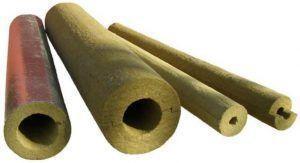
- BasaltIt is made from basalt fibers that are stitched with glass lines.
- Glass woolIt is characterized by high density and is often used for insulation. metal-plastic sewer pipeDuring thermal insulation, additional insulators must be used to protect the insulation from adverse environmental factors.
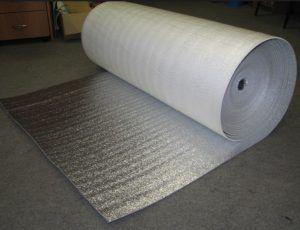
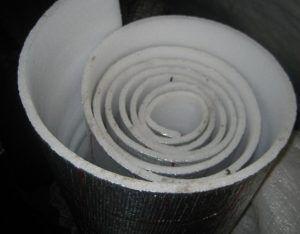
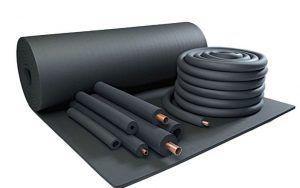
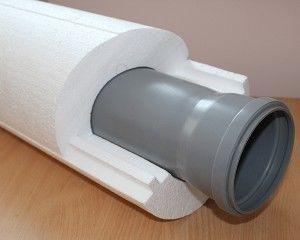
Other thermal insulation materials are also available on the market, each with its own distinct characteristics. A popular option, for example, is insulation with a foil layer. This layer reflects thermal energy, improving insulation efficiency.
Foam plastic shells are also considered a good option; they are easily installed on external pipelines of any diameter.
When talking about options for underground drainage lines, it is important to note their affordable cost.
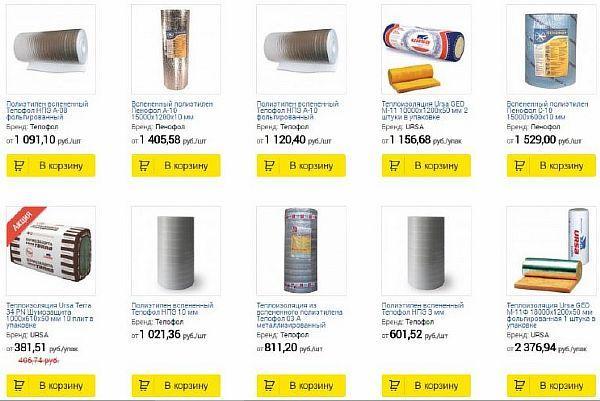
You can confirm the exact price with our managers when placing your order. You can also receive full information about the selected product and its specifications when placing your order.
Features of insulation of external drainage system
This process is important and must be approached with the utmost care. Such work is carried out in order to:
- protect the system from ruptures resulting from temperature differences;
- prevent the occurrence of ice jams in winter.
Often, such problems arise as a result of improper installation. In some cases, insulation may not be necessary. This applies to pipes laid underground at a depth above the frost line. In this case, the soil itself will act as insulation.
However, there are cases when it's simply unavoidable. These include:
- laying at a depth of less than 50 cm;
- the presence of turns in the pipeline;
- the system slope is less than 5 mm or more than 15 mm;
- northern regions or regions with low temperatures;
- frequent sewer blockages.
In the latter case, frequent blockages may be caused by ice buildup due to low temperatures. As for the slope, if it's insufficient, it will lead to small amounts of water accumulating in certain sections of the pipeline.
Not Do you know how to insulate an external water pipe? Use insulation or wire. for heating…
Turns, however, lead to a decrease in flow velocity, which increases the risk of freezing. This leads to the formation of ice plugs and rupture of underground pipelines.
Video: Insulating External Sewers – Is It Necessary or Not?
This ultimately requires the installation of an additional protective layer, which will incur some costs. All of this must be considered during the initial stage of sewer installation.
Insulation with soil
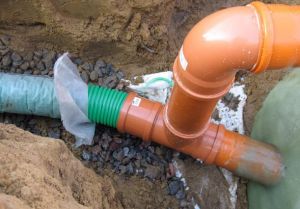 Various thermal insulation materials are generally used. However, in some cases, soil is also used. In this case, the pipe is laid at a depth where the ground does not freeze. The freezing depth of soil varies by region.
Therefore, before using this technology, it is necessary to accurately determine the freezing depth.
The soil layer above the pipe maintains a constant temperature. This helps protect the external pipeline from freezing. Unfortunately, this cost-effective method isn't always feasible.
This is because digging a trench of great depth is a very complex process, especially if the depth exceeds 1 meter.
The challenge isn't just laying the pipeline at great depths, but also repairing the system. To access the external sewer system, the entire soil layer will need to be removed. This will require considerable time and effort.
After digging and repairing the external sewer system, it will take a lot of time to bury it.
Heating of external sewerage systems using cable
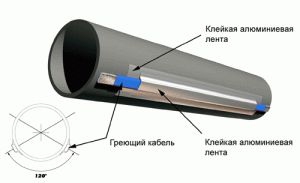 Electric cable is a modern means used to protect external sewerage from freezing.This method of thermal insulation is significantly more effective than the previous one, which involves installing sewer pipes at a certain depth.
An electric cable is installed along the entire external pipeline. Heating cable can also be used at key points in the sewer system. This allows heating to be performed at any temperature.
A special cable is used to heat outdoor sewer pipes. It is secured with adhesive aluminum tape. First, the tape is applied to the pipe. The cable itself is laid on top of it. Then, the tape is applied over the heating element. This ensures the cable is securely attached to the pipe surface.
Video: Insulating external sewer pipes with heating cable
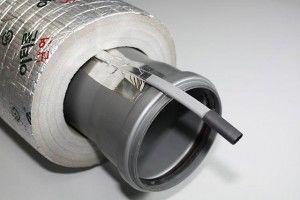
It's also worth considering that a power outage will cause the cable to stop heating. A generator is used as a backup source. However, installing one will also entail significant capital investment.
Thermal insulation shell for external insulation
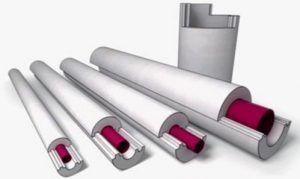 Shell-type insulation for external sewer pipes is very popular among consumers, and its main advantage is its ease of installation.
Shell-type thermal insulation is made from foam plastic and expanded polystyrene, and it should be noted that it is successfully used for soundproofing internal drainage systems, as well as external sewer systems located outdoors and underground.
And it is characteristic that external sewerage in the ground does not need to be laid in additional installation trays.
The shell is mounted very simply.
- The two halves, each with an internal volume corresponding to the object being covered, are simply placed on it and joined. The shell is applied with a slight overlap.
- For reliability, the overlapping areas are secured with construction tape.
- Individual pieces of the shell are also secured with tape.
- There are products of different shapes for working with corners and different structures.
- It is very rare for such shells to have an additional coating on top.
IMPORTANT! A significant advantage of the shell is its reusability. Shell components can be easily removed and reinstalled without losing their essential properties.
Thermal insulation for underground metal products
To properly install a metal sewer system, it is necessary to purchase not only high-quality components, but also ensure the system's functionality.
Experts recommend shell insulation as the most preferred thermal insulation option for metal sewer systems.
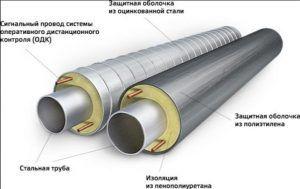
This thermal insulation is easy to select for a metal pipeline of any size. When choosing a shell, experts recommend choosing polystyrene foam optionsPlastic is slightly inferior to it in that it is susceptible to combustion and can allow some steam to pass through.
Shell-type insulation for metal sewer pipes can be manufactured with additional moisture protection. This type of insulation is ideal for metal sewer pipes laid underground.
Material for a 110mm sewer pipe
Insulation for 110mm sewer pipes is used for insulation and soundproofing. It also protects pipes from condensation and corrosion.
Distinctive characteristics in this case include increased water resistance and a long service life.
It is made from environmentally friendly polyethylene foam. This raw material has a closed-cell structure.
Along its entire length, this thermal insulation is equipped with a technological cut, which facilitates installation work.
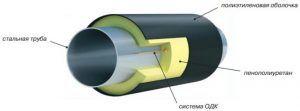
Below we will consider the technical features of the insulating material for 110 mm sewer pipelines.
- Inside diameter: 11.4 cm.
- Wall height – 0.9 cm.
- The length of the tube is 2 m.
- The maximum operating temperature level is +95 degrees.
- Does not contain such a hazardous substance as chlorofluorocarbon.
- According to flammability class, it belongs to group G1.
- High resistance to gypsum, cement and concrete materials.
The average price of such insulation is around 180 rubles.
Insulating material for 160mm pipe products
Insulation for 160 mm sewer pipes is made from physically foamed polyethylene and costs approximately 140 rubles.
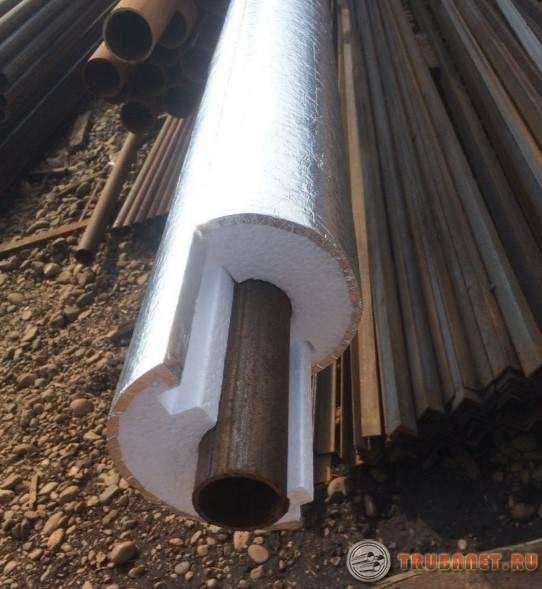 Freon is not used in its production, so the final product is absolutely safe from an ecological point of view, because it does not affect the environment.
The core material consists of closed cells. This design allows this insulation for 160mm underground sewer pipes to boast excellent thermal and sound insulation properties.
Its density is 20-35 kg/m³. According to fire safety regulations, the insulation is classified as flammability group G1, and its fire spreading class is RP1. Its operating temperature range is from -40 to +95 degrees Celsius.
The areas of use of insulation 160 are as follows:
- Water and heat supply networks for buildings and structures.
- Technological highways.
- Ventilation networks.
- Soundproofing and thermal insulation of various networks.
- Protection of pipes from corrosion.
Leroy Marlin products
Leroy Merlin's external sewer pipe insulation stands out among similar products. The Leroy Merlin chain of stores offers consumers a high-quality selection at very competitive prices.
Technology evolves, and the product range is constantly expanding. Among the products offered by this online store, pre-insulated pipes are particularly noteworthy.
These are products made of plastic and metal, as well as other materials that can be laid in the ground above the freezing level without fearWhen you purchase from Leroy Merlin, you can be confident that your system will operate smoothly at any temperature.
Their cost will be an order of magnitude higher, and many people insulate simple pipes in the ground with cheaper insulation materials.
All other Leroy Merlin products are high quality and affordable. Basalt glass wool finishing is considered the most expensive option.
All provided building materials can be used for all types of rolled pipes. Each meets the following product requirements:
- Fire resistance.
- Water resistance.
- Long service life.
- Easy to install.
- Low cost.
Insulation of the sewer system in the ground
When choosing thermal insulation, you need to take into account the climatic conditions of the region, the depth of the sewer pipe in the ground, as well as financial capabilities.
Sewer pipe insulation is carried out using established technology. First, the main line is laid in the ground. For this, a trench is dug, the width of which depends on the diameter of the pipeline and the depth of which is at least 60 cm.
The ditch dimensions may vary, depending on the regional climate and the diameter of the pipeline itself.
The trench should be wide enough to allow for easy placement into the ground. Also, keep in mind the slope, which is 1 cm per meter of length.
The pipeline is assembled on the surface and then laid in the trench. When joining, it's recommended to use a sealant. It's applied to the ends of the pipe and the rubber seal.
This allows for a secure and watertight connection of the pipes. The selected insulating material is then applied to the pipe.
Insulation is a critical process. It's crucial to ensure the insulation material fits snugly and is securely fastened to the sewer pipe.
For this purpose, experts recommend using tape wrapped around the entire perimeter of the insulation material. The tape ensures that the insulation does not slip off the main pipe due to soil shifting.
Laying the pipeline in the ground
At the same time, one should not forget about its slope, which will ensure the natural flow of waste in the right direction.
The slope is created using a sand cushion placed at the bottom of the trench. Sand is also ideal for backfilling the external pipeline. However, previously excavated soil can also be used for this purpose. The main thing is to ensure that it does not contain any sharp objects that could damage the insulation or the sewer system itself.
The system is then backfilled and compacted. At this point, the external sewer system installation can be considered complete. If all work was performed correctly, the insulation will last for a long time.
Table of soil freezing depth by region of the Russian Federation
It's important to keep in mind that soil freezing depth varies across climate zones. You can find out the standards for a specific region from specially developed maps. These maps provide precise data on the depth of soil freezing.

We suggest downloading a file where you can find out the level of soil freezing for each region - download here.
IMPORTANT! This method should not be used in areas where the freezing depth is greater than one meter and where the groundwater level is high.
For example, if the soil freezing level is 1.4 meters, and the groundwater level is no deeper than one meter below ground, the septic tank will be constantly filled with water.
But raising the pipeline close to the surface is impossible, otherwise it could freeze. So, in the current situation, it's necessary to look for other, more expensive methods of laying sewer pipes.
This method is more suitable for areas with warmer climates. In mild winters, the soil doesn't freeze for long distances, so the trenches for external sewerage systems can be made shallower.
However, starting in the central regions, deeper trenches will have to be dug for such pipelines, which will lead to additional costs for laying communications.
It is also necessary to add here that, that the pipeline needs to be laid at an angle, and with each linear meter of the sewer pipeline The trenches will have to be deepened. Based on these facts, the conclusion is that in cold regions, it is more cost-effective to insulate such a system.
TIP: To maintain a normal temperature in the external sewer line, an inspection well should be installed in the septic tank. It is placed above the septic tank lid. This design creates an additional air cushion above the septic tank, helping maintain positive temperatures even when temperatures drop below freezing.
As for the internal sewerage system, it is quite possible to do without insulation here, since it operates under the same temperature conditions.
It doesn't condense like a cold water main. The only place insulated on such structures is where the riser pipe exits onto the roof of the home. In this location, the riser can burst with sudden temperature changes.
The specialist will not only recommend the appropriate type of insulation for external sewer systems but also assist with installation. The investment will ensure trouble-free operation of your sewer pipes, preventing winter emergencies requiring complex repairs.
There are various methods for insulating outdoor sewer pipes. When choosing the right method, specific climate conditions, pipe installation features, the depth of the main line, cost, and so on are key considerations.
If everything is done correctly, the problem of ice blockages in the system is minimized. This means the system will not fail even in the coldest weather.
Cost of insulating products
Insulation for external sewer pipes is selected based on the intended purpose of the pipeline, and the price of any product is determined by several factors. The product's type, application, and fastening method influence the cost.
The most important thing is to use only high-quality products. They will ensure the reliable and long-lasting service of underground sewer systems.
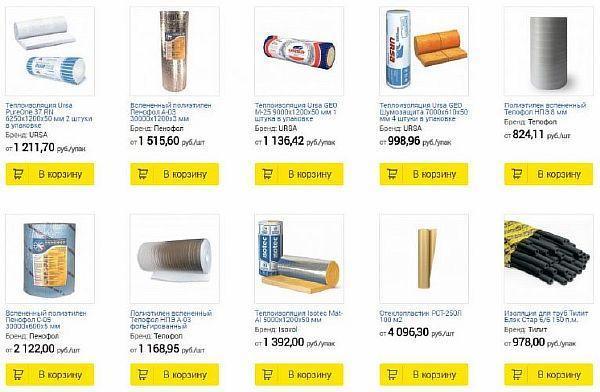
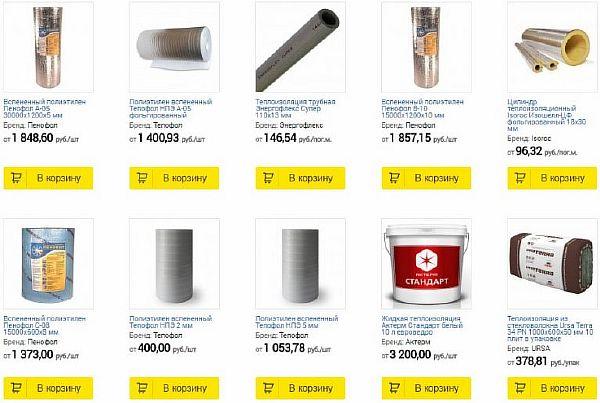
Companies selling this product line provide comprehensive product information in convenient catalogs. Here, you can learn detailed technical specifications and find out the exact price.
If necessary, managers will help calculate the amount of insulation needed for the job. Customer reviews of each product can be found on these companies' websites.
Video: Insulating External Sewer Systems
Insulation for external sewer pipes operates on the same principle. It consists of air filling the voids of any type of insulation, acting as a thermal insulator.
Based on this, a separate type of product is selected in accordance with the location of the pipe products in the ground and the ease of installation work.