Modern humanity strives to carefully monitor the consumption of provided utilities, as heating bills are growing annually, yet the relevant services do not provide them in full.
Therefore, the consumer has the right to know what the temperature of the batteries should be during the heating season according to the law.
- Heating temperature standards in an apartment building
- Normal air temperature
- Normal battery temperature
- Minimum value
- Maximum value
- Standards for individual heating systems
- How to find out the coolant temperature in batteries?
- How to determine the water temperature in the central system?
- How to determine hot water parameters?
- What to do if the rules are violated?
- Heat supply requirements
- Recalculation of utility bills for heating
Heating temperature standards in an apartment building
Each apartment's heating pipes are connected to a centralized system, making it difficult to monitor temperature levels. Often, even with high rates, apartments remain cold, and the average consumer is unaware that utility companies are violating their rights.
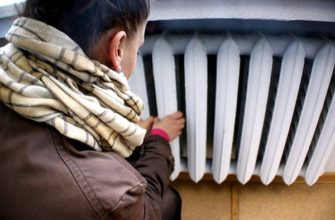
The heating start-up period is scheduled for early October. However, much depends on the weather during that period, so the date is set by local authorities. This information is then transmitted to the CHP or RSO.
The rights and obligations of both parties are regulated by law:
- provision of public utilities - Government Resolution No. 354 of 06.05.11;
- requirements for the quality of heating provision - the same law (Appendix 1, section VI);
- rules for the provision of services - Order of Rosstandart No. 5444-st dated 11.06.14 in accordance with GOST R 51617-2014 (standards of the Russian Federation);
- indoor microclimate parameters according to the interstate standard - GOST 30494-2011 according to the Order of Rosstandart No. 191-st dated 12.07.12;
- Federal Law on Heat Supply - No. 190-FZ of July 27, 2010;
- Generalized rules for heat supply to apartment buildings - Federal Law No. 416, Article 7, Chapter 3 of 07.12.2011;
- technical conditions for regulating the provision of a standard level of heat - GOST R 51617-2000;
- conditions of heating, air conditioning and ventilation — SNiP 41-01-2003 SP 60.13330.
According to Russian legislation, for emergency heating connection, the outside air temperature must be +8°C for at least 5 days.
Normal air temperature
Unlike the standards for heating radiators, the range of parameters for air is minimal. Each room has its own individual parameters:
- living room (bedroom, hall) — about + 18–22°С;
- bathroom — + 20—25°С;
- toilet - + 18°С;
- combined bathroom — + 25°С;
- kitchen — + 18°С;
- corner residential room — + 20–24°С;
- classroom — + 18–22°C, depending on age (for preschoolers the figures are higher);
- vestibule, stairwell — from + 12 to + 18°С;
- storage room - from + 12 to + 18°С;
- inter-apartment partition (vestibule in common parlance) — from + 16 to + 20°С.
At night (from 00:00 to 05:00) the thermometer readings can be reduced by 3–4°C.
Why is there such a difference in temperature readings? There are several reasons:
- the kitchen area does not require elevated temperatures, since a gas/electric oven is often used here (it is also a heat carrier);
- Bathrooms are considered to be rooms with high humidity, so to neutralize it, the thermometer readings are increased (plus, warmth is necessary when taking a shower/bath);
- Corner rooms have open walls on both sides, so they need insulation (if you use thermal insulation boards on the outside, the thermometer readings should be equal to those of a normal living space);
- It is common practice to store various items or canned goods in pantries; high temperatures are inappropriate here.
Standards are set based on the frequency of time spent in a particular room.
Normal battery temperature
The heat output of heating radiators in winter is specified by national legislation. A comfortable microclimate is considered to be based on thermometer readings. from + 18 to + 25°CThis is regulated by the requirements of SNiP 41-01-2003. However, the standards differ in various parameters.
Minimum value
There are no minimum temperature standards for heating radiators. Apartment and homeowners should rely on ambient air temperatures. However, there are average values for winter:
- if the outside temperature is +4–5°C, then the radiators should be +39–40°C;
- If it is cold outside (up to - 15°C), then the batteries should be at least + 70°C.
Maximum value
Radiator temperature standards depend largely on various factors, particularly the design features of the heating system:
- for single-pipe - + 115°С;
- with two pipes - + 95°С.
The optimal temperature range is between 80 and 90°C. However, if the temperature exceeds 100°C in a two-pipe system, the system will overheat and eventually boil, leading to unpleasant consequences.
Standards for individual heating systems
Gosstroy (State Construction Committee) sets several standards for individual heating systems. Temperature variations are shown in the table.
| Outdoor temperature | Temperature readings in the supply pipe | Return pipe parameters |
| 0°C | + 65°С. | + 48°С. |
| + 5°C | + 50°С. | + 39°С. |
| — 5°C | + 78°С. | + 56°С. |
The type of radiator is of great importance, as each material reacts differently to different heating temperatures. There is a formula that determines heat supply standards (they depend on the radiator's power in watts), where:
- S — denotes the area of the room in square meters;
- h — indicates the height of the ceilings in meters;
- The number 41 indicates the empirical coefficient for minimum thermal power.
The calculation is carried out by special bodies based on the ratio of the obtained value and real heat transfer. Based on the type of heating system, the parameters for 1 section of the battery are as follows:
- cast iron radiators - power 90–160 W;
- steel systems - from 60 to 170 W;
- aluminum and bimetallic - from 160 to 200 W
Additionally, the heating capacity, regardless of the radiator type, is determined by the permissible pressure values in the coolant. Minimum pressures range from 2 to 4 atm, and maximum pressures range from 6 to 8 atm.
At the first setting, heating is ineffective; at the second, it is excessive. Optimal values are 4–6 atm.
Modern heating systems dictate their own rules. Utility companies are not required to strictly adhere to GOST standards, as they are merely advisory. However, they are required to comply with the requirements of the Sanitary and Epidemiological Rules and Regulations (SANPIN).
How to find out the coolant temperature in batteries?
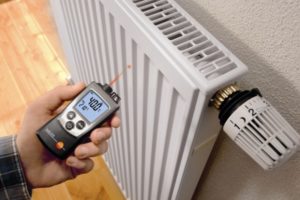
To determine whether the heating radiator temperature complies with GOST standards, it is necessary to measure the heat directly at the radiator. There are several options for this:
- medical thermometer - add 2–3°C to the readings;
- infrared thermometer;
- alcohol thermometer.

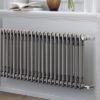
In each specific case, it is necessary to adhere to certain rules:
- Medical thermometer (household). It is enough to apply the area with mercury to the surface of the battery and wait a few minutes or seconds (depending on the type of thermometer).
- Alcohol thermometer. This is a great option if the apartment owner wants to monitor the temperature daily to ensure it meets standards. What to do:
- attach the alcohol meter to the heating radiator;
- secure with tape (it’s better to use thin double-sided tape);
- apply any heat-insulating material on top (ecowool, mineral wool, foam rubber, protective foil, etc.);
- secure carefully with tape.
- Infrared device. The main advantage is instant results without the need to apply the beam directly to the surface. However, the readings are slightly inaccurate. To measure, point the beam at the radiator.
If possible, purchase a dedicated device equipped with a sensor and a temperature ramp. It runs on electricity or a rechargeable battery (depending on the model). There are many contact and contactless options.
How to determine the water temperature in the central system?
It's generally accepted that apartment owners lack the ability to accurately measure the water temperature in their central heating system. They are advised to use the air temperature as a reference.
Despite this, you can use the following scheme (provided that a tap is available):
- Open the tap located on the heating radiator.
- Place a heat-retaining container (metal pan, etc.) under the spout.
- Lower the thermometer and draw water.
- After 2-4 minutes, look at the readings.
The temperature of the water from the radiator will be 4–5°C higher than the surface of the heating radiator itself.
How to determine hot water parameters?
The hot water supply and heating system are directly interconnected. The water temperature is the same in both systems.
According to SNiP 2.08.01.89 on residential buildings, the temperature of hot water should vary from + 50 to + 70°C, which is the average norm for water in heating radiators (taking into account that the outdoor thermometer readings are not lower than - 10–15°C).
The measurement process is exactly the same as determining the water temperature in radiators, but there is one caveat. After opening the tap, you need to wait 3-5 minutes; after that, water at the actual temperature will flow.
What to do if the rules are violated?
First, it's necessary to determine the cause of the discrepancy between radiator and air temperatures during the heating season. This may not be the fault of the utility company. The following could be the cause of the violation:
- Air in the system. The most trivial and simple factor. The problem can be solved with the help of a specialist. In some cases let the air out It is possible to do it yourself, especially if you have a Mayevsky crane.
- Pipeline wear. If the heating system's service life exceeds 10 years, rust and scale will form inside the pipes, and the space will fill with waste from the boilers. In this case, the utility company is to blame. The only correct solution is to completely replace the system.
- Contamination of heating batteries. The same processes occur inside the radiators as in the previous case, disrupting the flow of coolant and reducing efficiency. Replacement is performed by specialists, but the apartment owner pays for the service and materials.
- Incorrectly configured equipment. This is most often encountered in cases where the heat supply is not centralized, but individual (for one private house or several multi-story buildings), which is practiced in modern residential complexes.
The reason is the inexperience and ignorance of the specialists, as well as the lack of engineering diagrams. The management company is at fault here. - Incorrect installation diagram of the heating system. This is the developer's fault. They failed to comply with engineering regulations. A situation like this requires a major overhaul of the entire system.
- Increased thermal conductivity of walls. Especially if radiation protection is insufficient. All this contributes to heat loss. The optimal solution is to insulate the building both externally and internally.
If the culprit was faulty radiators or pipes, then specialist assistance is essential. In any case, the consumer should not be charged for the period during which the heating system was inoperative and the radiator temperature in the apartment did not meet GOST standards.
If you detect any downward deviations (through no fault of your own), you should notify the management company or utility services. They should dispatch a team of specialists to conduct an inspection and draw up a corresponding report.
The act is an official document submitted to the relevant agency for recalculation of heating or hot water bills. It is prepared in duplicate. The first copy is collected by the agency, and the second is given to the apartment/house owner.
What does the act consist of:
- date;
- apartment size;
- list of commission members;
- measured temperature of batteries and air;
- instrument readings;
- signatures of all participants in the inspection.
If the heating does not comply with SNiP standards, a complaint is filed (a sample can be viewed Here) to one of the organizations:
- servicing structure - housing complex management, homeowners' association, housing construction cooperative;
- a company supplying heat resources;
- emergency dispatch service;
- housing inspection.
The complaint may be submitted in writing, electronically, or by telephone. An inspection report is attached to the complaint.
Before filing a complaint, you should check with your neighbors to see if they have similar heating issues. If so, it's best to file a collective petition. Joint complaints are rarely ignored. Individual (isolated) complaints can take years to resolve.
If an organization refuses to accept a complaint, residents can confidently rely on Russian Federation Law No. 2300-1 of February 7, 1992 (Articles 15 and 29). It addresses consumer protection and compensation for damages caused by poor utility services.
In accordance with the Civil Code of the Russian Federation (Article 11) and the Housing Code of Russia (Article 11), consumers have the right to sue the service provider if their demands for correcting the causes of non-compliance with heating temperature standards are not met. The claim may be submitted to the following authorities:
- prosecutor's office;
- regional housing inspectorate;
- Rospotrebnadzor.
It's not necessary to file such a claim only after the contractor ignores your complaint. It can be sent to several agencies at once, demanding reimbursement of expenses, recalculation, and moral compensation.
Heat supply requirements
Russian legislation establishes certain rules for heat supply. The service organization is obligated to comply with the following requirements:
- Provide heating on time - from October 1 to October 15;
- If the outside temperature remains at a maximum of +8°C for 5 days, turn on the system earlier than the scheduled time;
- The law contains an amendment regarding the individual approach to heat carrier supply: if the design documentation contains information on outdoor temperature values for connecting the heating system, then these indicators must be taken into account;
- If a system breakdown occurs, the supplier is obliged to eliminate the cause as soon as possible (depending on the specific situation);
- the company must respond quickly to customer requests, especially if the situation indicates a malfunction (according to the law, a temperature reduction to 4, 8 and 12°C is permissible, but on the condition that this lasts for 4, 8 and 16 hours - no more);
- the downtime of heating supply should not exceed 24 hours within 30 calendar days;
- one-time shutdown of heat supply - for a maximum of 16 hours, but on condition that the outside air temperature is + 12°C.

Recalculation of utility bills for heating
Appendix 2 of Rules No. 354 states that consumers have the right to demand a reduction in their payment from the heat supply agency if standards are violated due to the supplier's fault. To obtain a recalculation, it is necessary to clearly state your demands at the complaint stage.
The procedure is carried out by the relevant authorities according to a specific scheme, but it's also easy to calculate the cost yourself. To do this, refer to RF Government Resolution No. 307, paragraph 15, dated May 23, 2006. It states the following:
- A deviation in the temperature of heating radiators by 1°C per hour reduces the cost of the board by 0.15%;
- Night time is not taken into account, as deviations are allowed.
Example of recalculation:
- the outside air temperature is 31°C;
- the thermometer reading in the apartment is + 15°C;
- these parameters were maintained for 30 days;
- I received a bill for heating in the amount of 2500 rubles;
- the average norm for a specific Northern region is - 20°C;
- the night 5 hours have a deviation of 3°C, therefore the missing indicators are 2°C;
- for 1 month will be 155 hours, therefore the reduction in payment only for night time will be 156 rubles, since the calculation is made according to the scheme - 2500 + 744 (total number of monthly hours) x 155 x 2 (°C) x 0.15 (%) = 156;
- daytime, morning and evening time per day - 19 hours, per month - 589, and the deviation from the norm is 5°C;
- calculation: 2500 = 744 x 589 x 5 x 0.15 = 1484 rubles;
- the savings will be: 1484 + 156 = 1640 rubles.
The compensation amount depends on the deviations from the norm at night and during other hours of the day. This recalculation opportunity is only available once per heating season.
Proving your rights in practice is quite problematic, as the majority of heating supply agencies are reluctant to recalculate. Such issues are most often resolved in court by filing a claim (a sample is available). Here).
Knowing the correct radiator temperature in winter and other seasons allows you to confidently defend your consumer rights. The key is to arm yourself with knowledge of your country's laws so you can apply them when visiting your heating company.


Thank you for the article. It was very helpful in my dispute with the management company.
We just had a dispute with the management company about the temperature of the water in the radiators.
Instead of determining the water temperature in a specific radiator, they began measuring the air temperature in the apartment and looking for heat loss.
I'm also facing a fight with the management company, exactly the same dispute. I'd like a link to the document.
Thanks for the article. Unfortunately, the housing and utilities bureaucrats and their backers concocted "Temperature Measurement Rules" in apartment buildings and shut down RF Government Resolution No. 354.
As of May 6, 2011, I'd like to see how these peppers fared at 18 degrees Celsius in the house. But in May, at 25 degrees Celsius on the radiators.
You can boil chicken eggs. Apparently they want to maintain fuel limits and get bonuses for saving. We've arrived at capitalism.
"Knowing what the radiator temperature should be in winter and other times allows you to confidently defend your consumer rights." And above, you wrote that the temperature isn't regulated, so where's the truth? I have a question precisely along these lines—not about the room temperature, but about the radiator temperature, because I'm paying per gigacalorie, and I'm being lied to.
Hello. You didn't read the article carefully, specifically the section titled "Maximum Value." Where it says:
Radiator temperature standards:
for single-pipe - + 115°С;
with two pipes - + 95°С.
The optimal temperature range is between 80 and 90°C. However, if the temperature exceeds 100°C in a two-pipe system, the system will overheat and eventually boil, leading to unpleasant consequences.
Hello, if the management company refused to measure the battery temperature but measured the air temperature, what should I do? Where should I go?
Hello. You can contact the administration, the prosecutor's office, or Rospotrebnadzor regarding this issue. However, you will need to provide evidence of the management company's negligence in fulfilling its obligations. You can invite a witness to the temperature measurement or record the entire process on a mobile phone; this will be sufficient evidence.
What document authorizes and confirms the rules for measuring the temperature of the COOLANT in radiators, and not the air in the apartment?
Hello. Boiler houses heat water to 115–120°C, and combined heat and power plants (CHPs) heat water to 140°C to deliver hot coolant to homes. High-pressure supply to the heating main prevents the liquid from boiling. The coolant entering a multi-story building is cooled to 95°C in heating stations. Additional cooling occurs in the in-house piping. According to paragraph 4.4.3 of SNiP 41-01-2003, the coolant temperature in radiators does not exceed 75°C to prevent residents from burning themselves. Other in-house piping components with temperatures above 75°C must be fenced off. The rules for setting coolant temperatures in apartments are governed by SP 60.13330.2020.